
Now Reading: Best place to visit in Bayda
-
01
Best place to visit in Bayda
Best place to visit in Bayda
Introduction
Bayda, also known as Al Bayda, is one of Libya’s most beautiful and historically significant cities. Located in the heart of the Jabal al Akhdar (Green Mountains) region, Bayda is renowned for its pleasant climate, lush landscapes, rich cultural heritage, and important role in Libya’s modern history. Unlike much of Libya’s desert terrain, Bayda is surrounded by forests, fertile valleys, rolling hills, and agricultural lands, making it one of the country’s greenest and most scenic destinations.
The city serves as an educational, administrative, and cultural center for eastern Libya. Its combination of natural beauty, historical landmarks, and modern institutions attracts visitors interested in exploring a different side of Libya. Bayda is often referred to as the “City of Snow” because it occasionally experiences snowfall during winter, a rare phenomenon in North Africa.
Today, Bayda stands as a symbol of the diversity of Libya’s landscapes and cultural traditions while continuing to play an important role in regional development.
History of Bayda
The history of Bayda is closely linked to the ancient region of Cyrenaica, one of the most important cultural and political centers in North Africa. Although Bayda itself developed more recently than nearby ancient cities, the surrounding region has been inhabited for thousands of years.
Ancient Greek settlers established colonies throughout Cyrenaica beginning in the seventh century BCE. The nearby cities of Cyrene, Apollonia, and Ptolemais became major centers of learning, commerce, and culture. These ancient settlements influenced the development of communities throughout the region.
During Roman and Byzantine rule, the area continued to prosper through agriculture, trade, and religious activities. Following the Arab conquest, Islamic culture became firmly established throughout eastern Libya.
Bayda gained greater prominence during the twentieth century, particularly after Libya achieved independence in 1951. At one point, plans were considered to make Bayda the administrative capital of Libya due to its strategic location and favorable climate. Significant government buildings and infrastructure projects were developed during this period.
Today, Bayda remains one of Libya’s most important cities and a gateway to some of the country’s most remarkable historical and natural attractions.
1. Jabal al Akhdar (Green Mountains)

Libya’s Most Beautiful Natural Region
The Jabal al Akhdar is undoubtedly Bayda’s most famous attraction. Unlike the vast deserts commonly associated with Libya, this mountain region features forests, fertile valleys, grasslands, and diverse wildlife.
The Green Mountains receive higher rainfall than most parts of the country, supporting rich vegetation and agricultural production. Olive groves, fruit orchards, and forests cover much of the landscape, creating a striking contrast to Libya’s arid regions.
Visitors can enjoy scenic drives, hiking opportunities, and breathtaking viewpoints overlooking the Mediterranean coastline.
The region remains one of North Africa’s most remarkable natural environments.
2. Ancient City of Cyrene

A UNESCO World Heritage Treasure
Located near Bayda, Cyrene is one of the most important archaeological sites in North Africa.
Founded by Greek settlers in the seventh century BCE, Cyrene became a major center of philosophy, learning, and commerce. The city was home to scholars, temples, theaters, and public buildings that reflected the prosperity of ancient Cyrenaica.
Visitors can explore magnificent ruins including temples dedicated to Greek gods, ancient streets, public baths, and residential districts.
Cyrene’s historical significance has earned it recognition as a UNESCO World Heritage Site and one of Libya’s greatest cultural treasures.
3. Apollo Temple of Cyrene

Monument of Ancient Civilization
The Temple of Apollo is among the most impressive structures within the archaeological site of Cyrene.
Originally constructed during the Greek period and later expanded by the Romans, the temple served as a major religious center dedicated to Apollo, the Greek god of light and knowledge.
Its towering columns and architectural details demonstrate the sophistication of ancient engineering and artistic achievement.
Visitors can admire one of the finest examples of classical architecture in North Africa.
4. Omar Al-Mukhtar University

Center of Education and Research
Omar Al-Mukhtar University is one of Libya’s leading academic institutions and an important contributor to higher education in the country.
The university offers programs in science, medicine, engineering, agriculture, humanities, and social sciences. It attracts students from across Libya and supports research initiatives that contribute to national development.
The institution reflects Bayda’s reputation as a center of learning and intellectual growth.
Its presence has played a significant role in shaping the city’s modern identity.
5. Al Bayda Forests
Rare Forest Landscapes in Libya
One of Bayda’s unique characteristics is the presence of forests, a rare feature in much of Libya.
The woodlands surrounding the city support diverse plant species and provide habitats for birds and wildlife. These forests contribute to environmental conservation while enhancing the region’s scenic beauty.
Visitors often enjoy hiking, picnicking, and nature observation within these green landscapes.
The forests highlight the ecological diversity of eastern Libya.
6. Ancient Christian Heritage Sites

Traces of Early Christianity
The Bayda region contains numerous archaeological remains associated with early Christianity and the Byzantine Empire.
Ancient churches, monasteries, and religious structures discovered throughout Cyrenaica provide valuable insight into the spread of Christianity across North Africa.
These sites reflect the religious and cultural diversity that characterized the region during late antiquity.
Visitors interested in religious history can explore these remarkable remnants of the past.
7. Bayda Old Town
Preserving Local Traditions
The older districts of Bayda provide visitors with an opportunity to experience traditional Libyan architecture and community life.
Narrow streets, local markets, family-owned businesses, and historic buildings reflect the city’s cultural heritage and social traditions.
Residents continue to preserve customs, crafts, and cultural practices that have been passed down through generations.
Exploring the old town offers valuable insight into everyday life in eastern Libya.
8. Agricultural Heartland of Eastern Libya

Fertile Lands of the Green Mountains
The fertile landscapes surrounding Bayda support some of Libya’s most productive agricultural activities.
Farmers cultivate olives, fruits, vegetables, grains, and other crops that contribute significantly to local food production. The region’s favorable climate and abundant rainfall make agriculture an important economic sector.
Visitors can explore picturesque rural landscapes while learning about traditional farming practices.
Agriculture remains a defining feature of Bayda’s identity.
9. Mediterranean Viewpoints

Spectacular Coastal Scenery
The elevated terrain surrounding Bayda offers stunning panoramic views of the Mediterranean Sea.
Mountain roads and scenic overlooks provide opportunities to admire dramatic landscapes where green hills descend toward the coastline. The combination of mountains and sea creates some of the most beautiful scenery in Libya.
Visitors often stop at these viewpoints to photograph the remarkable natural surroundings.
The region’s visual beauty contributes greatly to its appeal as a travel destination.
10. Modern Bayda

Growth and Development
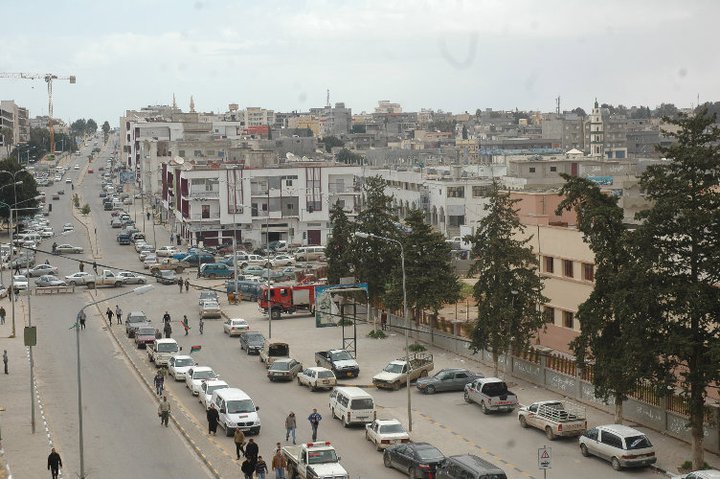
Modern Bayda continues to expand through investments in education, healthcare, transportation, and public infrastructure.
New residential areas, commercial districts, and community facilities support a growing population while improving quality of life. The city remains an important administrative and educational center within eastern Libya.
At the same time, Bayda continues to preserve its natural beauty and historical heritage.
Its balance between modernization and tradition makes it one of Libya’s most attractive urban centers.
Related artical : Best place to visit in Misrata