
Now Reading: Best place to visit in Beersheba
-
01
Best place to visit in Beersheba
Best place to visit in Beersheba

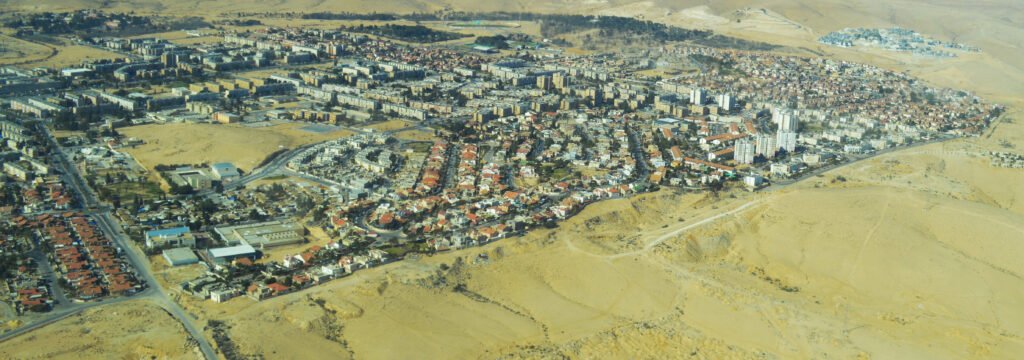
Beersheba is the largest city in southern Israel and serves as the economic, cultural, educational, and technological center of the Negev Desert. Often referred to as the “Capital of the Negev,” Beersheba combines thousands of years of history with cutting-edge innovation, making it one of Israel’s most fascinating destinations.
Located on the edge of the vast Negev Desert, Beersheba has been a crossroads of civilizations for over 4,000 years. The city is mentioned numerous times in biblical history and has played a significant role in the development of the region from ancient times to the modern era.
Today, Beersheba is known for its universities, high-tech industries, archaeological treasures, vibrant cultural scene, and strategic importance. Visitors can explore ancient ruins, museums, markets, parks, and modern innovation centers while discovering the unique character of Israel’s desert capital.
Whether you are interested in history, archaeology, culture, science, or desert landscapes, Beersheba offers an unforgettable travel experience.
History of Beersheba – A City of Ancient Wells and Biblical Heritage
The history of Beersheba dates back thousands of years and is deeply rooted in biblical traditions. According to the Hebrew Bible, the city was associated with the patriarchs Abraham, Isaac, and Jacob and served as an important settlement in ancient Israel.
The name “Beersheba” is commonly interpreted as “Well of the Oath” or “Well of Seven,” referring to agreements and wells mentioned in biblical accounts.
Throughout its long history, the city was influenced by numerous civilizations including the Canaanites, Israelites, Romans, Byzantines, Arabs, Ottomans, and British.
Modern Beersheba experienced significant growth following the establishment of the State of Israel in 1948 and has since developed into one of the country’s most important urban centers.
Its remarkable journey from an ancient desert settlement to a thriving modern metropolis makes Beersheba one of Israel’s most historically significant cities.
1. Tel Be’er Sheva National Park – A UNESCO World Heritage Site

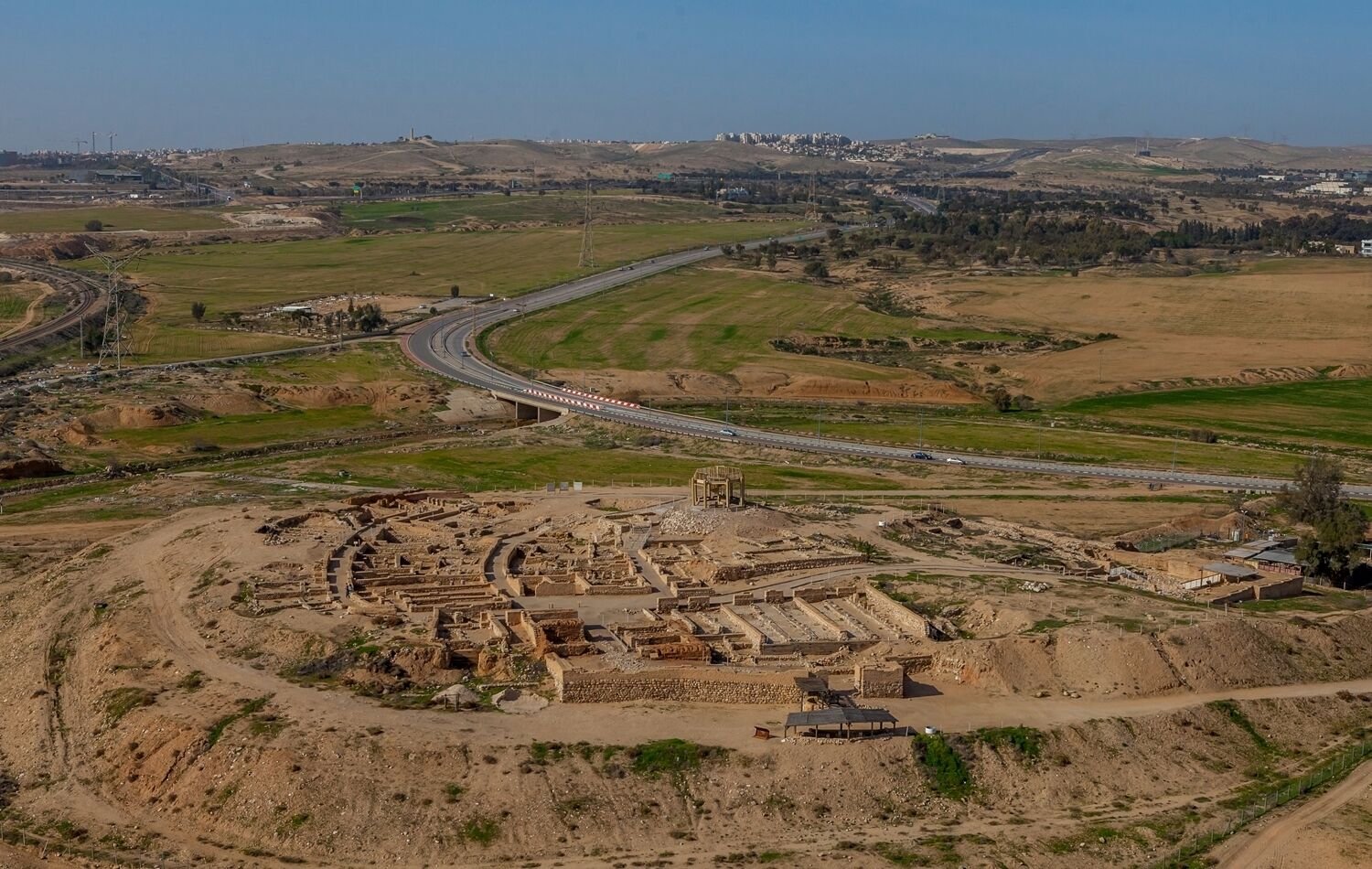
Tel Be’er Sheva National Park is one of Israel’s most important archaeological sites and a UNESCO World Heritage Site.
The ancient settlement contains remains dating back thousands of years, including sophisticated water systems, defensive walls, houses, administrative buildings, and religious structures.
Visitors can explore the reconstructed city gate, underground water reservoir, ancient streets, and archaeological discoveries that provide insight into life during biblical times.
The site is considered one of the best-preserved examples of an ancient Israelite city.
Its historical significance attracts archaeologists, historians, and travelers from around the world.
2. Abraham’s Well International Visitor Center

Abraham’s Well International Visitor Center celebrates the city’s biblical heritage and connection to the patriarch Abraham.
The center features multimedia presentations, archaeological exhibits, interactive displays, and educational programs that explore ancient desert life and biblical traditions.
Visitors can learn about the significance of wells in desert societies and the role Beersheba played in early regional history.
The attraction provides an engaging introduction to the city’s ancient roots.
It remains one of Beersheba’s most popular cultural destinations.
3. Beersheba Old City – The Historical Heart of the Negev

Beersheba Old City preserves much of the city’s Ottoman-era heritage and historical architecture.
The district features beautifully restored stone buildings, museums, cultural venues, galleries, cafés, and public spaces.
Visitors can stroll through historic streets while learning about Beersheba’s transformation during the Ottoman and British periods.
Many of the buildings now house cultural institutions that showcase the city’s rich history.
The Old City offers a fascinating blend of heritage and contemporary urban life.
4. Negev Museum of Art – The Cultural Center of Southern Israel

Negev Museum of Art is one of the leading art institutions in southern Israel.
Located within a beautifully restored Ottoman-era building, the museum hosts contemporary art exhibitions, cultural programs, and educational initiatives.
Visitors can explore works by Israeli and international artists while learning about artistic developments in the region.
The museum plays an important role in promoting creativity and cultural engagement.
Its exhibitions provide a unique perspective on modern artistic expression.
5. Turkish Railway Station Complex – A Glimpse into Ottoman History

Turkish Railway Station Complex is one of the city’s most significant historical landmarks.
Constructed during the early 20th century, the railway station played a crucial role in connecting the region to broader transportation networks.
Visitors can explore restored buildings, historical exhibits, vintage railway equipment, and educational displays.
The complex highlights the importance of transportation in the development of the Negev region.
Its preservation provides valuable insight into Beersheba’s Ottoman past.
6. Carasso Science Park – Innovation and Discovery

Carasso Science Park is one of Israel’s premier science and technology museums.
The park features interactive exhibits covering physics, engineering, robotics, astronomy, environmental science, and innovation.
Visitors of all ages can participate in hands-on experiments, educational workshops, and scientific demonstrations.
The attraction reflects Beersheba’s growing reputation as a center for research and technological development.
It remains one of the city’s most popular family destinations.
7. Ben-Gurion University of the Negev – A Hub of Knowledge and Innovation

Ben-Gurion University of the Negev is one of Israel’s leading academic institutions and a major driver of innovation in the region.
Named after Israel’s first Prime Minister, David Ben-Gurion, the university is internationally recognized for research in desert studies, medicine, engineering, cybersecurity, and environmental science.
Visitors can explore the campus, attend cultural events, and learn about groundbreaking scientific research.
The university has played a vital role in transforming Beersheba into a center of education and technology.
Its influence extends far beyond the Negev region.
8. Beersheba River Park – A Green Oasis in the Desert

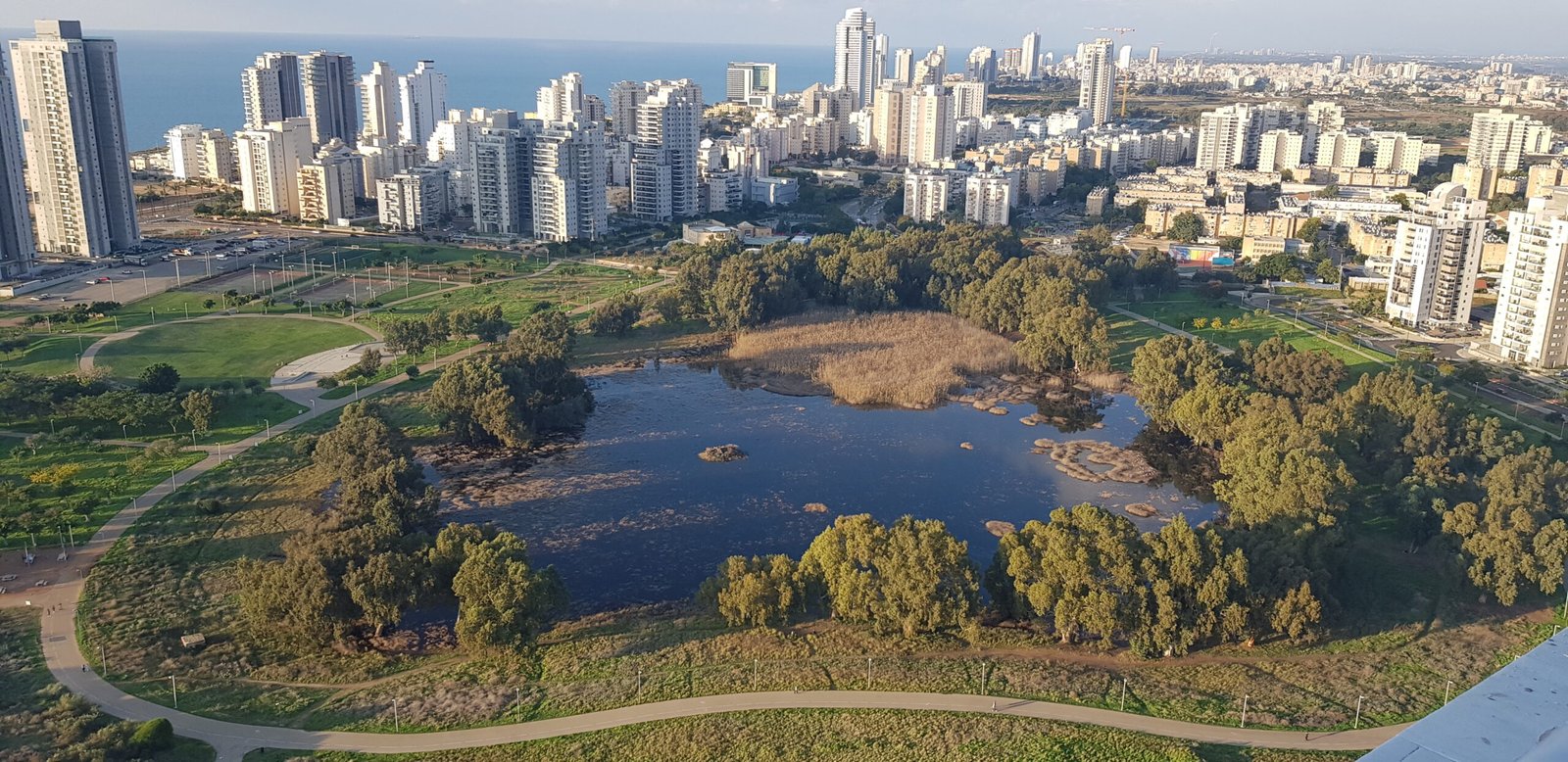
Beersheba River Park is one of the largest urban parks in Israel.
The park features walking trails, cycling paths, lakes, gardens, playgrounds, sports facilities, and recreational spaces.
Visitors can enjoy outdoor activities while experiencing a unique green environment within the desert landscape.
The park demonstrates innovative approaches to urban development and environmental sustainability.
Its expansive design makes it a favorite destination for families and outdoor enthusiasts.
9. ANZAC Memorial Centre – Honoring World War I History

ANZAC Memorial Centre commemorates the historic Battle of Beersheba during World War I.
The battle, fought in 1917, is remembered for the famous mounted charge conducted by Australian and New Zealand cavalry forces.
Visitors can learn about the military campaign through multimedia exhibits, artifacts, historical documents, and interactive presentations.
The center highlights an important chapter in both regional and international history.
It serves as a place of remembrance and education.
10. Food, Culture, and Modern Life in Beersheba

Beersheba offers a vibrant culinary and cultural scene shaped by its diverse population. Visitors can enjoy Middle Eastern cuisine, Mediterranean dishes, traditional Bedouin food, fresh markets, international restaurants, and modern cafés.
The city hosts festivals, concerts, art exhibitions, cultural events, academic conferences, and community celebrations throughout the year.
Its youthful population, driven by students and professionals, contributes to a lively atmosphere and growing nightlife scene.
The combination of tradition, innovation, and multicultural influences creates a unique urban experience.
Related artical : Best place to visit in Netanya