
Now Reading: Best place to visit in Brescia
-
01
Best place to visit in Brescia
Best place to visit in Brescia

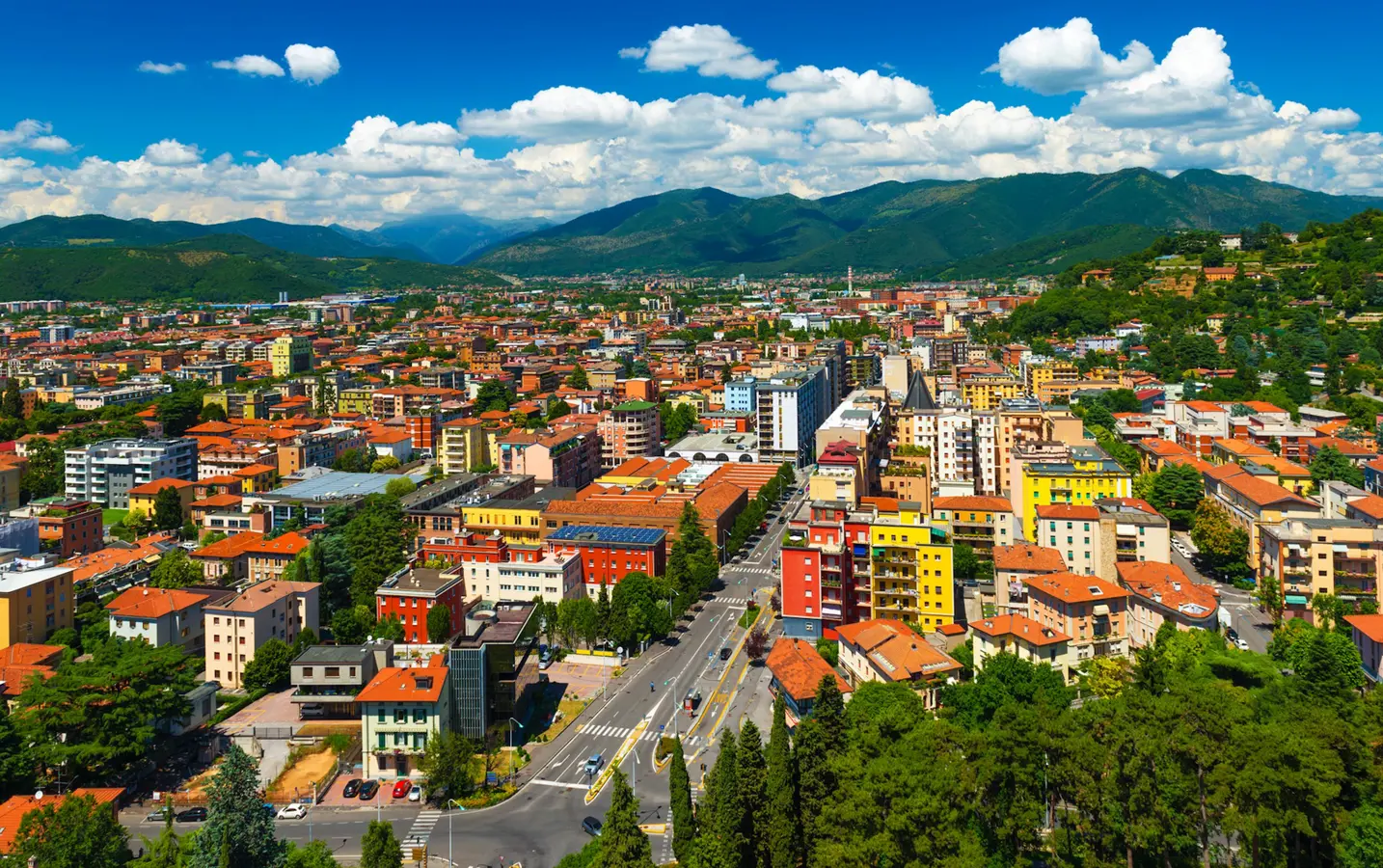
Brescia is one of northern Italy’s most historic and culturally rich cities. Located in the Lombardy region between Milan and Lake Garda, Brescia is often overlooked by international tourists, yet it offers an extraordinary combination of ancient Roman ruins, medieval castles, Renaissance architecture, museums, beautiful squares, and vibrant Italian culture.
Founded more than 3,200 years ago, Brescia has witnessed the rise and fall of numerous civilizations, including the Romans, Lombards, Venetians, and Austrians. Throughout its history, the city became an important political, military, and commercial center in northern Italy.
Today, Brescia is recognized as a UNESCO World Heritage destination and is admired for its remarkably preserved historical monuments, elegant streets, and authentic Italian atmosphere. Visitors can explore thousands of years of history while enjoying excellent food, art, and architecture.
Whether you are interested in archaeology, history, culture, religion, or local Italian life, Brescia offers a rewarding travel experience far from the crowds of Italy’s more famous destinations.
1. Brescia Castle – The City’s Most Famous Landmark

Brescia Castle stands proudly atop Cidneo Hill and dominates the city’s skyline.
Dating back to medieval times, the fortress has served as a military stronghold for centuries and offers some of the most spectacular views in Lombardy. The castle’s strategic location allowed rulers to defend the city and monitor surrounding territories.
Visitors can explore ancient walls, towers, courtyards, museums, and scenic viewpoints overlooking Brescia and the surrounding countryside.
The castle complex also houses museums dedicated to military history and weaponry.
Its combination of history, architecture, and panoramic scenery makes it one of Brescia’s most important attractions.
2. Piazza della Loggia – The Elegant Heart of Brescia

Piazza della Loggia is one of the most beautiful Renaissance squares in northern Italy.
Constructed during the Venetian period, the square is surrounded by elegant palaces, historic arcades, cafés, and government buildings.
At its center stands the magnificent Loggia Palace, which reflects Venice’s influence on Brescia’s architecture and urban development.
Visitors can enjoy the lively atmosphere, admire historical buildings, and experience daily life in the city.
The square remains an important center for cultural events, celebrations, and public gatherings.
3. Capitolium Archaeological Park – Discover Ancient Roman Brescia

Capitolium of Brixia is one of the most significant Roman archaeological sites in northern Italy.
Built during the Roman Empire, the Capitolium served as the city’s main religious temple and was dedicated to Jupiter, Juno, and Minerva.
Visitors can explore ancient temples, Roman roads, ruins, inscriptions, and archaeological remains that reveal the city’s importance during Roman times.
The site provides a fascinating glimpse into daily life in ancient Brixia, the Roman name for Brescia.
Its historical value has earned UNESCO World Heritage recognition.
4. Roman Theatre – A Monument from Ancient Times

Roman Theatre of Brescia stands adjacent to the Capitolium and is one of the largest Roman theaters in northern Italy.
Constructed during the 1st century AD, the theater once hosted dramatic performances, music, and public events attended by thousands of spectators.
Although partially preserved, visitors can still appreciate its impressive size and engineering.
The monument demonstrates the prosperity and cultural sophistication of Roman Brescia.
It remains one of the city’s most valuable archaeological treasures.
5. Santa Giulia Museum – A UNESCO World Heritage Treasure

Santa Giulia Museum is one of Italy’s most important museums.
Located within a former Benedictine monastery, the museum showcases over 3,000 years of Brescia’s history through archaeological artifacts, religious treasures, artworks, manuscripts, and historical exhibits.
Visitors can explore Roman ruins, medieval churches, Lombard monuments, and fascinating collections that tell the story of the city.
The museum forms part of a UNESCO World Heritage Site celebrating Lombard heritage.
Its collections provide one of the most comprehensive historical experiences in northern Italy.
6. Duomo Vecchio – Brescia’s Unique Round Cathedral

Duomo Vecchio is one of the city’s most unusual architectural landmarks.
Built between the 11th and 12th centuries, the cathedral is notable for its circular design, which is rare in Italian religious architecture.
Visitors can admire Romanesque stonework, historical chapels, religious artwork, and centuries-old architectural features.
The cathedral’s unique appearance and historical importance make it one of Brescia’s most fascinating religious monuments.
It stands as a remarkable example of medieval architecture.
7. Duomo Nuovo – Brescia’s Magnificent Cathedral

Duomo Nuovo is the city’s principal cathedral and one of the largest churches in Lombardy.
Construction lasted for more than two centuries, resulting in a stunning blend of Baroque and Neoclassical architectural styles.
Visitors can admire the cathedral’s enormous dome, beautiful chapels, impressive artwork, and richly decorated interiors.
The church remains an important center of religious life in Brescia.
Its grandeur makes it one of the city’s most recognizable landmarks.
8. Piazza Paolo VI – The Spiritual Center of Brescia

Piazza Paolo VI is one of the city’s most important public spaces.
The square is surrounded by historic buildings, including both cathedrals, episcopal palaces, and important civic monuments.
Visitors can admire centuries of architectural development while enjoying the atmosphere of one of Brescia’s oldest urban spaces.
The square beautifully reflects the city’s religious and cultural heritage.
It serves as a focal point for festivals, ceremonies, and public events.
9. Lake Garda Excursions – Nature and Beauty Near Brescia

One of Brescia’s greatest advantages is its proximity to Lake Garda, Italy’s largest and most famous lake.
Visitors staying in Brescia can easily explore picturesque lakeside towns, beaches, castles, vineyards, and scenic landscapes.
Popular destinations include Sirmione, known for its medieval castle and thermal springs.
The combination of urban history and nearby natural beauty makes Brescia an excellent base for exploring northern Italy.
Many travelers combine visits to Brescia with excursions around Lake Garda.
10. Brescia’s Culinary Traditions – Authentic Flavors of Lombardy

Brescia offers visitors a rich culinary heritage deeply rooted in Lombard traditions.
Local cuisine features fresh pasta, risottos, polenta, cheeses, cured meats, olive oil, and regional wines produced throughout the surrounding countryside.
Traditional restaurants serve recipes that have been passed down for generations, providing an authentic taste of northern Italy.
Visitors can enjoy local specialties while exploring markets, cafés, wineries, and family-owned eateries throughout the city.
Food lovers will discover that Brescia’s cuisine is every bit as impressive as its historical attractions.
The region’s gastronomy remains an essential part of the travel experience.
Related artical : Best place to visit in Taranto