
Now Reading: Best place to visit in Gao
-
01
Best place to visit in Gao
Best place to visit in Gao
Gao is one of Mali’s oldest and most historically significant cities, situated along the banks of the Niger River in the country’s northeastern region. Once the capital of the powerful Songhai Empire, Gao flourished as one of West Africa’s greatest centers of trade, Islamic scholarship, and culture during the 15th and 16th centuries. Today, the city attracts visitors with its remarkable historical monuments, ancient tombs, vibrant riverside atmosphere, traditional markets, and unique Saharan landscapes. Rich in history and cultural heritage, Gao offers travelers an unforgettable opportunity to explore one of Africa’s most influential medieval cities.
Below are the top tourist attractions to visit in Gao.
1. Tomb of Askia

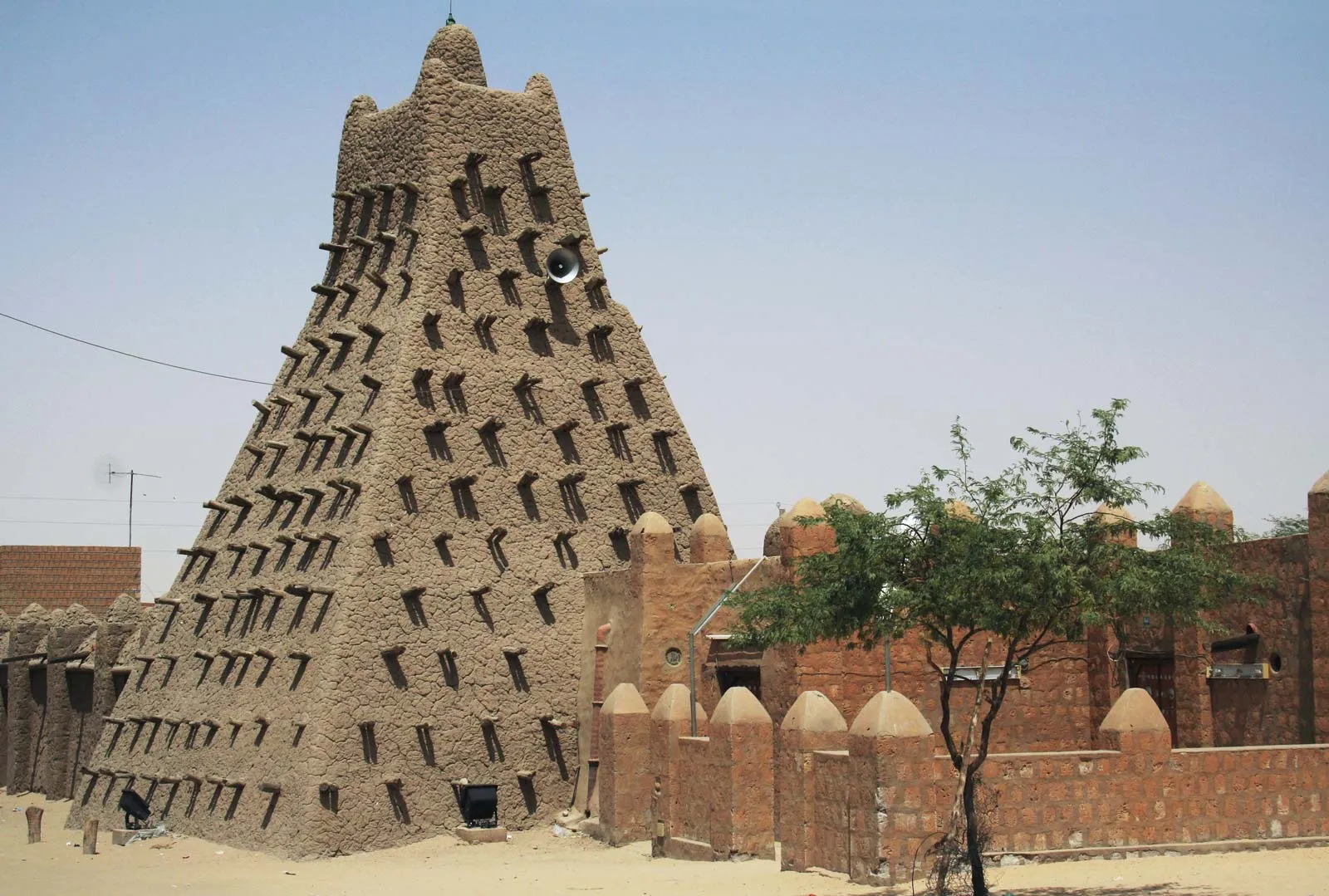
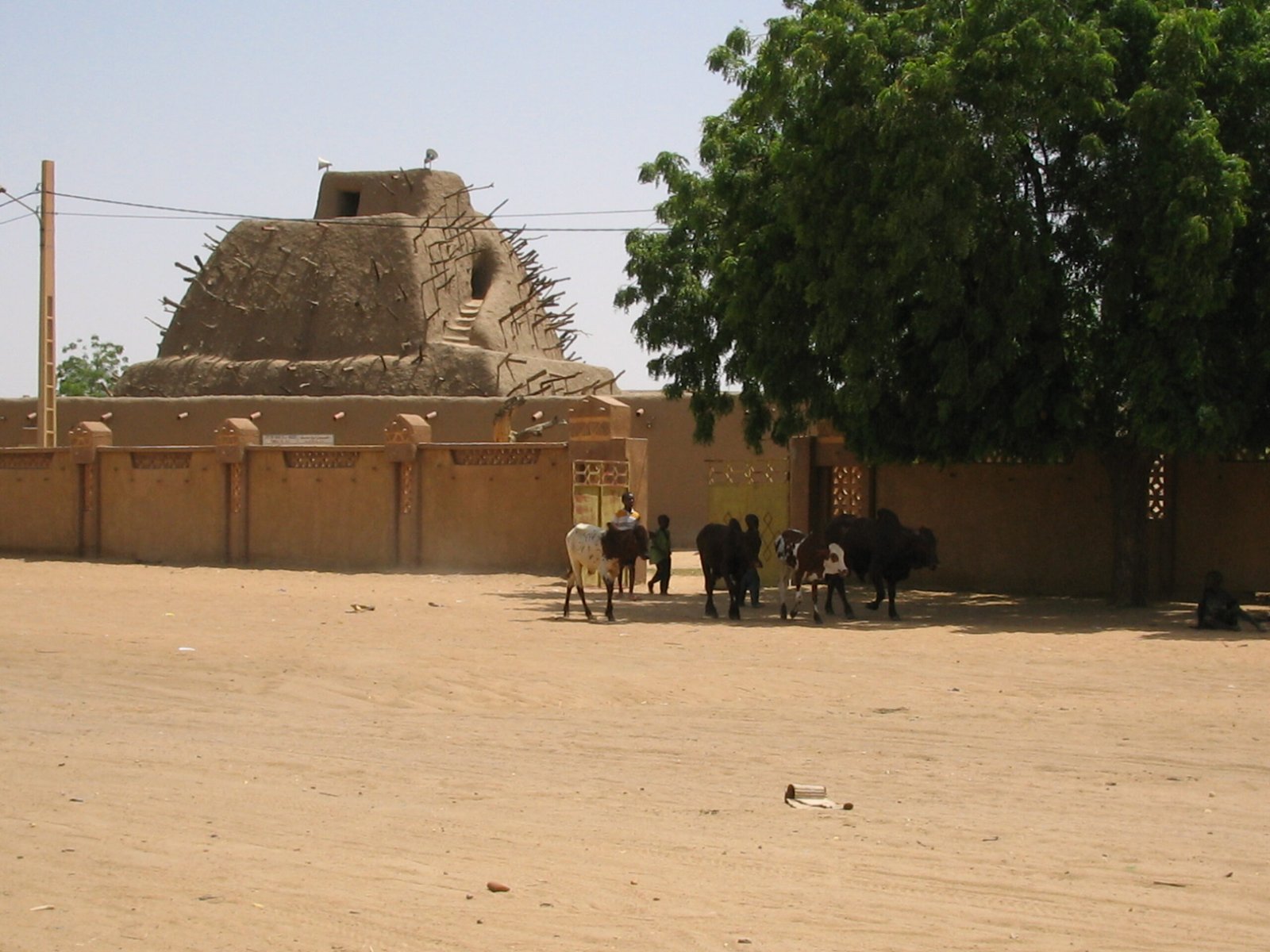
The Tomb of Askia is Gao’s most famous landmark and one of the most important historical monuments in West Africa. Built in 1495 by Emperor Askia Mohammad I after his pilgrimage to Mecca, the structure is recognized as a UNESCO World Heritage Site and represents one of the finest examples of Sudano-Sahelian architecture. Constructed primarily from mud brick, the pyramid-shaped tomb, mosque, and surrounding cemetery remain an active religious and cultural center.
Visitors can admire the monument’s impressive architecture, learn about the powerful Songhai Empire, and discover the remarkable legacy of one of Africa’s greatest rulers. The Tomb of Askia stands as a symbol of Mali’s rich Islamic heritage and medieval history.
Explore a UNESCO World Heritage Site
Visitors can experience one of Africa’s most significant historical monuments while learning about the rise of the Songhai Empire and its influence across West Africa.
2. Gao Grand Mosque

The Gao Grand Mosque is one of the city’s most important religious landmarks. Featuring traditional Sudano-Sahelian architecture with distinctive mud-brick construction and wooden beams, the mosque reflects centuries of Islamic architectural traditions.
Visitors admire its impressive exterior while learning about Gao’s role as a major center of Islamic scholarship during the height of the Songhai Empire.
Discover Islamic Heritage
The mosque offers visitors a fascinating insight into the religious traditions and architectural heritage that have shaped Gao for centuries.
3. Niger River Waterfront

The Niger River Waterfront is one of Gao’s most scenic attractions and has served as a center of trade and transportation for centuries. Traditional wooden boats continue to transport people and goods along the river, preserving a way of life that dates back hundreds of years.
Visitors can enjoy peaceful riverside walks, observe local fishermen, take photographs of colorful boats, and watch spectacular sunsets over the Niger River.
Experience Traditional River Life
The waterfront provides an authentic glimpse into Gao’s daily life while showcasing the importance of the Niger River to the region’s economy and culture.
4. Gao Grand Market

Gao Grand Market is a bustling commercial center where traders from across northern Mali gather to sell textiles, spices, leather goods, jewelry, pottery, traditional clothing, and handcrafted souvenirs.
The lively market offers visitors an authentic shopping experience and an opportunity to experience the rich cultural diversity of the region.
Discover Traditional Crafts
Visitors can browse locally made products, interact with artisans, and purchase authentic souvenirs representing the traditions of the Songhai, Tuareg, and Fulani communities.
5. Songhai Historical Site

The Songhai Historical Site preserves the legacy of one of Africa’s greatest empires. Visitors can learn about the rise of the Songhai Empire, its rulers, trading networks, educational achievements, and influence throughout West Africa.
Learn About the Songhai Empire
The site provides valuable insight into one of the continent’s most remarkable civilizations and its lasting cultural impact.
6. La Dune Rose

La Dune Rose, or the Pink Sand Dune, is one of the most beautiful natural attractions near Gao. The dune is especially striking during sunrise and sunset when its sands take on soft pink and golden hues.
Experience the Sahara Desert
Visitors can enjoy camel rides, desert photography, and breathtaking panoramic views of the surrounding Sahara landscape.
7. Gao Cultural Center

The Gao Cultural Center celebrates the region’s diverse cultural heritage through music, dance, storytelling, exhibitions, and educational programs.
Discover Local Traditions
Visitors can experience traditional performances and gain a deeper understanding of the customs and artistic heritage of northern Mali.
8. Traditional Tuareg Craft Market
This traditional craft market is famous for handmade silver jewelry, leather goods, swords, woven textiles, camel saddles, and decorative items created by Tuareg artisans
Shop Authentic Saharan Handicrafts
Visitors can meet local craftsmen and purchase unique handmade souvenirs reflecting centuries of Saharan craftsmanship.
9. Niger River Ferry Crossing

The ferry crossing remains an important transportation link connecting communities across the Niger River. Watching traditional ferries transport passengers, livestock, and goods provides visitors with an authentic view of everyday life in Gao.
Observe Local Transportation
Visitors can experience traditional river travel while enjoying scenic views of the Niger River and surrounding landscapes.
10. Sahara Desert Excursions

Gao serves as an important gateway to the Sahara Desert, offering unforgettable excursions into vast sand dunes, rocky plateaus, and remote desert landscapes. Guided tours often include camel trekking, camping under the stars, and opportunities to experience the traditions of nomadic communities.
Explore the World’s Largest Desert
Visitors can enjoy breathtaking desert scenery, spectacular sunsets, traditional Tuareg hospitality, and one of Mali’s most memorable adventure experiences.
Related artical : Best place to visit in Kayes