
Now Reading: Best place to visit in Gharyan
-
01
Best place to visit in Gharyan
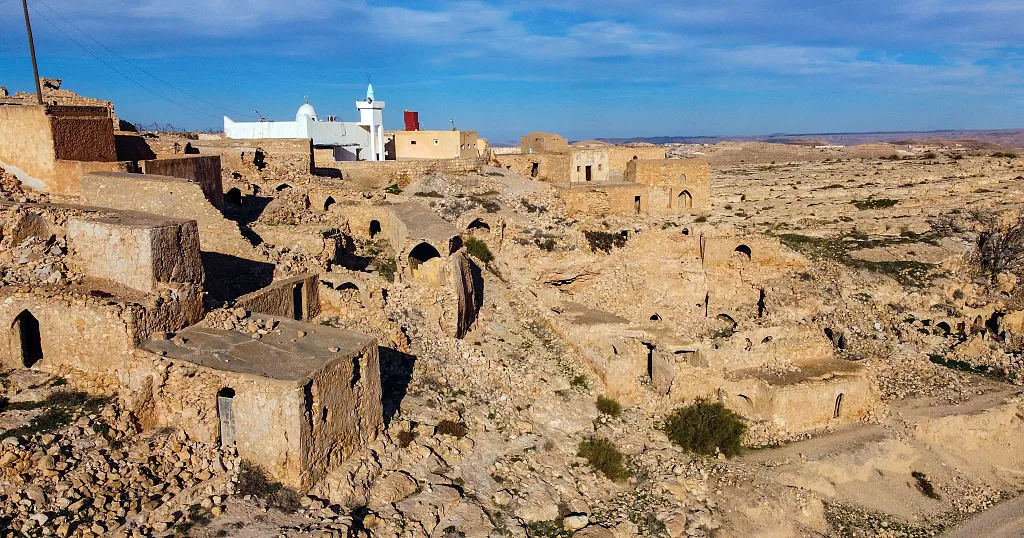
Best place to visit in Gharyan

Introduction
Gharyan is one of Libya’s most fascinating mountain cities, located approximately 80 kilometers south of Tripoli in the heart of the Nafusa Mountains. Known for its unique underground architecture, rich Berber heritage, scenic mountain landscapes, and historical significance, Gharyan has long served as an important cultural and commercial center connecting Libya’s coastal regions with the interior desert.
Unlike many Libyan cities situated on coastal plains, Gharyan enjoys a higher elevation that provides a cooler climate and breathtaking views of surrounding valleys and mountain ranges. For centuries, the city has attracted traders, travelers, scholars, and settlers who contributed to its rich cultural identity. Today, Gharyan remains famous for its traditional troglodyte homes, pottery craftsmanship, olive groves, and historical landmarks.
Visitors to Gharyan discover a city where ancient traditions, natural beauty, and modern life coexist in one of Libya’s most distinctive destinations.
History of Gharyan
The history of Gharyan dates back many centuries and is closely connected to the indigenous Amazigh People communities of the Nafusa Mountains. The region’s elevated terrain provided natural protection and favorable conditions for agriculture, making it an attractive location for settlement.
Throughout history, Gharyan served as a strategic stop along trade routes linking Tripoli with southern Libya and the Sahara. Merchants transporting goods such as textiles, spices, livestock, and agricultural products passed through the city, contributing to economic growth and cultural exchange.
During the Ottoman period, Gharyan gained increased importance as an administrative and commercial center. The city also played a role in Libya’s resistance movements during the early twentieth century and became associated with several important historical events.
Today, Gharyan preserves many elements of its traditional character while continuing to develop as a regional center for education, agriculture, and tourism.
1. Troglodyte Underground Houses

The Most Famous Attraction of Gharyan
One of Gharyan’s most remarkable features is its traditional troglodyte houses, which were built underground to provide protection from extreme temperatures.
These unique homes consist of large central courtyards excavated into the earth, surrounded by rooms carved into the surrounding walls. The underground design helps maintain comfortable temperatures throughout the year, keeping interiors cool during hot summers and warm during winter.
For generations, families lived in these remarkable structures, which reflect extraordinary engineering skill and adaptation to environmental conditions.
Today, the troglodyte homes remain among Libya’s most famous architectural treasures and attract visitors interested in history, culture, and traditional building techniques.
2. Nafusa Mountains

Spectacular Mountain Landscapes
The Nafusa Mountains surrounding Gharyan offer some of the most breathtaking scenery in the country.
Rolling hills, deep valleys, rocky cliffs, and elevated viewpoints provide stunning panoramic views of northwestern Libya. The mountains have historically served as natural fortifications and continue to support agricultural activities and rural communities.
Visitors can enjoy hiking, photography, and scenic drives through landscapes that showcase a side of Libya rarely seen by international travelers.
The mountains remain one of Gharyan’s greatest natural attractions.
3. Gharyan Pottery Market

A Legacy of Artistic Craftsmanship
Gharyan has long been famous for its pottery industry and is often regarded as Libya’s pottery capital.
Local artisans produce beautiful ceramic products using techniques passed down through generations. Decorative vases, household items, traditional cookware, and artistic pieces showcase the creativity and skill of local craftsmen.
The pottery markets provide visitors with opportunities to observe artisans at work and purchase authentic handmade products.
This centuries-old tradition remains an important part of the city’s cultural identity and economy.
4. Qasr Al-Haj

A Masterpiece of Traditional Architecture
Located near Gharyan, Qasr Al-Haj is one of the most impressive examples of traditional Berber architecture in North Africa.
Built centuries ago, the circular structure served as a fortified communal granary where local families stored grain and valuable goods. The building contains numerous storage chambers arranged around a central courtyard.
Its unique design reflects the ingenuity of local communities and their ability to adapt to environmental and security challenges.
Visitors often consider Qasr Al-Haj one of Libya’s most remarkable historical landmarks.
5. Olive Groves and Agricultural Landscapes
The Agricultural Heart of the Mountains
The fertile lands surrounding Gharyan support extensive olive cultivation and agricultural production.
Farmers grow olives, figs, almonds, grapes, and various vegetables that contribute to local food supplies and economic activity. The cooler mountain climate and fertile soils make the region particularly suitable for agriculture.
Visitors can explore picturesque rural landscapes while learning about traditional farming methods that have sustained communities for generations.
Agriculture remains an essential component of life in Gharyan.
6. Gharyan Old Town

Preserving Historical Identity
The historic districts of Gharyan provide insight into the city’s cultural and architectural heritage.
Traditional homes, narrow streets, marketplaces, and community gathering spaces reflect centuries of urban development. Many structures preserve elements of Amazigh and Arab architectural traditions that continue to influence local identity.
Walking through the old town offers visitors an opportunity to experience the atmosphere of a traditional Libyan mountain city.
The district remains an important symbol of Gharyan’s historical character.
7. Mountain Viewpoints and Scenic Overlooks

Panoramic Views Across Northwestern Libya
The elevated terrain surrounding Gharyan provides spectacular viewpoints overlooking valleys, agricultural lands, and distant desert landscapes.
Visitors often stop at scenic overlooks to admire sunrise and sunset views that transform the mountains into vibrant displays of color. The panoramic scenery highlights the dramatic geography of the Nafusa region.
Photography enthusiasts particularly appreciate these locations for their natural beauty and expansive vistas.
The viewpoints offer some of the finest scenery in Libya.
8. Traditional Amazigh Heritage

Celebrating Indigenous Traditions
The cultural heritage of the Amazigh People remains an important part of life in Gharyan and the Nafusa Mountains.
Traditional music, crafts, storytelling, language, and festivals continue to preserve the region’s unique identity. Generations of Amazigh communities have contributed to the development of local customs and cultural practices.
Visitors interested in cultural exploration can gain valuable insight into one of North Africa’s oldest living traditions.
The preservation of Amazigh heritage remains a source of pride throughout the region.
9. Desert Gateway Routes
Connecting the Coast and the Sahara
Historically, Gharyan served as an important gateway connecting coastal Libya with the Sahara Desert.
Merchants traveling between Tripoli and southern Libya passed through the city while transporting goods and exchanging ideas. These routes helped establish Gharyan as a center of commerce and communication.
Visitors can learn about the historical importance of transportation networks that linked diverse regions across North Africa.
The city’s strategic location contributed significantly to its development.
10. Modern Gharyan

Growth While Preserving Tradition
Modern Gharyan continues to develop through investments in education, healthcare, transportation, and public infrastructure. New residential areas, schools, and commercial centers support a growing population while improving quality of life.
Despite modernization, local communities remain committed to preserving historical landmarks, traditional crafts, and cultural heritage. This balance between development and conservation helps maintain the city’s unique identity.
Gharyan’s future reflects both progress and respect for the traditions that have shaped its history.
The city remains one of Libya’s most distinctive and culturally rich destinations.
Related artical : Best place to visit in Derna