
Now Reading: Best place to visit in Kėdainiai
-
01
Best place to visit in Kėdainiai
Best place to visit in Kėdainiai

Introduction
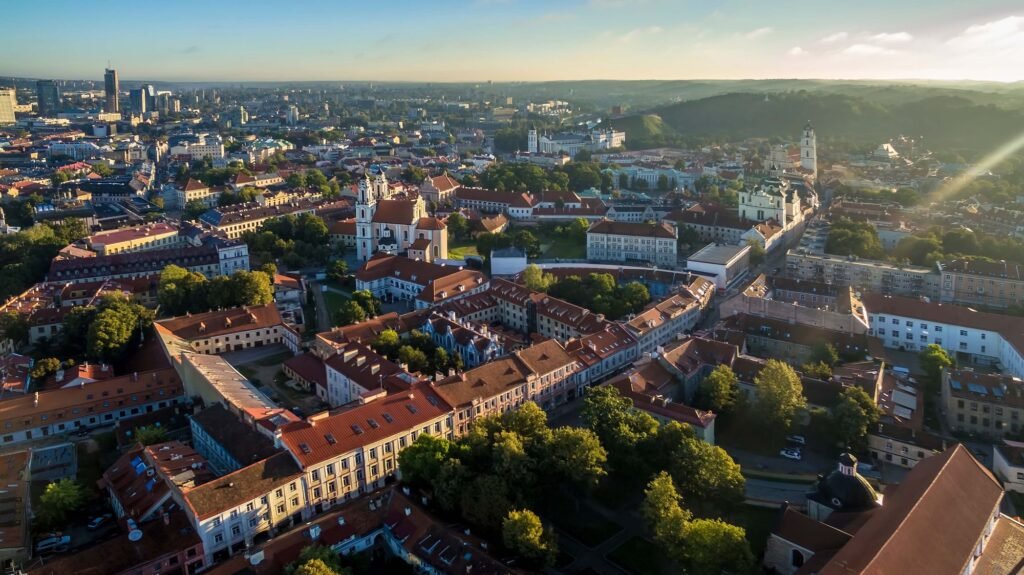
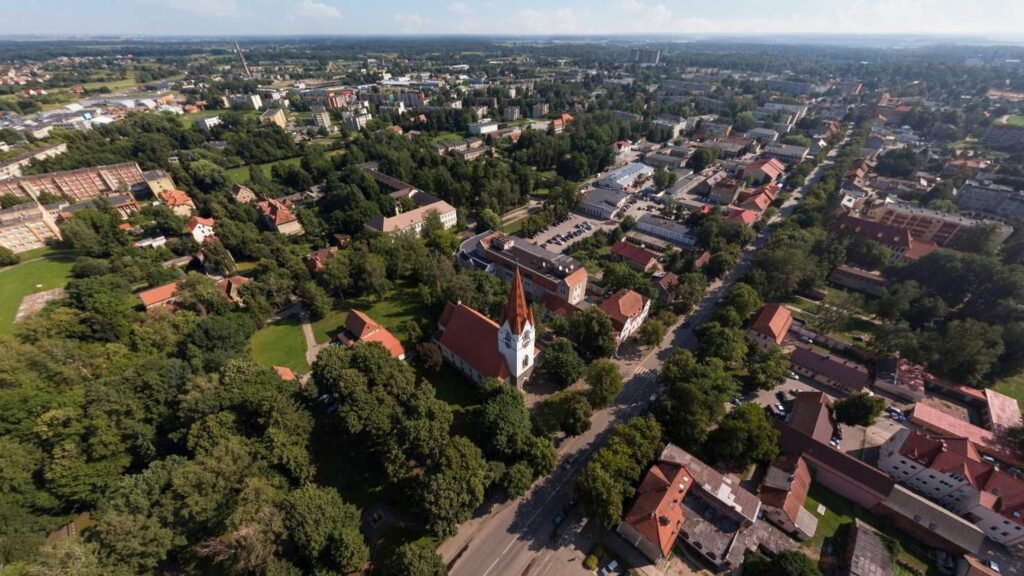
Kėdainiai is one of the oldest and most historically significant cities in Lithuania. Situated along the picturesque Nevėžis River in central Lithuania, Kėdainiai is renowned for its exceptionally preserved Old Town, multicultural heritage, unique architecture, and centuries of rich history. Unlike many Lithuanian cities, Kėdainiai developed as a meeting point for various cultures, religions, and ethnic communities, creating a distinctive identity that remains visible today.
The city is often regarded as one of Lithuania’s architectural treasures. Its charming cobblestone streets, Renaissance and Baroque buildings, historic churches, synagogues, and merchant houses provide visitors with a fascinating journey through the past. The historical center of Kėdainiai is among the best-preserved old towns in the country and remains one of its most valuable cultural landmarks.
In addition to its historical attractions, Kėdainiai offers beautiful parks, cultural institutions, scenic riverside landscapes, and a welcoming atmosphere. Visitors can explore centuries of heritage while enjoying the relaxed pace of life that characterizes this remarkable city.
Today, Kėdainiai stands as a proud symbol of Lithuania’s multicultural history and architectural legacy.
History of Kėdainiai
The origins of Kėdainiai date back to the 14th century when it emerged as an important settlement along regional trade routes. Due to its strategic location, the city quickly developed into a significant commercial center within the Grand Duchy of Lithuania.
During the 16th and 17th centuries, Kėdainiai experienced a golden age under the patronage of the influential Radziwiłł Family. The city became known for its religious tolerance and attracted diverse communities including Lithuanians, Scots, Germans, Jews, and Poles.
This multicultural environment contributed to the city’s economic prosperity and cultural richness. Many of the architectural landmarks that survive today were constructed during this period.
Despite wars, occupations, and political changes, Kėdainiai preserved much of its historical character and remains one of Lithuania’s most important heritage destinations.
1. Kėdainiai Old Town
One of Lithuania’s Best-Preserved Historic Centers
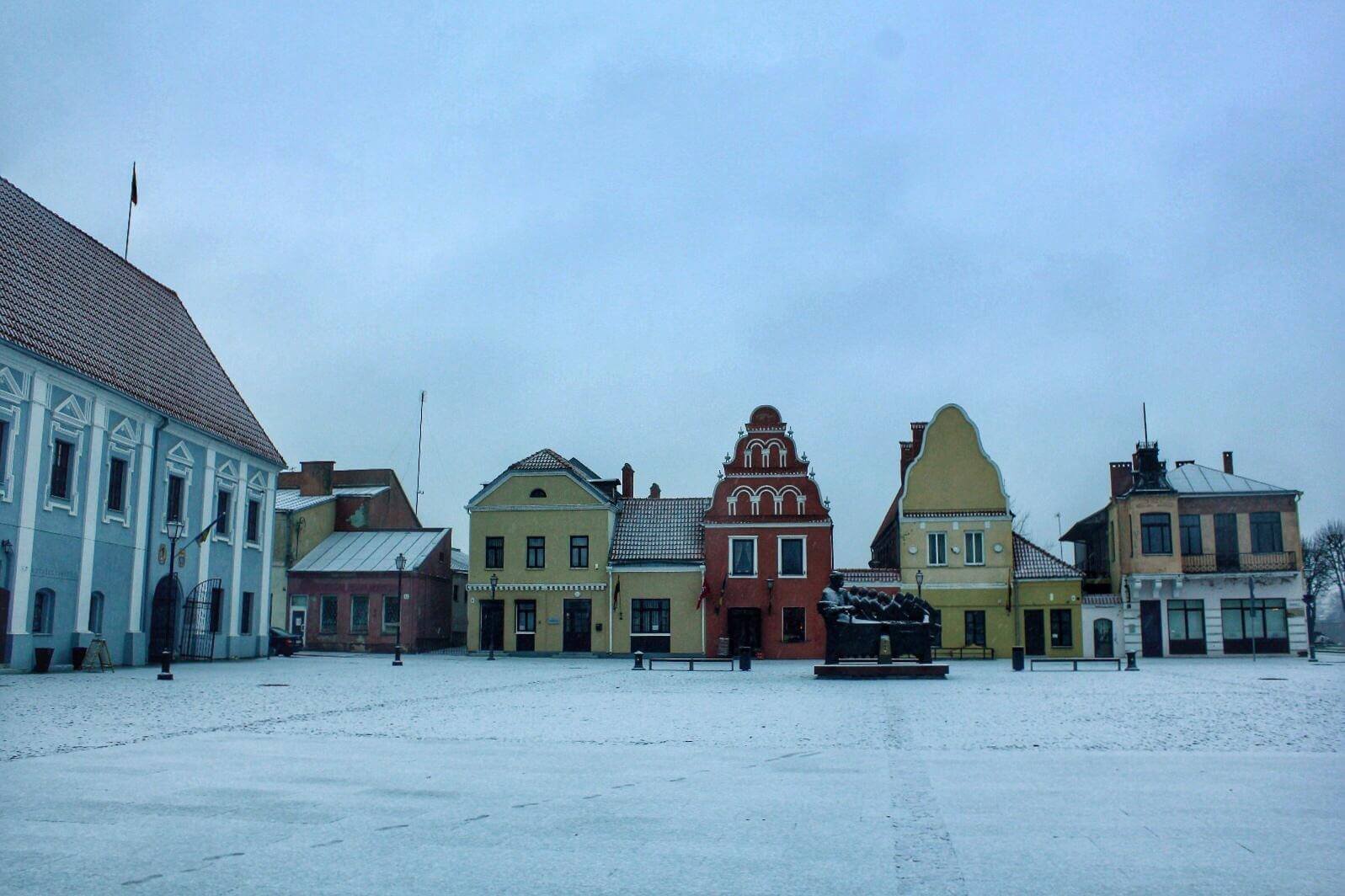
The Kėdainiai Old Town is among the most impressive historical districts in Lithuania.
Visitors can wander through cobbled streets lined with beautifully preserved Renaissance, Gothic, and Baroque buildings. Historic merchant houses, churches, public squares, and courtyards create an atmosphere that reflects centuries of cultural development.
The Old Town serves as the heart of the city’s tourism and cultural life.
Every corner reveals another chapter of Kėdainiai’s fascinating past.
2. Town Hall Square
The Historic Heart of Civic Life
The beautiful Town Hall Square has served as the center of community life for centuries.
Surrounded by historic buildings and architectural landmarks, the square hosts cultural events, festivals, markets, and public celebrations throughout the year.
Visitors enjoy its charming atmosphere and historical significance.
The square remains one of the city’s most important gathering places.
3. Evangelical Reformed Church

A Monument to Religious Tolerance
The Evangelical Reformed Church is one of the most important historical and religious landmarks in the city.
Built during the 17th century, the church reflects the influence of Protestant communities that flourished in Kėdainiai during its golden age.
Its elegant architecture and historical significance attract visitors interested in both religion and history.
The church remains a symbol of the city’s multicultural heritage.
4. Radziwiłł Mausoleum
Resting Place of a Powerful Dynasty
The Radziwiłł Mausoleum is one of Lithuania’s most significant noble burial sites.
Located beneath the Evangelical Reformed Church, the mausoleum contains the remains of members of the influential Radziwiłł family, who played a crucial role in Lithuanian political and cultural history.
Visitors gain insight into the lives and legacy of one of Eastern Europe’s most powerful noble dynasties.
The site remains a major historical attraction.
5. Kėdainiai Synagogues Complex

Preserving Jewish Heritage
The Kėdainiai Synagogues Complex reflects the important role of the Jewish community in the city’s history.
The complex includes several historic synagogue buildings that have been restored and adapted for cultural and educational purposes.
Visitors can learn about the rich traditions, contributions, and experiences of Kėdainiai’s Jewish population.
The site stands as a testament to the city’s multicultural character.
6. Nevėžis River Promenade

A Scenic Riverside Escape
The Nevėžis River Promenade offers beautiful walking routes along one of Lithuania’s most important rivers.
Visitors can enjoy peaceful views of the river, bridges, parks, and historic landmarks while exploring the city’s natural surroundings.
The promenade provides opportunities for recreation, photography, and relaxation.
It remains one of Kėdainiai’s most attractive public spaces.
7. St. George Church

One of Lithuania’s Oldest Churches
The St. George Church is one of the oldest surviving churches in the region.
Featuring Gothic architectural elements and centuries of history, the church remains an important symbol of the city’s religious and cultural development.
Visitors admire its historical atmosphere and architectural beauty.
The church continues to serve the local community today.
8. Janina Monkutė-Marks Museum Gallery

Celebrating Modern Art
The Janina Monkutė-Marks Museum Gallery showcases contemporary art and cultural creativity.
Its exhibitions feature works by Lithuanian and international artists, offering visitors a modern perspective within a historic city.
The museum contributes significantly to Kėdainiai’s cultural life.
Art enthusiasts often consider it one of the city’s hidden treasures.
9. Kėdainiai Regional Museum
Understanding the City’s Past
The Kėdainiai Regional Museum provides a comprehensive overview of local history and culture.
Its collections include archaeological artifacts, historical documents, ethnographic exhibits, and displays illustrating the development of the city over centuries.
Visitors gain valuable insight into the people and events that shaped Kėdainiai.
The museum remains a vital educational institution.
10. Knypava Market Square
A Reminder of Commercial Prosperity
The historic Knypava Market Square reflects the city’s importance as a trading center during the Renaissance and Baroque periods.
Merchants from different countries once gathered here to exchange goods, ideas, and cultural influences.
Today, visitors can explore the area while learning about Kėdainiai’s commercial heritage.
The square remains an important part of the city’s historical landscape.
Related artical :Best place to visit in Utena