
Now Reading: Best place to visit in Kita
-
01
Best place to visit in Kita
Best place to visit in Kita
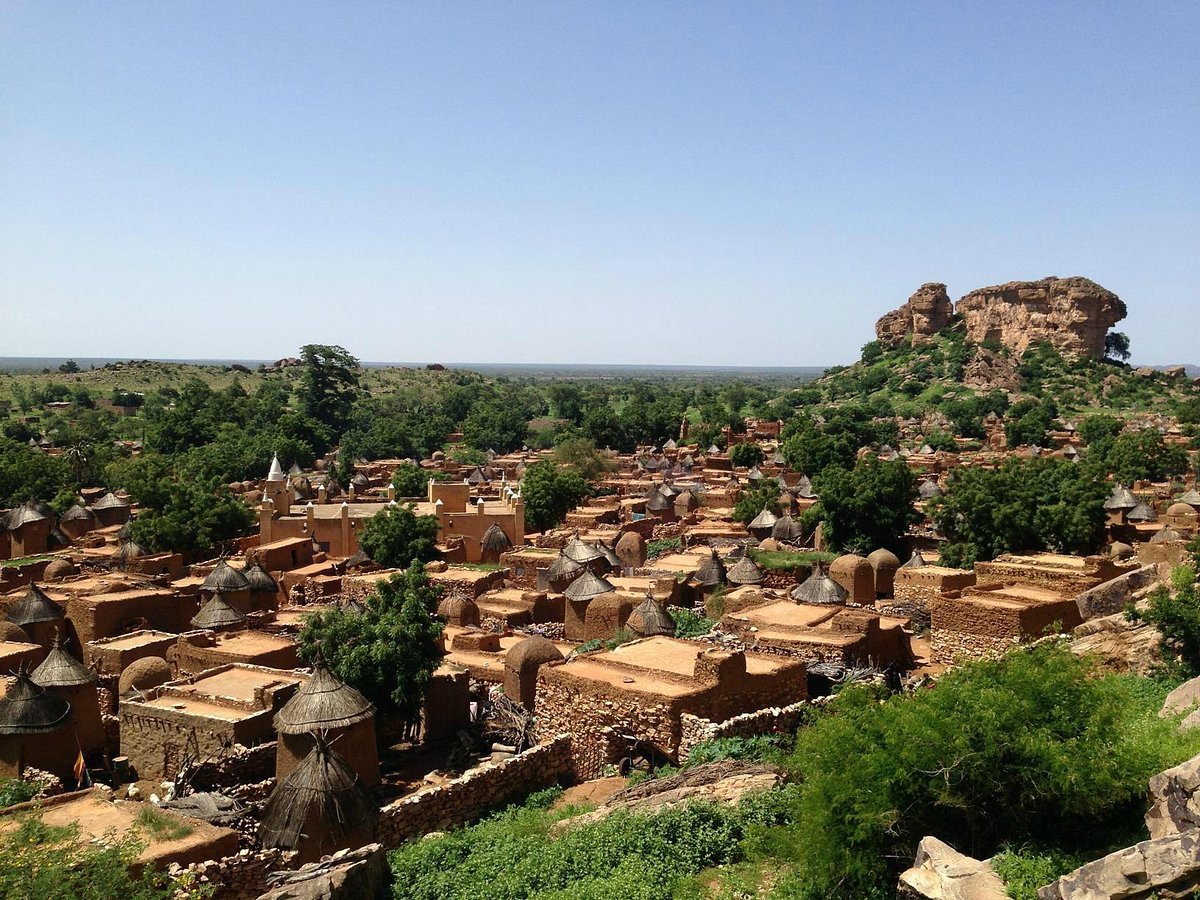
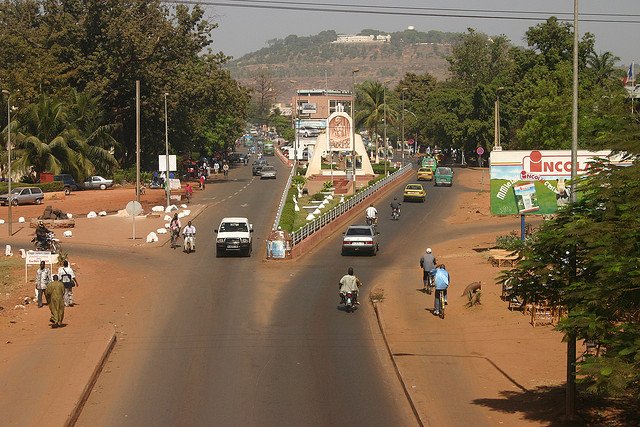
Kita is a historic town in western Mali, located in the Kayes Region and surrounded by rolling hills, rocky landscapes, fertile farmland, and traditional villages. Often referred to as the “Peanut Capital of Mali,” Kita is known for its agricultural importance, rich Mandinka heritage, vibrant local markets, and beautiful natural scenery. The town also played an important role during the colonial era due to its location along the historic Dakar–Niger Railway. Today, visitors can experience authentic Malian culture through traditional music, artisan workshops, scenic viewpoints, and nearby natural attractions while enjoying the warm hospitality of the local community.
Below are the top tourist attractions to visit in Kita.
1. Mount Kita

Mount Kita is the city’s most famous natural landmark and offers breathtaking panoramic views of the surrounding countryside. The rocky hill dominates the landscape and provides an excellent destination for hiking, sightseeing, and photography. Visitors can enjoy peaceful walks to the summit while admiring rolling farmland, scattered villages, and beautiful savanna scenery.
The mountain is also associated with local history and traditional beliefs, making it an important cultural landmark as well as a natural attraction. During sunrise and sunset, the views become especially spectacular as golden light spreads across the surrounding plains.
Enjoy Spectacular Views
Visitors can hike to the summit, capture stunning photographs, and experience one of the most scenic viewpoints in western Mali.
2. Kita Grand Market
Kita Grand Market is the commercial heart of the town, where farmers, traders, and artisans gather to sell fresh produce, peanuts, grains, spices, handmade textiles, leather goods, pottery, jewelry, and traditional handicrafts. The market reflects the daily life of the local community and provides visitors with an authentic shopping experience.
Colorful stalls, friendly vendors, and traditional products create a lively atmosphere where travelers can interact with local residents while discovering the cultural richness of the region.
Experience Local Market Culture
Visitors can browse handmade souvenirs, taste regional foods, and witness the vibrant trading traditions that have shaped Kita for generations.
3. Dakar–Niger Railway Station
The historic railway station is one of Kita’s most significant landmarks and forms part of the famous Dakar–Niger Railway, which played a vital role in the economic development of Mali. For decades, the railway connected communities across West Africa, facilitating trade and passenger travel.
Visitors interested in transportation history can admire the station’s colonial-era architecture and learn about the railway’s importance in connecting Mali with neighboring countries.
Discover Railway Heritage
The station offers fascinating insight into one of West Africa’s most important historic transportation networks.
4. Kita Cultural Center

The Kita Cultural Center celebrates the traditions, music, dance, and artistic heritage of the region. Throughout the year, it hosts community festivals, cultural exhibitions, music performances, and educational events that preserve the customs of the Mandinka and other local communities.
Visitors can experience authentic traditional performances while learning about the region’s rich history and cultural diversity.
Discover Local Traditions
The center provides an excellent introduction to the music, dance, storytelling, and customs that continue to shape life in Kita.
5. Traditional Artisan Village
The Traditional Artisan Village showcases the remarkable craftsmanship of local artisans producing wood carvings, woven baskets, leather goods, pottery, jewelry, and colorful textiles. Skilled craftsmen continue to use techniques that have been preserved for generations.
Visitors can observe artisans creating handmade products, learn about traditional craftsmanship, and purchase authentic Malian souvenirs directly from local workshops.
Support Local Craftsmanship
The Artisan Village provides an excellent opportunity to appreciate the artistic heritage of Kita while supporting local communities.
6. Mandinka Cultural Villages

The villages surrounding Kita preserve the customs, architecture, music, and traditions of the Mandinka people, one of West Africa’s most influential cultural groups. Traditional homes, farming practices, and community celebrations provide visitors with an authentic cultural experience.
Experience Traditional Village Life
Visitors can meet local families, observe traditional ceremonies, and gain a deeper understanding of rural life in western Mali.
7. Peanut Farming Region

Kita is widely recognized for its extensive peanut production, which plays a major role in the local economy. The surrounding countryside is covered with fertile farmland where peanuts, millet, sorghum, maize, and vegetables are cultivated using traditional farming methods.
Explore Mali’s Agricultural Landscape
Visitors can tour rural farming areas, meet local farmers, and learn about agricultural practices that have supported communities for generations.
8. Kita Botanical Garden
The Botanical Garden offers a peaceful retreat filled with native trees, flowering plants, and shaded walking paths. It provides visitors with an opportunity to relax, enjoy nature, and learn about the region’s plant life.
Relax in Peaceful Surroundings
Visitors can take leisurely walks, enjoy birdwatching, and experience one of Kita’s most tranquil outdoor spaces.
9. Traditional Livestock Market
The Traditional Livestock Market is an important center for regional trade where cattle, sheep, goats, and other livestock are bought and sold. It reflects the importance of animal husbandry to the economy of western Mali.
Observe Traditional Commerce
Visitors can witness lively market activities while learning about one of the region’s oldest trading traditions.
10. Kita Countryside
The countryside surrounding Kita is characterized by rolling hills, fertile farmland, rocky outcrops, baobab trees, and peaceful villages. The region provides excellent opportunities for scenic drives, nature photography, birdwatching, and experiencing authentic rural life.
Explore the Natural Beauty of Kita
Visitors can discover traditional farming communities, admire picturesque landscapes, and enjoy the welcoming atmosphere that makes Kita one of western Mali’s most charming destinations.
Related artical : Best place to visit in San