
Now Reading: Best place to visit in Kyzylorda
-
01
Best place to visit in Kyzylorda
Best place to visit in Kyzylorda

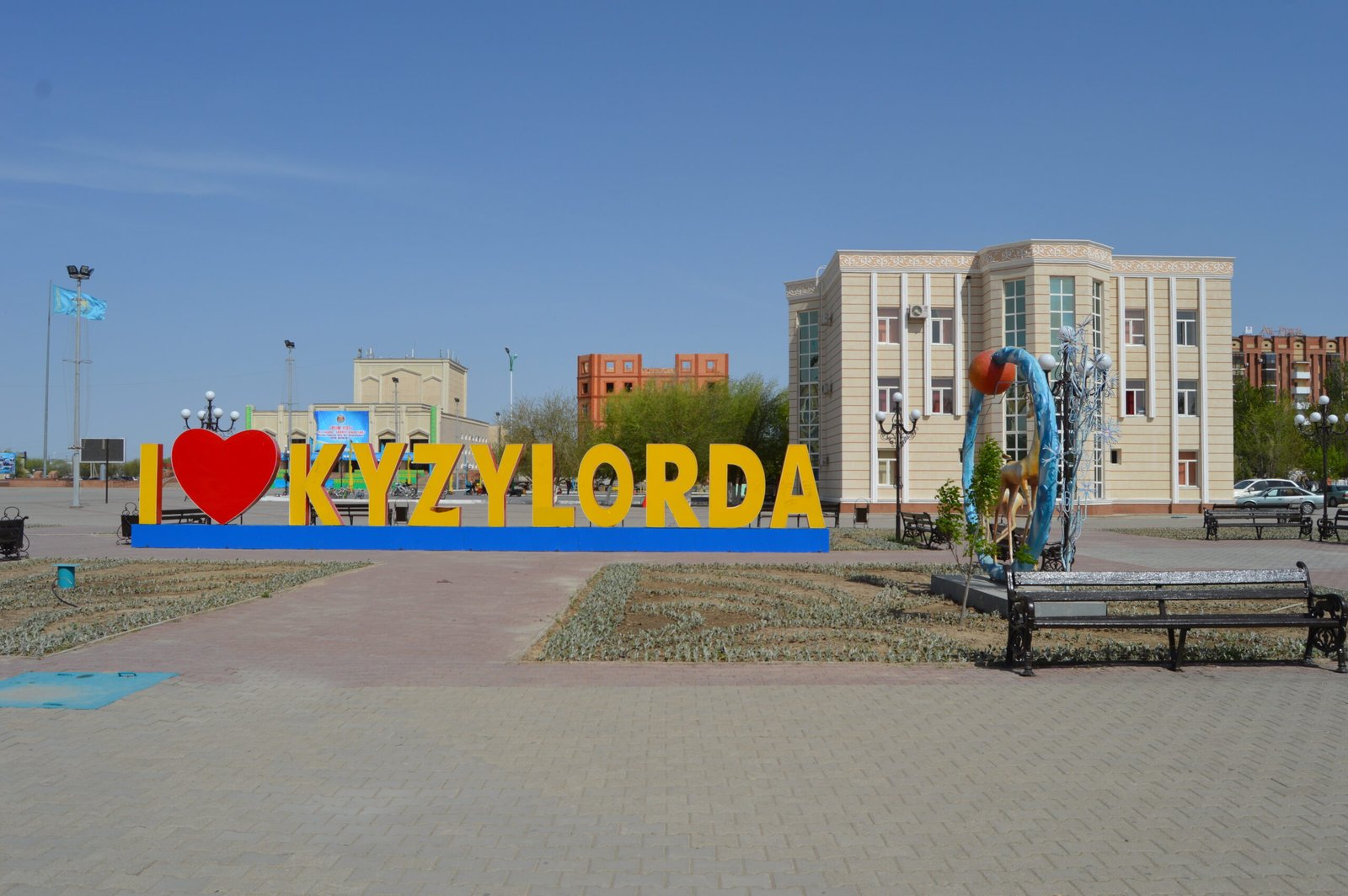
Kyzylorda is one of Kazakhstan’s most historically significant and culturally rich cities. Located in the south-central part of the country along the banks of the Syr Darya River, Kyzylorda serves as the administrative center of Kyzylorda Region and plays a vital role in the economic, agricultural, and cultural development of the nation. With a history spanning centuries, the city has witnessed the rise and fall of empires, the flourishing of Silk Road trade, and the transformation of Kazakhstan into a modern independent state.
Known for its strategic location, strong cultural traditions, and connection to the famous Aral Sea region, Kyzylorda offers visitors a unique blend of history, natural beauty, and modern urban life. The city stands as a symbol of resilience and adaptation, reflecting the enduring spirit of the Kazakh people.
Today, Kyzylorda continues to grow as an important regional center while preserving the traditions and heritage that define its identity.
1. The Historical Origins of Kyzylorda

The history of Kyzylorda is deeply connected to the ancient civilizations that flourished along the Syr Darya River. For centuries, the river served as a lifeline for settlements, agriculture, and trade throughout Central Asia.
The city was originally established as Ak-Mechet in the nineteenth century and later became known as Perovsk during the Russian Empire. Following political changes and national development, the city received its current name, Kyzylorda, meaning “Red Capital.”
During the early Soviet period, Kyzylorda briefly served as the capital of the Kazakh Autonomous Soviet Socialist Republic between 1925 and 1929, making it one of the most historically important cities in Kazakhstan.
Today, the city’s historical landmarks and museums preserve the memory of its remarkable past.
2. Former Capital of Kazakhstan

One of Kyzylorda’s greatest distinctions is its role as a former capital of Kazakhstan.
From 1925 to 1929, the city served as the political and administrative center of the Kazakh republic. During this period, important decisions were made regarding national development, cultural identity, education, and governance.
The capital status contributed significantly to the city’s growth and modernization. New institutions, infrastructure, and cultural organizations were established to support its administrative role.
Although the capital was later moved, Kyzylorda remains proud of this important chapter in Kazakhstan’s history.
3. The Syr Darya River – Lifeline of the Region

The mighty Syr Darya flows through Kyzylorda and has shaped the region’s history for thousands of years.
As one of Central Asia’s longest rivers, the Syr Darya has supported agriculture, transportation, trade, and human settlement throughout the region. Fertile lands along its banks have enabled farming communities to thrive even in otherwise arid environments.
Today, the river continues to play a vital role in irrigation, economic activity, and environmental sustainability. Parks and recreational areas along the river provide attractive spaces for residents and visitors.
The Syr Darya remains one of the defining features of Kyzylorda’s landscape and identity.
4. Gateway to the Aral Sea Region

Kyzylorda serves as the primary gateway to the historic Aral Sea region.
Once one of the largest inland lakes in the world, the Aral Sea became internationally known for one of the greatest environmental challenges of the twentieth century. Water diversion projects significantly reduced the sea’s size, affecting local communities and ecosystems.
In recent years, restoration projects have helped revive parts of the Northern Aral Sea, bringing renewed hope to the region. Kyzylorda has played an important role in supporting these environmental initiatives.
Visitors interested in environmental history and sustainability often use the city as a starting point for exploring the Aral region.
5. The Ancient Silk Road Legacy
The region surrounding Kyzylorda was historically connected to the great Silk Road network.
Merchants traveling between China, Central Asia, Persia, and Europe passed through settlements along the Syr Darya River, bringing goods, ideas, technologies, and cultural influences.
Ancient cities, caravan routes, and archaeological sites throughout the region reveal the area’s importance as a center of commerce and cultural exchange.
The Silk Road heritage remains an important part of Kyzylorda’s historical identity and tourism appeal.
6. Agriculture and Economic Importance

Agriculture is one of the foundations of Kyzylorda’s economy.
The fertile lands irrigated by the Syr Darya River support the cultivation of rice, wheat, vegetables, and other crops. Kyzylorda is particularly famous for rice production and is often regarded as Kazakhstan’s leading rice-growing region.
Agricultural activities provide employment, support local communities, and contribute significantly to the national economy.
Modern farming technologies continue to improve productivity while promoting sustainable resource management.
7. Baikonur and the Space Age Connection

The Kyzylorda Region is home to the world-famous Baikonur Cosmodrome, the world’s first and largest operational space launch facility.
From Baikonur, humanity achieved some of its greatest milestones in space exploration, including the launch of the first artificial satellite and the first human spaceflight. The site continues to play a major role in international space programs.
The association with Baikonur adds global significance to the region and attracts visitors interested in science, technology, and space history.
This connection highlights Kyzylorda’s importance beyond Kazakhstan’s borders.
8. Culture, Traditions, and Community Life

Kyzylorda is known for its strong cultural traditions and vibrant community life.
Traditional Kazakh music, poetry, storytelling, crafts, and cuisine remain important aspects of daily life. Cultural centers, museums, theaters, and festivals celebrate the heritage of the region while promoting contemporary artistic expression.
Hospitality and respect for tradition are deeply rooted in local culture, creating a welcoming atmosphere for visitors.
These cultural values continue to strengthen community identity and social cohesion.
9. Modern Development and Urban Growth

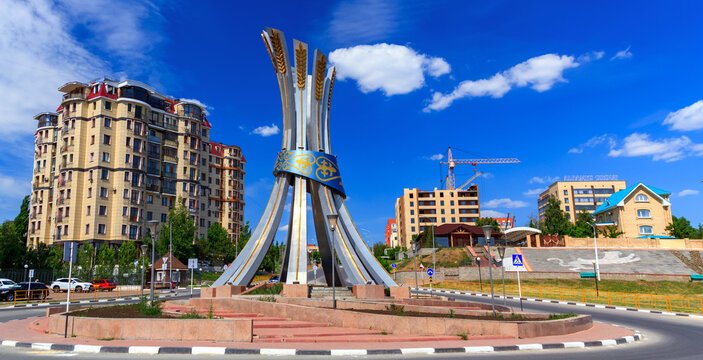
Modern Kyzylorda has undergone significant development in recent decades.
New residential districts, educational institutions, healthcare facilities, transportation infrastructure, and commercial centers have transformed the city into a modern regional hub. Investments in public services and urban planning have improved quality of life for residents.
Economic diversification continues to create new opportunities in agriculture, energy, trade, education, and technology.
The city’s growth reflects Kazakhstan’s broader modernization efforts and commitment to regional development.
10. Kyzylorda Today – The Historic Heart of the Syr Darya

Today, Kyzylorda stands as one of Kazakhstan’s most historically important and culturally distinctive cities. From its role as a former national capital and its connection to the Silk Road to its agricultural achievements and association with the space age, the city offers a remarkable blend of heritage and progress.
Visitors discover a destination where ancient traditions meet modern development, where the waters of the Syr Darya continue to sustain life, and where the legacy of the Aral Sea and Baikonur Cosmodrome connects local history to global events.
As Kazakhstan continues to develop and strengthen its position in Central Asia, Kyzylorda remains a symbol of resilience, innovation, and cultural pride. It is a city that honors its rich past while embracing the opportunities of the future, making it one of the most fascinating destinations in the country.
Related artcal : Best place to visit in Kostanay