Now Reading: Best place to visit in Lahaina
-
01
Best place to visit in Lahaina
Best place to visit in Lahaina

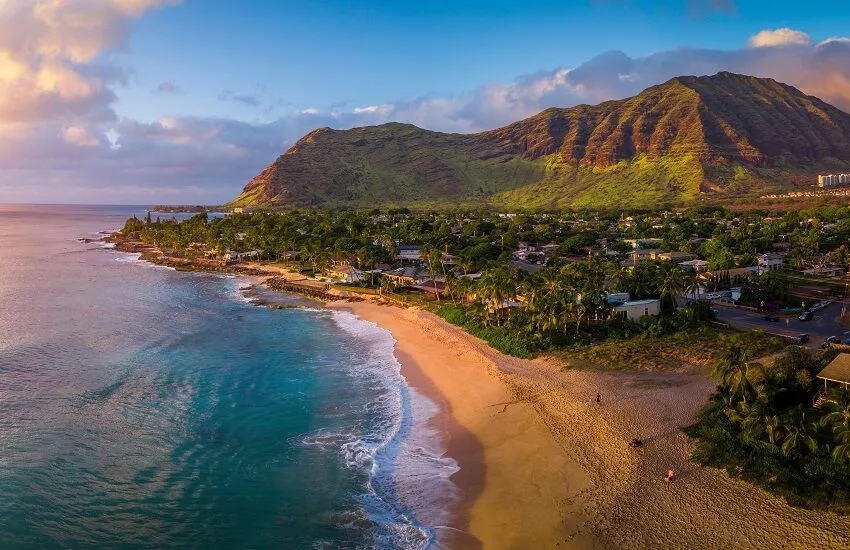
Lahaina is one of the most historic, emotional, and culturally significant towns in all of Hawaii. Located along the western coast of Maui, Lahaina became famous for its oceanfront beauty, royal Hawaiian history, whaling heritage, tropical landscapes, art culture, and unforgettable sunsets over the Pacific Ocean.
Once the capital of the Hawaiian Kingdom during the early nineteenth century, Lahaina later developed into major whaling port attracting sailors, merchants, missionaries, and travelers from around the world. Over generations, the town evolved into one of Maui’s most beloved destinations filled with historic streets, banyan trees, oceanfront restaurants, galleries, beaches, and local Hawaiian traditions.
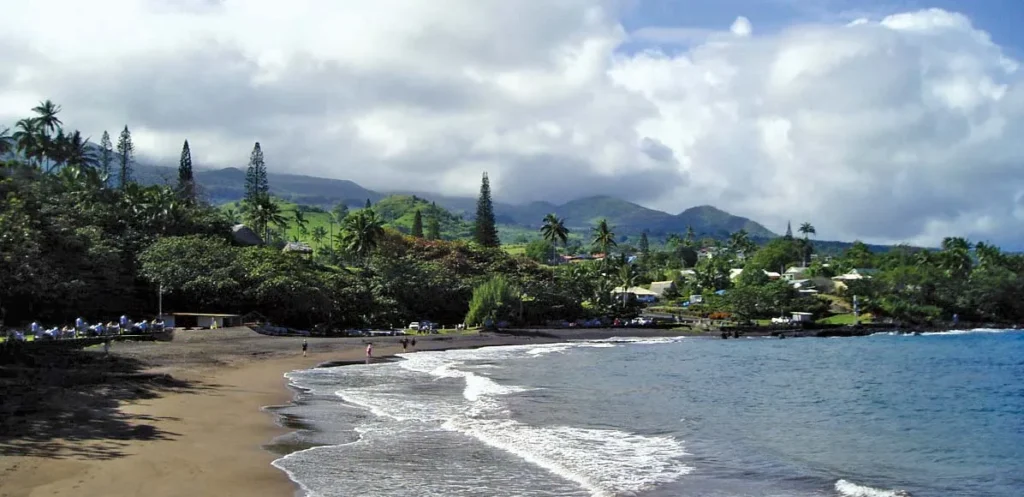
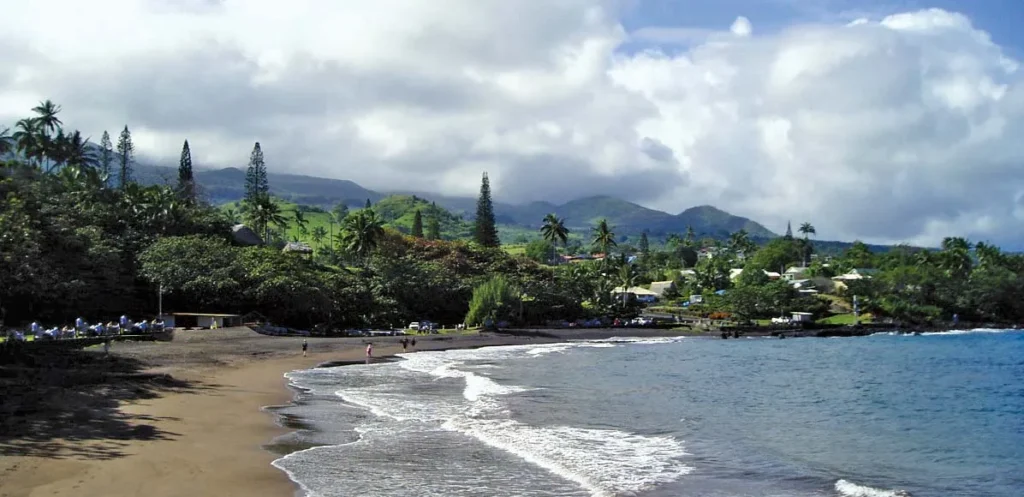
Surrounded by volcanic mountains, palm-lined coastlines, neighboring islands, and warm tropical waters, Lahaina offers some of the most spectacular scenery in Hawaii. The town also carries deep emotional significance after the devastating wildfire disaster of 2023, which affected much of the historic district and touched communities across the world. Even through hardship, Lahaina remains powerful symbol of Hawaiian resilience, culture, and island spirit.
Visitors exploring Lahaina experience breathtaking natural beauty, rich Hawaiian history, Pacific Ocean adventure, and authentic cultural atmosphere unlike anywhere else on Maui.
🌴 1. Front Street – Historic Heart of Lahaina

Front Street has long been the cultural and social center of Lahaina.
Stretching beside the Pacific Ocean, the street became famous for its historic architecture, art galleries, restaurants, local shops, and oceanfront atmosphere.
Walking along Front Street allows visitors to experience the history of old Hawaii mixed with tropical coastal beauty.
Colorful wooden buildings, palm trees, historic churches, and harbor views create unforgettable island atmosphere.
For generations, travelers gathered here to watch sunsets, enjoy Hawaiian music, explore art galleries, and experience Maui’s relaxed coastal lifestyle.
Front Street represents the soul of Lahaina and remains symbol of the town’s rich heritage and resilience.
🌳 2. Lahaina Banyan Court – Giant Tree of Hawaiian History

Lahaina Banyan Court Park is home to one of the largest banyan trees in the United States.
Planted in 1873, the enormous tree expanded across an entire city block with massive branches, hanging roots, and shaded walkways beneath its canopy.
For generations, the banyan tree served as gathering place for local festivals, artists, musicians, and community events.
The tree became one of Maui’s most photographed and beloved landmarks.
Even after natural disasters and hardships, the banyan tree remains powerful symbol of strength, endurance, and hope for the people of Lahaina.
Standing beneath its giant branches feels peaceful, historic, and deeply connected to Hawaiian culture.
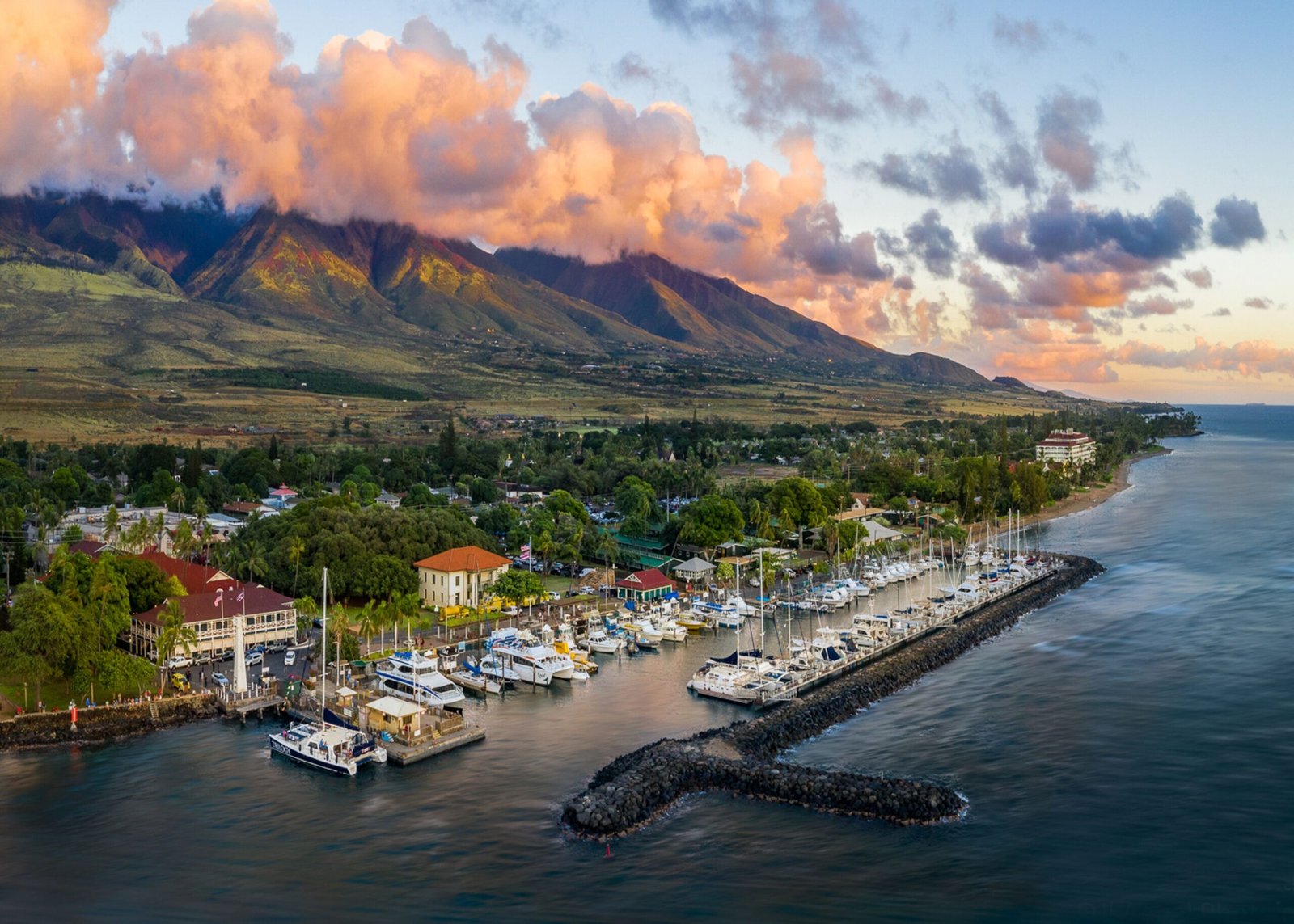
🌊 3. Lahaina Harbor – Gateway to Pacific Ocean Adventures

Lahaina Harbor has been central to the town’s identity for centuries.
Originally used by Hawaiian fishermen and later by whaling ships during the nineteenth century, the harbor became major center of maritime life in the Pacific.
Today, boats departing from Lahaina Harbor take visitors on snorkeling trips, whale-watching tours, sailing cruises, and ocean adventures across Maui’s coastal waters.
The harbor offers spectacular views of neighboring islands, volcanic mountains, and tropical sunsets.
Walking beside the harbor during evening hours creates magical atmosphere filled with ocean breezes and golden Pacific light.
🐋 4. Whale Watching – Maui’s Incredible Ocean Giants

The waters surrounding Lahaina become one of the world’s greatest whale-watching destinations every winter.
Thousands of humpback whales migrate from Alaska to Hawaii’s warm Pacific waters to breed and raise calves near Maui.
Visitors often witness enormous whales breaching dramatically above the ocean surface while surrounded by tropical island scenery.
The calm channels between Maui, Lanai, and Molokai create ideal environment for observing marine wildlife.
Whale songs can sometimes even be heard underwater during snorkeling tours.
Watching humpback whales near Lahaina is one of Hawaii’s most unforgettable natural experiences.
🌅 5. Lahaina Sunsets – Legendary Pacific Beauty

Lahaina is world-famous for its breathtaking sunsets over the Pacific Ocean.
As evening approaches, the sky transforms into brilliant shades of orange, gold, pink, and purple reflecting across the ocean waves.
Palm trees, sailboats, volcanic silhouettes, and neighboring islands create perfect tropical scenery during sunset hours.
Many visitors gather along the waterfront simply to watch the changing colors of the Hawaiian sky.
The peaceful atmosphere and ocean beauty during sunset perfectly capture the magic of Maui.
Lahaina sunsets remain among the most beautiful natural experiences in Hawaii.
🏝️ 6. Kaanapali Beach Nearby – Tropical Coastal Paradise

Kāʻanapali Beach lies just north of Lahaina and is one of Maui’s most famous beaches.
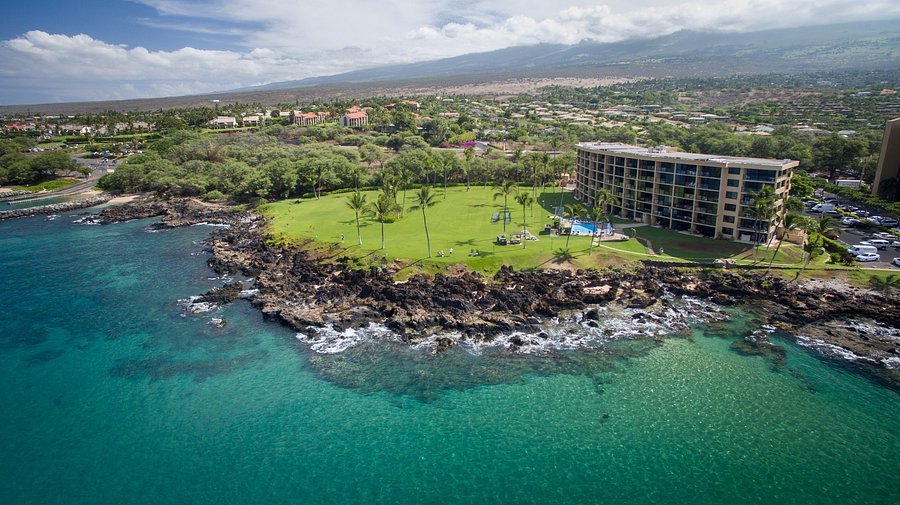
The coastline features soft golden sand, clear turquoise water, swaying palm trees, and spectacular ocean views.
Snorkeling, swimming, paddleboarding, sailing, and cliff diving are popular activities along the beach.
The nearby Black Rock lava formation creates excellent snorkeling area filled with tropical fish and coral reefs.
Despite nearby resorts, the beach still maintains extraordinary natural beauty and relaxing tropical atmosphere.
⛪ 7. Waiola Church & Hawaiian Spiritual Heritage

Waiola Church is one of Maui’s most historic churches and important spiritual landmarks.
The church reflects Lahaina’s missionary-era history and its connection to Hawaiian royal families and local communities.
Surrounded by palm trees and tropical landscapes, the peaceful church grounds preserve part of old Lahaina’s cultural identity.
Historic cemeteries nearby contain graves connected to Hawaiian nobility and early missionaries.
The church represents an important chapter in Maui’s religious and cultural transformation during the nineteenth century.
🌺 8. Hawaiian Art & Cultural Life – Creative Spirit of Lahaina

For decades, Lahaina became one of Hawaii’s most important artistic communities.
Local galleries displayed Hawaiian paintings, wood carvings, photography, sculptures, and Pacific Island art inspired by Maui’s natural beauty.
Musicians, dancers, storytellers, and hula performers regularly shared Hawaiian cultural traditions throughout the town.
The creative atmosphere of Lahaina helped preserve local culture while welcoming travelers from around the world.
Even through periods of hardship and rebuilding, Lahaina’s artistic and cultural spirit remains deeply alive.
🌋 9. Volcanic Landscapes & Maui Mountain Views

The landscapes surrounding Lahaina are shaped by Maui’s volcanic origins and tropical climate.
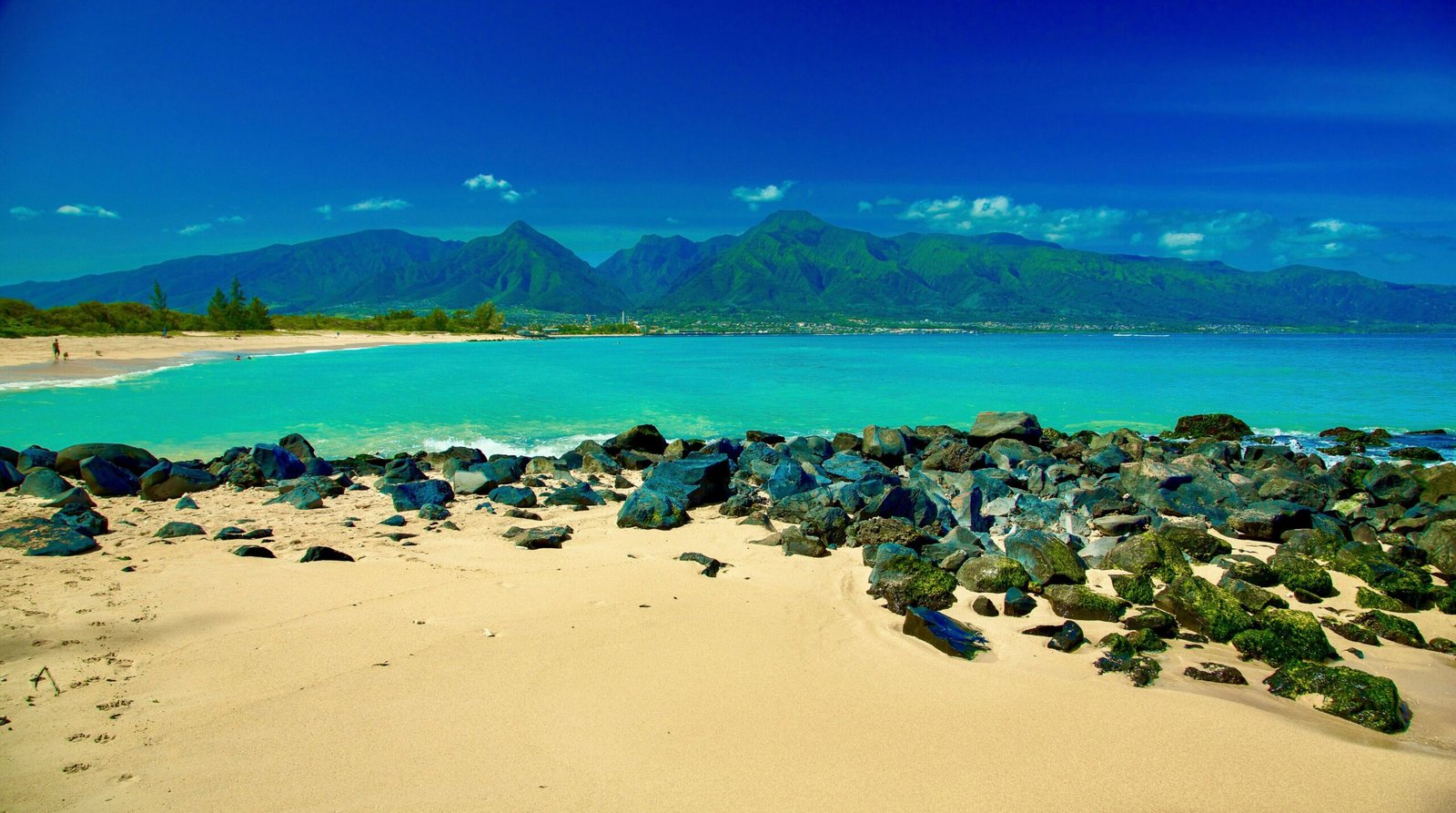
The nearby West Maui Mountains rise dramatically above the coastline with deep green valleys, waterfalls, ridges, and rainforest scenery.
Ancient lava flows helped create the island’s beaches, cliffs, and ocean formations visible throughout the region.
Driving through the surrounding areas reveals breathtaking combinations of mountains, palm forests, ocean cliffs, and tropical vegetation.
The natural scenery around Lahaina demonstrates the extraordinary geological beauty of Hawaii.
🌺 10. Hawaiian Resilience & Community Spirit

More than anything, Lahaina represents the strength and spirit of the Hawaiian people.
The town’s history includes royal kingdoms, whaling ships, missionaries, tourism growth, natural disasters, and community rebuilding.
Despite challenges, Lahaina continues inspiring people through its cultural pride, island traditions, and deep community connections.
Visitors often feel powerful emotional connection to Lahaina because of its beauty, history, and human resilience.
The aloha spirit remains at the center of Lahaina’s identity.
Related artical : Best place to visit in Kahului