
Now Reading: Best place to visit in Lamu
-
01
Best place to visit in Lamu
Best place to visit in Lamu

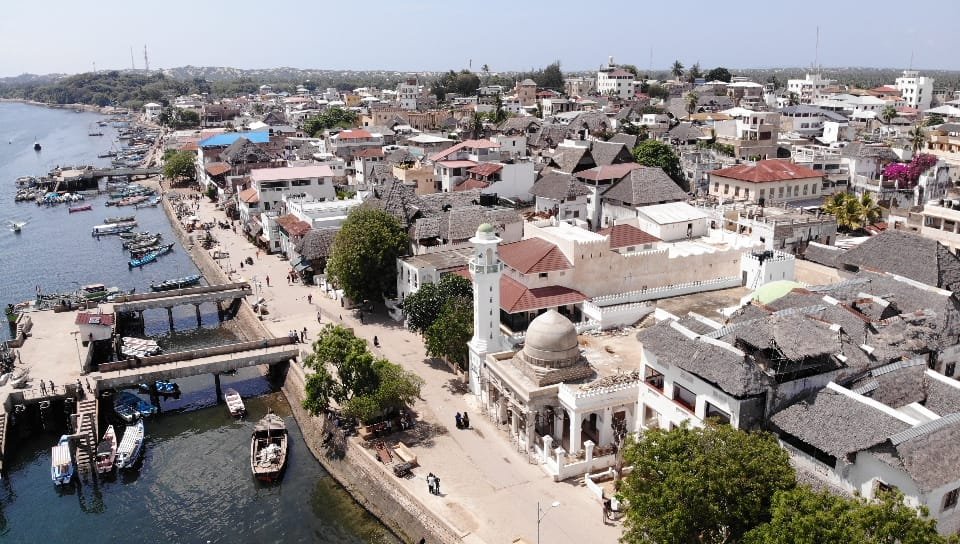
Lamu is one of Africa’s most enchanting destinations, offering visitors a remarkable journey through centuries of history, culture, architecture, and coastal beauty. Located on Kenya’s northern coastline along the Indian Ocean, Lamu is the oldest continuously inhabited town in Kenya and one of the most important centers of Swahili civilization in East Africa.
Unlike modern cities dominated by cars and high-rise buildings, Lamu has preserved its traditional character for centuries. Narrow winding streets, beautifully carved wooden doors, ancient stone houses, traditional dhow boats, and a relaxed island atmosphere create a destination unlike any other in the world.
Recognized as a UNESCO World Heritage Site, Lamu offers travelers the opportunity to step back in time while experiencing authentic Swahili culture, pristine beaches, vibrant festivals, and warm coastal hospitality. The island’s unique blend of African, Arab, Persian, and Indian influences has created a rich cultural heritage that continues to thrive today.
Whether you’re a history enthusiast, photographer, cultural explorer, beach lover, or simply seeking a peaceful escape, Lamu promises an unforgettable experience filled with beauty, tradition, and discovery.
1. Lamu Old Town – East Africa’s Best-Preserved Swahili Settlement

The heart and soul of the island is undoubtedly Lamu Old Town.
Founded more than 700 years ago, Old Town is one of the oldest and best-preserved Swahili settlements in East Africa. Walking through its narrow alleyways feels like traveling back in time.
The town is famous for its coral stone buildings, intricately carved wooden doors, hidden courtyards, historic mosques, and traditional architecture that has remained largely unchanged for centuries.
Visitors can spend hours exploring the maze-like streets, discovering artisan workshops, local markets, and beautiful examples of Swahili craftsmanship.
The authenticity and historical significance of Old Town make it one of Africa’s most extraordinary cultural destinations.
2. Lamu Museum – Preserving Centuries of Heritage

For travelers interested in understanding the island’s fascinating history, the Lamu Museum is an essential stop.
Housed in a historic building near the waterfront, the museum showcases exhibits on Swahili culture, maritime history, traditional craftsmanship, trade routes, and local customs.
Visitors can learn about the diverse communities that shaped Lamu over the centuries and explore artifacts that tell the story of East Africa’s coastal civilization.
The museum provides valuable context for appreciating the island’s unique cultural identity.
3. Shela Village – The Most Beautiful Beach Settlement in Lamu

Located just a short walk from Old Town, Shela Village is widely considered one of the most beautiful locations on the island.
The village combines traditional Swahili architecture with stunning beaches, luxury guesthouses, and a peaceful atmosphere that attracts travelers from around the world.
Its narrow streets, whitewashed buildings, and ocean views create a postcard-perfect setting ideal for relaxation and photography.
The charm of Shela Village perfectly captures the elegance and tranquility that define Lamu.
4. Shela Beach – Miles of Untouched White Sand

One of the island’s greatest treasures is the magnificent Shela Beach.
Stretching for several kilometers along the Indian Ocean, the beach offers powder-soft white sand, turquoise waters, and a sense of peace rarely found in modern tourist destinations.
Visitors can enjoy swimming, sunbathing, beach walks, horseback riding, and spectacular sunrise views over the ocean.
The beach remains relatively uncrowded, allowing travelers to fully appreciate its natural beauty and serenity.
For many visitors, Shela Beach is the highlight of their stay in Lamu.
5. Traditional Dhow Sailing – The Soul of Lamu’s Maritime Heritage

One of the most iconic experiences in Lamu is sailing aboard a traditional dhow.
These wooden sailing vessels have been used along the East African coast for centuries and remain an important part of daily life on the island.
Visitors can enjoy sunset cruises, island-hopping excursions, fishing trips, and romantic voyages across the calm waters of the Indian Ocean.
The experience offers a unique perspective on Lamu’s maritime heritage and provides unforgettable views of the coastline.
Watching the sun set from a dhow is often considered one of the most magical experiences in Kenya.
6. Lamu Fort – A Symbol of Coastal History

The impressive Lamu Fort stands as one of the island’s most important historical landmarks.
Built during the early nineteenth century, the fort played a significant role in the region’s political and military history.
Today, it serves as a cultural center and museum where visitors can learn about local traditions, historical events, and the development of Lamu society.
Its architecture and exhibits provide valuable insights into the island’s rich past.
7. Takwa Ruins – Exploring a Lost Swahili Settlement

History enthusiasts should visit the fascinating Takwa Ruins.
These ancient ruins preserve the remains of a Swahili settlement that flourished between the fifteenth and seventeenth centuries.
Visitors can explore old mosques, houses, wells, and defensive structures while learning about the community that once inhabited the area.
The site offers a rare glimpse into the history of coastal East Africa before modern development transformed the region.
8. Lamu Cultural Festival – Celebrating Swahili Traditions

One of the island’s most exciting events is the annual Lamu Cultural Festival.
The festival celebrates Swahili heritage through traditional music, dance, poetry, dhow races, donkey races, craft exhibitions, and cultural performances.
Visitors have the opportunity to experience authentic traditions and witness the vibrant community spirit that defines life on the island.
The event attracts participants and spectators from across Kenya and beyond.
9. Donkeys – The Unique Transportation System of Lamu

One of Lamu’s most distinctive features is the absence of cars in most parts of Old Town.
Instead, donkeys serve as the primary means of transportation and have become an iconic symbol of the island. Hundreds of donkeys navigate the narrow streets carrying goods and helping residents move around the town.
The presence of these animals contributes to the peaceful atmosphere and traditional character that make Lamu so unique.
Visitors often find this aspect of daily life both fascinating and charming.
Related artical : Best place to visit in Embu