
Now Reading: Best place to visit in Limerick
-
01
Best place to visit in Limerick
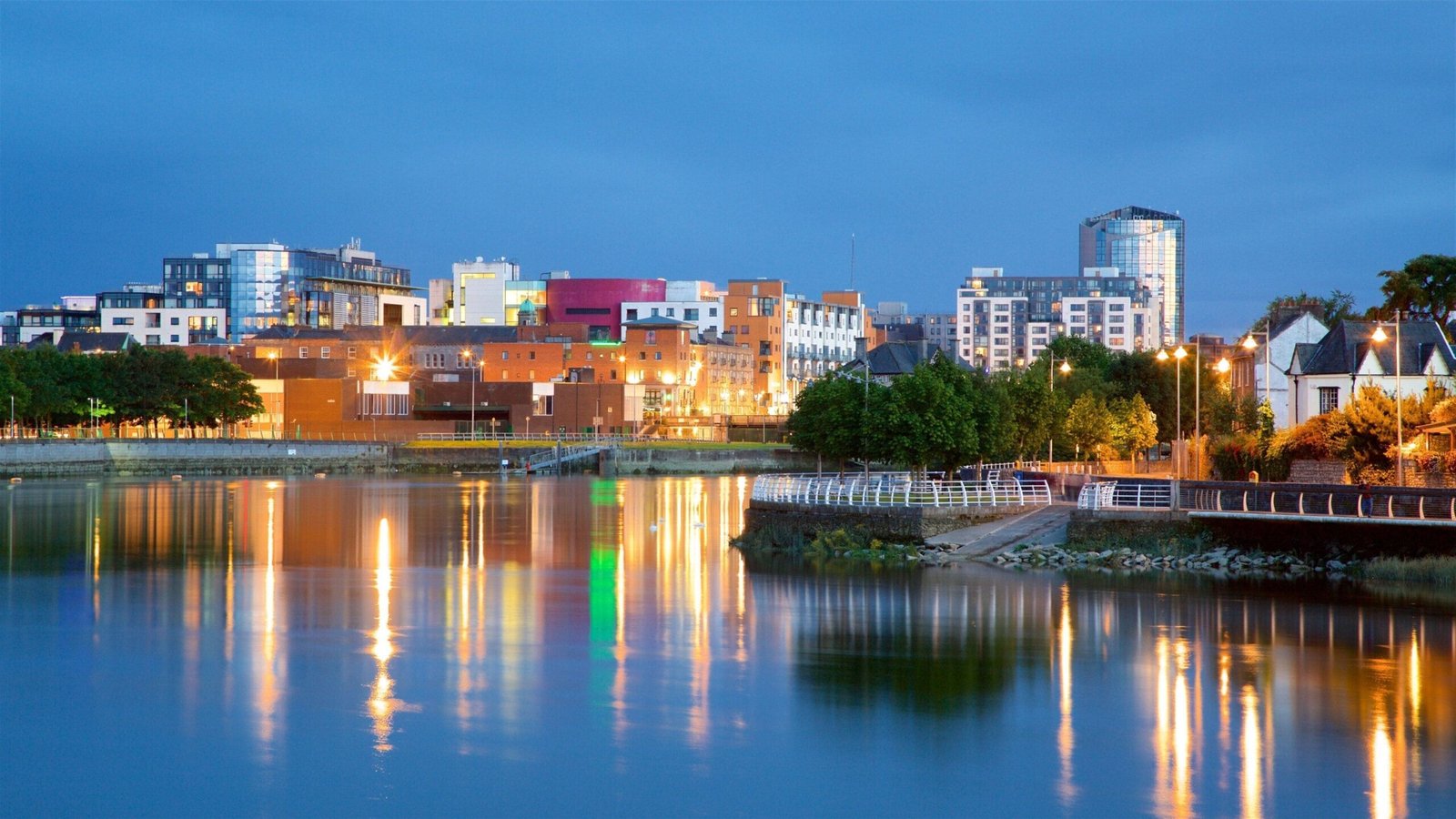
Best place to visit in Limerick
1. King John’s Castle – The Iconic Fortress of Limerick

King John’s Castle is the most famous landmark in Limerick and one of Ireland’s best-preserved medieval castles. Built in the early 13th century on the banks of the River Shannon, the castle has witnessed more than 800 years of Irish history.
The fortress was constructed under the orders of King John of England and served as an important military stronghold throughout the medieval period. Its strategic location allowed it to control river traffic and protect the city from invasion.
Visitors exploring the castle can discover massive stone walls, defensive towers, archaeological excavations, interactive exhibitions, and breathtaking views over Limerick and the River Shannon. Modern visitor experiences bring medieval life to life through technology, displays, and historical artifacts.
The castle remains one of Ireland’s most important historical attractions and offers an unforgettable journey through the country’s medieval past.
2. St. Mary’s Cathedral – The Spiritual Heart of Limerick

St. Mary’s Cathedral is the oldest building in Limerick still in continuous daily use. Founded in 1168, the cathedral has served as a place of worship for over eight centuries.
Built on the site of a former Viking palace, the cathedral showcases stunning medieval architecture, impressive stained-glass windows, ancient carvings, and historic monuments.
Visitors can admire beautiful stonework, intricate wood carvings, and centuries-old architectural details that reveal the craftsmanship of medieval builders.
The cathedral provides valuable insight into Ireland’s religious and cultural history while offering a peaceful atmosphere in the heart of the city.
3. The Hunt Museum – A Treasure House of Art and History

The Hunt Museum houses one of Ireland’s most remarkable private collections of art and antiquities.
The museum contains thousands of artifacts collected by John and Gertrude Hunt, including works by famous artists, ancient archaeological treasures, religious objects, jewelry, sculptures, and historical manuscripts.
Visitors can explore collections spanning more than 2,000 years of human history, from ancient civilizations to modern artistic masterpieces.
The museum offers a fascinating cultural experience and is considered one of Ireland’s finest regional museums.
4. River Shannon – The Lifeblood of Limerick

River Shannon is the longest river in Ireland and has played a vital role in the development of Limerick for centuries.
The river helped establish Limerick as an important trading center and continues to shape the city’s identity today. Its scenic waterfront areas provide beautiful walking paths, recreational spaces, and spectacular views.
Visitors can enjoy river cruises, riverside walks, cycling routes, and opportunities to observe local wildlife.
The Shannon’s beauty and historical importance make it one of Limerick’s defining natural features.
5. Thomond Park – Home of Irish Rugby Excellence
Thomond Park is one of the most famous rugby stadiums in the world and the home of the legendary Munster Rugby team.
Known for its passionate supporters and unforgettable atmosphere, Thomond Park has hosted some of rugby’s most memorable matches.
Visitors can explore the stadium, museum exhibits, player facilities, and learn about the rich sporting heritage of Limerick and Munster Rugby.
Sports enthusiasts consider Thomond Park a must-visit destination when exploring the city.
6. People’s Park – Limerick’s Green Oasis

People’s Park is one of the city’s most beautiful public parks and a favorite destination for both locals and visitors.
Established in the 19th century, the park features ornamental gardens, walking paths, mature trees, flower displays, and historical monuments.
Visitors can enjoy peaceful strolls, family picnics, seasonal events, and outdoor recreation in a relaxing environment.
The park provides a welcome escape from the busy city streets and showcases the natural beauty of urban Ireland.
7. Milk Market – The Culinary Heart of Limerick

Milk Market is one of Ireland’s most celebrated food markets and an important part of the city’s cultural life.
The market features local produce, artisan foods, fresh seafood, baked goods, cheeses, meats, crafts, and specialty products from across the region.
Visitors experience a lively atmosphere filled with music, food stalls, local vendors, and authentic Irish hospitality.
The market offers an excellent opportunity to sample regional flavors and connect with local culture.
8. Treaty Stone – Symbol of Irish History

Treaty Stone is one of the city’s most historically important landmarks.
According to tradition, the stone marks the location where the historic Treaty of Limerick was signed in 1691, ending the Williamite War in Ireland.
The monument stands along the River Shannon and serves as a reminder of a significant chapter in Irish history.
Visitors interested in politics, history, and Irish heritage often include the Treaty Stone in their exploration of Limerick.
9. Adare – Ireland’s Most Beautiful Village

Adare is one of Ireland’s most picturesque villages and a major attraction near Limerick.
The village is famous for its charming thatched cottages, medieval churches, historic buildings, beautiful gardens, and welcoming atmosphere.
Visitors can enjoy walking tours, boutique shopping, traditional Irish pubs, and excellent restaurants while experiencing one of Ireland’s most photogenic destinations.
Adare perfectly captures the charm and beauty of rural Ireland.
10. Lough Gur – Ancient Ireland’s Hidden Treasure

Lough Gur is one of Ireland’s most important archaeological landscapes and contains evidence of human settlement dating back over 6,000 years.
The area features ancient stone circles, burial sites, crannogs, megalithic structures, and fascinating archaeological remains.
Visitors can explore walking trails, scenic lakeside views, historical exhibits, and learn about prehistoric communities that once lived in the region.
The combination of natural beauty and ancient history makes Lough Gur one of County Limerick’s most remarkable destinations.
Limerick offers a unique blend of medieval history, riverside scenery, sporting tradition, cultural attractions, ancient heritage, and authentic Irish hospitality. From the mighty King John’s Castle to the peaceful shores of Lough Gur, the city and its surrounding region provide visitors with a rich and unforgettable Irish experience.
Related artical : Best place to visit in Cork