
Now Reading: Best place to visit in Markala
-
01
Best place to visit in Markala
Best place to visit in Markala
Markala is a historic riverside town in the Ségou Region of Mali, situated along the banks of the Niger River. The town is best known for the famous Markala Dam, one of the country’s most important engineering achievements, which transformed agriculture across central Mali through its extensive irrigation system. Beyond its modern significance, Markala offers visitors scenic river landscapes, traditional fishing villages, vibrant local markets, and a peaceful atmosphere that reflects the authentic lifestyle of rural Mali. Whether you are interested in engineering, nature, photography, or cultural experiences, Markala provides a rewarding destination in the heart of the Niger River Valley.
Below are the top tourist attractions to visit in Markala.
1. Markala Dam

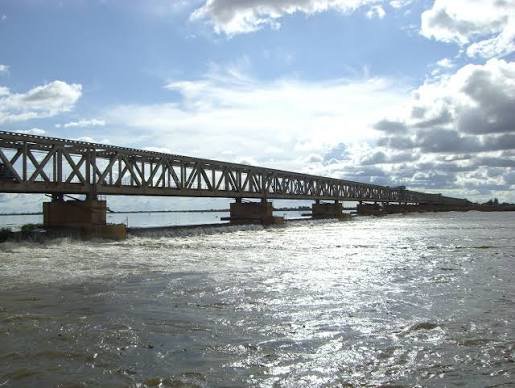
The Markala Dam is the town’s most famous attraction and one of Mali’s most significant engineering landmarks. Completed in the 1940s across the Niger River, the dam was designed to regulate water flow and supply irrigation to the vast agricultural lands of the Office du Niger. Today, it continues to play a vital role in supporting rice cultivation, vegetable farming, and food production throughout central Mali.
Visitors can walk across the dam, observe the impressive water-control system, and enjoy panoramic views of the Niger River and surrounding countryside. The site is particularly popular with photographers due to its scenic landscapes and beautiful sunsets reflected across the water.
Discover Mali’s Engineering Landmark
The Markala Dam offers visitors an opportunity to learn about one of West Africa’s most important irrigation projects while enjoying spectacular river views and peaceful surroundings.
2. Niger River Waterfront

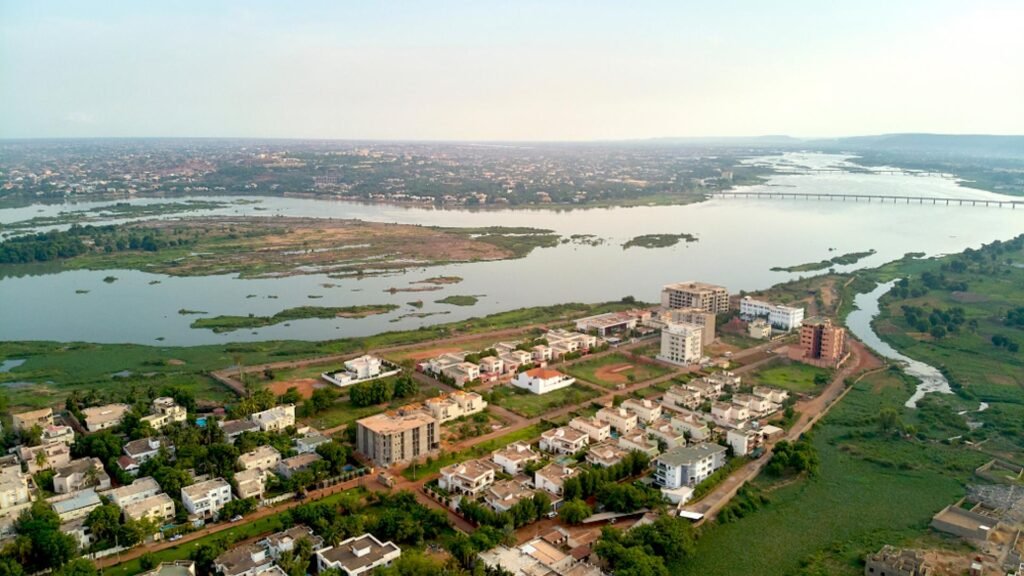
The Niger River Waterfront is one of Markala’s most picturesque attractions. The river has shaped the town’s history for centuries, supporting transportation, fishing, and agriculture while creating a beautiful natural environment.
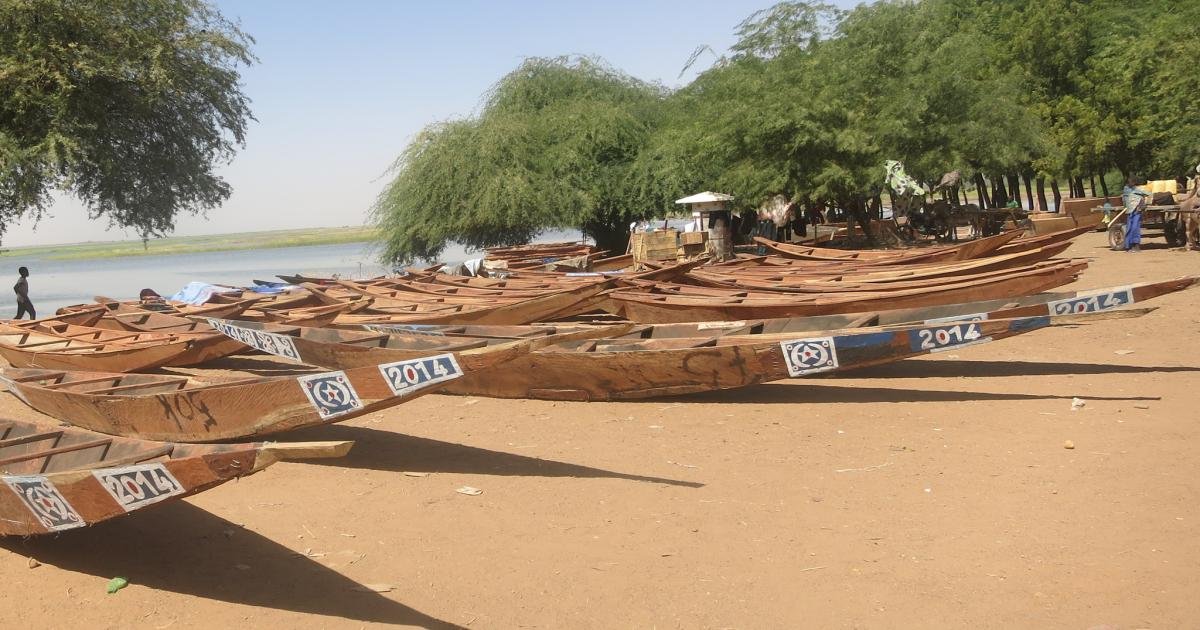
Visitors can enjoy relaxing riverside walks, observe traditional fishing boats, photograph scenic sunsets, and experience the peaceful atmosphere that defines life along the Niger River.
Experience Authentic River Life
The waterfront provides an excellent opportunity to witness traditional fishing activities and appreciate the importance of the Niger River to local communities.
3. Office du Niger Irrigation Canals

The Office du Niger irrigation system is one of Africa’s largest agricultural projects. Beginning at the Markala Dam, an extensive network of canals distributes water across thousands of hectares of farmland where rice, sugarcane, vegetables, and other crops are cultivated.
Visitors interested in agriculture can explore the canal system and learn how irrigation transformed the region into one of Mali’s most productive farming areas.
Explore Mali’s Agricultural Heartland
Visitors can witness modern irrigation in action while discovering the importance of sustainable water management in supporting local livelihoods.
4. Markala Central Market
Markala Central Market is the town’s busiest commercial center, where farmers, fishermen, and artisans gather to sell fresh produce, rice, vegetables, spices, textiles, pottery, leather goods, jewelry, and handmade crafts.
The lively market atmosphere provides visitors with an authentic insight into daily life while offering opportunities to purchase traditional Malian products.
Experience Local Market Culture
Visitors can browse colorful stalls, interact with friendly vendors, sample regional specialties, and shop for handmade souvenirs.
5. Traditional Fishing Villages

Several traditional fishing villages surround Markala, where local communities continue to depend on the Niger River for their livelihoods. Wooden boats, handmade fishing nets, and riverside settlements provide visitors with a fascinating look at one of Mali’s oldest occupations.
Discover Traditional Fishing Culture
Visitors can observe local fishing techniques, meet village residents, and learn about the important relationship between the river and surrounding communities.
6. Rice Fields of Office du Niger

The fertile rice fields surrounding Markala are among the largest in West Africa. Fed by the irrigation system originating at the Markala Dam, these fields produce much of Mali’s rice supply and create beautiful green landscapes during the growing season.
Explore Vast Agricultural Landscapes
Visitors can enjoy scenic drives through the countryside while learning about traditional and modern farming practices.
7. Markala Cultural Center
The Cultural Center preserves and promotes the traditions of the region through music, dance, storytelling, exhibitions, and educational events. It highlights the customs of the Bambara and other communities living around Markala.
Experience Local Traditions
Visitors can enjoy cultural performances and gain a deeper understanding of the region’s artistic and historical heritage.
8. Traditional Artisan Workshops

Local artisans in Markala produce beautifully handcrafted pottery, leather goods, woven baskets, wood carvings, textiles, and jewelry using techniques passed down through generations.
Support Local Craftsmanship
Visitors can observe skilled craftsmen at work and purchase authentic handmade souvenirs representing the artistic heritage of central Mali.
9. Birdwatching Along the Niger River

The wetlands and riverbanks surrounding Markala attract numerous bird species throughout the year, making the area an excellent destination for birdwatching and nature photography.
Discover Local Wildlife
Visitors can observe herons, kingfishers, egrets, and other native birds while enjoying the peaceful beauty of the Niger River ecosystem.
10. Markala Countryside
The countryside surrounding Markala features lush farmland, irrigation canals, traditional villages, and scenic views of the Niger River Valley. The region offers visitors an authentic experience of rural Mali, where agriculture and river life remain central to everyday living.
Explore Rural Mali
Visitors can enjoy scenic drives, photograph beautiful agricultural landscapes, visit welcoming villages, and experience the peaceful atmosphere that makes Markala one of the most important riverside towns in central Mali.
Related artical : Best place to visit in Ansongo