Now Reading: Best place to visit in Murzuq
-
01
Best place to visit in Murzuq
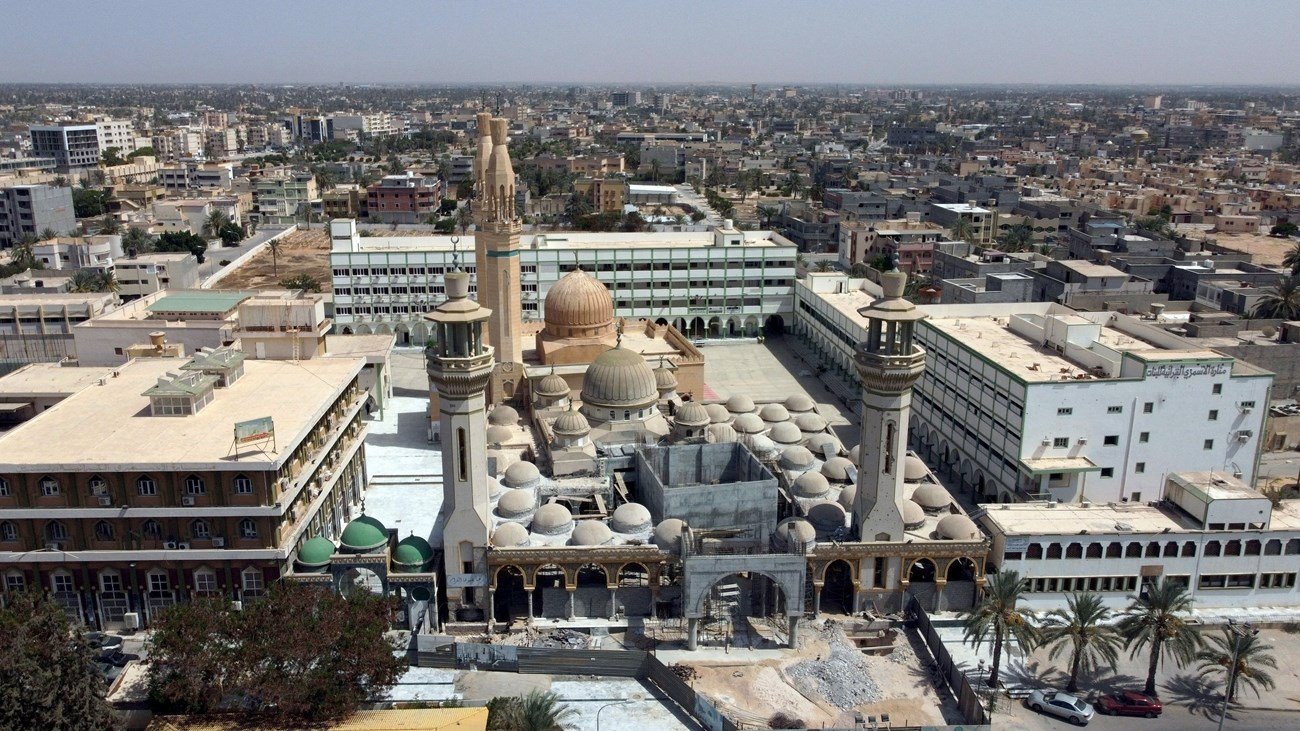
Best place to visit in Murzuq

Introduction
Murzuq is one of the most historic oasis towns in southern Libya and a legendary destination in the heart of the Sahara Desert. Located in the vast Fezzan region, Murzuq has served for centuries as a major center of trans-Saharan trade, cultural exchange, and desert civilization. Surrounded by golden sand dunes, palm groves, and ancient caravan routes, the city represents one of the most fascinating chapters in the history of North Africa.
Murzuq was once the capital of the Fezzan region and played a crucial role in connecting the Mediterranean world with sub-Saharan Africa. Traders, explorers, scholars, and travelers passed through the city carrying goods such as gold, salt, ivory, dates, textiles, and spices. These interactions transformed Murzuq into a prosperous commercial center and an important cultural crossroads.
Today, Murzuq remains a symbol of Sahara heritage, offering visitors an extraordinary glimpse into Libya’s desert history, architecture, and natural beauty.
History of Murzuq
The history of Murzuq stretches back hundreds of years, although settlements existed in the region long before the modern city emerged. Due to its strategic location in the Fezzan basin, Murzuq became one of the most important stops along trans-Saharan caravan routes.
During the medieval period, merchants traveling between North Africa and Central Africa relied on Murzuq as a place to rest, trade, and replenish supplies. The city’s prosperity grew as trade networks expanded across the Sahara.
In the sixteenth century, Murzuq became the capital of the Fezzan Sultanate and later came under Ottoman influence. Its fortified walls, markets, and administrative buildings reflected its status as a regional political and economic center.
Throughout the nineteenth century, European explorers frequently visited Murzuq while documenting the geography and cultures of the Sahara. Today, the city preserves many reminders of its remarkable past while continuing to serve as an important oasis community.
1. Murzuq Fortress
The Historic Guardian of the Oasis
One of Murzuq’s most important landmarks is the historic Murzuq Fortress, which once protected the city and its valuable trade routes.
Constructed using traditional desert building techniques, the fortress served as both a defensive structure and administrative center. Thick walls, watchtowers, and strategic positioning allowed local rulers to safeguard merchants and residents from potential threats.
Visitors can explore the remains of this historic stronghold while learning about the city’s role in regional politics and commerce.
The fortress remains a powerful symbol of Murzuq’s historical importance.
2. Murzuq Oasis

Life in the Heart of the Desert
The Murzuq Oasis has sustained human settlement for centuries by providing water and fertile land within the Sahara.
Date palms, gardens, and agricultural fields surround the oasis, creating a striking contrast to the vast desert landscapes beyond. The availability of water allowed communities to thrive and made Murzuq an essential stop for caravan travelers.
Visitors are often amazed by the lush greenery that emerges from the surrounding sands.
The oasis remains the lifeblood of the city and a testament to human adaptation in harsh environments.
3. Erg Murzuq Sand Sea

One of the Sahara’s Greatest Natural Wonders
The spectacular Erg Murzuq is one of the largest and most impressive dune fields in the Sahara Desert.
Towering sand dunes stretch across the horizon, creating a landscape of extraordinary beauty and scale. Wind patterns continuously reshape the dunes, producing ever-changing forms and colors.
Visitors can enjoy desert excursions, photography, and unforgettable sunset experiences among some of the highest dunes in North Africa.
The Erg Murzuq remains one of Libya’s most remarkable natural attractions.
4. Old Murzuq Town

Exploring Traditional Desert Architecture
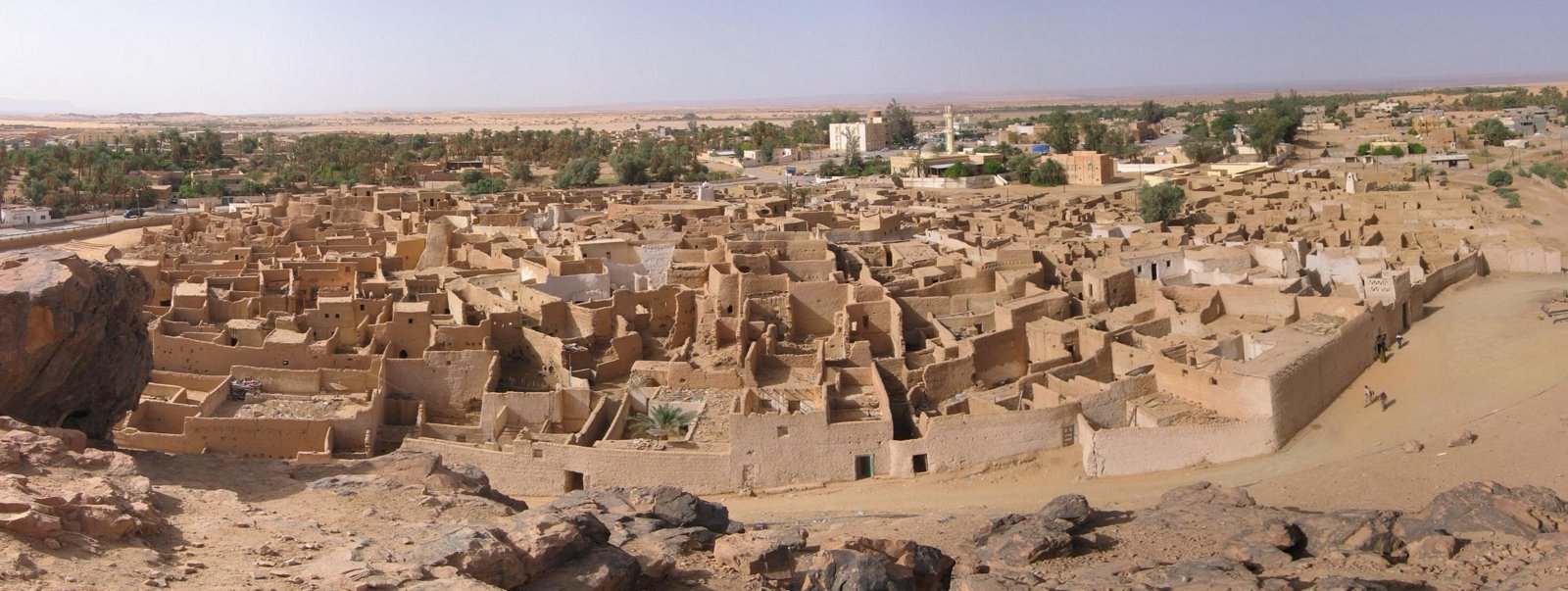
The historic quarters of Murzuq preserve traditional Saharan architecture adapted to extreme desert conditions.
Buildings constructed from mud brick feature thick walls, narrow alleys, and shaded courtyards designed to reduce heat and conserve energy. These structures reflect centuries of knowledge about desert living.
Visitors walking through the old town gain insight into how generations of residents adapted to life in one of the world’s harshest climates.
The area remains an important cultural and historical treasure.
5. Trans-Saharan Caravan Routes
The Historic Highways of Africa
For centuries, Murzuq stood at the center of the great caravan routes that connected North Africa with regions far to the south.
Merchants transported gold, salt, ivory, leather, textiles, and other valuable goods across thousands of kilometers of desert terrain. These trade networks facilitated economic growth and cultural exchange between diverse civilizations.
Visitors can learn about the extraordinary journeys undertaken by traders who crossed the Sahara long before modern transportation existed.
The caravan heritage remains deeply embedded in Murzuq’s identity.
6. Palm Groves of Murzuq

Agriculture in the Desert
The extensive palm groves surrounding Murzuq have supported local communities for generations.
Date cultivation remains one of the region’s most important agricultural activities. Traditional irrigation systems distribute precious water resources while sustaining orchards and gardens.
Visitors can explore the agricultural landscapes that transformed the oasis into a thriving center of life and commerce.
The palm groves continue to play a vital role in the local economy.
7. Fezzan Cultural Heritage

A Meeting Place of Cultures
Murzuq has long been home to diverse communities including Arab, Tuareg, Tebu, and other groups whose traditions enriched the cultural landscape of the Fezzan region.
Music, storytelling, crafts, clothing, and hospitality customs reflect centuries of interaction between different peoples and civilizations.
Visitors interested in cultural exploration can learn about the traditions that continue to shape life in southern Libya.
The city remains a living center of Saharan heritage.
8. Desert Night Sky Experience

One of the Best Stargazing Locations in Africa
The remote desert environment surrounding Murzuq provides exceptional conditions for observing the night sky.
Far from major urban centers, the region experiences very little light pollution, allowing visitors to see thousands of stars, planets, and sections of the Milky Way with remarkable clarity.
Astronomy enthusiasts often consider the Sahara one of the world’s finest locations for stargazing.
The experience of standing beneath the vast desert sky is unforgettable.
9. Ancient Desert Wells

Engineering Survival in the Sahara
Ancient wells around Murzuq played a critical role in supporting caravan trade and oasis agriculture.
These water sources provided essential supplies for travelers crossing vast desert distances. Communities developed sophisticated methods of locating, preserving, and managing groundwater resources.
Visitors can learn about the ingenuity required to sustain life in one of Earth’s most arid environments.
The wells remain important symbols of survival and resilience.
10. Murzuq Desert Festival Heritage

Celebrating the Spirit of the Sahara
Murzuq has long been associated with gatherings that celebrate desert culture, traditional music, camel heritage, and community life.
These events highlight the customs and values that have defined Saharan societies for centuries. Storytelling, crafts, food, and traditional performances help preserve cultural identity for future generations.
Visitors interested in local traditions gain valuable insight into the vibrant cultural life of the Fezzan region.
The celebration of heritage remains an important aspect of community life.
Related artical : Best place to visit in Zliten