Now Reading: Best place to visit in Nara
-
01
Best place to visit in Nara
Best place to visit in Nara
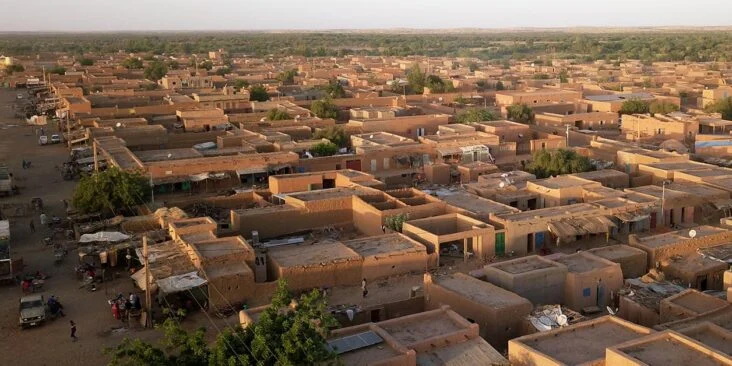
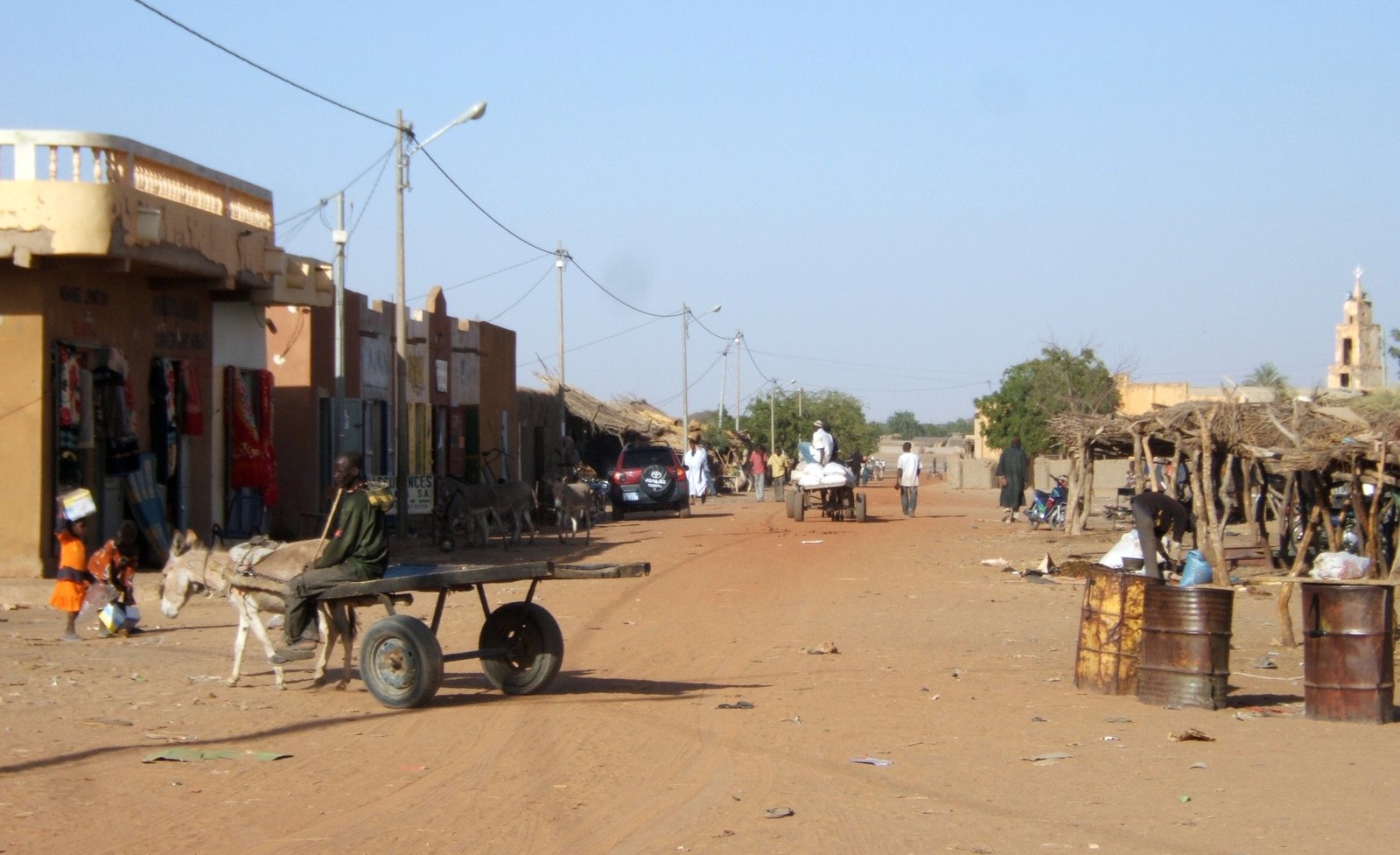
Nara is a historic town in western Mali, located in the Koulikoro Region near the border with Mauritania. Positioned within the Sahel, Nara has long served as an important crossroads for trade, livestock farming, and cultural exchange between nomadic and settled communities. The town is known for its traditional markets, vast Sahel landscapes, Fulani and Bambara heritage, and peaceful rural atmosphere. Visitors can explore authentic villages, experience local customs, admire open savanna scenery, and learn about the region’s long history of caravan trade and pastoral life.
Below are the top tourist attractions to visit in Nara.
1. Nara Central Market
The Nara Central Market is the commercial heart of the town and one of the busiest gathering places in the region. Every day, traders from surrounding villages arrive to sell grains, vegetables, spices, handmade textiles, pottery, leather goods, livestock, and traditional handicrafts. The lively atmosphere reflects the cultural diversity of the Sahel and offers visitors an authentic glimpse into everyday life.
Visitors can browse colorful market stalls, meet friendly vendors, sample regional foods, and purchase handmade souvenirs created by local artisans. The market is an excellent place to experience the traditions and hospitality that make Nara unique.
Experience Traditional Sahel Market Life
Visitors can immerse themselves in the vibrant trading atmosphere while discovering authentic Malian products and local craftsmanship.
2. Traditional Fulani Villages

The countryside surrounding Nara is home to traditional Fulani communities that continue to preserve their pastoral lifestyle, distinctive customs, colorful clothing, music, and hospitality. Livestock farming remains central to their culture and economy.
Visitors can meet local families, observe traditional cattle herding, and learn about one of West Africa’s most influential ethnic groups while experiencing authentic village life.
Discover Fulani Heritage
Visitors can gain valuable insight into centuries-old traditions while enjoying the warm hospitality of local communities.
3. Nara Cultural Center

The Nara Cultural Center serves as an important venue for preserving the traditions of the region through music, dance, storytelling, exhibitions, and educational programs. Cultural events celebrate the heritage of the Bambara, Fulani, and Mauritanian-influenced communities that have shaped Nara’s identity.
Visitors can enjoy authentic performances and learn about local customs, folklore, and artistic traditions.
Experience Local Culture
The cultural center offers an engaging introduction to the music, dance, and history that define life in Nara.
4. Traditional Artisan Village

Nara is home to skilled artisans who produce beautifully handcrafted leather goods, woven baskets, pottery, silver jewelry, wood carvings, and colorful textiles using traditional techniques passed down through generations.
Visitors can observe craftsmen at work and purchase authentic handmade products directly from local workshops.
Support Local Craftsmanship
The Artisan Village showcases the artistic traditions that have remained an important part of Nara’s cultural identity for centuries.
5. Historic Caravan Routes

For centuries, Nara served as an important stop along caravan routes connecting West Africa with North Africa. Merchants transported salt, gold, livestock, textiles, and spices across the Sahel, contributing to the town’s economic and cultural development.
Visitors can learn about the history of these ancient trade routes and the role they played in shaping the region.
Follow Ancient Trading Paths
Visitors can discover the fascinating legacy of trans-Sahelian commerce while exploring one of Mali’s historic trading regions.
6. Sahel Savanna Landscapes
The landscapes surrounding Nara feature open savannas, seasonal grasslands, scattered acacia trees, and wide horizons that beautifully represent the Sahel region. These natural environments provide excellent opportunities for photography, hiking, and birdwatching.
Explore the Beauty of the Sahel
Visitors can enjoy peaceful scenery while appreciating the unique transition between desert and savanna ecosystems.
7. Traditional Livestock Market
The Livestock Market is one of the region’s most important commercial centers, where cattle, sheep, goats, and camels are bought and sold. The market reflects the importance of pastoralism to the economy of western Mali.
Observe Traditional Commerce
Visitors can witness lively livestock trading and gain insight into one of the oldest economic traditions of the Sahel.
8. Seasonal Wetlands

During the rainy season, temporary wetlands form around Nara, attracting migratory birds and supporting local wildlife. These peaceful natural areas offer beautiful scenery and opportunities for birdwatching and nature photography.
Enjoy Nature and Wildlife
Visitors can observe native bird species while relaxing in the tranquil landscapes surrounding the town.
9. Traditional Farming Communities

Although the region is semi-arid, farming communities around Nara cultivate millet, sorghum, maize, peanuts, and vegetables using traditional agricultural methods adapted to the Sahel climate.
Learn About Rural Agriculture
Visitors can explore local farms, interact with farming families, and understand the sustainable agricultural practices that support rural communities.
10. Nara Countryside

The countryside surrounding Nara offers wide-open landscapes, traditional villages, fertile seasonal farmland, and peaceful savanna scenery. It provides an excellent opportunity to experience authentic rural Mali and the unique environment of the western Sahel.
Explore Rural Mali
Visitors can take scenic drives, photograph beautiful landscapes, visit welcoming villages, and experience the peaceful atmosphere that makes Nara one of western Mali’s hidden cultural destinations.
Related artical : Best place to visit in Bougouni