
Now Reading: Best place to visit in Pakse
-
01
Best place to visit in Pakse
Best place to visit in Pakse

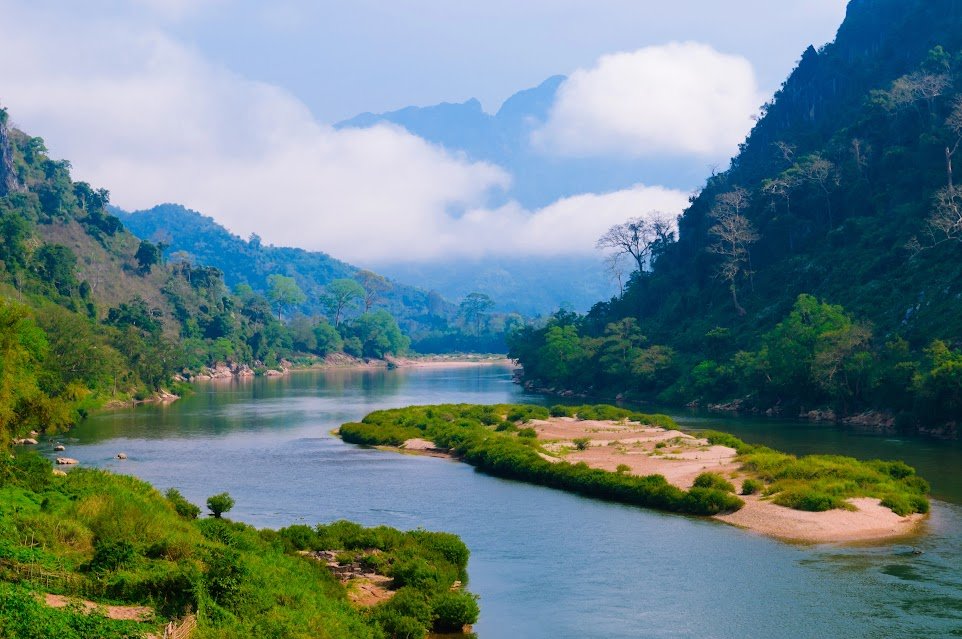
Pakse is the largest city in southern Laos and serves as the economic, cultural, and transportation hub of the region. Located at the confluence of the Mekong and Xe Don Rivers, Pakse is often referred to as the gateway to some of Laos’ most remarkable natural and historical attractions.
Founded during the French colonial period in 1905, the city developed into an important commercial center connecting Laos with neighboring Thailand, Cambodia, and Vietnam. Today, Pakse combines colonial architecture, Buddhist temples, bustling markets, and scenic riverfront views with easy access to waterfalls, ancient temples, and the famous Bolaven Plateau.
The following attractions represent the best places to visit in Pakse.
1. Wat Phou – The Ancient Khmer Masterpiece

History
Wat Phou is one of the oldest and most important archaeological sites in Laos.
Built between the 5th and 13th centuries, the temple complex was part of the Khmer Empire and predates Cambodia’s famous Angkor Wat.
Dedicated originally to Hindu worship before becoming a Buddhist site, Wat Phou served as a major religious and political center.
In 2001, the complex was designated a UNESCO World Heritage Site.
Visitor Experience
Visitors can explore:
- Ancient Khmer architecture
- Sacred temples
- Historical ruins
- Mountain viewpoints
- Archaeological treasures
Wat Phou remains the most significant historical attraction near Pakse.
2. Bolaven Plateau – The Coffee Capital of Laos

History
The Bolaven Plateau was formed by volcanic activity millions of years ago.
Its fertile soil and cool climate attracted French settlers who introduced coffee cultivation during the colonial period.
Today, the region produces some of Southeast Asia’s finest coffee.
Visitor Experience
Visitors can enjoy:
- Coffee plantations
- Scenic mountain roads
- Local villages
- Agricultural tours
- Beautiful countryside
The plateau is one of southern Laos’ most popular destinations.
3. Tad Fane Waterfall – The Twin Waterfall Wonder

History
Tad Fane was created by rivers flowing through deep volcanic valleys on the Bolaven Plateau.
The twin waterfalls plunge more than 100 meters into a dramatic gorge below.
Visitor Experience
Visitors can admire:
- Spectacular waterfalls
- Deep canyons
- Mountain scenery
- Viewing platforms
- Photography opportunities
The falls are among the most famous natural attractions in Laos.
4. Tad Yuang Waterfall – The Emerald Cascade

History
Tad Yuang is one of the most accessible waterfalls on the Bolaven Plateau.
Surrounded by lush tropical forest, it has become a favorite destination for both locals and visitors.
Visitor Experience
Visitors can discover:
- Multi-level waterfalls
- Forest trails
- Picnic areas
- Scenic viewpoints
- Natural swimming areas
The waterfall showcases the beauty of southern Laos.
5. Dao Heuang Market – The Commercial Heart of Pakse

History
For decades, Dao Heuang Market has served as Pakse’s primary trading center.
Merchants from across southern Laos bring agricultural products, textiles, and handicrafts to the market.
Visitor Experience
Visitors can browse:
- Fresh produce
- Traditional textiles
- Handicrafts
- Local food products
- Regional specialties
The market provides insight into daily life in Pakse.
6. Wat Luang – Pakse’s Most Important Temple

History
Wat Luang is one of the largest and most significant Buddhist temples in Pakse.
The monastery serves as a center for religious education and community activities.
Visitor Experience
Visitors can admire:
- Traditional Lao architecture
- Buddhist artwork
- Sacred shrines
- Religious ceremonies
- Peaceful temple grounds
The temple remains an important spiritual landmark.
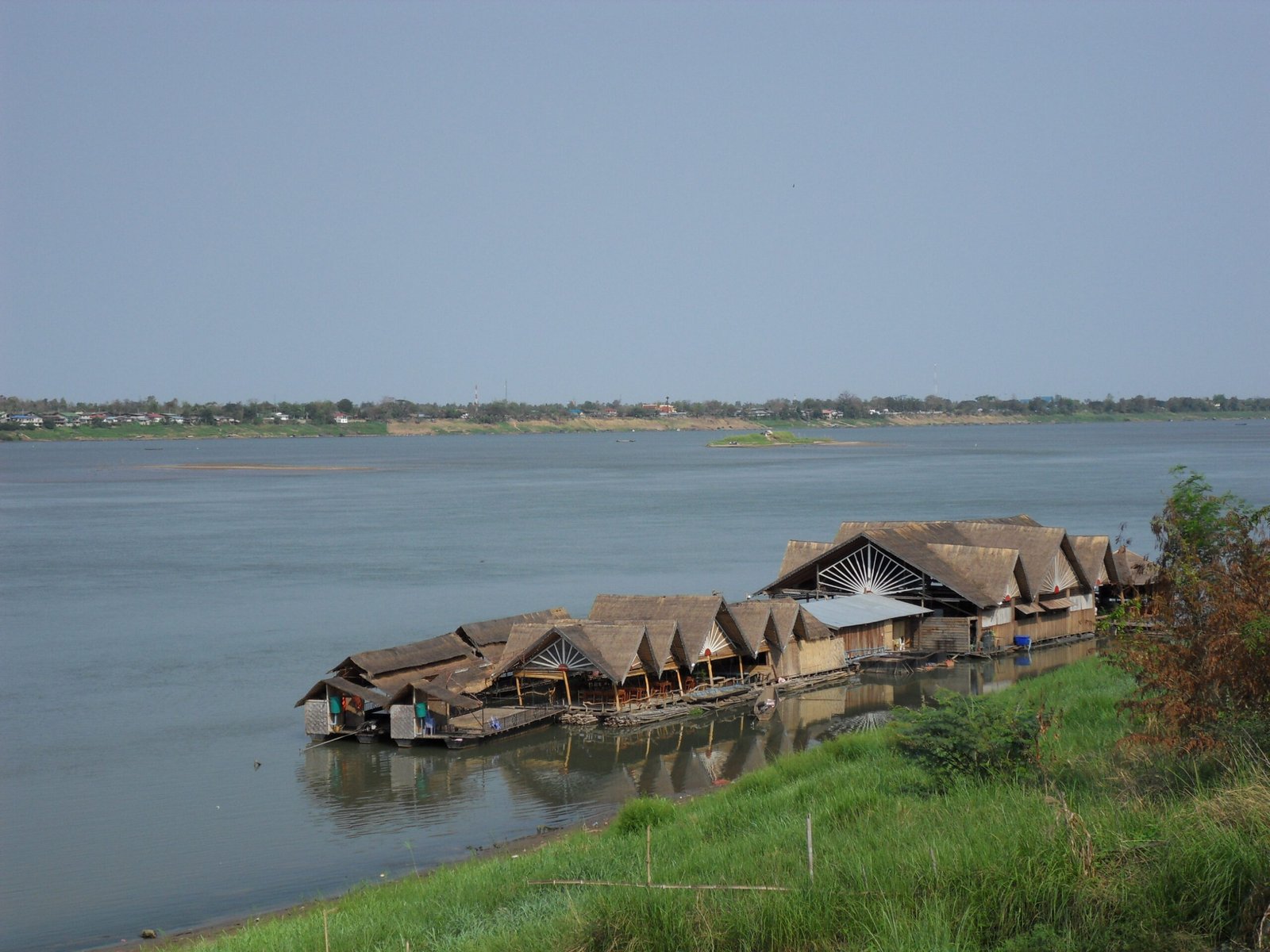
7. Pakse Riverfront – The City’s Scenic Waterfront

History
The Mekong River has shaped Pakse’s development since its founding.
Trade, transportation, and fishing have long depended on the river’s resources.
Visitor Experience
Visitors can enjoy:
- Sunset views
- Riverside walks
- Local restaurants
- Photography opportunities
- Relaxing atmosphere
The waterfront is one of the city’s most popular gathering places.
8. Champasak Historical Town – Echoes of a Royal Kingdom

History
Champasak was once the capital of the Kingdom of Champasak and remains one of Laos’ most historically important settlements.
The town preserves traditional architecture and historical landmarks connected to its royal past.
Visitor Experience
Visitors can explore:
- Historic buildings
- Colonial architecture
- Mekong River scenery
- Traditional villages
- Cultural heritage sites
The town offers a fascinating glimpse into southern Laos’ history.
9. Golden Buddha at Phou Salao – The Best View of Pakse

History
The giant golden Buddha overlooking Pakse was built as a symbol of peace and spiritual devotion.
Located on a hill above the city, it has become one of Pakse’s most recognizable landmarks.
Visitor Experience
Visitors can admire:
- Massive Buddha statue
- Panoramic city views
- Mekong River scenery
- Sunset photography
- Religious significance
The viewpoint offers one of the finest panoramas in southern Laos.
10. Si Phan Don (4,000 Islands) – The Mekong’s Hidden Paradise

History
The 4,000 Islands region developed over centuries as the Mekong River split into countless channels and islands.
Local communities relied on fishing, farming, and river transportation.
Today, it remains one of Laos’ most beloved destinations.
Visitor Experience
Visitors can enjoy:
- River islands
- Traditional villages
- Mekong scenery
- Cycling routes
- Relaxed atmosphere
The islands provide a peaceful escape from city life.
Related artical : Best place to visit in Luang Prabang