
Now Reading: Best place to visit in Phonsavan
-
01
Best place to visit in Phonsavan
Best place to visit in Phonsavan
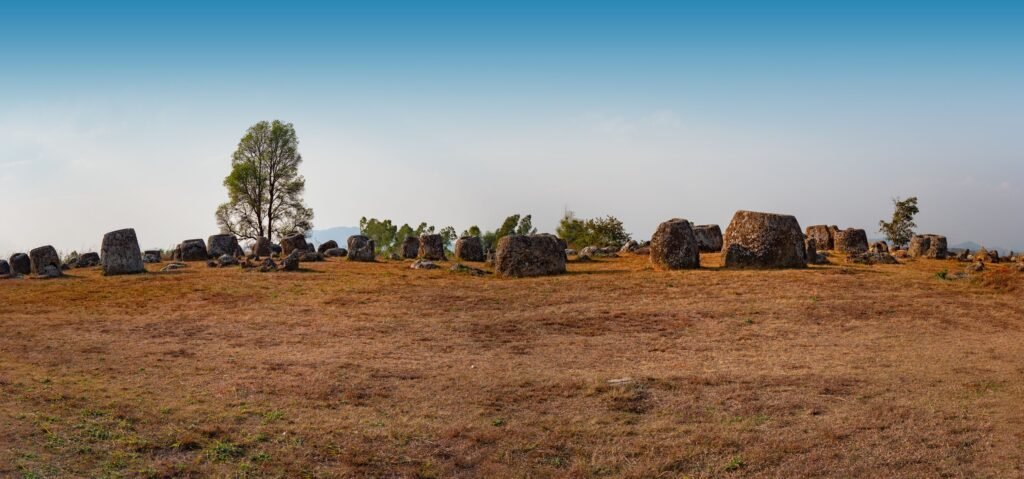
Phonsavan is one of the most fascinating historical destinations in Laos. Located in the highlands of Xieng Khouang Province, the city is best known as the gateway to the mysterious Plain of Jars, one of Southeast Asia’s greatest archaeological enigmas.
Surrounded by rolling hills, grasslands, ancient sites, and war memorials, Phonsavan offers visitors a unique combination of archaeology, history, culture, and natural beauty. The region has witnessed the rise and fall of ancient civilizations, colonial rule, and some of the most significant events of modern Lao history.
Today, Phonsavan attracts historians, archaeologists, adventurers, and travelers eager to explore one of Laos’ most remarkable regions.
The following attractions represent the best places to visit in Phonsavan.
1. Plain of Jars Site 1 – The Great Archaeological Mystery

History
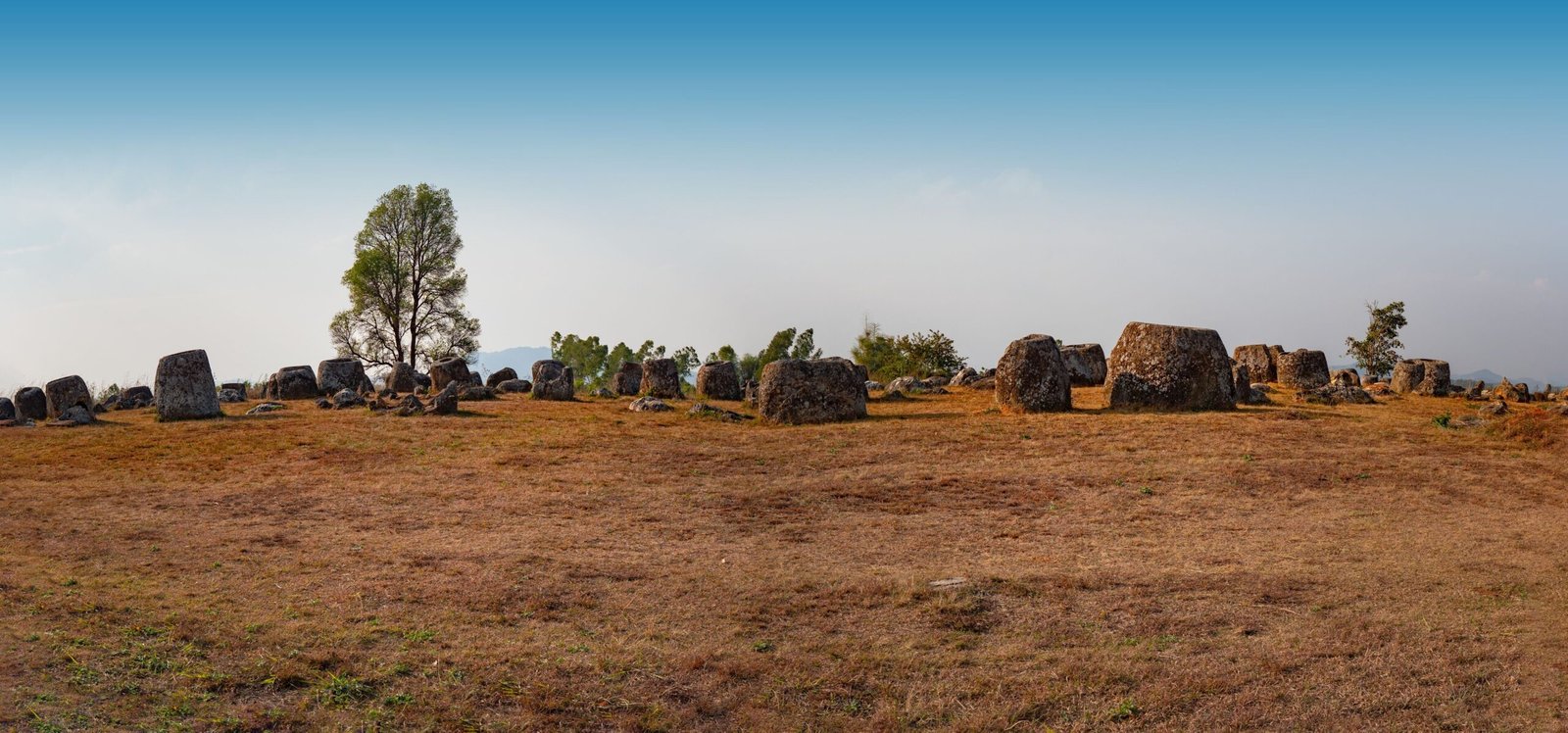
The Plain of Jars is one of the most mysterious archaeological landscapes in the world.
Thousands of giant stone jars, some weighing several tons, are scattered across the Xieng Khouang Plateau. Archaeologists believe the jars were created between 500 BCE and 500 CE, although their exact purpose remains uncertain.
Various theories suggest they were used for burial rituals, storage, or ceremonial purposes.
In 2019, the Plain of Jars was recognized as a UNESCO World Heritage Site.
Visitor Experience
Visitors can explore:
- Massive stone jars
- Archaeological landscapes
- Ancient burial sites
- Historical exhibits
- Panoramic countryside views
Site 1 is the largest and most accessible jar field.
2. Plain of Jars Site 2 – The Hilltop Jar Field

History
Site 2 contains dozens of stone jars positioned on scenic hillsides overlooking the surrounding valleys.
Researchers believe the location may have held ceremonial significance for ancient communities.
The site remains one of the most picturesque areas of the Plain of Jars complex.
Visitor Experience
Visitors can enjoy:
- Ancient stone jars
- Mountain views
- Historical landscapes
- Archaeological discoveries
- Photography opportunities
The elevated setting creates spectacular scenery.
3. Plain of Jars Site 3 – The Hidden Archaeological Treasure

History
Site 3 is one of the quieter jar locations and requires a short walk through rural countryside.
The site provides valuable evidence about the distribution and construction of the mysterious jars.
Its remote setting offers a more intimate archaeological experience.
Visitor Experience
Visitors can discover:
- Stone jar clusters
- Traditional villages
- Scenic rice fields
- Historic landscapes
- Peaceful surroundings
The site provides a deeper appreciation of the region’s ancient past.
4. MAG Visitor Information Centre – Understanding Modern History

History
During the Vietnam War era, Xieng Khouang became one of the most heavily bombed regions in the world.
The MAG Centre educates visitors about unexploded ordnance (UXO) and the ongoing efforts to clear affected areas.
The center highlights both the challenges and resilience of local communities.
Visitor Experience
Visitors can learn about:
- Modern Lao history
- Humanitarian projects
- UXO clearance efforts
- Community recovery
- Educational exhibits
The center provides important historical context.
5. Mulberries Organic Silk Farm – Preserving Traditional Craftsmanship

History
Silk weaving has been part of Lao culture for centuries.
The farm was established to preserve traditional weaving techniques while supporting local communities and sustainable development.
Visitor Experience
Visitors can observe:
- Silk production
- Traditional weaving
- Artisan workshops
- Cultural demonstrations
- Handmade textiles
The farm showcases an important aspect of Lao heritage.
6. Muang Khoun – The Ancient Capital

History
Muang Khoun served as the former capital of Xieng Khouang Province and was once a thriving political and cultural center.
Although much of the town was damaged during conflicts, several temples and historical structures survive today.
Visitor Experience
Visitors can explore:
- Historic temples
- Ancient ruins
- Cultural heritage sites
- Traditional architecture
- Historical landmarks
The town offers insight into the region’s royal past.
7. Wat Phia Wat – The Temple of Resilience
History
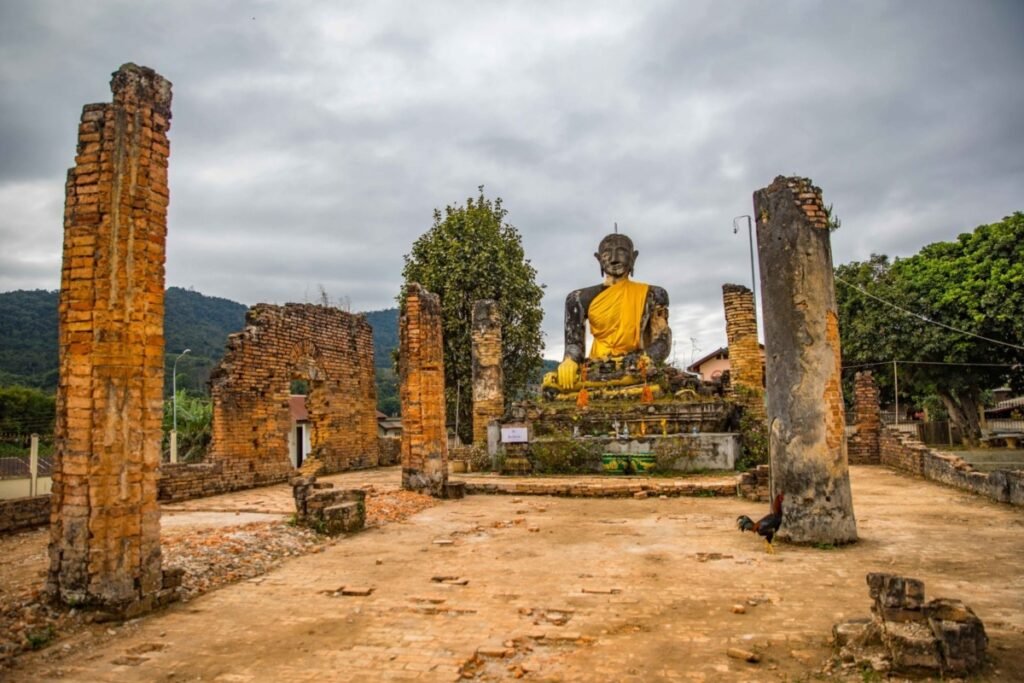
Wat Phia Wat was once one of the most important temples in the region.
Despite suffering extensive damage during wartime, the temple’s large Buddha statue survived and remains a powerful symbol of resilience and faith.
Visitor Experience
Visitors can admire:
- Historic ruins
- Giant Buddha statue
- Religious heritage
- Cultural significance
- Architectural remains
The site is one of the most moving landmarks in the province.
8. Tham Piu Cave – A Memorial of History

History
Tham Piu Cave is an important historical memorial connected to wartime events in Laos.
The cave serves as a reminder of the hardships endured by local communities and preserves the memory of those affected by conflict.
Visitor Experience
Visitors can experience:
- Historical exhibits
- Memorial monuments
- Cave exploration
- Scenic mountain views
- Cultural reflection
The site carries deep emotional significance.
9. Xieng Khouang Market – The Cultural Heart of Phonsavan

History
Markets have long served as gathering places for the diverse ethnic communities of Xieng Khouang Province.
Farmers, artisans, and traders continue to bring their goods here every day.
Visitor Experience
Visitors can discover:
- Local produce
- Traditional textiles
- Handmade crafts
- Regional cuisine
- Everyday Lao culture
The market provides an authentic glimpse into local life.
10. Phou Keng Mountain Viewpoint – The Best Panorama of the Plateau

History
The hills surrounding Phonsavan have long served as observation points for local communities and travelers crossing the plateau.
The viewpoints offer sweeping vistas of the landscapes that have shaped the region’s history.
Visitor Experience
Visitors can enjoy:
- Panoramic views
- Highland scenery
- Sunrise photography
- Sunset photography
- Mountain landscapes
The viewpoint provides one of the finest perspectives of Xieng Khouang Province.
Related artical : Best place to visit in Thakhek