
Now Reading: Best place to visit in Plungė
-
01
Best place to visit in Plungė
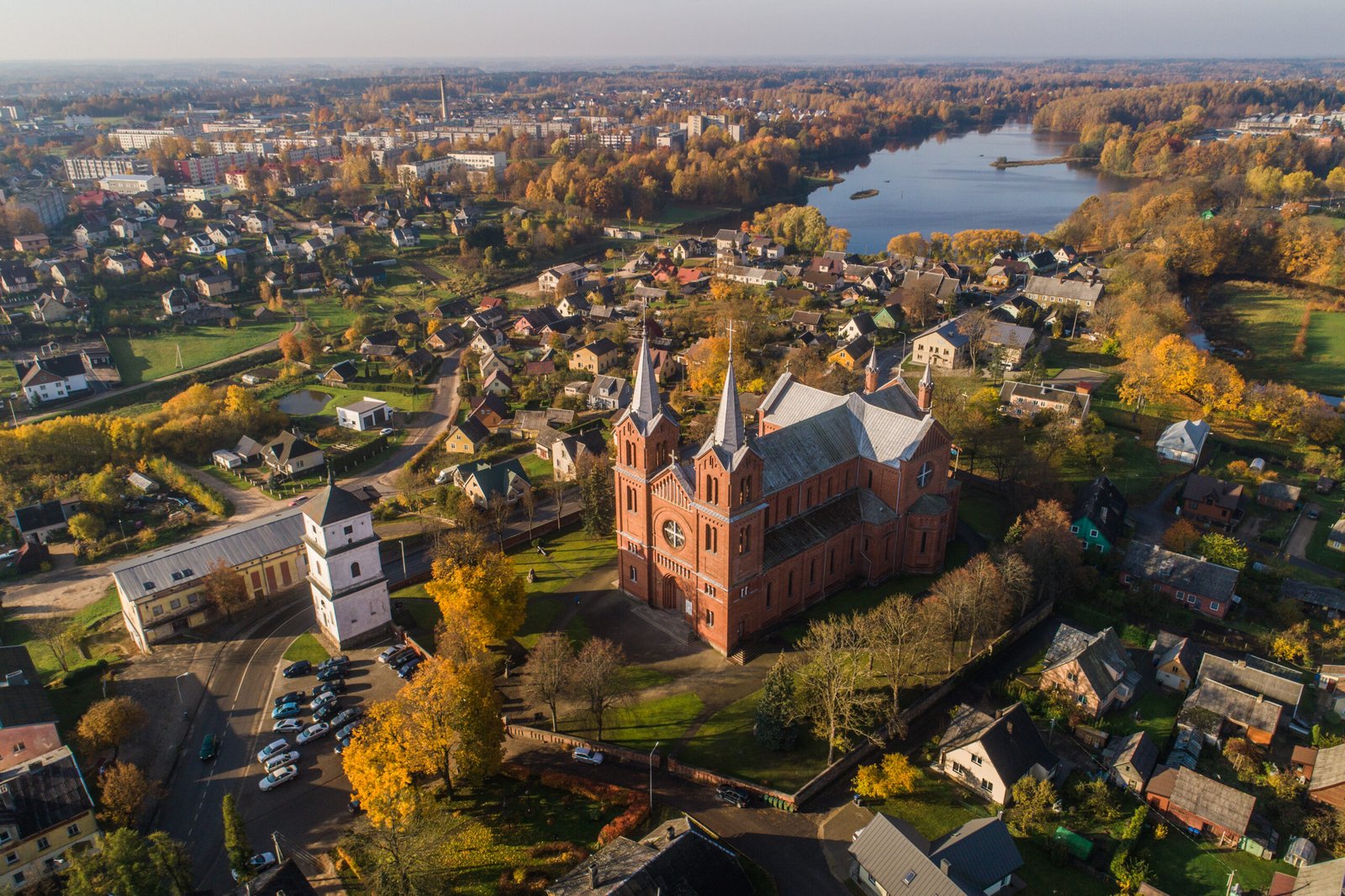
Best place to visit in Plungė

Introduction
Plungė is one of the most charming and historically significant cities in western Lithuania. Located in the heart of the Samogitia region, Plungė is renowned for its beautiful parks, aristocratic heritage, cultural landmarks, and proximity to some of Lithuania’s most spectacular natural attractions.
Often referred to as the gateway to Samogitia, Plungė offers visitors a fascinating blend of history, architecture, culture, and natural beauty. The city is particularly famous for its magnificent manor complex, scenic landscapes, and its connection to several important figures in Lithuanian history.
Surrounded by forests, rivers, and rolling hills, Plungė provides a peaceful atmosphere while serving as an important cultural and economic center in western Lithuania. Visitors can explore elegant historic buildings, museums, parks, churches, and nearby lakes while experiencing the rich traditions of the Samogitian region.
Today, Plungė continues to attract travelers who seek authentic Lithuanian heritage, beautiful landscapes, and a welcoming local culture.
History of Plungė
The history of Plungė dates back to the medieval period, with written records mentioning the settlement as early as the 16th century. Due to its strategic location within Samogitia, the town developed as an important regional center for trade, agriculture, and administration.
During the 19th century, Plungė flourished under the ownership of the influential Oginski Family, who transformed the city into a center of culture, education, and artistic development.
The Oginskis invested heavily in infrastructure, architecture, and music education, leaving a lasting impact that remains visible today. Their contributions helped shape Plungė into one of the most culturally important towns in western Lithuania.
Despite experiencing wars, occupations, and political changes, Plungė preserved its historical identity and continues to celebrate its rich heritage.
1. Plungė Manor Estate

The Crown Jewel of Plungė
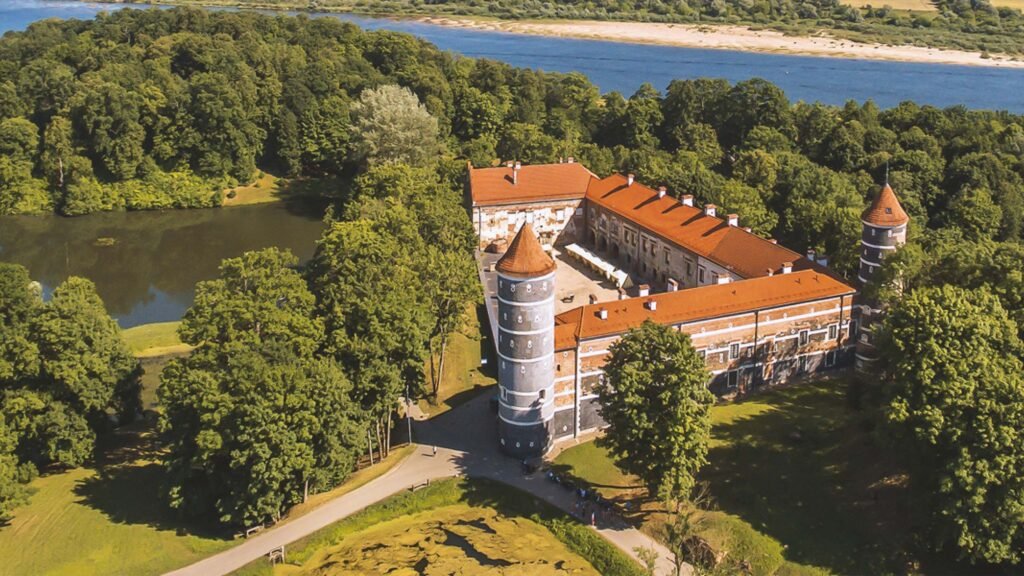
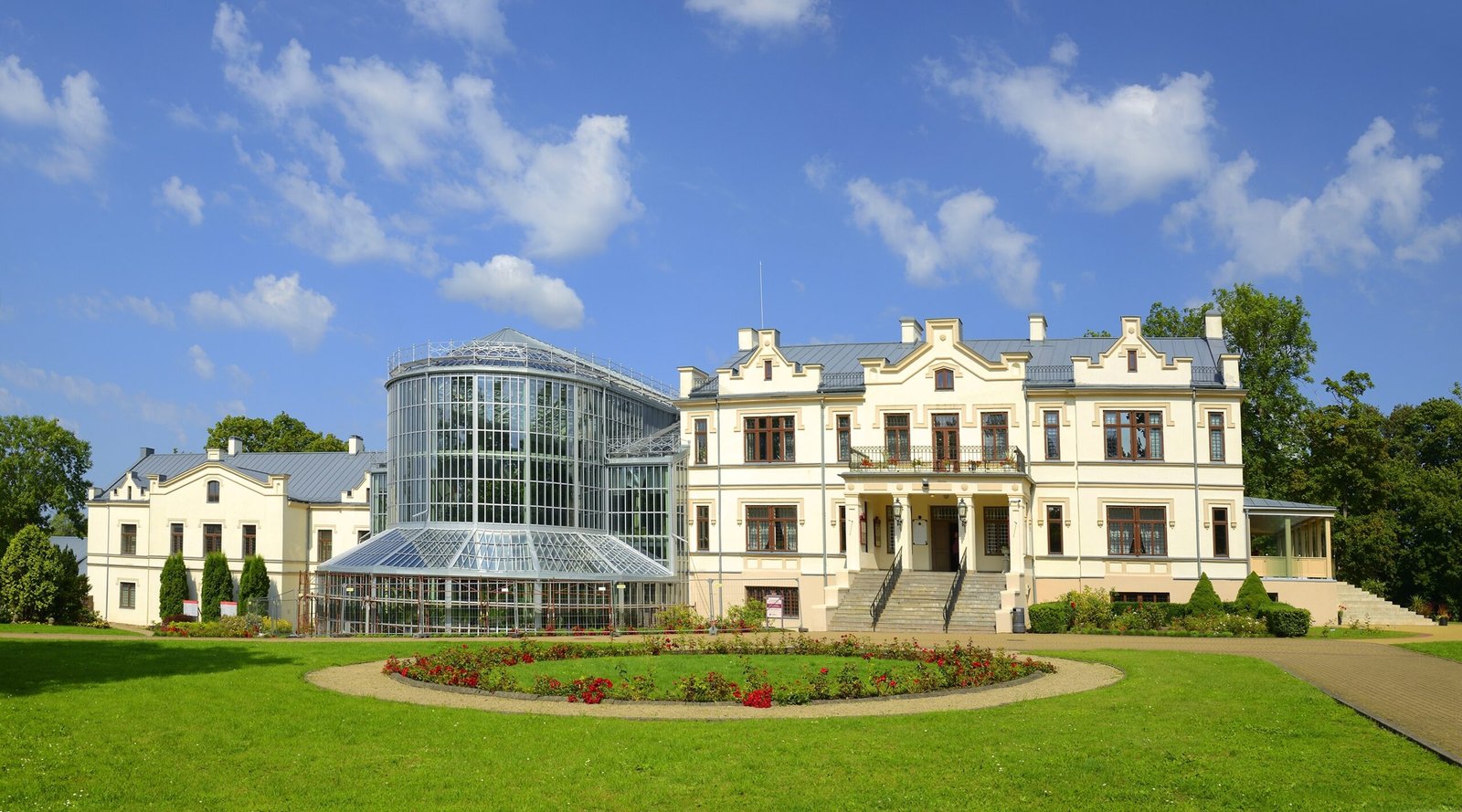
The magnificent Plungė Manor Estate is the city’s most famous landmark and one of the finest manor complexes in Lithuania.
Built during the 19th century by the Oginski family, the estate features elegant architecture, landscaped gardens, historical buildings, and cultural institutions. Today, the manor houses museums and exhibitions dedicated to regional history and heritage.
Visitors are captivated by its beauty and historical significance.
The estate remains the symbol of Plungė’s cultural legacy.
2. Oginski Palace Museum

Preserving Noble Heritage
Located within the manor complex, the Oginski Palace Museum showcases the history of the Oginski family and the cultural development of Samogitia.
Its collections include artworks, historical artifacts, furniture, documents, and exhibitions that illustrate aristocratic life in Lithuania.
Visitors gain valuable insight into the social and cultural history of the region.
The museum remains one of Plungė’s most important attractions.
3. Manor Park
A Green Masterpiece
The beautiful Plungė Manor Park surrounds the historic estate and is considered one of Lithuania’s finest landscape parks.
Featuring centuries-old trees, walking paths, ponds, bridges, and scenic viewpoints, the park provides a peaceful environment for relaxation and recreation.
Visitors enjoy exploring its natural beauty throughout all seasons.
The park perfectly complements the elegance of the manor complex.
4. Church of St. John the Baptist
A Spiritual Landmark
The impressive Church of St. John the Baptist is one of the city’s most important religious buildings.
Its striking architecture, historical significance, and active role in community life make it a major attraction for visitors.
The church has served generations of residents and continues to be a center of worship and cultural activities.
It remains one of the most recognizable landmarks in Plungė.
5. Babrungas River Valley

The Natural Lifeline of the City
The Babrungas River Valley offers beautiful natural scenery and recreational opportunities.
Visitors can enjoy walking, cycling, photography, and wildlife observation while exploring the riverbanks and surrounding landscapes.
The valley plays an important role in the environmental character of the city.
Its scenic beauty attracts nature lovers throughout the year.
6. Freedom Monument
Honoring National Identity
The Freedom Monument commemorates Lithuania’s struggle for independence and freedom.
The monument serves as a reminder of the sacrifices made by previous generations and remains an important symbol of civic pride.
Visitors often stop to reflect upon its historical significance.
It remains a respected landmark within the city.
7. Samogitian Art Museum
Celebrating Regional Creativity
The Samogitian Art Museum showcases artistic achievements from Samogitia and beyond.
Its collections feature paintings, sculptures, decorative arts, and contemporary works that reflect the region’s rich cultural traditions.
Visitors interested in art and culture often consider it a highlight of their visit.
The museum contributes significantly to Plungė’s cultural life.
8. Lake Plateliai

The Jewel of Samogitia
Located near Plungė, Lake Plateliai is the largest and most famous lake in the Samogitia region.
Known for its crystal-clear waters, islands, beaches, and recreational opportunities, the lake attracts visitors from across Lithuania and abroad.
Activities include swimming, sailing, kayaking, fishing, and hiking.
The lake is considered one of Lithuania’s most beautiful natural attractions.
9. Žemaitija National Park

Exploring Lithuania’s Natural Heritage
The nearby Žemaitija National Park protects some of the most beautiful landscapes in western Lithuania.
Visitors can explore forests, lakes, wetlands, traditional villages, and cultural landmarks while enjoying hiking, cycling, and wildlife observation.
The park offers exceptional opportunities to experience the natural beauty of Samogitia.
It remains one of Lithuania’s premier eco-tourism destinations.
10. Plungė Cultural Center
The Cultural Heart of the Community
The Plungė Cultural Center hosts concerts, theatrical performances, exhibitions, educational programs, and cultural festivals throughout the year.
The institution promotes local traditions while encouraging artistic innovation and community engagement.
Visitors can experience the vibrant cultural life of Plungė through its diverse events.
The center remains a vital part of the city’s identity.
Related artical : Best place to visit in Visaginas