
Now Reading: Best place to visit in Radviliškis
-
01
Best place to visit in Radviliškis
Best place to visit in Radviliškis

Introduction
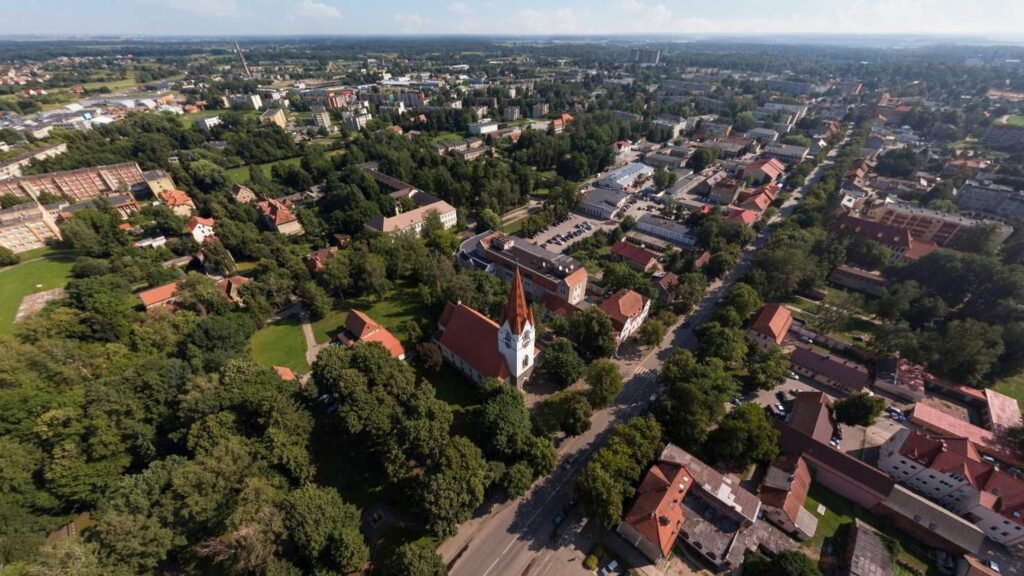
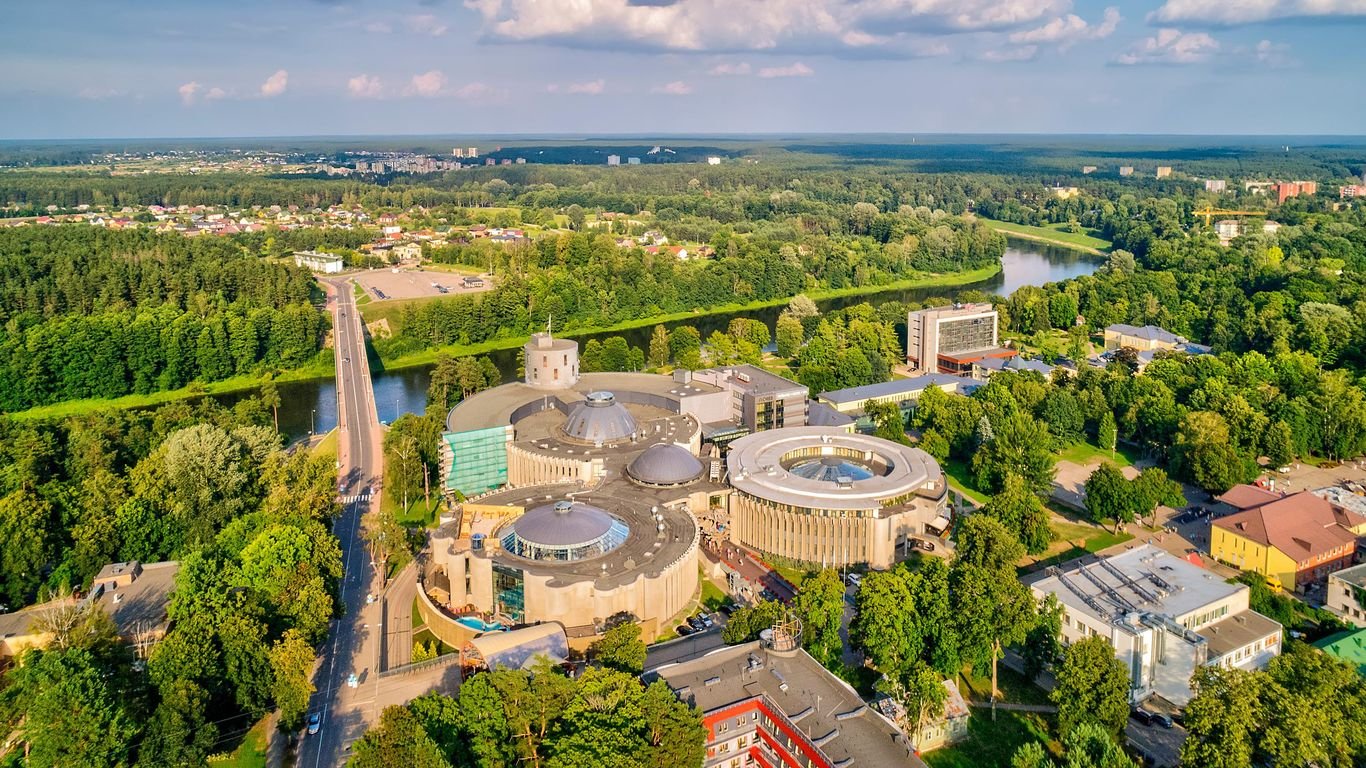
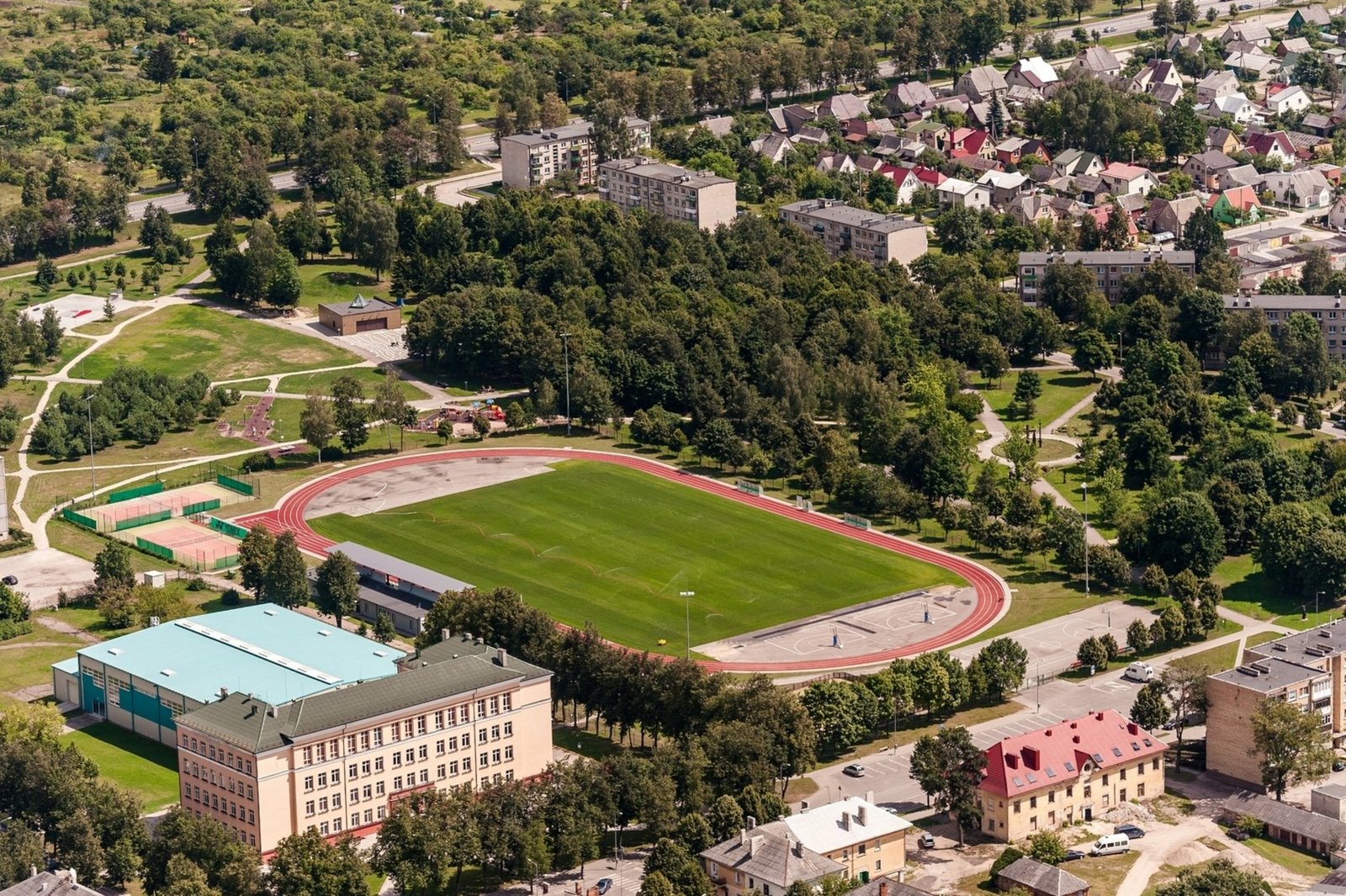
Radviliškis is an important city in northern Lithuania, renowned for its railway heritage, historical significance, cultural traditions, and strategic location. Situated in the Šiauliai region, Radviliškis has long served as one of Lithuania’s most important transportation hubs, connecting major cities and facilitating trade across the country.
The city combines industrial development with rich cultural heritage, offering visitors a unique blend of historical landmarks, museums, parks, and community traditions. Known as the railway capital of Lithuania, Radviliškis played a major role in the nation’s transportation history and continues to be an important railway center today.
Surrounded by scenic countryside, forests, and agricultural landscapes, Radviliškis also provides access to beautiful natural attractions while maintaining a strong connection to its historical roots.
Today, the city stands as a symbol of resilience, development, and regional pride in northern Lithuania.
History of Radviliškis
The origins of Radviliškis date back to the 16th century, when it developed as a small settlement associated with noble estates and regional trade routes. The city’s name is linked to the influential Radziwiłł Family, one of the most powerful noble dynasties in the history of the Grand Duchy of Lithuania.
The most significant period of growth occurred during the 19th century with the arrival of the railway. As major railway lines crossed the region, Radviliškis transformed into an important transportation and industrial center.
The city also played a role in several historical events, including conflicts during both World Wars and Lithuania’s struggle for independence.
Today, visitors can still see evidence of the city’s rich history through its monuments, museums, and railway heritage sites.
1. Radviliškis Railway Station

The Symbol of the City
The Radviliškis Railway Station is the city’s most iconic landmark and the foundation of its modern development.
For more than a century, the station has served as a crucial transportation hub connecting northern Lithuania with other major regions. Its historical significance reflects the role of railways in shaping the economic growth of the city.
Visitors interested in transportation history often begin their exploration here.
The station remains one of Lithuania’s most important railway centers.
2. Railway Heritage Museum

Discovering Lithuania’s Railway History
The Railway Heritage Museum celebrates the city’s deep connection with rail transport.
The museum features historical photographs, railway equipment, documents, and exhibits that explain the development of Lithuania’s rail network.
Visitors can learn about the technological and social impact of railways on the country’s history.
The museum is a must-visit attraction for history enthusiasts.
3. Radviliškis Cultural Center

The Cultural Heart of the Community
The Radviliškis Cultural Center hosts concerts, exhibitions, theatrical performances, festivals, and educational programs throughout the year.
The center plays a vital role in preserving local traditions while supporting modern artistic expression.
Visitors can experience the city’s vibrant cultural life through its diverse events.
It remains an important gathering place for residents.
4. Radviliškis Freedom Monument
Honoring National Independence
The Freedom Monument commemorates Lithuania’s struggle for freedom and sovereignty.
The monument stands as a reminder of the sacrifices made by previous generations and serves as an important site for national celebrations and commemorations.
Visitors often stop to reflect upon its historical significance.
The monument remains a symbol of civic pride.
5. Maironis Park

A Green Oasis in the City
The beautiful Maironis Park provides a peaceful environment for recreation and relaxation.
Visitors can enjoy walking paths, gardens, playgrounds, and open green spaces while escaping the bustle of urban life.
The park serves as a popular destination for families and outdoor enthusiasts.
Its natural beauty contributes greatly to the city’s appeal.
6. Church of the Nativity of the Blessed Virgin Mary

A Spiritual Landmark
The Church of the Nativity of the Blessed Virgin Mary is one of the city’s most important religious buildings.
Its impressive architecture and historical significance make it a major attraction for visitors interested in culture and spirituality.
The church continues to serve as an active center of worship and community life.
It remains a prominent feature of the city skyline.
7. Battle of Radviliškis Memorial Sites

Remembering a Historic Victory
The Battle of Radviliškis was one of the important events during Lithuania’s War of Independence.
Memorial sites throughout the city commemorate the bravery of Lithuanian forces and their contribution to securing national sovereignty.
Visitors interested in military history often explore these landmarks.
They remain significant symbols of national pride.
8. Radviliškis Local History Museum
Exploring Regional Heritage
The Radviliškis Local History Museum preserves the cultural and historical heritage of the region.
Its collections include archaeological artifacts, ethnographic exhibits, photographs, and historical documents that tell the story of local communities.
Visitors gain valuable insight into the city’s development through the centuries.
The museum serves as an important educational resource.
9. Šeduva Windmill Area

Discovering Traditional Lithuania
Near Radviliškis, visitors can explore the historic Šeduva Windmill, a symbol of traditional Lithuanian rural life.
The site reflects centuries of agricultural heritage and offers excellent opportunities for photography and cultural exploration.
Visitors interested in rural history often include the windmill in their itinerary.
It remains a beloved landmark of the region.
10. Countryside Nature Trails

Exploring the Landscapes of Northern Lithuania
The surrounding countryside offers numerous opportunities for hiking, cycling, birdwatching, and nature observation.
Visitors can enjoy peaceful forests, open fields, rivers, and traditional villages while discovering the natural beauty of northern Lithuania.
These landscapes provide a perfect complement to the city’s historical attractions.
Nature lovers will find plenty to explore beyond the urban center.
Related artical : Best place to visit in Palanga