
Now Reading: Best place to visit in Semey
-
01
Best place to visit in Semey
Best place to visit in Semey

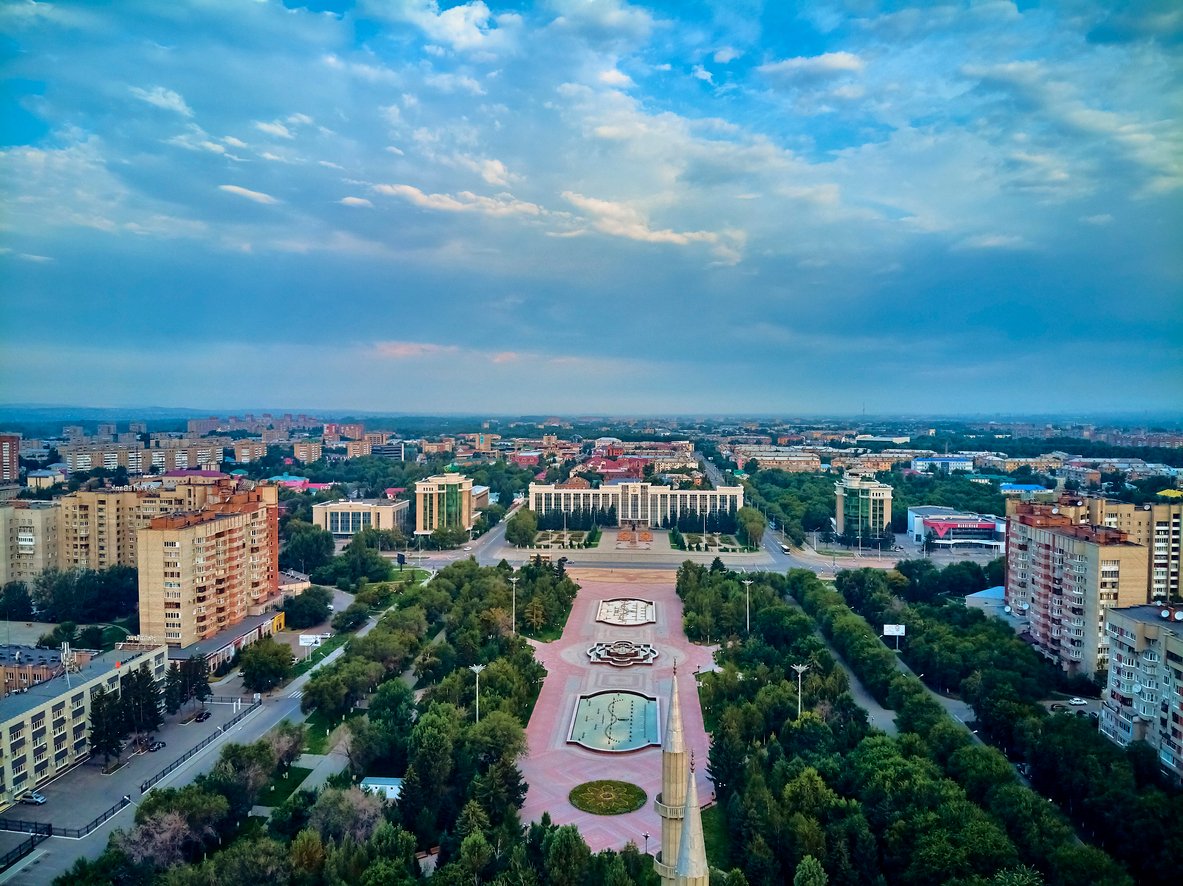
Semey, formerly known as Semipalatinsk, is one of Kazakhstan’s oldest and most historically significant cities. Located on the banks of the mighty Irtysh River in eastern Kazakhstan, Semey has played a vital role in the country’s cultural, intellectual, economic, and political development for more than three centuries. The city is particularly renowned as the birthplace of modern Kazakh literature and a center of education, philosophy, and national identity
Throughout its history, Semey served as an important trading post on routes connecting Central Asia, Siberia, China, and Russia. It became a gathering place for scholars, writers, merchants, and political thinkers who helped shape the cultural landscape of Kazakhstan.
Today, Semey stands as a city where history, literature, culture, and modern development come together, offering visitors a fascinating glimpse into Kazakhstan’s past and future.
1. The Historical Origins of Semey

Semey was founded in 1718 as a Russian military fortress along the Irtysh River. The settlement was established to strengthen regional security and support trade across the vast territories of Central Asia and Siberia.
The city derives its historical name, Semipalatinsk, from the remains of seven Buddhist structures discovered near the area by early explorers. Over time, the fortress evolved into a thriving commercial and cultural center that attracted settlers, merchants, and intellectuals from across the Russian Empire and Central Asia.
Its strategic location contributed significantly to its growth and regional influence.
Today, Semey’s historical landmarks continue to preserve the memory of its rich and diverse past.
2. The City of Abai – Father of Modern Kazakh Literature

Semey is most famous as the city closely associated with Abai Kunanbayuly, one of Kazakhstan’s greatest poets, philosophers, and cultural reformers.
Abai spent much of his life in the region and produced literary works that transformed Kazakh culture and national consciousness. His poetry, essays, and philosophical writings continue to inspire generations throughout Kazakhstan and beyond.
Visitors to Semey can explore museums, monuments, and cultural institutions dedicated to preserving Abai’s legacy. The city is often considered the spiritual center of Kazakh literature and intellectual life.
Abai’s influence remains deeply embedded in the city’s identity and cultural heritage.
3. A Center of Education and Intellectual Life

Throughout its history, Semey has served as a major center of education and scholarship.
Writers, philosophers, scientists, and educators have contributed to the city’s reputation as one of Kazakhstan’s leading intellectual hubs. Educational institutions in Semey continue to attract students from across the country.
Universities and research centers focus on fields including medicine, engineering, education, agriculture, science, and technology. These institutions help prepare future generations while supporting innovation and economic development.
The city’s strong educational tradition remains one of its greatest strengths.
4. The Irtysh River – Lifeline of Semey
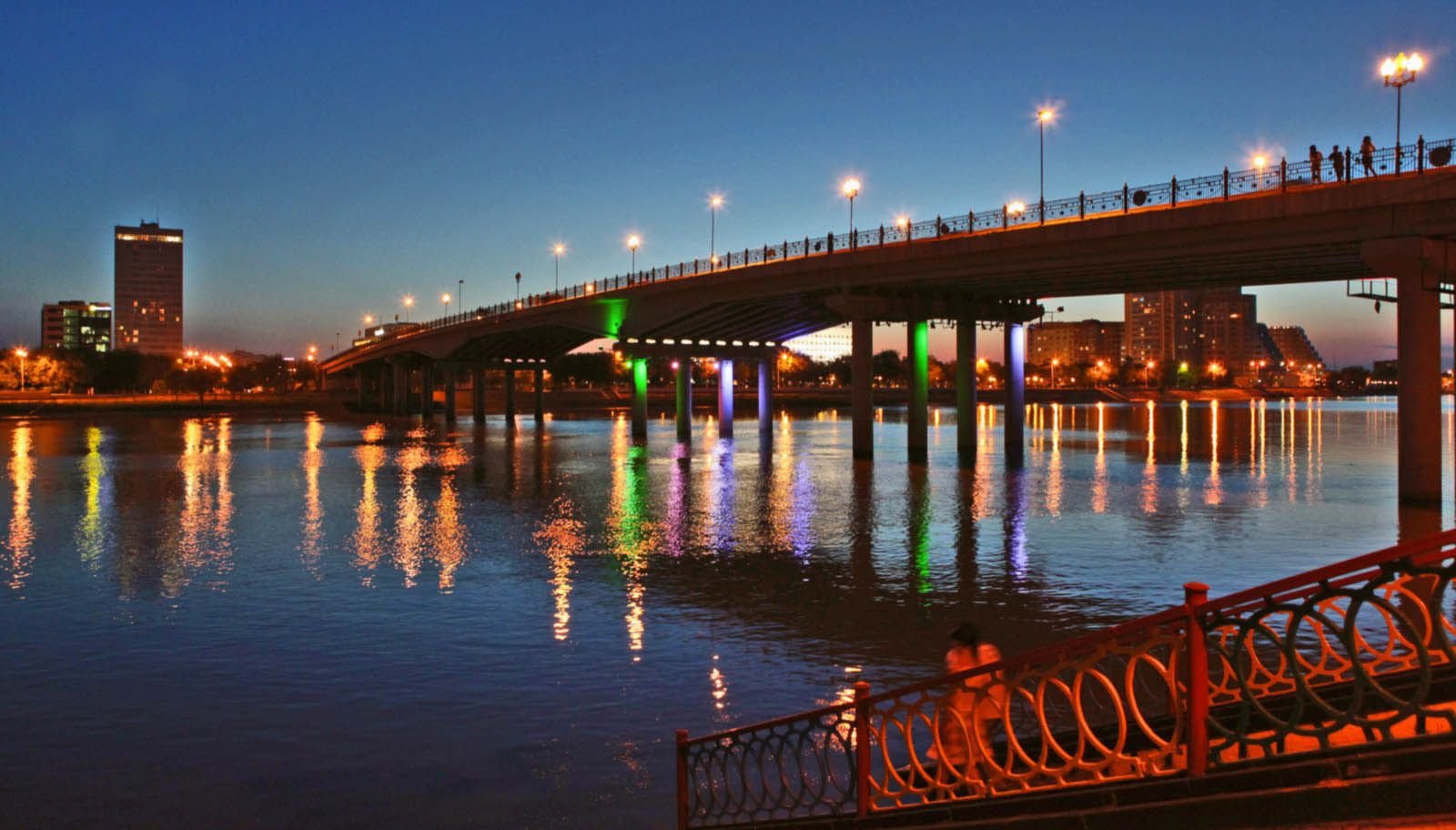
The mighty Irtysh River flows through the heart of Semey and has played a central role in its development for centuries.
The river provided transportation routes, trade opportunities, fishing resources, and economic benefits that supported the city’s growth. Historically, merchants transported goods along the river, helping establish Semey as an important commercial center.
Today, the riverfront offers beautiful views, recreational spaces, and opportunities for relaxation. Modern bridges crossing the Irtysh have become symbols of the city’s development and connectivity.
The river continues to shape the character and beauty of Semey.
5. Semey and Fyodor Dostoevsky

Semey holds a unique place in literary history due to its connection with Fyodor Dostoevsky.
After his exile and imprisonment, Dostoevsky spent several years in Semey, where he continued his literary and intellectual pursuits. During this period, he formed friendships with local scholars and gained experiences that influenced his later works.
Today, the Dostoevsky Museum preserves artifacts, documents, and exhibits related to the famous writer’s life in the city.
The museum attracts literature enthusiasts from around the world and highlights Semey’s role in global literary history.
6. The Semipalatinsk Test Site – A Powerful Historical Legacy

One of the most significant chapters in Semey’s modern history is its association with the Semipalatinsk Nuclear Test Program.
During the Soviet era, a large nuclear testing site was established in the region. Hundreds of nuclear tests were conducted over several decades, affecting nearby communities and the environment.
Following Kazakhstan’s independence, the test site was permanently closed, and the country became a global advocate for nuclear disarmament and peace.
Today, Semey serves as a symbol of resilience, recovery, and international cooperation in promoting a safer world.
7. Cultural Heritage and Museums

Semey offers a rich variety of museums, monuments, theaters, and cultural institutions.
These attractions preserve the city’s history, literary achievements, artistic traditions, and social development. Exhibitions cover topics ranging from archaeology and ethnography to literature and modern history.
Cultural festivals, performances, and public events help celebrate the city’s heritage and strengthen community identity.
Visitors gain valuable insights into Kazakhstan’s diverse cultural landscape through these institutions.
8. Modern Development and Economic Growth

Modern Semey continues to evolve through investments in infrastructure, transportation, education, healthcare, and business development.
The city supports industries including manufacturing, food processing, agriculture, trade, logistics, and services. Economic diversification has created new opportunities while preserving historical and cultural assets.
Urban development projects have improved public facilities, housing, transportation systems, and recreational spaces throughout the city.
Semey remains an important contributor to eastern Kazakhstan’s economic progress.
9. Natural Landscapes and the Kazakh Steppe

The landscapes surrounding Semey reflect the beauty and scale of eastern Kazakhstan.
Vast grasslands, river valleys, forests, and rolling hills create a diverse natural environment that has supported human communities for centuries. These landscapes influenced the development of traditional Kazakh culture and nomadic lifestyles.
Outdoor enthusiasts can explore nearby natural areas, enjoy wildlife observation, and experience the tranquility of the Kazakh countryside.
The surrounding environment contributes significantly to Semey’s appeal as a destination.
10. Semey Today – Kazakhstan’s City of Culture, Literature, and Resilience

Today, Semey stands as one of Kazakhstan’s most culturally significant cities. Its deep connections to literature, education, history, and national identity make it a destination unlike any other in the country. From the legacy of Abai and Dostoevsky to the lessons of the Semipalatinsk Test Site and the beauty of the Irtysh River, every aspect of Semey reflects a rich and complex history.
Visitors discover a city that has played a pivotal role in shaping Kazakhstan’s intellectual and cultural development while embracing modernization and future growth. Museums, monuments, educational institutions, and historical sites preserve the city’s remarkable heritage and inspire future generations.
As Kazakhstan continues to strengthen its position on the global stage, Semey remains a symbol of knowledge, resilience, creativity, and cultural pride. It is a city where history and progress coexist, offering an unforgettable experience in the heart of eastern Kazakhstan.
Related artical : Best place to visit in Ust-Kamenogorsk