
Now Reading: Best place to visit in Tripoli
-
01
Best place to visit in Tripoli
Best place to visit in Tripoli
Introduction
Tripoli is Lebanon’s second-largest city and one of the oldest continuously inhabited cities in the world. Located along the Mediterranean coast approximately 85 kilometers north of Beirut, Tripoli has served as a major center of trade, culture, learning, and political influence for thousands of years. The city is renowned for its rich history, remarkable Mamluk architecture, bustling traditional markets, ancient monuments, and vibrant cultural heritage.
Often referred to as the “Capital of the North,” Tripoli offers visitors a fascinating journey through centuries of history. From Phoenician settlements and Crusader fortresses to Ottoman mosques and traditional hammams, the city preserves an extraordinary collection of historical treasures that reflect the diverse civilizations that shaped Lebanon.
Today, Tripoli remains an important economic and cultural center while continuing to attract historians, architects, and travelers eager to explore one of the Middle East’s most historically significant urban landscapes.
History of Tripoli
The history of Tripoli dates back more than 4,000 years. Originally established by the Phoenicians, the city became an important commercial hub due to its strategic location on the Mediterranean Sea. During the Phoenician era, Tripoli served as a federation center connecting the major Phoenician cities of Tyre, Sidon, and Arwad.
Over the centuries, Tripoli came under the control of numerous empires including the Assyrians, Persians, Greeks, Romans, Byzantines, Arabs, Crusaders, Mamluks, and Ottomans. Each civilization left a lasting imprint on the city’s architecture, culture, and identity.
One of the most transformative periods occurred during the Mamluk era following the defeat of the Crusaders in 1289. The Mamluks rebuilt much of the city, constructing mosques, schools, markets, and public buildings that still define Tripoli’s historic center today.
Throughout the Ottoman period, Tripoli flourished as a regional administrative and commercial center. The city’s strategic location facilitated trade between inland Syria and Mediterranean markets, contributing to economic prosperity and cultural development.
Today, Tripoli stands as one of Lebanon’s most important historical cities and a living museum of Middle Eastern civilization.
1. Tripoli Citadel (Saint-Gilles Castle)

The City’s Most Famous Landmark
Tripoli Citadel dominates the city’s skyline from a strategic hilltop overlooking the historic center. Originally built during the Crusader period in the twelfth century, the fortress was later expanded and modified by the Mamluks and Ottomans.
The citadel served as a military stronghold protecting the city from invasions and played a crucial role in regional conflicts throughout history. Its massive walls, towers, courtyards, and underground chambers provide valuable insight into medieval military architecture.
Visitors can explore the fortress while enjoying panoramic views of Tripoli, the Mediterranean coastline, and surrounding mountains. The citadel remains one of Lebanon’s most significant historical monuments.
2. Old Tripoli Souks

The Heart of Traditional Commerce
The historic Tripoli Souks represent one of the best-preserved medieval market districts in the Middle East.
The narrow streets are lined with workshops, spice vendors, soap makers, jewelers, textile merchants, and traditional craftsmen whose businesses have operated for generations. Many market sections are named after the goods historically sold there, reflecting centuries-old commercial traditions.
Walking through the souks offers visitors an immersive experience filled with historic architecture, local culture, and authentic Lebanese craftsmanship.
The markets continue to serve as a vital economic and social center for the city.
3. Al-Mansouri Great Mosque

Masterpiece of Mamluk Architecture
Al-Mansouri Great Mosque is the largest and most important mosque in Tripoli.
Built in the late thirteenth century following the Mamluk conquest, the mosque showcases magnificent Islamic architecture featuring elegant arches, intricate stonework, spacious courtyards, and a prominent minaret.
The structure stands as one of the finest examples of Mamluk architecture in Lebanon and continues to serve as an active place of worship.
Visitors admire both its historical significance and remarkable architectural beauty.
4. Khan Al-Khayyatin

A Historic Trading Center
Khan Al-Khayyatin is one of the city’s historic caravanserais, originally serving merchants and travelers arriving from across the region.
Constructed during the Mamluk period, the building provided accommodation, storage facilities, and trading space for merchants engaged in long-distance commerce.
Today, the structure remains an important architectural landmark reflecting Tripoli’s historical role as a major commercial center.
Its courtyards and stone architecture continue to attract visitors interested in the city’s trading heritage.
5. Hammam Al-Abed

Preserving Ottoman Traditions
Hammam Al-Abed is one of several historic bathhouses that once played an important role in social life throughout the city.
Built during the Ottoman era, the hammam features domed ceilings, marble interiors, and traditional bathing chambers designed to promote relaxation and hygiene.
Public bathhouses served as important community gathering places where residents socialized, conducted business, and participated in cultural traditions.
The hammam remains an important reminder of Ottoman influence on urban life in Tripoli.
6. Tripoli Soap Khan

A Legacy of Craftsmanship
Tripoli has long been famous for producing high-quality olive oil soap, and the Soap Khan preserves this important tradition.
The production of natural soap has been part of the city’s economy for centuries, utilizing locally sourced olive oil and traditional manufacturing techniques.
Visitors can learn about the soap-making process while exploring historic workshops and purchasing handmade products.
The craft remains an important aspect of Tripoli’s cultural and economic heritage.
7. Al-Mina District

The City’s Maritime Gateway
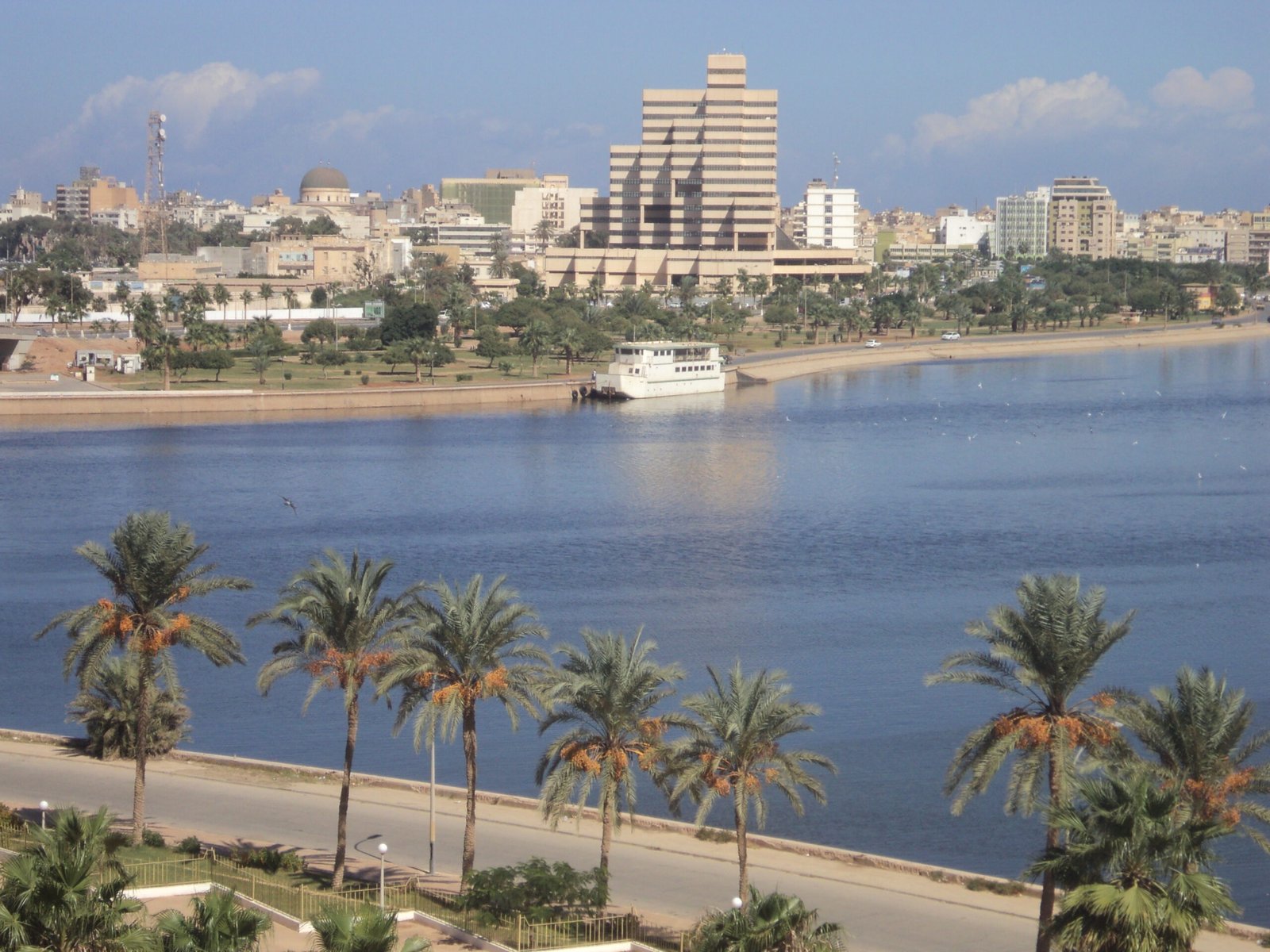
Al-Mina serves as the coastal district and historic harbor area of Tripoli.
For centuries, ships arriving from across the Mediterranean docked here, bringing goods, travelers, and cultural influences that contributed to the city’s prosperity.
Today, Al-Mina offers scenic waterfront views, seafood restaurants, fishing boats, and access to nearby islands.
The district continues to play an important role in Tripoli’s economic and cultural life.
8. Palm Islands Nature Reserve

A Protected Marine Sanctuary
Palm Islands Nature Reserve consists of a group of protected islands located off the coast of Tripoli.
The reserve provides habitat for migratory birds, marine species, and endangered sea turtles. Conservation efforts aim to preserve the ecological importance of the islands while promoting responsible tourism.
Visitors can enjoy boat excursions and observe unique coastal ecosystems that contrast with the city’s urban environment.
The reserve represents one of Lebanon’s most valuable natural attractions.
9. Tell Tripoli Archaeological Site
Exploring Ancient Civilizations
The Tell Tripoli archaeological site contains evidence of settlements dating back thousands of years.
Excavations have revealed artifacts from Phoenician, Persian, Greek, Roman, and Byzantine periods, demonstrating the city’s long and complex history.
The site offers valuable insight into the civilizations that contributed to Tripoli’s development as a major Mediterranean center.
Archaeologists continue to study the area to uncover new information about Lebanon’s ancient past.
10. Tripoli’s Cultural Heritage
A Living Museum of History
Tripoli’s greatest attraction may be its overall cultural landscape, where centuries of history remain visible in daily life. The city’s mosques, markets, schools, bathhouses, khans, and residential neighborhoods collectively form one of the most complete historic urban environments in the Arab world.
Traditional crafts, cuisine, festivals, and community customs continue to preserve the city’s unique identity. Visitors often describe Tripoli as one of the most authentic historical destinations in the Middle East.
Its combination of architectural heritage, cultural traditions, and living history makes the city a truly exceptional place to explore.
Related artical : Best place to visit in Liberia