
Now Reading: Best place to visit in Verona
-
01
Best place to visit in Verona
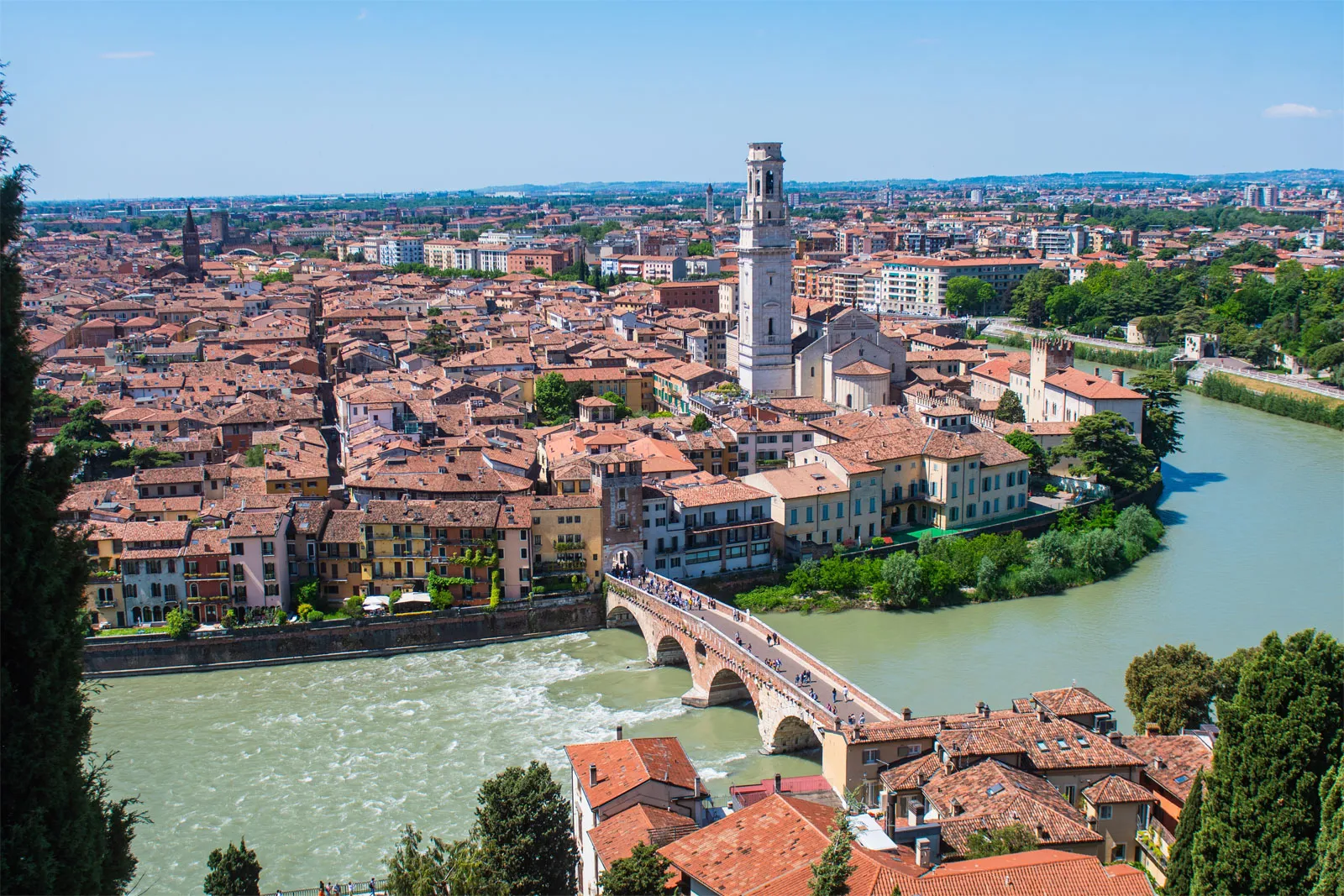
Best place to visit in Verona

Verona is one of Italy’s most enchanting and romantic cities. Located between Milan and Venice in the Veneto region, Verona is renowned for its remarkable Roman monuments, medieval architecture, beautiful piazzas, elegant bridges, and its association with Shakespeare’s legendary love story, Romeo and Juliet.
With a history spanning more than 2,000 years, Verona has been shaped by Roman emperors, medieval rulers, noble families, and Renaissance artists. The city’s historic center is recognized as a UNESCO World Heritage Site because of its exceptional collection of monuments and architectural treasures.
Visitors can explore ancient arenas, romantic courtyards, magnificent churches, scenic riverfronts, and charming streets while enjoying authentic Italian culture and cuisine. Verona perfectly combines history, romance, art, and beauty, making it one of Italy’s most beloved destinations.
Whether you are a history enthusiast, literature lover, architecture admirer, or romantic traveler, Verona offers unforgettable experiences at every turn.
1. Verona Arena – One of the World’s Best-Preserved Roman Amphitheaters

Verona Arena is the city’s most famous landmark and one of the finest surviving Roman amphitheaters in existence.
Built around 30 AD, the arena predates Rome’s Colosseum and could once accommodate more than 30,000 spectators. During the Roman era, it hosted gladiatorial contests, public spectacles, and entertainment events.
Today, the arena is internationally famous for its summer opera festival, attracting performers and audiences from around the world. The combination of ancient architecture and world-class performances creates a truly unique cultural experience.
Visitors can explore the ancient structure, admire its remarkable engineering, and imagine the grandeur of Roman entertainment nearly 2,000 years ago.
The Verona Arena remains one of Italy’s most extraordinary historical monuments.
2. Juliet’s House – The World’s Most Famous Romantic Attraction

Juliet’s House is one of the most visited attractions in Italy and a symbol of romance worldwide.
Inspired by Shakespeare’s famous tragedy, the house is traditionally associated with Juliet Capulet, the heroine of Romeo and Juliet. Visitors come from around the globe to see the legendary balcony where Juliet is said to have listened to Romeo’s declarations of love.
The courtyard contains a bronze statue of Juliet and walls covered with messages, notes, and love letters left by visitors.
Although the story itself is fictional, the site has become a powerful symbol of love, passion, and romance.
For many travelers, visiting Juliet’s House is the highlight of their journey to Verona.
3. Piazza delle Erbe – Verona’s Historic Marketplace

Piazza delle Erbe is one of the most beautiful and vibrant squares in Italy.
Built on the site of the ancient Roman forum, the square has served as the commercial and social center of Verona for centuries.
Surrounded by colorful buildings, historic palaces, cafés, restaurants, and market stalls, Piazza delle Erbe offers visitors a lively atmosphere filled with history and charm.
Visitors can admire beautiful frescoes, elegant architecture, fountains, and local vendors selling souvenirs and regional products.
The square perfectly captures the spirit and energy of Verona.
4. Piazza dei Signori – The Elegant Heart of Medieval Verona

Piazza dei Signori is one of the city’s most elegant and historically important squares.
Often referred to as Verona’s “living room,” the square is surrounded by magnificent palaces that once served as the center of political power.
At its center stands a statue of Dante Alighieri, who lived in Verona during part of his exile.
Visitors can admire Renaissance architecture, peaceful courtyards, and historical monuments while learning about Verona’s medieval history.
The square offers a quieter and more refined atmosphere compared to the bustling Piazza delle Erbe.
5. Castelvecchio – Verona’s Mighty Medieval Fortress

Castelvecchio is one of the city’s most impressive medieval landmarks.
Built during the 14th century by the powerful Scaliger family, the fortress served as a military stronghold and royal residence.
Today, the castle houses an important museum featuring paintings, sculptures, weapons, manuscripts, and historical artifacts.
Visitors can explore towers, courtyards, defensive walls, and exhibition galleries while enjoying beautiful views of the surrounding city.
The fortress offers valuable insight into Verona’s medieval past.
6. Castelvecchio Bridge – A Masterpiece of Medieval Engineering

Castelvecchio Bridge spans the Adige River and is one of the finest examples of medieval engineering in Europe.
Constructed using distinctive red brick, the bridge was designed as an escape route for Verona’s rulers during times of conflict.
Visitors can walk across the bridge while enjoying panoramic views of the river, city skyline, and surrounding architecture.
The bridge’s impressive design and historical importance make it one of Verona’s most photographed attractions.
Its beauty perfectly complements the adjacent Castelvecchio fortress.
7. Basilica of San Zeno – Verona’s Greatest Romanesque Church

Basilica of San Zeno is considered one of Italy’s finest examples of Romanesque architecture.
Dedicated to Saint Zeno, Verona’s patron saint, the church is famous for its beautiful bronze doors, magnificent rose window, and impressive interior.
The basilica is also traditionally associated with the marriage scene in Shakespeare’s Romeo and Juliet.
Visitors can admire remarkable artwork, historical architecture, and centuries of religious heritage.
Its artistic and spiritual significance make it one of Verona’s most important landmarks.
8. Roman Theatre – Verona’s Ancient Cultural Treasure

Roman Theatre is one of the city’s most important archaeological sites.
Built during the 1st century BC, the theater once hosted dramatic performances, musical events, and public gatherings.
Today, visitors can explore ancient ruins, archaeological exhibits, and historical structures while learning about Roman life in Verona.
The elevated location provides beautiful views of the city and the Adige River.
Its historical significance makes it a must-visit destination for history enthusiasts.
9. Giardino Giusti – Verona’s Most Beautiful Garden

Giardino Giusti is one of Italy’s most elegant Renaissance gardens.
Created during the 16th century, the garden features beautifully landscaped terraces, fountains, sculptures, cypress trees, and scenic pathways.
Visitors can enjoy peaceful walks while admiring carefully designed landscapes and spectacular views of Verona.
The gardens have welcomed royalty, artists, and famous travelers for centuries.
Their beauty and tranquility provide a perfect escape from the busy city center.
10. Ponte Pietra – Verona’s Oldest Bridge

Ponte Pietra is the oldest bridge in Verona and one of the city’s most iconic landmarks.
Originally constructed during Roman times, the bridge has connected the two sides of the city for more than 2,000 years.
Despite suffering damage during wars and natural disasters, it has been carefully restored using original materials whenever possible.
Visitors can enjoy stunning views of the Adige River, surrounding hills, and historic architecture.
The bridge is especially beautiful during sunrise and sunset when golden light reflects off the river.
Related artical : Best place to visit in Venice