
Now Reading: Best place to visit inVaduz
-
01
Best place to visit inVaduz
Best place to visit inVaduz

Introduction
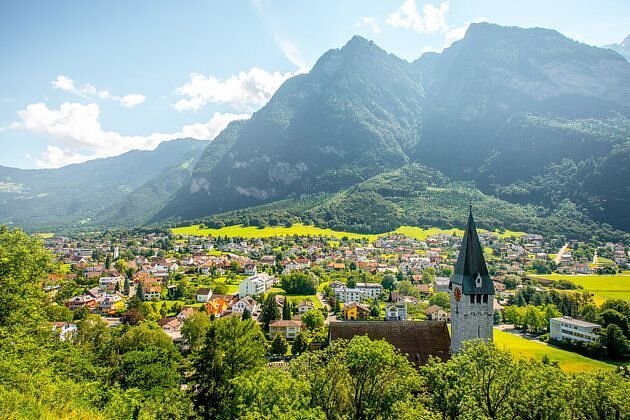
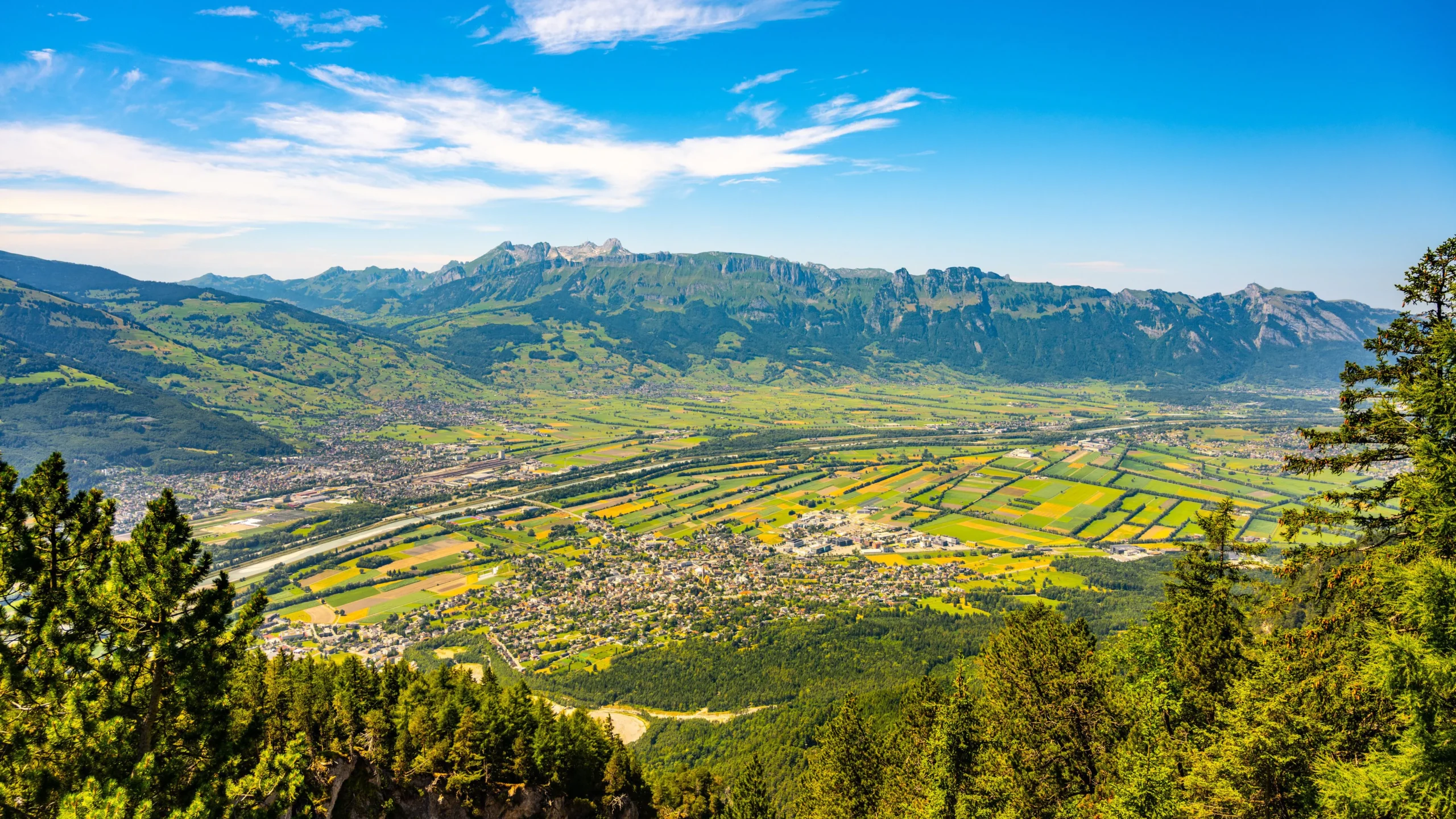
Vaduz is the capital of the Principality of Liechtenstein and one of Europe’s most picturesque small capitals. Nestled in the Rhine Valley between Switzerland and Austria, Vaduz is surrounded by breathtaking Alpine landscapes, rolling vineyards, and snow-capped mountains. Despite its small size, the city serves as the political, cultural, and financial center of Liechtenstein and attracts visitors from around the world with its unique combination of history, culture, and natural beauty.
The city is known for its peaceful atmosphere, high standard of living, impressive museums, historic landmarks, and stunning mountain views. Walking through Vaduz allows visitors to experience a blend of medieval heritage and modern European sophistication. The city’s clean streets, charming architecture, and welcoming environment make it one of the most attractive destinations in the Alps.
Today, Vaduz stands as a symbol of prosperity, stability, and cultural richness while preserving the traditions that have shaped Liechtenstein for centuries.
History of Vaduz
The history of Vaduz dates back to the Middle Ages when the area became an important settlement within the Rhine Valley. The town gradually developed around a strategic hilltop fortress that later became Vaduz Castle.
In 1719, the territories of Vaduz and Schellenberg were united to form the Principality of Liechtenstein under the Holy Roman Empire. This event marked the beginning of the modern state and established Vaduz as the administrative center of the principality.
Over the centuries, Vaduz transformed from a small rural settlement into a thriving capital city. Despite modernization, the city has retained much of its historical character and continues to celebrate its cultural heritage.
Today, Vaduz serves as the seat of government and the residence of the princely family while welcoming visitors interested in its rich history and Alpine charm.
1. Vaduz Castle

The Iconic Symbol of Liechtenstein
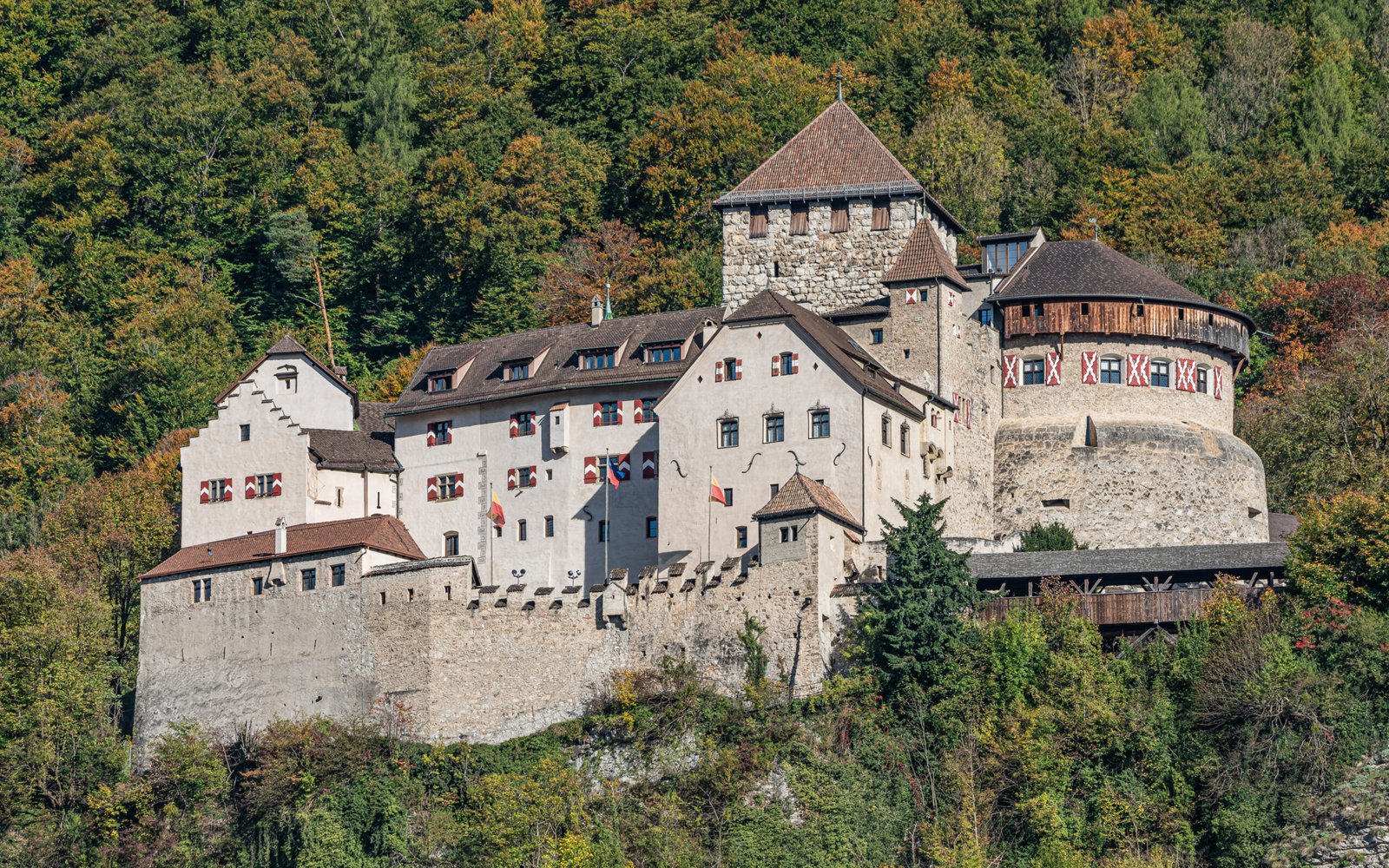
The magnificent Vaduz Castle dominates the city skyline from its elevated position on a hillside above the capital.
Originally built during the medieval period, the castle serves as the official residence of the Prince of Liechtenstein and the princely family. Although the interior is not generally open to the public, visitors can enjoy spectacular views of the castle from various points throughout the city.
The fortress reflects centuries of architectural development and remains one of the country’s most recognizable landmarks.
Its commanding presence symbolizes the history and sovereignty of Liechtenstein.
2. Kunstmuseum Liechtenstein

A Center of Modern Art
The Kunstmuseum Liechtenstein is one of the country’s leading cultural institutions.
The museum houses an impressive collection of modern and contemporary art from international and regional artists. Its striking black cubic architecture has become an architectural landmark in the city center.
Visitors can explore thought-provoking exhibitions while learning about contemporary artistic developments.
The museum plays an important role in promoting culture and creativity throughout Liechtenstein.
3. Liechtenstein National Museum

Discovering the Nation’s Heritage
The Liechtenstein National Museum provides visitors with a comprehensive introduction to the country’s history, culture, and natural environment.
Exhibits explore archaeology, traditional customs, political development, wildlife, and everyday life throughout the principality’s history.
The museum helps visitors understand how one of Europe’s smallest nations developed its unique identity.
It remains an essential stop for anyone interested in learning about Liechtenstein.
4. St. Florin Cathedral

The Spiritual Heart of the Capital
St. Florin Cathedral is one of the most important religious landmarks in the country.
Built in the Neo-Gothic style during the nineteenth century, the cathedral features elegant architecture, stained-glass windows, and a towering spire visible throughout the city.
The church serves as the seat of the Roman Catholic Archdiocese of Vaduz.
Its beauty and historical significance make it a major attraction for visitors.
5. Government Quarter

The Political Center of the Principality
The government district of Vaduz houses important institutions that oversee the administration of Liechtenstein.
Visitors can view the Parliament Building, government offices, and public spaces that reflect the country’s modern political system.
The area highlights Liechtenstein’s status as a constitutional monarchy with strong democratic traditions.
Walking through the district provides insight into the functioning of one of Europe’s most successful small states.
6. Rhine Valley Viewpoints

Spectacular Alpine Landscapes
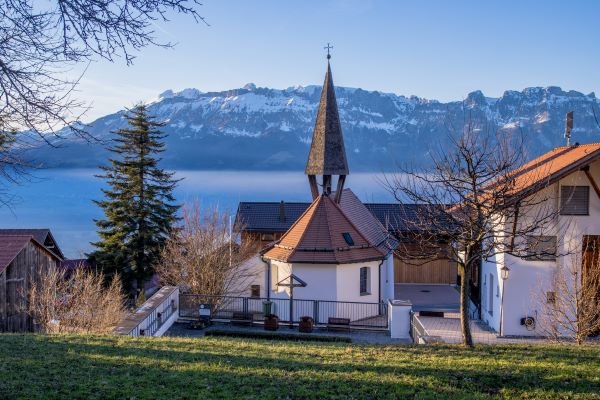
The hills surrounding Vaduz offer breathtaking views across the Rhine Valley and the surrounding Alps.
Visitors can enjoy panoramic vistas of vineyards, forests, mountain peaks, and neighboring Switzerland and Austria. The scenery changes dramatically throughout the seasons, providing year-round beauty.
Photography enthusiasts particularly appreciate the spectacular landscapes visible from these viewpoints.
The natural surroundings remain one of Vaduz’s greatest attractions.
7. Vaduz Vineyard Trail

Exploring Liechtenstein’s Wine Culture
The vineyards surrounding Vaduz represent an important aspect of the country’s agricultural heritage.
Visitors can walk through scenic vineyard trails while learning about local wine production. The region’s favorable climate and fertile soils support high-quality grape cultivation.
The vineyards create beautiful landscapes that complement the city’s Alpine setting.
Wine production continues to play a significant role in local culture.
8. City Center and Pedestrian Zone

The Vibrant Heart of the Capital
The pedestrian-friendly city center of Vaduz offers a pleasant environment for shopping, dining, and sightseeing.
Visitors can explore boutiques, cafés, galleries, and public art installations while enjoying the relaxed atmosphere of the capital. The area serves as a gathering place for residents and tourists alike.
The city center reflects the modern character and prosperity of Liechtenstein.
Its welcoming environment makes it ideal for leisurely exploration.
9. Red House (Rotes Haus)

A Historic Landmark
The Red House is one of the city’s oldest and most distinctive buildings.
Dating back to the Middle Ages, the structure features a prominent tower and traditional architecture that reflect the region’s historical heritage.
Surrounded by vineyards and scenic landscapes, the Red House remains an iconic symbol of Vaduz.
Visitors often admire its picturesque setting and architectural character.
10. Alpine Hiking Trails

Adventure in the Mountains
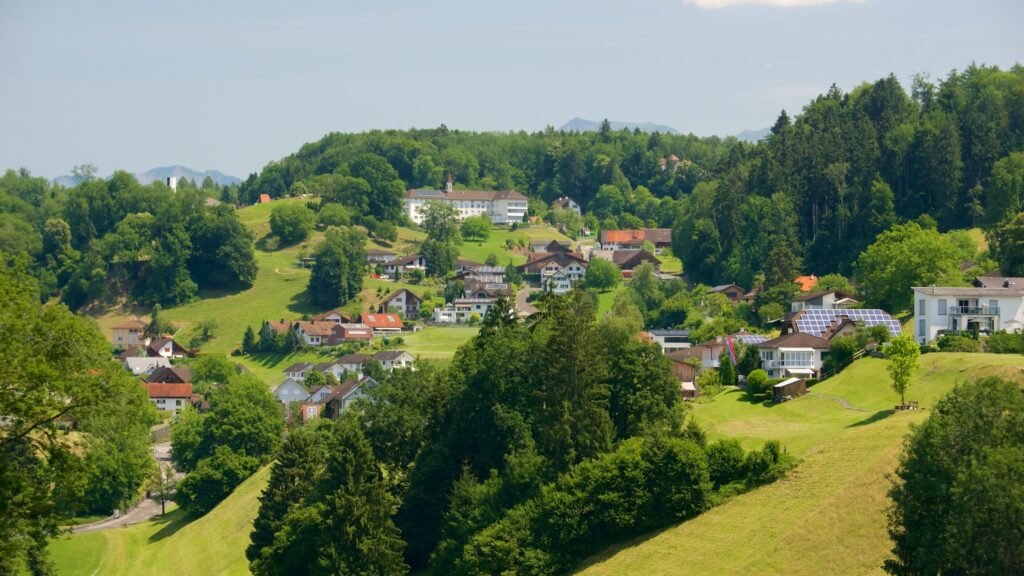
Vaduz serves as an excellent starting point for exploring Liechtenstein’s extensive network of hiking trails.
Routes lead through forests, mountain meadows, and alpine landscapes while offering spectacular views of the Rhine Valley and surrounding peaks.
Visitors can enjoy outdoor recreation ranging from easy walks to challenging mountain hikes.
The trails provide opportunities to experience the natural beauty that makes Liechtenstein such a remarkable destination.
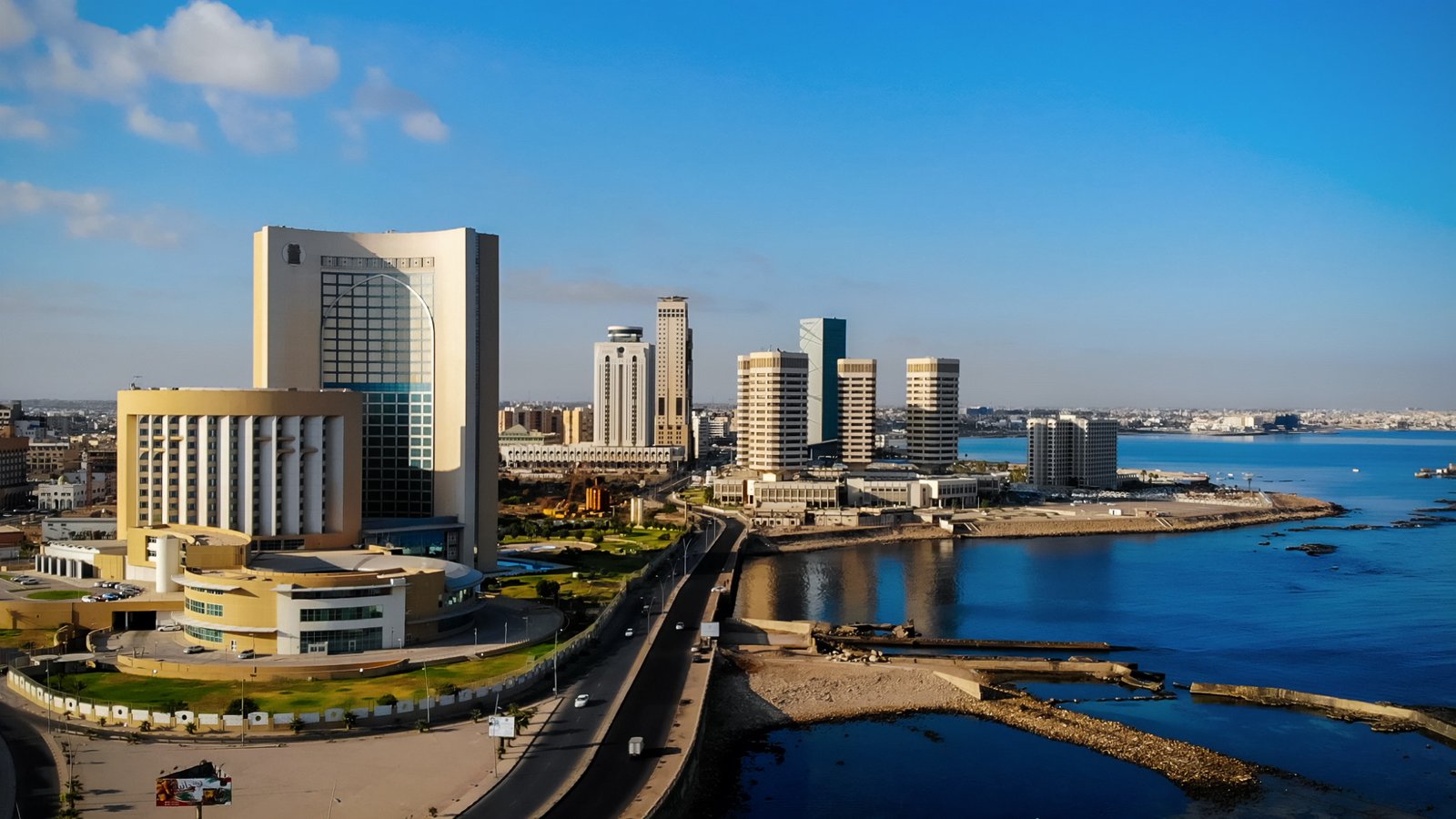
Related artical : Best place to visit in Libya