Now Reading: Best place to visit in Kfar Saba
-
01
Best place to visit in Kfar Saba
Best place to visit in Kfar Saba

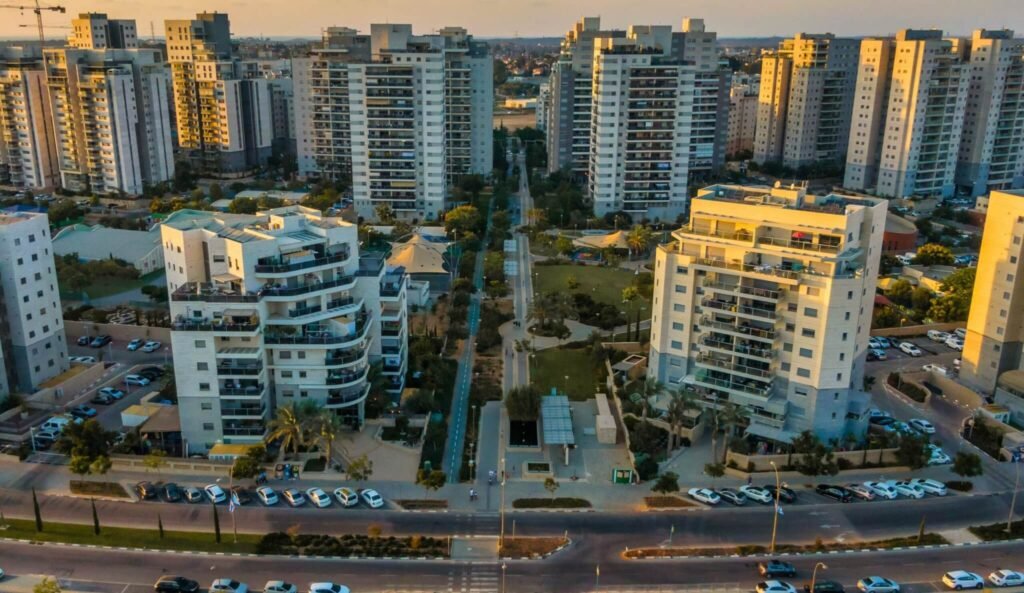
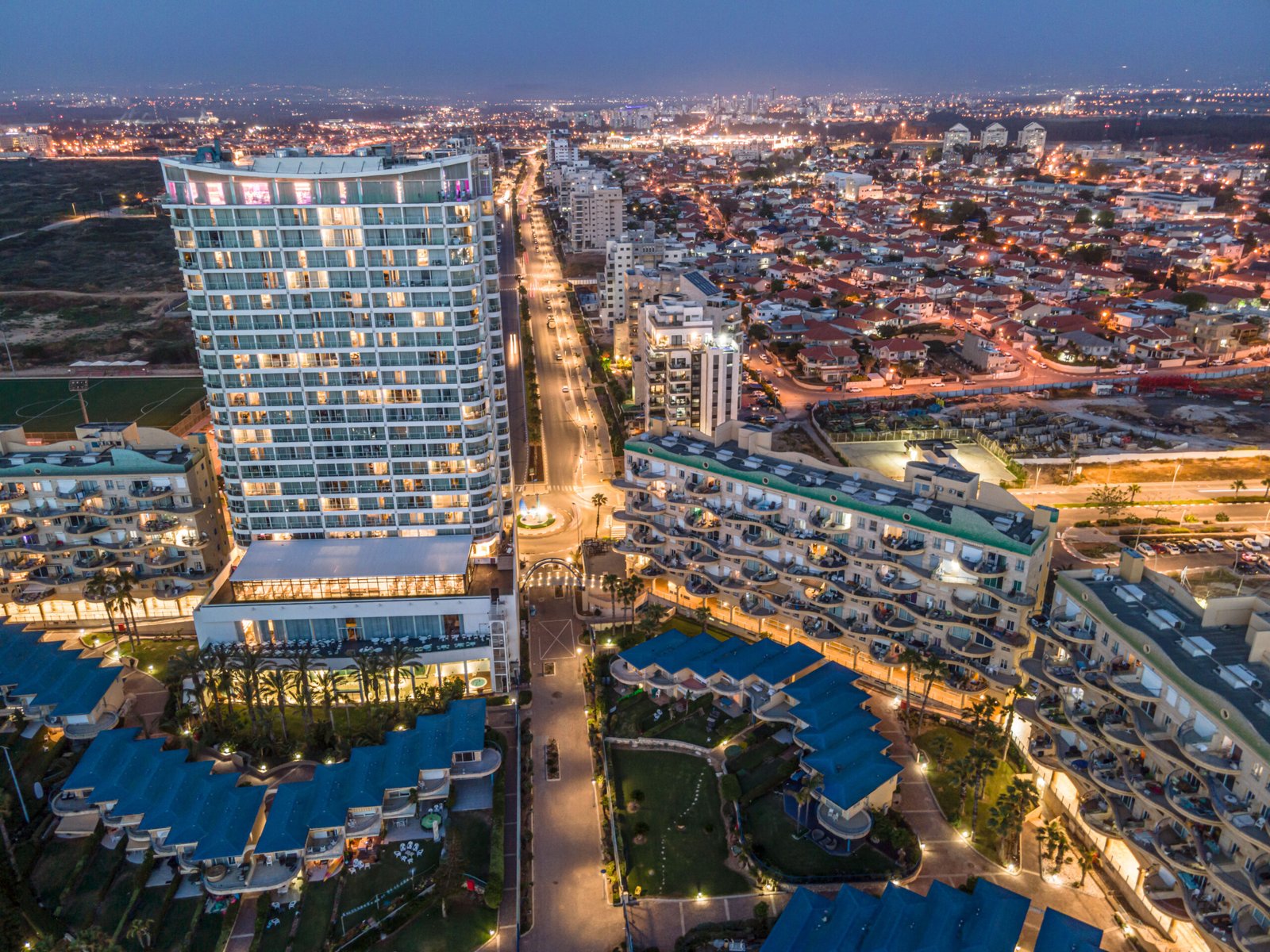
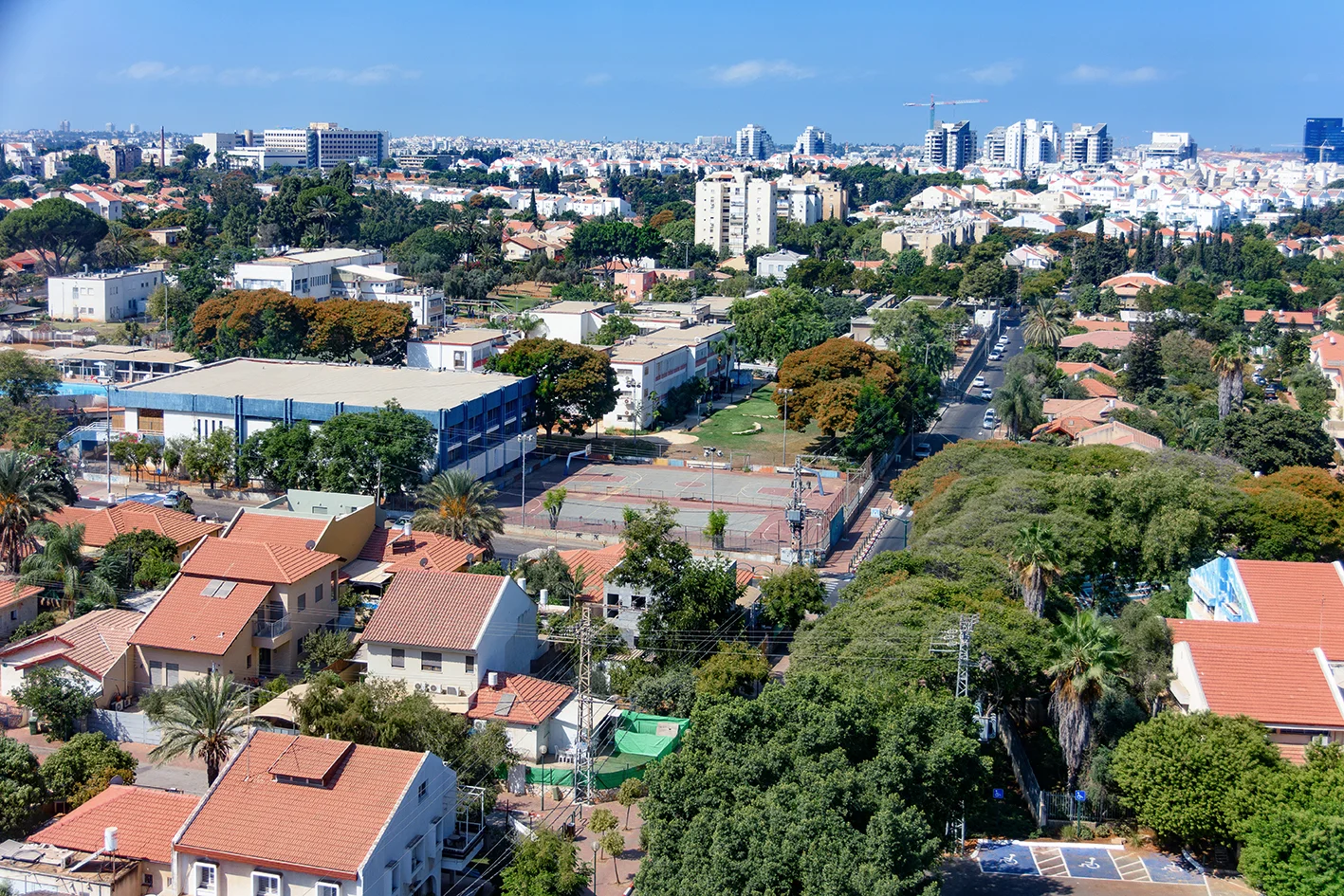
Kfar Saba is one of Israel’s most attractive and livable cities, located in the heart of the Sharon Plain approximately 20 kilometers northeast of Tel Aviv. Renowned for its beautiful parks, rich agricultural heritage, excellent educational institutions, thriving business sector, and high quality of life, Kfar Saba has become one of the country’s most desirable places to live and visit.
Founded in 1903, Kfar Saba has evolved from a small agricultural settlement into a modern city that successfully combines historical charm with contemporary development. The city is known for its tree-lined streets, environmental initiatives, cultural attractions, shopping districts, and family-friendly atmosphere.
Today, Kfar Saba attracts visitors interested in history, nature, culture, recreation, and modern Israeli life. Whether exploring historical landmarks, enjoying green spaces, experiencing local culture, or learning about the city’s pioneering heritage, visitors will discover a destination rich in character and opportunity.
History of Kfar Saba – From Ancient Settlement to Modern City
The area surrounding Kfar Saba has been inhabited for thousands of years, with archaeological discoveries revealing evidence of ancient settlements dating back to biblical and Roman periods.
The modern city was founded in 1903 by Jewish pioneers seeking to establish an agricultural community in the fertile Sharon region. Early settlers faced numerous challenges including difficult farming conditions, water shortages, disease outbreaks, and security concerns.
Despite these hardships, the community persevered and gradually transformed the area into a successful agricultural center known for citrus orchards, farming innovation, and community development.
Following the establishment of Israel in 1948, Kfar Saba experienced rapid growth due to immigration, industrial expansion, and urban development. Today, it stands as one of Israel’s most prosperous and environmentally conscious cities.
Its remarkable history reflects the determination, resilience, and vision of its founders.
1. Kfar Saba Park – The Green Heart of the City

Kfar Saba Park is one of the city’s most beloved attractions and among the largest urban parks in the region.
The park features expansive lawns, walking trails, cycling paths, lakes, playgrounds, sports facilities, fitness areas, and picnic zones.
Visitors can enjoy outdoor recreation, birdwatching, jogging, family activities, and relaxation in a beautifully maintained environment.
The park hosts cultural events, festivals, educational programs, and community gatherings throughout the year.
Its emphasis on sustainability and environmental conservation reflects Kfar Saba’s commitment to green living.
2. Kfar Saba Archaeological Garden – Discovering Ancient Civilizations

Kfar Saba Archaeological Garden offers visitors a fascinating glimpse into the region’s ancient past.
The site contains archaeological remains from various historical periods, including Roman, Byzantine, and early Islamic civilizations.
Visitors can explore ancient structures, artifacts, water systems, and educational exhibits that illustrate life in the area thousands of years ago.
The garden provides valuable insight into the historical significance of the Sharon region.
Its archaeological discoveries continue to contribute to scholarly research and public education.
3. Khan Museum – Preserving Local Heritage

Khan Museum is one of the city’s most important historical attractions.
The museum preserves documents, photographs, tools, agricultural equipment, personal stories, and artifacts related to the city’s development.
Visitors can learn about the lives of early settlers, agricultural traditions, and the transformation of Kfar Saba from a rural community into a modern urban center.
Interactive exhibits help bring local history to life.
The museum serves as an important educational resource for both residents and tourists.
4. The First Well – Symbol of Survival and Growth

The First Well is one of the most significant landmarks in the city’s history.
Water was essential to the survival of the early settlers, and the construction of this well played a critical role in supporting agriculture and daily life.
Visitors can learn about the challenges faced by pioneers and the innovative solutions they developed to thrive in difficult conditions.
The site stands as a symbol of perseverance, determination, and community spirit.
Its historical importance remains deeply connected to the city’s identity.
5. Kfar Saba Cultural Center – The City’s Artistic Hub

Kfar Saba Cultural Center serves as a focal point for arts, entertainment, and community engagement.
The center hosts concerts, theater productions, dance performances, film screenings, educational programs, and cultural festivals.
Visitors can experience contemporary Israeli culture while enjoying performances by local and international artists.
The venue contributes significantly to the city’s vibrant cultural life.
Its programming attracts audiences from throughout the Sharon region.
6. Eco Park – Environmental Innovation and Sustainability

Eco Park demonstrates the city’s commitment to sustainability and environmental education.
The park includes ecological exhibits, educational displays, renewable energy demonstrations, native plant gardens, and wildlife habitats.
Visitors can learn about conservation, recycling, water management, and sustainable urban planning.
Educational programs make the site especially popular among families and school groups.
The Eco Park highlights why Kfar Saba is frequently recognized as one of Israel’s greenest cities.
7. Kfar Saba Market – Experience Local Life

Kfar Saba Market provides visitors with an authentic experience of daily life in the city.
The market features fresh fruits, vegetables, spices, baked goods, local delicacies, clothing, flowers, and household products.
Visitors can interact with vendors, sample regional foods, and enjoy the lively atmosphere that reflects the city’s multicultural character.
The market remains an important social and economic center.
Its vibrant energy makes it a favorite destination for residents and visitors alike.
8. Sharon Region Nature Trails

The areas surrounding Kfar Saba offer numerous hiking and cycling routes through the scenic Sharon region.
Visitors can explore natural landscapes, agricultural fields, wildlife habitats, seasonal flowers, and countryside views.
These trails provide excellent opportunities for outdoor recreation, photography, and environmental appreciation.
Nature enthusiasts particularly enjoy visiting during spring when the region’s wildflowers are in bloom.
The trails showcase the natural beauty that has long attracted settlers to the area.
9. Business and Technology Districts

Kfar Saba has developed into an important center for technology, healthcare, commerce, and professional services.
The city hosts numerous companies involved in software development, engineering, biotechnology, finance, and innovation.
Its highly educated workforce and strategic location make it attractive for businesses and entrepreneurs.
Visitors interested in modern urban development can observe how Kfar Saba successfully balances economic growth with environmental sustainability.
The city’s business sector contributes significantly to its prosperity and quality of life.
10. Food, Culture, Shopping, and Lifestyle

Kfar Saba offers an excellent selection of restaurants, cafés, bakeries, shopping centers, and entertainment venues.
Visitors can enjoy Mediterranean cuisine, Middle Eastern specialties, international dishes, artisan pastries, gourmet coffee, and fresh local produce.
The city hosts cultural festivals, music events, art exhibitions, food fairs, community celebrations, and seasonal activities throughout the year.
Its family-friendly atmosphere, clean environment, and strong community spirit make it one of Israel’s most attractive cities.
The combination of modern amenities and green spaces creates an exceptional quality of life.
Related artical : Best place to visit in Herzliya