
Now Reading: Best place to visit in Danzig
-
01
Best place to visit in Danzig
Best place to visit in Danzig
🏛️ 1. Long Market (Długi Targ) – Heart of Historic Gdańsk

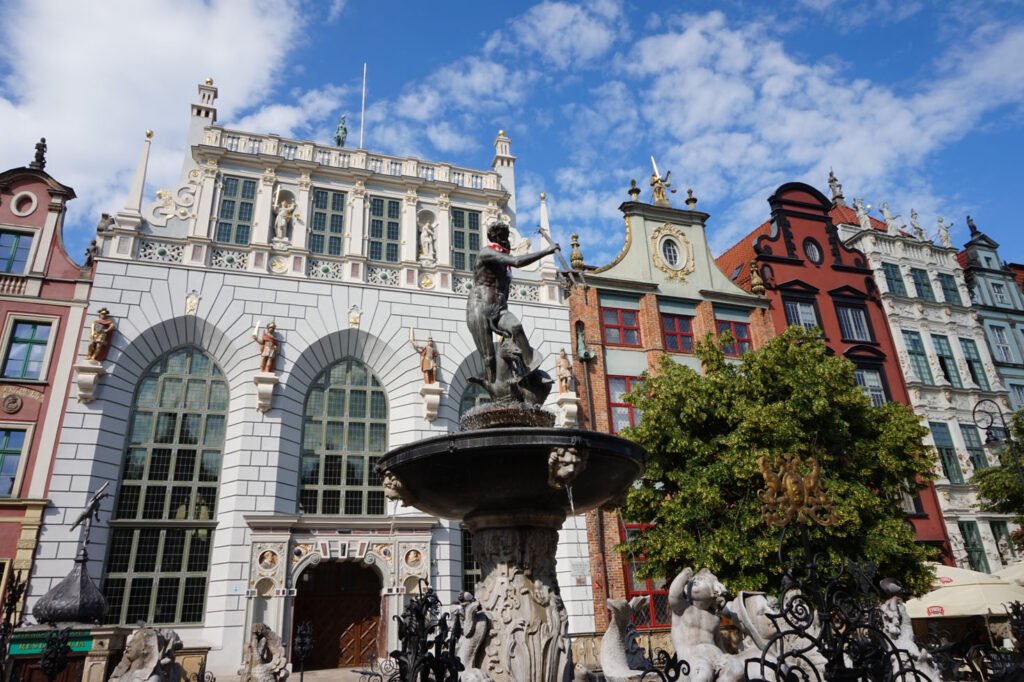
The Long Market is the most famous street and central square of Gdańsk Old Town. Surrounded by colorful merchant houses, elegant facades, cafes, restaurants, and historical buildings, this area reflects the city’s former wealth during the Hanseatic era.
Walking through the Long Market feels like entering a medieval painting filled with architectural beauty and cultural atmosphere.
One of the most iconic landmarks here is Neptune’s Fountain, a symbol of Gdańsk and its maritime identity. The statue of Neptune represents the city’s strong relationship with the Baltic Sea and trade.
The street was once used for royal processions and celebrations, earning it the name “Royal Way.”
Today, the Long Market remains filled with life as visitors explore local shops, amber jewelry stores, museums, street musicians, and outdoor cafes.
The area perfectly captures the spirit and beauty of historical Gdańsk.
⛪ 2. St. Mary’s Church – One of the Largest Brick Churches in the World

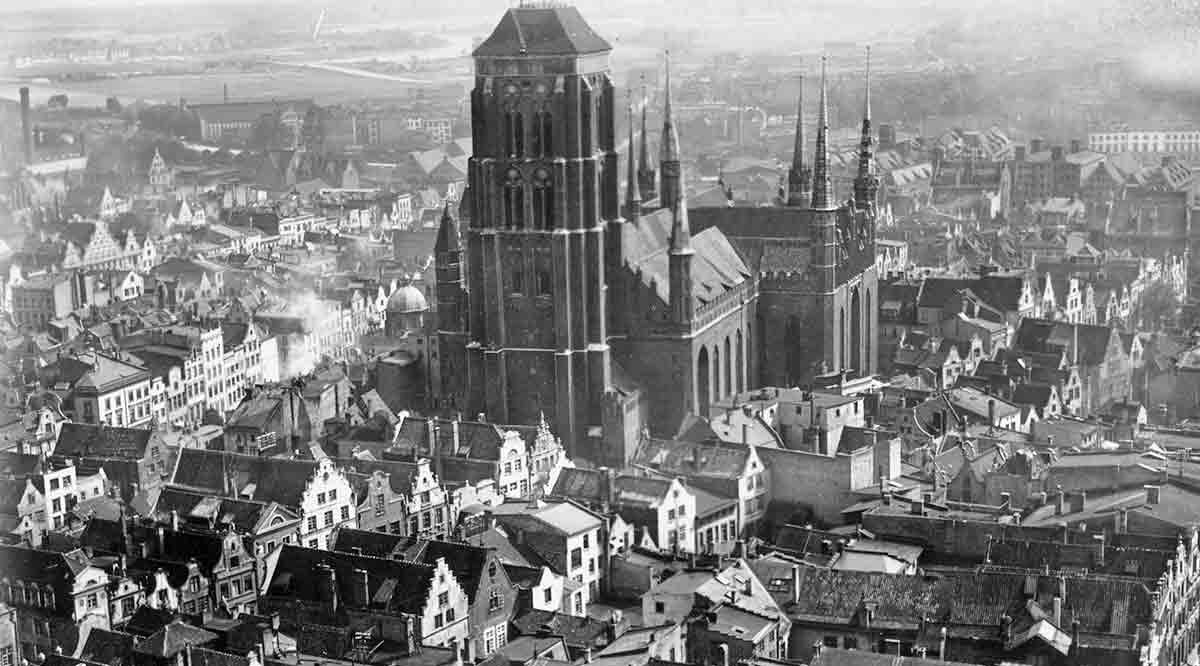
St. Mary’s Church is one of Gdańsk’s greatest architectural treasures and one of the largest brick churches in the world.
Construction began during the 14th century, and the church became an important symbol of the city’s religious and economic power.
Inside, visitors can admire enormous vaulted ceilings, medieval artwork, astronomical clocks, sculptures, altars, and peaceful spiritual atmosphere.
The church tower offers breathtaking panoramic views across Gdańsk’s rooftops, harbor, and Baltic coastline.
Despite suffering damage during World War II, the church was carefully restored and remains one of the city’s proudest landmarks.
St. Mary’s Church beautifully reflects the Gothic elegance and resilience of Gdańsk.
⚓ 3. Gdańsk Harbor & Motława River Waterfront

The harbor and Motława River waterfront are among the most scenic and lively areas in Gdańsk.
For centuries, ships carrying grain, timber, amber, and goods from across Europe arrived at this port, helping Gdańsk become one of the richest trading cities on the Baltic Sea.
Today, the waterfront is filled with restaurants, cafes, historical ships, museums, and beautiful promenades where visitors can relax beside the river.
One of the harbor’s most famous landmarks is the medieval Crane (Żuraw), which once functioned as a port crane and city gate used for loading cargo onto ships.
Boat tours along the river allow visitors to admire historical architecture and maritime scenery from the water.
Sunsets over the harbor create unforgettable views filled with reflections of colorful buildings and sailing boats.
The waterfront remains the maritime heart of Gdańsk.
🏰 4. Gdańsk Old Town – Hanseatic & Medieval Beauty

Gdańsk Old Town is one of Europe’s most beautiful historical districts and preserves centuries of Hanseatic architectural heritage.
Cobblestone streets, Gothic churches, Renaissance facades, hidden courtyards, and colorful merchant houses create extraordinary scenery throughout the city center.
Although much of Gdańsk was destroyed during World War II, the old town was carefully rebuilt using historical records and traditional techniques.
Today, visitors can experience the city’s original medieval atmosphere while enjoying modern cafes, museums, galleries, and cultural events.
Every street reveals another layer of history connected to trade, war, maritime culture, and artistic achievement.
The Old Town perfectly combines historical elegance with vibrant city life.
🕊️ 5. World War II Museum – Powerful Historical Experience

Gdańsk holds deep historical importance because the first major events of World War II took place nearby in 1939.
The Museum of the Second World War is one of Europe’s most important historical museums and presents powerful exhibitions about the causes, events, and human impact of the war.
Visitors can explore interactive displays, historical artifacts, photographs, personal stories, military objects, and educational exhibits covering both Polish and global wartime experiences.
The museum offers emotional insight into one of the darkest periods of modern history while promoting remembrance and peace.
Its modern architecture and detailed exhibitions make it one of Gdańsk’s most visited attractions.
✊ 6. European Solidarity Centre – Birthplace of Modern Change

Gdańsk is internationally famous as the birthplace of the Solidarity movement, which played a major role in ending communist rule in Eastern Europe.
The European Solidarity Centre tells the story of workers’ protests, political change, freedom movements, and democratic transformation during the late 20th century.
Visitors learn about the leadership of Lech Wałęsa and the shipyard workers who helped change European history.
Interactive exhibitions, documents, films, and photographs explain how peaceful activism influenced global politics.
The center remains one of Poland’s most important modern cultural institutions.
🌊 7. Baltic Sea Beaches & Seaside Resorts

Gdańsk’s location beside the Baltic Sea makes it an excellent destination for beach tourism and coastal relaxation.
Nearby seaside districts and resorts such as Sopot attract visitors with sandy beaches, piers, cafes, and vibrant summer atmosphere.
The Baltic coastline offers opportunities for swimming, sailing, cycling, beach walks, and sunset photography.
Fresh sea air and peaceful coastal scenery create the perfect escape from busy urban life.
Summer is especially popular for enjoying the beaches and outdoor festivals along the coast.
The Baltic Sea adds extraordinary natural beauty to Gdańsk’s historical atmosphere.
💎 8. Amber Trade & Shopping

Gdańsk is often called the “World Capital of Amber” because of its long history of amber trading and craftsmanship.
For centuries, Baltic amber was transported through Gdańsk to markets across Europe and beyond.
Today, visitors can explore amber museums, jewelry shops, workshops, and markets throughout the city.
Beautiful amber necklaces, sculptures, decorative items, and artworks remain among the city’s most famous souvenirs.
The amber tradition continues to be an important part of Gdańsk’s cultural identity and economy.
🍤 9. Polish Cuisine & Seafood Culture

Gdańsk offers delicious Polish and Baltic coastal cuisine influenced by maritime traditions and regional culture.
Restaurants serve fresh fish, smoked seafood, pierogi, soups, sausages, potato dishes, pastries, and traditional Polish desserts.
Harbor cafes and riverside restaurants provide relaxing dining experiences beside the water.
Visitors also enjoy local bakeries, beer halls, and seafood markets filled with authentic flavors.
The city’s culinary culture combines freshness, tradition, and warm hospitality.
🎄 10. Gdańsk Christmas Market – Magical Winter Destination

During winter, Gdańsk hosts one of Poland’s most beautiful Christmas markets.
The old town fills with festive lights, decorated stalls, holiday music, mulled wine, handmade gifts, ornaments, pastries, and traditional foods.
Historical buildings and Gothic architecture create a magical backdrop for the celebrations.
The Christmas atmosphere transforms Gdańsk into one of Europe’s most romantic winter destinations.
Related artical : Best place to visit in Cologne