
Now Reading: Best place to visit in Riga
-
01
Best place to visit in Riga
Best place to visit in Riga
🏛️ 1. Riga Old Town (Vecrīga) – UNESCO Medieval Treasure

Riga Old Town, locally known as Vecrīga, is the historical heart of the city and one of the best-preserved medieval districts in Northern Europe. The area is filled with cobblestone streets, colorful merchant houses, Gothic churches, hidden courtyards, lively cafes, and charming squares that create a magical atmosphere throughout the year.
Walking through the old town feels like stepping into a medieval European fairytale. Every narrow alley and historical building tells stories from centuries of trade, war, religion, and cultural development.
The district became a UNESCO World Heritage Site because of its outstanding historical importance and architectural beauty.
Visitors can enjoy street musicians, outdoor restaurants, art galleries, souvenir shops, and historical landmarks while exploring the old city center.
During winter, festive lights and Christmas markets transform the Old Town into one of Europe’s most enchanting holiday destinations.
The Old Town perfectly represents Riga’s historical soul and cultural identity.
⛪ 2. Riga Cathedral – Spiritual & Architectural Landmark

Riga Cathedral is one of the city’s most important landmarks and the largest medieval church in the Baltic region. Construction began during the 13th century, and over time the cathedral developed a unique combination of Romanesque, Gothic, Baroque, and Art Nouveau architectural elements.
Inside, visitors can admire enormous arches, stained-glass windows, religious artwork, historical tombs, and one of Europe’s most famous pipe organs.
The cathedral often hosts concerts and cultural events because of its excellent acoustics and peaceful atmosphere.
Located beside Cathedral Square in the Old Town, the church has witnessed centuries of Latvian history, political change, and spiritual life.
Today, Riga Cathedral remains both a religious center and one of the city’s greatest architectural treasures.
🎨 3. Art Nouveau District – Elegant Architectural Beauty

Riga is internationally famous for having one of the world’s largest collections of Art Nouveau architecture. More than one-third of the city center contains elegant buildings decorated with sculptures, floral motifs, mythological figures, curved balconies, and artistic facades.
The Art Nouveau district around Alberta Street is especially famous for its extraordinary architectural beauty.
Walking through these streets allows visitors to admire highly decorative buildings designed during the late 19th and early 20th centuries when Riga experienced rapid economic growth.
Many buildings were created by famous Latvian architects including Mikhail Eisenstein, whose dramatic designs remain among the city’s greatest attractions.
The district perfectly reflects Riga’s artistic creativity and European elegance.
Photography lovers especially enjoy capturing the intricate architectural details found throughout the area.
🌉 4. Daugava River Waterfront – Scenic Riverside Atmosphere

The Daugava River flows through Riga and has played an essential role in the city’s development for centuries.
Today, the riverfront is one of Riga’s most beautiful and relaxing areas where visitors can enjoy promenades, parks, boat tours, bridges, cafes, and panoramic skyline views.
The waterfront becomes especially beautiful during sunset when historical buildings reflect across the river.
Boat cruises allow travelers to explore Riga from the water while learning about the city’s maritime and trading history.
Modern bridges crossing the river create striking contrasts between historical architecture and contemporary urban development.
The Daugava waterfront perfectly combines nature, city life, and Baltic atmosphere.
🏰 5. House of the Blackheads – Symbol of Riga

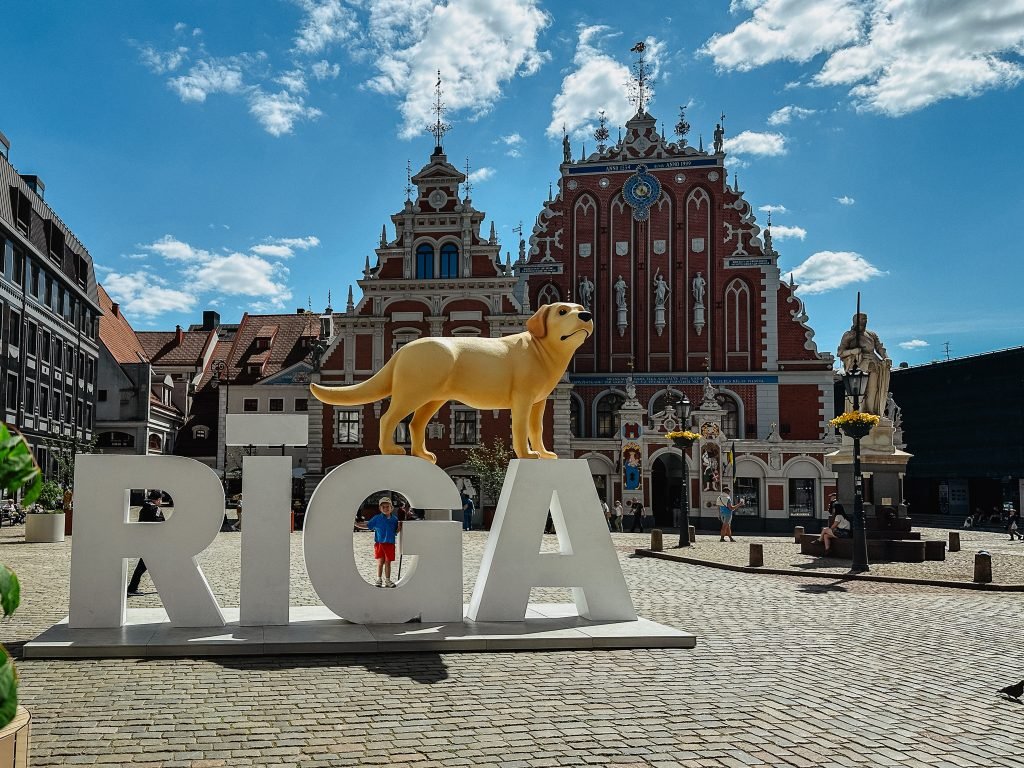
The House of the Blackheads is one of Riga’s most iconic and photographed buildings. Originally constructed during the 14th century, the building served as headquarters for the Brotherhood of Blackheads, a guild of unmarried merchants and traders.
Its richly decorated facade, colorful design, sculptures, and astronomical clock make it one of the finest examples of Gothic and Renaissance architecture in the Baltic region.
Although destroyed during World War II, the building was carefully reconstructed and restored to its original appearance.
Today, visitors can explore exhibitions, historical halls, and ceremonial rooms inside the building.
Located in Town Hall Square, the House of the Blackheads remains a powerful symbol of Riga’s Hanseatic trading heritage.
🖼️ 6. Latvian National Museum of Art

The Latvian National Museum of Art is one of the country’s most important cultural institutions and contains outstanding collections of Latvian and Baltic artwork.
Visitors can admire paintings, sculptures, photography, and decorative arts representing different historical periods and artistic movements.
The museum building itself is architecturally impressive and beautifully restored.
Exhibitions help visitors understand Latvia’s artistic identity, cultural development, and historical experiences.
Art lovers especially enjoy exploring works created during Latvia’s national awakening and independence movements.
The museum highlights Riga’s role as a cultural center of the Baltic region.
🌳 7. Parks, Gardens & Green Spaces

Riga is known for its beautiful parks and green spaces that provide peaceful escapes within the urban environment.
Parks such as Bastejkalna Park feature canals, bridges, flowers, walking paths, fountains, and tree-lined landscapes ideal for relaxation.
Visitors can enjoy boat rides, cycling, picnics, and peaceful walks throughout the city’s gardens and riverside areas.
The greenery creates a calm and refreshing atmosphere that balances Riga’s historical architecture and busy streets.
During autumn, colorful leaves make the parks especially beautiful for photography and sightseeing.
The city’s natural spaces contribute greatly to Riga’s charm and livability.
🍲 8. Latvian Cuisine & Traditional Markets

Riga offers delicious Baltic and Eastern European cuisine influenced by Latvian traditions and regional ingredients.
Visitors can enjoy rye bread, smoked fish, potato dishes, soups, dumplings, pastries, and traditional desserts throughout the city.
One of the best places to experience local food culture is Riga Central Market, one of Europe’s largest and most famous public markets.
Housed inside former Zeppelin hangars, the market sells fresh produce, meats, seafood, cheeses, baked goods, flowers, and local specialties.
Restaurants throughout Riga combine traditional flavors with modern culinary creativity.
The city’s food culture reflects Latvia’s history, climate, and agricultural traditions.
Related artical : Best place to visit in Danzig