
Now Reading: Best place to visit in Toyama
-
01
Best place to visit in Toyama
Best place to visit in Toyama

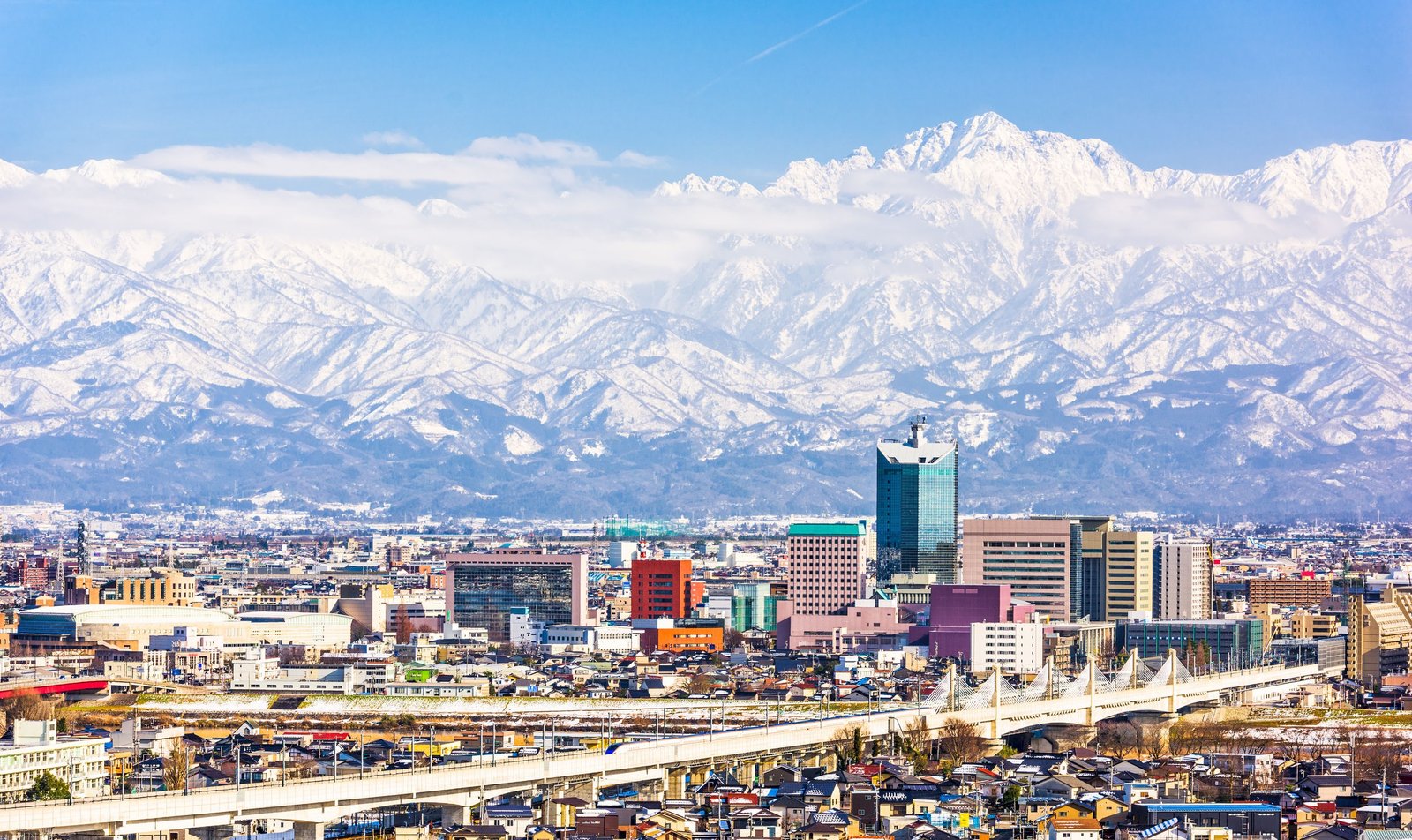
Toyama is one of Japan’s most beautiful and naturally blessed cities, located along the coast of the Sea of Japan in the Chubu region of central Honshu. Serving as the capital of Toyama Prefecture, the city is renowned for its breathtaking mountain landscapes, pristine rivers, rich cultural heritage, and deep connection to nature. Surrounded by the towering peaks of the Northern Japanese Alps and overlooking the spectacular waters of Toyama Bay, the city offers a unique combination of urban sophistication and natural beauty.
For centuries, Toyama prospered as a center of commerce, medicine, agriculture, and transportation. Its strategic location between the mountains and the sea helped create a vibrant culture shaped by both inland and maritime traditions. The city became particularly famous during the Edo Period for its pharmaceutical industry, earning a reputation throughout Japan for producing medicines distributed across the country.
Today, Toyama is known for its exceptional quality of life, environmental sustainability, fresh seafood, historic landmarks, and access to some of Japan’s most spectacular natural attractions. Visitors can explore castles, museums, traditional villages, alpine routes, and coastal scenery while experiencing one of Japan’s most welcoming destinations.
1. Toyama Castle – Symbol of the City’s History

The historic Toyama Castle stands as the city’s most important historical landmark.
Originally constructed during the sixteenth century, the castle served as the seat of powerful feudal lords who governed the region for generations. Although much of the original structure was lost over time, a beautifully reconstructed keep now houses a museum dedicated to local history and samurai culture.
Surrounded by scenic parks, moats, and seasonal flowers, the castle grounds provide a peaceful setting for visitors to explore Toyama’s rich past. Exhibits inside the castle showcase historical artifacts, armor, weapons, maps, and documents that illustrate the city’s development through the centuries.
Today, Toyama Castle remains a symbol of the city’s heritage and resilience.
2. Toyama Bay – One of the World’s Most Beautiful Bays

The stunning Toyama Bay is widely regarded as one of the most beautiful bays in the world.
The bay is famous for its remarkable geographical characteristics, where deep ocean waters meet dramatic mountain landscapes. Few places on Earth offer such a striking contrast between towering peaks and deep coastal waters.
The bay supports a rich marine ecosystem and is known for producing some of Japan’s finest seafood. Visitors can enjoy coastal walks, scenic cruises, fishing experiences, and breathtaking sunrises over the Sea of Japan.
The beauty of Toyama Bay has earned international recognition and continues to attract nature lovers from around the globe.
3. Tateyama Kurobe Alpine Route – A Journey Through the Japanese Alps

One of Japan’s most spectacular attractions is the legendary Tateyama Kurobe Alpine Route.
This world-famous mountain route crosses the Northern Japanese Alps using a combination of cable cars, buses, ropeways, and walking paths. Visitors travel through breathtaking alpine landscapes featuring mountains, lakes, valleys, and snow-covered peaks.
The route is particularly famous for the enormous Snow Corridor, where snow walls can reach heights exceeding 20 meters during spring.
The Alpine Route offers one of the most unforgettable mountain experiences in Asia and serves as a major highlight for visitors to Toyama.
4. Mount Tate – One of Japan’s Sacred Mountains

The majestic Mount Tate, also known as Tateyama, is one of Japan’s Three Sacred Mountains.
For centuries, pilgrims traveled to the mountain seeking spiritual enlightenment and religious experiences. The mountain occupies a prominent place in Japanese culture, mythology, and Buddhist traditions.
Today, hikers and nature enthusiasts explore its trails while admiring alpine flowers, crystal-clear lakes, and spectacular panoramic views.
The mountain remains a powerful symbol of Toyama’s connection to nature and spirituality.
5. Kurobe Dam – An Engineering Marvel

The impressive Kurobe Dam is the tallest dam in Japan and one of the country’s greatest engineering achievements.
Completed in 1963 after years of challenging construction, the dam provides hydroelectric power while helping manage water resources throughout the region. Visitors can admire the enormous structure, enjoy scenic observation decks, and witness dramatic water discharge events during certain seasons.
The surrounding mountain scenery further enhances the experience, making the dam one of Toyama’s most visited attractions.
Its construction remains an inspiring example of human determination and innovation.
6. The Pharmaceutical Heritage of Toyama

Toyama is historically famous as Japan’s pharmaceutical capital.
Beginning in the Edo Period, local merchants developed an innovative system of medicine distribution that allowed products to reach communities throughout the country. This business model helped establish Toyama’s reputation for quality healthcare and entrepreneurship.
Today, museums and cultural institutions preserve this important aspect of local history, highlighting the city’s contribution to Japanese medicine and commerce.
The pharmaceutical industry continues to play a significant role in Toyama’s economy and identity.
7. Gokayama – Traditional Mountain Villages

Nestled in the mountains of Toyama Prefecture is the UNESCO-listed Gokayama.
The region is famous for its traditional gassho-zukuri farmhouses, characterized by steep thatched roofs designed to withstand heavy snowfall. Many of these structures are several centuries old and continue to preserve traditional ways of life.
Visitors can explore historic homes, cultural museums, and scenic mountain landscapes while learning about the resilience and ingenuity of rural communities.
Gokayama offers one of Japan’s most authentic historical experiences.
8. Toyama Glass Art Museum – A Modern Cultural Landmark

The remarkable Toyama Glass Art Museum reflects the city’s commitment to creativity and innovation.
Housed within a striking contemporary building designed by renowned architect Kengo Kuma, the museum showcases exceptional glass artworks from Japan and around the world.
Interactive exhibits, educational programs, and rotating collections make the museum one of Toyama’s most important cultural institutions.
Its modern design contrasts beautifully with the city’s historical attractions.
9. Toyama’s Culinary Excellence

Toyama is celebrated throughout Japan for its outstanding cuisine, particularly its seafood.
The rich waters of Toyama Bay produce a variety of highly prized species including shrimp, crab, squid, yellowtail, and seasonal fish. One of the region’s most famous delicacies is firefly squid, which attracts culinary enthusiasts from across the country.
The combination of fresh seafood, mountain vegetables, rice, and local sake creates a vibrant food culture deeply connected to the region’s natural environment.
Dining in Toyama offers visitors an authentic taste of Japan’s culinary traditions.
10. Modern Toyama – Sustainability and Quality of Life

Modern Toyama has gained international recognition for its innovative approach to urban planning and sustainability.
The city has invested heavily in public transportation, environmental conservation, renewable energy, and smart growth initiatives. These efforts have improved quality of life while preserving the natural beauty that defines the region.
Educational institutions, cultural centers, healthcare facilities, and modern infrastructure contribute to Toyama’s reputation as one of Japan’s most livable cities.
The successful balance between development and environmental stewardship serves as a model for communities worldwide.
Related artical : Best place to visit in Miyazaki