
Now Reading: Best place to visit in Japan
-
01
Best place to visit in Japan
Best place to visit in Japan
1. Mount Fuji – Japan’s Sacred Mountain and National Symbol

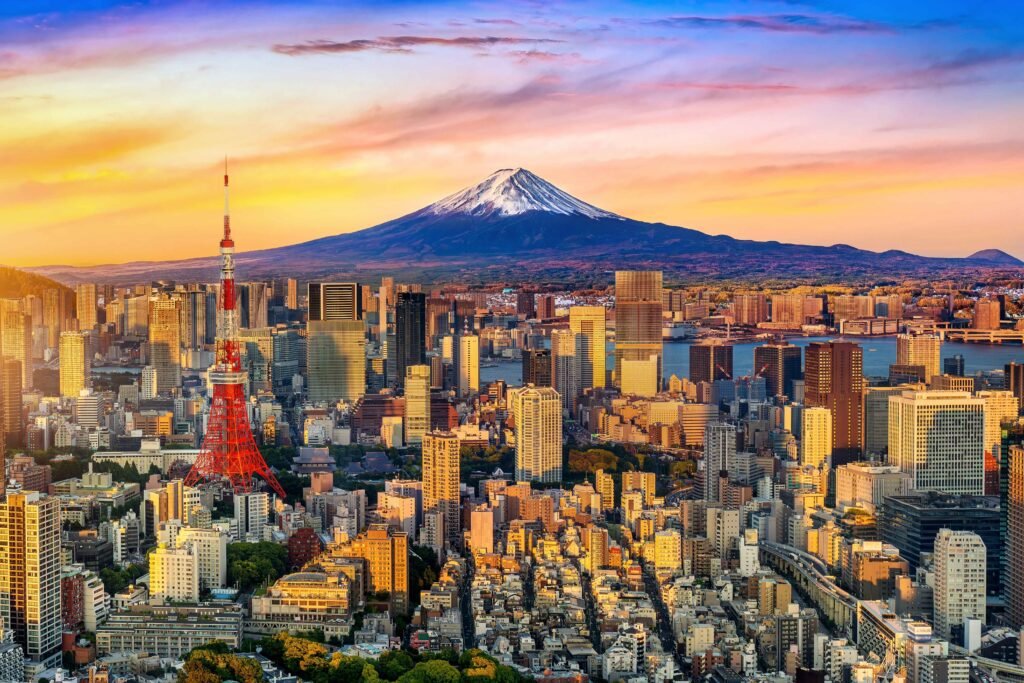
Mount Fuji is the highest mountain in Japan, standing at 3,776 meters above sea level, and is widely recognized as the country’s most iconic natural landmark. Located between Tokyo and Kyoto, this perfectly symmetrical volcanic peak has inspired artists, poets, pilgrims, and travelers for centuries. More than just a mountain, Mount Fuji is considered a sacred symbol of Japan’s spiritual identity, cultural heritage, and natural beauty.
Formed through volcanic activity over hundreds of thousands of years, Mount Fuji last erupted in 1707 during the Edo Period. Despite being classified as an active volcano, it remains one of Japan’s most visited attractions. The mountain’s snow-capped summit creates a breathtaking sight that changes with the seasons, making it one of the most photographed landscapes in the world.
For centuries, pilgrims climbed Mount Fuji as part of religious practices, believing the mountain possessed spiritual significance. Shrines dedicated to the mountain can be found throughout the surrounding region, and many hikers continue the tradition of ascending to the summit to witness the spectacular sunrise known as “Goraiko.”
In 2013, Mount Fuji was designated a UNESCO World Heritage Site due to its cultural importance and influence on Japanese art and spirituality. The mountain has appeared in countless paintings, including works by Katsushika Hokusai, whose famous series “Thirty-Six Views of Mount Fuji” helped introduce Japanese art to the world.
Today, visitors can enjoy scenic viewpoints around the Fuji Five Lakes region, explore nearby forests, visit museums, and experience one of the most extraordinary natural wonders in Asia.
2. Fushimi Inari Taisha – Kyoto’s Legendary Shrine of a Thousand Torii Gates

Fushimi Inari Taisha is one of Japan’s most famous and visually stunning religious sites. Located in southern Kyoto, the shrine is dedicated to Inari, the Shinto deity of rice, agriculture, prosperity, and business success. Established in the eighth century, it remains one of the most important shrines in the country and attracts millions of visitors every year.
The shrine is world-renowned for its thousands of bright vermilion torii gates that create winding pathways through the forested slopes of Mount Inari. These gates have been donated by businesses and individuals seeking blessings and good fortune. Walking beneath the endless tunnels of torii creates a unique and unforgettable experience that has become one of Japan’s most recognizable images.
Throughout the grounds, visitors encounter numerous shrines, statues, and fox sculptures. Foxes are believed to be the messengers of Inari and are often depicted holding keys, scrolls, or rice sheaves in their mouths.
The mountain trails extend for several kilometers and lead to smaller shrines, observation points, and quiet forest areas that provide a peaceful escape from Kyoto’s busy streets. Many visitors spend several hours exploring the extensive network of paths while learning about Shinto traditions and local history.
Fushimi Inari Taisha remains a powerful symbol of Japanese spirituality, cultural heritage, and architectural beauty.
3. Kinkaku-ji – The Golden Pavilion of Kyoto

Kinkaku-ji, commonly known as the Golden Pavilion, is one of Japan’s most celebrated landmarks and a masterpiece of traditional architecture. Originally built in the fourteenth century as a retirement villa for the shogun Ashikaga Yoshimitsu, the structure was later converted into a Zen Buddhist temple.
The pavilion’s upper two floors are completely covered in gold leaf, creating a dazzling appearance that reflects beautifully in the surrounding pond. The harmonious relationship between architecture, water, trees, and carefully designed landscapes represents the essence of traditional Japanese aesthetics.
The temple grounds feature walking paths, stone lanterns, tea gardens, and scenic viewpoints that allow visitors to appreciate the building from multiple perspectives. Throughout the year, seasonal changes transform the scenery, with cherry blossoms, lush greenery, colorful autumn leaves, and winter snow providing different yet equally stunning experiences.
Recognized as a UNESCO World Heritage Site, Kinkaku-ji continues to captivate visitors with its elegance and timeless beauty.
4. Arashiyama Bamboo Grove – Kyoto’s Enchanting Forest Path

Arashiyama Bamboo Grove is one of Japan’s most magical natural attractions and a destination that perfectly captures the tranquility of traditional Kyoto.
Located in the scenic Arashiyama district, the grove features towering bamboo stalks that rise high above visitors, creating a natural tunnel unlike anywhere else in the world. As sunlight filters through the bamboo and gentle winds cause the stalks to sway, the forest produces a unique and calming atmosphere.
The area surrounding the grove includes temples, gardens, rivers, and historic sites that have attracted aristocrats, poets, and travelers for centuries. Nearby attractions such as Tenryu-ji further enhance the cultural significance of the region.
The bamboo grove has become one of Japan’s most photographed locations and remains a symbol of harmony between nature and traditional Japanese culture.
5. Tokyo Skytree – The Tallest Structure in Japan

Tokyo Skytree stands at an impressive height of 634 meters, making it the tallest structure in Japan and one of the tallest towers in the world. Completed in 2012, the tower serves as a broadcasting facility while also functioning as one of Tokyo’s most popular tourist attractions.
The tower features observation decks that offer spectacular panoramic views of Tokyo’s sprawling urban landscape. On clear days, visitors can see landmarks stretching far into the distance, including Mount Fuji.
At night, Tokyo Skytree becomes a stunning visual centerpiece illuminated with sophisticated lighting displays inspired by traditional Japanese culture. The surrounding complex includes shopping centers, restaurants, aquariums, and entertainment venues.
The tower symbolizes Tokyo’s modern innovation while reflecting the city’s commitment to combining technology, architecture, and cultural identity.
6. Senso-ji – Tokyo’s Oldest and Most Revered Temple

Sensō-ji is Tokyo’s oldest Buddhist temple and one of the city’s most important cultural landmarks. Located in the historic Asakusa district, the temple was founded in the seventh century and continues to attract millions of worshippers and visitors annually.
The temple’s iconic Kaminarimon Gate welcomes visitors with its enormous red lantern, one of Tokyo’s most recognized symbols. Beyond the gate lies Nakamise Street, a bustling shopping avenue lined with traditional shops selling souvenirs, snacks, and handcrafted goods.
The temple complex includes beautiful halls, pagodas, gardens, and sacred spaces where visitors can participate in traditional rituals such as incense offerings and fortune drawing.
Despite Tokyo’s rapid modernization, Senso-ji preserves the spirit of old Edo and offers a glimpse into centuries of Japanese religious and cultural traditions.
7. Shibuya Crossing – The World’s Most Famous Intersection

Shibuya Crossing is one of the most recognizable urban landmarks in the world and a powerful symbol of modern Tokyo. Located outside Shibuya Station, the intersection is famous for the thousands of pedestrians who cross simultaneously whenever traffic lights turn red.
Surrounded by towering digital screens, neon signs, department stores, restaurants, and entertainment venues, the crossing captures the energy and dynamism of contemporary Japanese city life. It has appeared in countless films, television programs, and documentaries showcasing Tokyo’s urban culture.
The surrounding Shibuya district serves as a center for fashion, youth culture, technology, and entertainment. Visitors can explore shopping centers, observation decks, and cultural attractions while experiencing one of the busiest and most exciting areas in Japan.
Shibuya Crossing remains a powerful representation of Tokyo’s global influence and vibrant atmosphere.
8. Himeji Castle – Japan’s Finest Feudal Fortress

Himeji Castle is widely regarded as Japan’s most beautiful and best-preserved castle. Often called the “White Heron Castle” because of its elegant white exterior, the fortress represents the pinnacle of Japanese castle architecture.
Built over several centuries and completed in its current form during the early seventeenth century, the castle features complex defensive systems, towering keeps, stone walls, hidden passages, and strategic gates. Remarkably, it survived wars, earthquakes, and modernization efforts that destroyed many other castles throughout Japan.
The castle’s stunning appearance, historical importance, and exceptional preservation led to its designation as a UNESCO World Heritage Site in 1993.
Visitors exploring the castle gain valuable insight into Japan’s feudal history, military engineering, and samurai culture while enjoying one of the country’s greatest architectural masterpieces.
9. Itsukushima Shrine – The Floating Shrine of Miyajima

Itsukushima Shrine is one of Japan’s most iconic and spiritually significant landmarks. Located on the sacred island of Miyajima, the shrine is famous for its enormous floating torii gate that appears to rise directly from the sea during high tide.
Originally established in the sixth century and later expanded by powerful military leaders, the shrine was designed to harmonize with the surrounding natural environment. The structures are built on stilts above the water, creating the illusion that they float upon the bay.
The shrine is deeply connected to Shinto beliefs and has been a place of worship for centuries. Visitors are captivated by its beauty, particularly during sunrise and sunset when the floating gate is reflected in the calm waters.
Recognized as a UNESCO World Heritage Site, Itsukushima Shrine remains one of Japan’s most treasured cultural and spiritual destinations.
10. Hiroshima Peace Memorial Park – A Global Symbol of Peace

Hiroshima Peace Memorial Park stands as one of the world’s most important monuments dedicated to peace, remembrance, and human resilience. Established near the site where the atomic bomb exploded on August 6, 1945, the park commemorates the lives lost and promotes a future free from nuclear warfare.
At the center of the park stands the famous Atomic Bomb Dome, the preserved remains of a building that survived the blast and now serves as a UNESCO World Heritage Site. Museums, memorials, monuments, and gardens throughout the park tell the story of Hiroshima’s destruction and remarkable recovery.
Visitors from around the world come to learn about the events of World War II, honor the victims, and reflect on the importance of peace and international cooperation. The park’s powerful message transcends national boundaries and continues to inspire future generations.
Today, Hiroshima Peace Memorial Park represents hope, reconciliation, and humanity’s determination to build a more peaceful world.
11. Nara Park – The Historic Home of Japan’s Sacred Deer

Nara Park is one of Japan’s most famous public parks and one of the country’s most beloved cultural landmarks. Established in 1880, the park covers more than 500 hectares in the heart of Nara and is home to over 1,000 freely roaming deer that have become symbols of the city. According to ancient Shinto beliefs, these deer are considered sacred messengers of the gods and have been protected for centuries.
The park surrounds some of Japan’s most important historical and religious sites, creating a unique blend of nature, spirituality, and history. Visitors from around the world come to interact with the deer, which have become famous for bowing to tourists in exchange for special deer crackers sold throughout the park.
Beyond its famous residents, Nara Park offers beautiful walking trails, ponds, gardens, cherry blossom viewing areas, and spectacular seasonal scenery. During spring, thousands of cherry blossoms transform the landscape, while autumn brings brilliant colors that attract photographers and nature lovers.
For centuries, the area has served as a cultural and spiritual center of Japan. The peaceful atmosphere allows visitors to experience a side of Japanese history that has remained largely unchanged for generations. Walking through the park feels like stepping into a living museum where ancient traditions continue to coexist with modern life.
12. Todai-ji Temple – Home of the Great Buddha

Tōdai-ji is one of the most important Buddhist temples in Japan and a masterpiece of ancient architecture. Founded in 752 during the Nara Period, the temple served as the head temple of all provincial Buddhist temples throughout the country and played a crucial role in spreading Buddhism across Japan.
The temple’s most famous feature is the colossal bronze statue of Buddha known as the Daibutsu. Standing approximately 15 meters tall, it remains one of the largest bronze Buddha statues in the world. The statue symbolizes peace, wisdom, and spiritual enlightenment and has attracted pilgrims for more than twelve centuries.
The Great Buddha Hall that houses the statue is itself an architectural wonder. Although the current structure is smaller than the original, it remains one of the largest wooden buildings ever constructed. The sheer scale of the hall demonstrates the remarkable engineering and craftsmanship of ancient Japan.
Throughout its history, Todai-ji has survived fires, wars, and reconstruction efforts while maintaining its position as one of Japan’s most sacred sites. Visitors can explore temple grounds filled with historical treasures, gardens, gates, and religious monuments that reflect centuries of cultural achievement.
Today, Todai-ji stands as both a spiritual center and a symbol of Japan’s rich religious heritage.
13. Osaka Castle – The Fortress That Unified Japan

Osaka Castle is one of Japan’s most famous castles and one of the country’s most important historical landmarks. Originally built in the sixteenth century by the legendary warlord Toyotomi Hideyoshi, the castle played a central role in the unification of Japan during one of the most turbulent periods in the nation’s history.
The castle’s impressive stone walls, defensive moats, and towering main keep were designed to demonstrate both military power and political authority. At the time of its construction, it was one of the largest and most formidable castles in Japan.
Although the original structure was damaged and rebuilt multiple times due to wars, fires, and lightning strikes, the current reconstruction faithfully preserves the appearance of the historic fortress. Inside, visitors can explore museum exhibits detailing the life of Toyotomi Hideyoshi, the history of feudal Japan, and the dramatic battles that shaped the nation.
Surrounding the castle is a vast public park famous for its cherry blossoms, walking paths, gardens, and seasonal events. The contrast between the historic castle and Osaka’s modern skyline creates one of the city’s most iconic views.
Today, Osaka Castle remains a symbol of Japan’s military history, architectural achievement, and national identity.
14. Dotonbori – Osaka’s Entertainment and Food Capital

Dotonbori is one of Japan’s most vibrant and energetic entertainment districts. Located in the heart of Osaka, the area is famous for its dazzling neon signs, giant animated billboards, lively atmosphere, and world-renowned food culture.
The district’s history dates back to the early seventeenth century when a canal was constructed to support commercial development. Over time, Dotonbori evolved into a center for theaters, restaurants, nightlife, and popular entertainment.
Today, visitors encounter a sensory experience unlike anywhere else in Japan. The iconic Glico Running Man sign, giant mechanical crab displays, colorful storefronts, and crowded streets create a dynamic urban environment that reflects Osaka’s reputation as Japan’s most fun-loving city.
Dotonbori is also considered the culinary heart of Osaka, offering famous local dishes such as takoyaki, okonomiyaki, kushikatsu, and ramen. The city’s food culture is often described using the phrase “kuidaore,” meaning “eat until you drop.”
Whether visiting during the day or at night, Dotonbori offers an unforgettable glimpse into Osaka’s unique personality and cultural energy.
15. Universal Studios Japan – One of Asia’s Premier Theme Parks

Universal Studios Japan is one of the most popular theme parks in Asia and a major attraction for visitors traveling to Japan. Opened in 2001, the park combines world-class entertainment, innovative attractions, and immersive themed environments inspired by some of the world’s most beloved films and characters.
The park features numerous themed areas including the Wizarding World of Harry Potter, Minion Park, Jurassic Park, and the internationally acclaimed Super Nintendo World. Visitors can enjoy thrilling rides, interactive experiences, live performances, parades, and seasonal events designed for guests of all ages.
Universal Studios Japan has become famous for its cutting-edge technology and attention to detail, creating environments that transport visitors directly into their favorite fictional worlds. The park continuously introduces new attractions and experiences, maintaining its position as one of Japan’s top tourist destinations.
Its combination of entertainment, creativity, and innovation makes it a highlight of any visit to Osaka.
16. Jigokudani Monkey Park – The Famous Snow Monkeys of Japan

Jigokudani Monkey Park is one of Japan’s most unique wildlife attractions and one of the few places in the world where visitors can observe wild monkeys bathing in natural hot springs.
Located in the mountains of Nagano Prefecture, the park is home to Japanese macaques, commonly known as snow monkeys. During winter, heavy snowfall covers the surrounding landscape, creating dramatic scenery as the monkeys relax in steaming thermal waters.
The behavior of these monkeys has fascinated researchers and visitors for decades. Their use of hot springs is considered an adaptation to the harsh winter climate and has become an internationally recognized symbol of Japan’s natural beauty.
The surrounding forests, mountains, and geothermal environment further enhance the experience, making the park one of the country’s most memorable wildlife destinations.
17. Hakone – Japan’s Gateway to Mount Fuji

Hakone is one of Japan’s most famous resort destinations, celebrated for its hot springs, mountain scenery, cultural attractions, and spectacular views of Mount Fuji.
For centuries, Hakone served as an important checkpoint along the historic Tokaido Road connecting Kyoto and Edo. Today, it attracts millions of visitors seeking relaxation, natural beauty, and traditional Japanese hospitality.
The region features numerous attractions including Lake Ashi, volcanic valleys, scenic ropeways, museums, and luxury ryokan inns. Visitors can cruise across the lake while admiring views of Mount Fuji, explore geothermal landscapes, and enjoy therapeutic hot spring baths.
Hakone’s unique combination of nature, culture, and history makes it one of Japan’s most beloved travel destinations.
18. Okinawa Churaumi Aquarium – Home of the Giant Whale Sharks

Okinawa Churaumi Aquarium is one of the largest and most impressive aquariums in the world. Located in northern Okinawa, the facility showcases the extraordinary marine biodiversity of the surrounding Pacific Ocean.
The aquarium’s centerpiece is the massive Kuroshio Sea tank, which houses giant whale sharks, manta rays, and countless other marine species. Visitors can observe these magnificent creatures through enormous viewing panels that create an immersive underwater experience.
Educational exhibits explore coral reefs, deep-sea ecosystems, tropical marine life, and conservation efforts designed to protect fragile ocean environments. The aquarium plays an important role in scientific research and environmental education.
Its combination of scale, innovation, and marine diversity has made it one of Japan’s most popular attractions.
19. Takayama Old Town – Preserving the Spirit of Edo Japan

Takayama Old Town is one of Japan’s best-preserved historical districts and offers visitors a rare glimpse into life during the Edo Period.
The area features beautifully maintained wooden merchant houses, sake breweries, traditional shops, and narrow streets that have remained largely unchanged for centuries. Takayama prospered as a center of trade, craftsmanship, and cultural exchange, resulting in a rich architectural heritage that survives today.
Walking through the district feels like traveling back in time. Visitors can explore museums, artisan workshops, historic residences, and local markets while learning about traditional Japanese lifestyles and craftsmanship.
The town’s authenticity and charm have earned it recognition as one of Japan’s most important cultural destinations.
20. Kenroku-en – One of Japan’s Most Beautiful Gardens

Kenroku-en is widely considered one of Japan’s Three Great Gardens and represents the pinnacle of traditional Japanese landscape design.
Developed over several centuries by the powerful Maeda Clan, the garden was carefully designed to embody six essential qualities of an ideal landscape garden: spaciousness, seclusion, artificiality, antiquity, abundant water, and magnificent views. The result is a masterpiece of harmony between nature and human creativity.
Visitors encounter ponds, waterfalls, stone lanterns, bridges, tea houses, streams, and meticulously maintained trees arranged to create picturesque scenery throughout the year. Seasonal transformations ensure that every visit offers a unique experience.
Kenroku-en is particularly famous for its winter snow-support structures known as yukitsuri, which protect tree branches from heavy snowfall while creating a distinctive visual symbol of Kanazawa.
Today, the garden stands as one of Japan’s greatest cultural treasures and a testament to centuries of artistic and horticultural excellence.
21. Nikko Toshogu Shrine – The Magnificent Mausoleum of Tokugawa Ieyasu

Nikkō Tōshō-gū is one of Japan’s most lavishly decorated religious sites and one of the country’s most important cultural treasures. Located in the mountains of Tochigi Prefecture, the shrine serves as the final resting place of Tokugawa Ieyasu, the powerful leader who unified Japan and established the Tokugawa Shogunate in 1603.
Constructed in the seventeenth century, the shrine complex consists of more than fifty intricately designed buildings adorned with gold leaf, colorful carvings, and exquisite craftsmanship. Unlike the minimalist style commonly associated with Japanese architecture, Toshogu displays extraordinary ornamentation influenced by both Japanese and Chinese artistic traditions.
Among its most famous features are the “Three Wise Monkeys,” representing the proverb “See no evil, hear no evil, speak no evil,” and the magnificent Yomeimon Gate, often regarded as one of the most beautiful gates in Japan.
Surrounded by ancient cedar forests and mountain scenery, the shrine creates an atmosphere of spiritual grandeur that has captivated visitors for centuries. As part of the UNESCO World Heritage Site known as the Shrines and Temples of Nikko, Toshogu remains one of Japan’s most remarkable historical destinations.
22. Lake Kawaguchi – The Perfect View of Mount Fuji

Lake Kawaguchi is the most famous of the Fuji Five Lakes and one of the best locations in Japan for viewing Mount Fuji.
Situated at the northern base of the mountain, the lake offers breathtaking reflections of Japan’s iconic peak throughout the year. During spring, cherry blossoms frame the mountain; in autumn, colorful foliage creates stunning contrasts; and in winter, snow-covered landscapes provide some of the most spectacular scenery in the country.
For centuries, artists, photographers, and travelers have been drawn to Lake Kawaguchi because of its unparalleled views of Mount Fuji. The area also features museums, hot spring resorts, scenic boat cruises, hiking trails, and cultural attractions that showcase the natural beauty of the region.
The peaceful waters and surrounding mountains create an atmosphere of serenity that perfectly embodies the spirit of traditional Japan.
23. Shirakawa-go – Japan’s Historic Mountain Village

Shirakawa-go is one of Japan’s most picturesque and historically preserved rural communities. Nestled within a remote mountain valley, the village is famous for its traditional gassho-zukuri farmhouses, many of which are over 250 years old.
The distinctive steep thatched roofs resemble hands joined together in prayer, allowing the structures to withstand the region’s heavy winter snowfall. These architectural masterpieces demonstrate the ingenuity and adaptability of Japan’s rural communities.
For centuries, Shirakawa-go remained isolated from major urban centers, helping preserve traditional customs, agricultural practices, and village life. Today, visitors can explore historic homes, museums, and scenic viewpoints while experiencing a way of life that has largely disappeared elsewhere in Japan.
Recognized as a UNESCO World Heritage Site, Shirakawa-go remains one of the country’s most treasured cultural landscapes.
24. Sapporo Snow Festival – Japan’s Winter Wonderland

Sapporo Snow Festival is one of the world’s most famous winter events and one of Japan’s largest festivals.
Held annually in Hokkaido’s capital city, the festival transforms Sapporo into a spectacular outdoor gallery featuring enormous snow and ice sculptures created by artists from around the world. Some sculptures reach the size of multi-story buildings and depict famous landmarks, historical figures, anime characters, and cultural icons.
The festival began in 1950 when local students built a few snow statues in a public park. Over the decades, it evolved into an internationally recognized event attracting millions of visitors each year.
Illuminated displays, concerts, food stalls, winter sports activities, and cultural performances create a festive atmosphere that celebrates the beauty of winter and the creativity of snow sculpting.
The Sapporo Snow Festival has become one of Japan’s most iconic seasonal celebrations.
25. Blue Pond – Hokkaido’s Mysterious Azure Lake

Blue Pond is one of Japan’s most visually striking natural attractions. Located near the town of Biei, the pond is famous for its surreal blue waters that appear almost unreal.
The vivid coloration is caused by naturally occurring minerals suspended in the water, which reflect sunlight in unique ways. The pond’s appearance changes throughout the day and across different seasons, creating constantly evolving scenery.
Dead tree trunks rising from the water contribute to the landscape’s dreamlike atmosphere, making the site a favorite destination for photographers and nature enthusiasts.
Originally created as part of a volcanic erosion control project, the Blue Pond unexpectedly became one of Hokkaido’s most famous attractions and is now recognized worldwide for its extraordinary beauty.
26. Amanohashidate – Japan’s Bridge to Heaven

Amanohashidate is considered one of Japan’s Three Scenic Views and has been admired for more than a thousand years.
This remarkable natural sandbar stretches across Miyazu Bay and is covered with thousands of pine trees. When viewed from surrounding mountains, the formation appears to resemble a pathway connecting heaven and earth, giving rise to its poetic name, “Bridge to Heaven.”
Ancient poets, artists, and nobles frequently celebrated Amanohashidate in literature and artwork, contributing to its enduring reputation as one of Japan’s most beautiful landscapes.
Visitors can walk or cycle across the sandbar, enjoy panoramic viewpoints, and experience one of the country’s most celebrated natural wonders.
27. Kamakura Great Buddha – A Monument of Serenity

Great Buddha of Kamakura is one of Japan’s most iconic religious monuments and one of the country’s most famous Buddhist statues.
Standing approximately 13 meters tall and cast in bronze during the thirteenth century, the statue has survived earthquakes, tsunamis, and centuries of weather exposure. Originally housed within a temple hall, the structure was destroyed by natural disasters, leaving the Buddha seated beneath the open sky.
The statue’s calm expression and graceful proportions embody Buddhist ideals of peace, compassion, and enlightenment. Visitors from around the world come to admire its beauty and learn about Kamakura’s important role in Japanese history.
The Great Buddha remains a powerful symbol of spiritual tranquility and cultural heritage.
28. Nabana no Sato – Japan’s Spectacular Garden of Lights

Nabana no Sato is one of Japan’s most famous botanical gardens and home to one of the world’s largest illumination events.
Throughout the year, visitors enjoy beautifully maintained flower gardens featuring seasonal displays of tulips, roses, hydrangeas, and other blossoms. However, the attraction becomes truly extraordinary during winter when millions of LED lights transform the grounds into a dazzling wonderland.
Massive tunnels of light, animated displays, themed installations, and artistic lighting effects create unforgettable experiences for visitors of all ages.
The combination of horticultural excellence and innovative lighting design has made Nabana no Sato one of Japan’s premier seasonal attractions.
29. Beppu Hot Springs – Japan’s Geothermal Paradise

Beppu Onsen is one of the world’s greatest hot spring destinations and the largest geothermal resort area in Japan.
Located in Oita Prefecture on Kyushu Island, Beppu is famous for its vast network of hot springs, steam vents, mud pools, and geothermal attractions. The city produces more hot spring water than any other location in Japan and is often referred to as the country’s hot spring capital.
Visitors can enjoy a wide variety of bathing experiences including traditional onsen baths, sand baths, mud baths, and outdoor hot springs overlooking mountains and coastlines. The city’s famous “Hells of Beppu” feature colorful geothermal pools created by volcanic activity.
For centuries, people have traveled to Beppu seeking relaxation, healing, and wellness through its mineral-rich waters. Today, it remains one of Japan’s most unique and memorable destinations.
30. Yakushima – The Ancient Forest Island of Japan

Yakushima is one of Japan’s most extraordinary natural treasures and a UNESCO World Heritage Site renowned for its ancient forests and remarkable biodiversity.
Located south of Kyushu, the island is covered by dense forests containing some of the oldest trees in Japan. The most famous of these is the Jomon Sugi cedar, believed to be several thousand years old and considered one of the oldest living trees in the country.
Yakushima’s landscapes include mist-covered mountains, waterfalls, rivers, coastal cliffs, and lush forests that receive abundant rainfall throughout the year. The island’s unique environment supports diverse plant and animal species found nowhere else in Japan.
The beauty of Yakushima is believed to have inspired settings in the acclaimed animated film Princess Mononoke. Visitors hiking through its ancient forests often describe the experience as entering another world, where nature remains largely untouched by modern development.
Today, Yakushima stands as one of Japan’s most important conservation areas and one of the most breathtaking natural destinations in Asia.
Related artical : Best place to visit in Toyama