
Now Reading: Best place to visit in Paksan
-
01
Best place to visit in Paksan
Best place to visit in Paksan

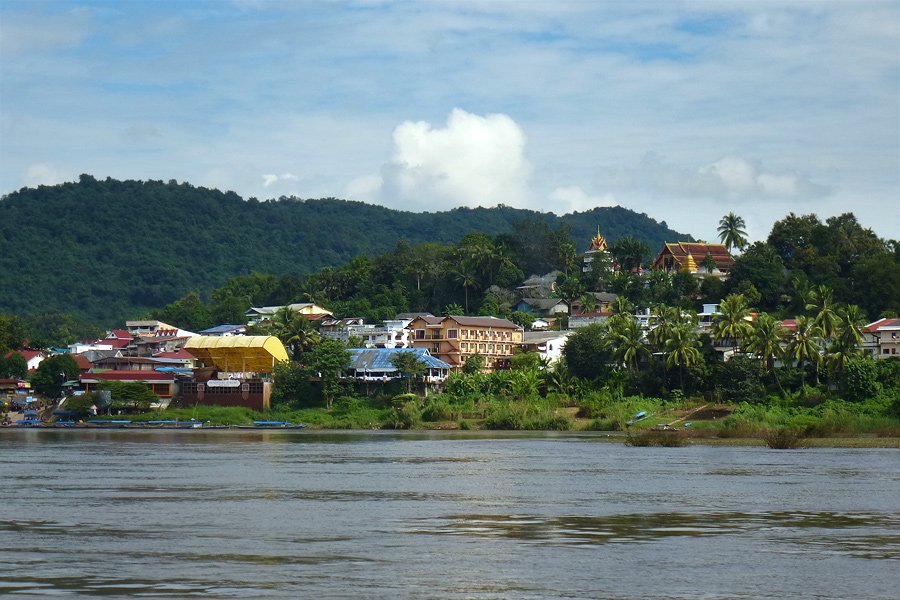
Paksan is the capital of Bolikhamxay Province and one of the most important river towns in central Laos. Situated at the confluence of the Mekong and Nam San Rivers, Paksan has long served as a strategic center for trade, transportation, agriculture, and cultural exchange.
Historically, the region developed as an important settlement along the Mekong River, connecting northern and southern Laos while facilitating trade with neighboring Thailand. During the French colonial era, Paksan grew into an administrative and commercial center, and its importance continued to increase after Laos gained independence.
Today, Paksan is known for its beautiful river scenery, Buddhist temples, natural attractions, protected forests, and access to some of the most spectacular landscapes in central Laos. The city provides visitors with an authentic experience of Lao culture while serving as a gateway to adventure and eco-tourism destinations throughout Bolikhamxay Province.
The following attractions represent the best places to visit in Paksan.
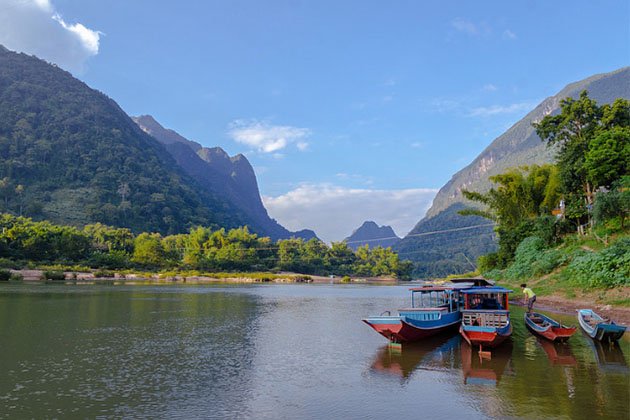
1. Mekong River Waterfront – The Lifeline of Paksan

History
The Mekong River has shaped the history of Paksan for centuries.
Ancient communities settled along its banks because of fertile farmland, abundant fish, and transportation opportunities. Traders traveled along the river carrying goods between kingdoms and settlements throughout Southeast Asia.
During the colonial period, the river continued to serve as a major transportation route, helping Paksan develop into an important regional center.
Visitor Experience
Visitors can enjoy:
- Scenic riverside walks
- Sunset photography
- River landscapes
- Local fishing activities
- Relaxing atmosphere
The waterfront remains one of the city’s most beautiful attractions.
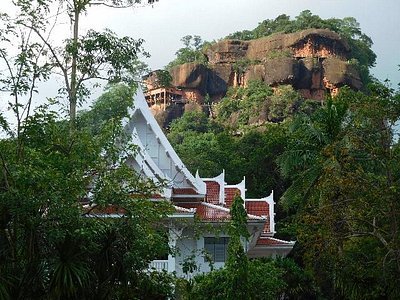
2. Wat Phabat – The Sacred Buddhist Sanctuary

History
Wat Phabat is one of the most important religious sites in the province.
The temple has served as a spiritual center for local communities for generations and preserves important Buddhist traditions and cultural practices.
Pilgrims frequently visit the temple to pray, meditate, and participate in religious ceremonies.
Visitor Experience
Visitors can admire:
- Traditional temple architecture
- Sacred Buddha images
- Religious artwork
- Historic structures
- Peaceful surroundings
The temple reflects the deep spiritual heritage of Laos.
3. Phou Khao Khouay National Protected Area – A Wilderness Paradise

History
Established in 1993, Phou Khao Khouay National Protected Area was created to preserve one of Laos’ most important ecosystems.
The forests, rivers, and mountains have supported local communities for centuries while providing habitat for rare wildlife species.
Today, the protected area remains a vital conservation zone.
Visitor Experience
Visitors can explore:
- Tropical forests
- Hiking trails
- Wildlife habitats
- Waterfalls
- Birdwatching locations
The park is one of the premier eco-tourism destinations in Laos.
4. Tad Leuk Waterfall – The Forest Jewel

History
Tad Leuk Waterfall is located within Phou Khao Khouay National Protected Area and has been a natural landmark for local communities for generations.
The waterfall was formed through centuries of water erosion and remains one of the most scenic sites in central Laos.
Visitor Experience
Visitors can enjoy:
- Cascading waterfalls
- Forest trails
- Picnic areas
- Photography opportunities
- Natural beauty
The waterfall is a favorite destination for nature lovers.
5. Nam San River – The Historic Waterway

History
The Nam San River joins the Mekong at Paksan and has played an important role in regional development.
Communities relied on the river for irrigation, transportation, fishing, and agriculture.
Its waters helped support the growth of settlements throughout Bolikhamxay Province.
Visitor Experience
Visitors can experience:
- Scenic river views
- Traditional fishing villages
- Riverside landscapes
- Nature photography
- Peaceful surroundings
The river contributes greatly to the charm of Paksan.
6. Bolikhamxay Provincial Museum – Preserving Local Heritage
History
The museum was established to preserve the history, culture, and traditions of Bolikhamxay Province.
Its collections include archaeological artifacts, historical documents, traditional clothing, and cultural exhibits.
The museum highlights the development of the province through different historical periods.
Visitor Experience
Visitors can learn about:
- Regional history
- Traditional culture
- Archaeological discoveries
- Ethnic communities
- Historical events
The museum provides valuable educational insight.
7. Traditional Markets of Paksan – The City’s Commercial Heart

History
Markets have always played an important role in community life throughout Laos.
Farmers, fishermen, and merchants gather in Paksan to trade goods and maintain social connections that have existed for generations.
Visitor Experience
Visitors can browse:
- Fresh produce
- Traditional foods
- Local handicrafts
- Textiles
- Everyday products
The markets provide an authentic glimpse into local life.
8. Ethnic Minority Villages – Guardians of Traditional Culture

History
Bolikhamxay Province is home to various ethnic groups that have preserved unique traditions, languages, and cultural practices for centuries.
Their communities continue to maintain traditional lifestyles despite modernization.
Visitor Experience
Visitors can discover:
- Traditional houses
- Cultural ceremonies
- Handcrafted goods
- Local customs
- Agricultural practices
The villages showcase the cultural diversity of central Laos.
9. Mountain Viewpoints of Bolikhamxay – Panoramas of Central Laos

History
The mountains surrounding Paksan have influenced local settlement patterns, agriculture, and transportation routes for centuries.
Historically, these highlands served as natural landmarks and observation points.
Visitor Experience
Visitors can enjoy:
- Panoramic landscapes
- Sunrise photography
- Sunset photography
- Forest scenery
- Scenic hiking routes
The viewpoints reveal the natural beauty of Bolikhamxay Province.
10. Friendship Bridge Area – A Symbol of Regional Connectivity

History
Modern transportation infrastructure has strengthened economic and cultural connections between Laos and neighboring countries.
The bridge areas around Paksan symbolize the province’s role as a transportation hub and gateway to central Laos.
These developments continue the region’s long tradition as a center of trade and movement.
Visitor Experience
Visitors can admire:
- River panoramas
- Modern engineering
- Scenic landscapes
- Photography opportunities
- Regional transportation networks
The area highlights the modern growth of the province.
Related artical : Best place to visit in Ban Houayxay