
Now Reading: Best place to visit in Muang Phonsaly
-
01
Best place to visit in Muang Phonsaly
Best place to visit in Muang Phonsaly

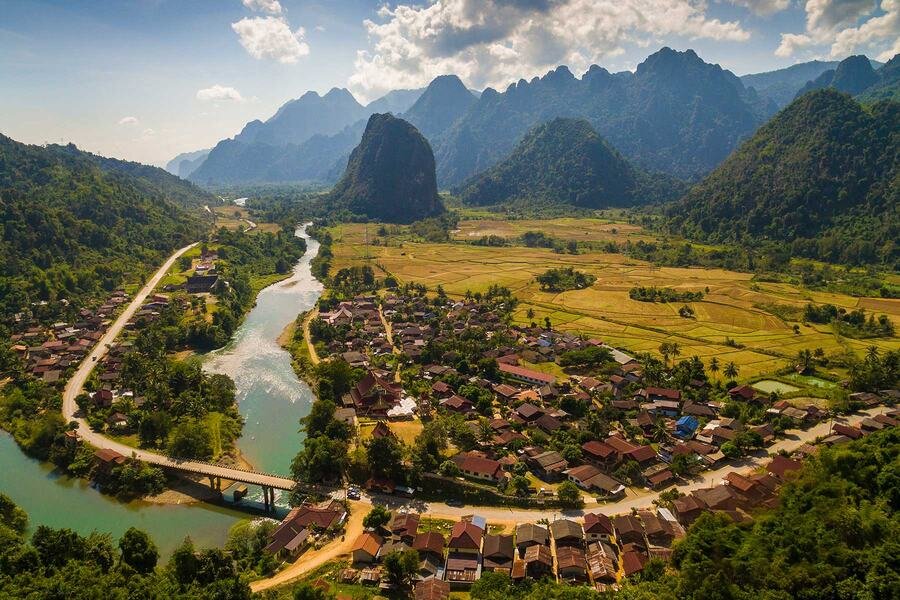
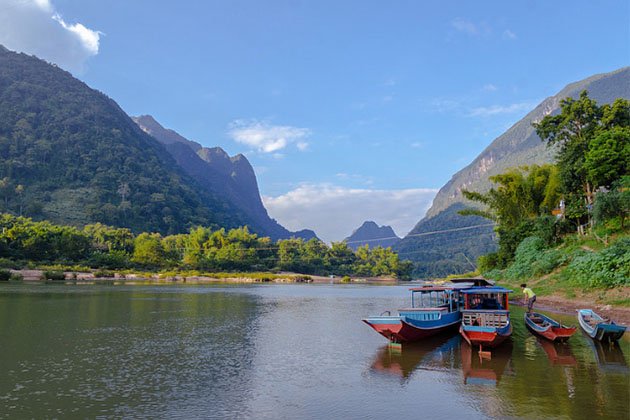
Muang Phonsaly is the capital district of Phongsaly Province and one of the most remote, culturally diverse, and historically fascinating destinations in northern Laos. Perched high in the mountains near the borders of China and Vietnam, the town is renowned for its cool climate, mist-covered peaks, ancient tea forests, traditional wooden architecture, and rich ethnic heritage.
For centuries, Phonsaly served as an important crossroads for trade between Laos, China, and neighboring regions. The mountainous terrain helped preserve unique traditions, languages, and customs that continue to thrive today. Unlike many rapidly developing urban centers, Muang Phonsaly retains much of its historical character and traditional way of life.
Today, visitors are drawn to the region’s stunning mountain scenery, ancient tea plantations, historic temples, ethnic villages, and opportunities to experience one of Laos’ most authentic cultural landscapes.
The following attractions represent the best places to visit in Muang Phonsaly.
1. Phonsaly Old Town – A Living Historical Treasure
History
Phonsaly Old Town is one of the few places in Laos where traditional wooden architecture remains remarkably well preserved.
Many of the buildings date back more than a century and reflect influences from Lao, Chinese, and Tai Lü cultures. The town developed as a trading center connecting communities throughout the mountainous border region.
Over time, merchants, travelers, and local residents created a unique cultural environment that continues to characterize the town today.
Visitor Experience
Visitors can explore:
- Historic wooden houses
- Traditional architecture
- Cultural landmarks
- Scenic streets
- Local heritage sites
The old town provides a fascinating glimpse into the past.
2. Ancient Tea Forests – The Legendary Tea Heritage of Phonsaly

History
Phongsaly is famous for its ancient tea forests, some of which contain tea trees that are believed to be several hundred years old.
Tea cultivation has been practiced in the region for centuries and remains one of the province’s most important cultural and economic traditions.
The area’s tea was historically traded with neighboring regions of China and Southeast Asia.
Visitor Experience
Visitors can discover:
- Ancient tea trees
- Traditional tea production
- Mountain landscapes
- Cultural experiences
- Agricultural heritage
The tea forests are among the most unique attractions in Laos.
3. Phou Fa Mountain Viewpoint – The Roof of Northern Laos

History
The mountains surrounding Phonsaly have shaped local culture, trade routes, and settlement patterns for centuries.
These high peaks served as natural landmarks for travelers navigating the remote highlands.
Today, the viewpoints provide some of the most spectacular panoramas in Laos.
Visitor Experience
Visitors can enjoy:
- Panoramic mountain views
- Sunrise photography
- Sunset photography
- Cloud-covered valleys
- Scenic hiking opportunities
The viewpoint offers breathtaking views of northern Laos.
4. Wat Luang Phonsaly – The Spiritual Center of the Province
History
Wat Luang is one of the most important Buddhist temples in Phongsaly Province.
For generations, the temple has served as a center of learning, worship, and community life while preserving local religious traditions.
Its architecture reflects both Lao and regional influences.
Visitor Experience
Visitors can admire:
- Traditional temple design
- Sacred Buddha images
- Religious artwork
- Historic structures
- Peaceful surroundings
The temple remains a symbol of spiritual heritage.
5. Ethnic Minority Villages – Preserving Ancient Traditions

History
Phongsaly Province is home to numerous ethnic groups including the Akha, Tai Lü, Hmong, Khmu, and Phunoy peoples.
These communities have maintained unique languages, customs, and traditions for centuries despite their remote location.
Their cultural heritage remains one of the province’s greatest treasures.
Visitor Experience
Visitors can experience:
- Traditional lifestyles
- Cultural ceremonies
- Handicraft production
- Local customs
- Village hospitality
The villages offer authentic cultural encounters.
6. Phonsaly Market – The Cultural Heart of the Highlands

History
Markets have long served as gathering places for the diverse communities of Phongsaly Province.
Farmers, traders, and artisans from surrounding villages travel to the market to exchange goods and maintain social connections.
Visitor Experience
Visitors can browse:
- Fresh produce
- Traditional textiles
- Handmade crafts
- Regional foods
- Everyday goods
The market offers insight into daily life in the highlands.
7. Bountai Valley – Gateway to the Mountains

History
Bountai Valley has supported agricultural communities for generations thanks to its fertile soil and access to water.
Historically, the valley served as an important route connecting villages throughout the region.
Its landscapes continue to support traditional farming practices.
Visitor Experience
Visitors can enjoy:
- Scenic countryside
- Traditional villages
- Rice fields
- Mountain views
- Photography opportunities
The valley showcases the natural beauty of Phongsaly.
8. Nam Ou River Region – The Historic Waterway

History
The Nam Ou River has played an important role in transportation and trade throughout northern Laos.
Communities settled along its banks, using the river for travel, fishing, and agriculture.
The river helped connect remote mountain settlements to broader trade networks.
Visitor Experience
Visitors can admire:
- River landscapes
- Traditional villages
- Scenic boat journeys
- Natural beauty
- Cultural encounters
The river remains central to life in northern Laos.
9. Mountain Tea Villages – Guardians of Tea Culture

History
Tea farming villages have existed in the mountains of Phongsaly for centuries.
Families continue to cultivate tea using traditional methods passed down through generations.
These villages helped establish the province’s reputation as Laos’ premier tea-producing region.
Visitor Experience
Visitors can learn about:
- Tea harvesting
- Traditional processing
- Village life
- Cultural traditions
- Agricultural heritage
The villages provide a unique cultural experience.
10. Highland Viewpoints of Phonsaly – The Most Spectacular Scenery in Northern Laos

History
The rugged mountains of Phongsaly have influenced the region’s history, culture, and development for centuries.
Their isolation helped preserve traditions and protected communities from many outside influences.
Today, the viewpoints reveal some of the most dramatic landscapes in Laos.
Visitor Experience
Visitors can enjoy:
- Mountain panoramas
- Mist-covered valleys
- Sunrise views
- Sunset photography
- Scenic hiking routes
The highland viewpoints offer unforgettable scenery.
Related artical : Best place to visit in Paksan