Now Reading: Best place to visit in Sekong
-
01
Best place to visit in Sekong
Best place to visit in Sekong

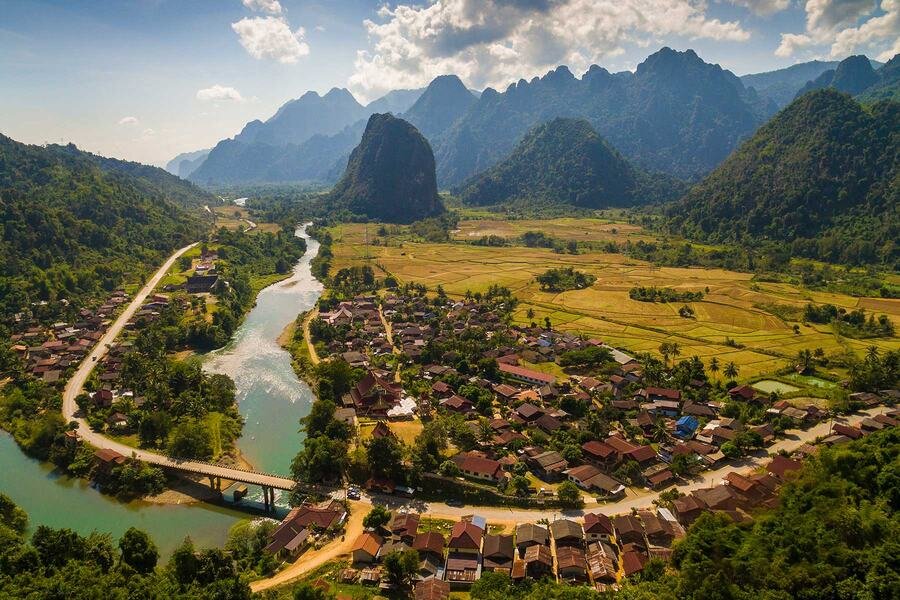
Sekong is one of the most remote, untouched, and naturally beautiful provinces in southern Laos. Nestled between the rugged mountains of the Annamite Range and the fertile valleys of southern Laos, Sekong is renowned for its pristine forests, powerful rivers, spectacular waterfalls, diverse wildlife, and rich ethnic heritage.
Established as a separate province in 1984, Sekong is one of the least populated regions of Laos. However, its history stretches back centuries, with indigenous communities inhabiting its mountains and valleys long before the formation of modern borders. The province has traditionally been home to various ethnic groups including the Alak, Katu, Tarieng, and Nge peoples, each contributing unique customs, languages, and traditions to the region’s cultural identity.
Historically, Sekong remained isolated due to its mountainous terrain and dense forests. This isolation helped preserve both its natural ecosystems and traditional ways of life. Today, the province is increasingly recognized as one of Laos’ most important eco-tourism destinations, attracting travelers seeking authentic cultural experiences and unspoiled wilderness.
The following attractions represent the best places to visit in Sekong Province.
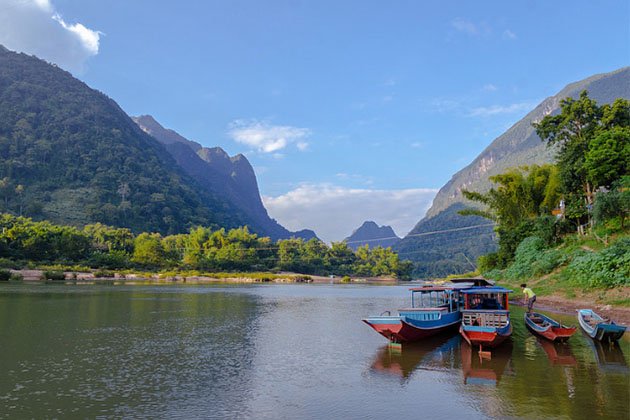
1. Sekong River – The Lifeline of the Province

History
The Sekong River has shaped the history and development of the province for centuries.
Flowing through mountains, forests, and valleys before joining the Mekong River system, the river has long provided water, transportation, fishing opportunities, and fertile agricultural land for local communities.
For generations, villages developed along its banks, relying on the river for survival and economic activity. The Sekong River also served as a natural route connecting remote settlements throughout southern Laos.
Visitor Experience
Visitors can enjoy:
- Scenic river landscapes
- Traditional fishing communities
- Riverside photography
- Cultural encounters
- Peaceful natural surroundings
The river remains one of the defining features of the province.
2. Dakchung Plateau – The Highland Wonderland

History
Dakchung Plateau lies within the mountainous heart of Sekong Province and has been inhabited by ethnic communities for centuries.
The plateau’s cooler climate, fertile land, and abundant forests made it an ideal place for traditional agriculture and settlement.
Historically, the region remained isolated from major trade routes, allowing local cultures to develop independently while preserving unique traditions.
Visitor Experience
Visitors can explore:
- Mountain landscapes
- Traditional villages
- Forest trails
- Scenic viewpoints
- Highland agriculture
The plateau offers some of the most spectacular scenery in southern Laos.
3. Xe Sap National Protected Area – The Kingdom of Biodiversity

History
Established to protect one of Southeast Asia’s most important ecosystems, Xe Sap National Protected Area covers vast areas of forest and mountainous terrain.
The reserve supports numerous rare and endangered species while preserving habitats that have remained largely untouched for centuries.
Historically, indigenous communities depended on these forests for food, medicine, and traditional livelihoods.
Today, conservation efforts focus on balancing environmental protection with sustainable community development.
Visitor Experience
Visitors can experience:
- Dense tropical forests
- Wildlife observation
- Birdwatching opportunities
- Nature trekking
- Eco-tourism adventures
The protected area represents one of Laos’ greatest natural treasures.
4. Tad Faek Waterfall – The Hidden Cascade of Sekong
History
Tad Faek Waterfall has long been known to local communities as an important natural landmark.
The waterfall was formed over thousands of years as flowing water carved through layers of rock and forested terrain.
For generations, nearby villages visited the area for fishing, relaxation, and cultural gatherings.
Visitor Experience
Visitors can admire:
- Cascading waterfalls
- Forest scenery
- Natural swimming areas
- Photography opportunities
- Peaceful surroundings
The waterfall showcases the untouched beauty of Sekong.
5. Ethnic Minority Villages – Guardians of Ancient Traditions

History
Sekong is home to some of the most culturally distinct ethnic communities in Laos.
Groups such as the Alak, Katu, Tarieng, and Nge have inhabited the region for centuries, maintaining unique languages, ceremonies, and social traditions.
Despite modernization, many villages continue to preserve traditional lifestyles that have been passed down through generations.
Visitor Experience
Visitors can discover:
- Traditional houses
- Cultural ceremonies
- Handcrafted goods
- Indigenous customs
- Community life
These villages offer authentic cultural experiences rarely found elsewhere.
6. Dak Cheung District – The Historic Mountain Region

History
Dak Cheung has served as an important settlement area for centuries due to its fertile valleys and strategic location within the mountains.
The district became a center of agricultural production and cultural exchange among various ethnic groups.
Its remote location helped preserve local traditions and customs.
Visitor Experience
Visitors can enjoy:
- Traditional villages
- Scenic mountain roads
- Agricultural landscapes
- Cultural exploration
- Photography opportunities
The district reflects the historical character of Sekong Province.
7. Xe Kong Valley – The Green Heart of Southern Laos

History
The fertile Xe Kong Valley has supported human settlement for hundreds of years.
Its rivers, forests, and agricultural lands made it one of the most productive areas of the province.
Communities developed farming systems that continue to sustain local populations today.
Visitor Experience
Visitors can admire:
- Vast green landscapes
- Traditional farms
- River scenery
- Wildlife habitats
- Rural beauty
The valley is among the most picturesque regions in southern Laos.
8. Sekong Provincial Museum – Preserving Regional Heritage
History
The museum was established to preserve the history, culture, and traditions of Sekong Province.
Its exhibits document archaeological discoveries, traditional clothing, ethnic customs, and important historical events that shaped the region.
The museum plays a vital role in educating visitors about the province’s unique identity.
Visitor Experience
Visitors can learn about:
- Regional history
- Traditional lifestyles
- Cultural artifacts
- Ethnic heritage
- Historical development
The museum provides valuable insight into Sekong’s past.
9. Annamite Mountains – The Natural Barrier of the East

History
The Annamite Mountains have defined the geography and history of Sekong for centuries.
These rugged peaks form a natural border between Laos and Vietnam and have influenced migration, trade, and settlement patterns throughout history.
The mountains also serve as critical habitats for numerous rare species.
Visitor Experience
Visitors can experience:
- Dramatic mountain scenery
- Hiking opportunities
- Wildlife observation
- Scenic viewpoints
- Remote wilderness
The mountain range offers some of the most impressive landscapes in Laos.
10. Traditional Markets of Sekong Town – The Province’s Cultural Hub

History
Markets have served as gathering places for communities throughout Sekong Province for generations.
Farmers, artisans, and traders bring goods from remote villages, helping preserve traditional economic and social networks.
The market reflects the diversity and vitality of the province’s culture.
Visitor Experience
Visitors can browse:
- Fresh produce
- Traditional textiles
- Handcrafted goods
- Local foods
- Everyday products
The market provides a fascinating look at daily life in Sekong.
Related artical : Best place to visit in Muang Phonsaly