
Now Reading: Best place to visit in Samakhixay
-
01
Best place to visit in Samakhixay
Best place to visit in Samakhixay
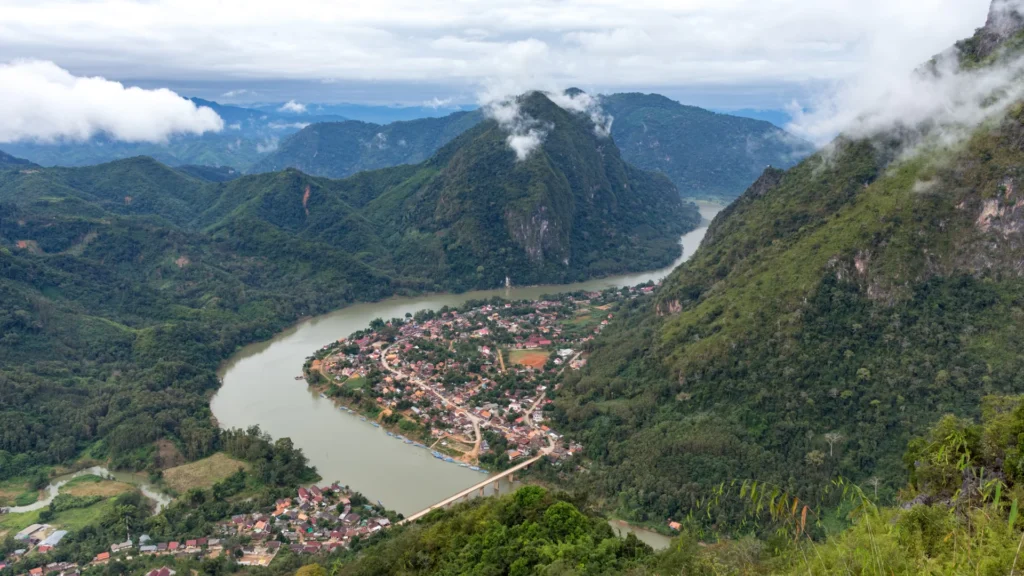
Samakhixay is the capital district of Attapeu Province and serves as the administrative, cultural, and economic center of southeastern Laos. Situated near the confluence of important river systems and surrounded by forests, mountains, and fertile agricultural lands, Samakhixay has long played a significant role in the history and development of the region.
The district’s history is closely connected to ancient trade routes linking Laos with present-day Vietnam and Cambodia. Over centuries, various ethnic communities settled in the area, creating a rich cultural landscape that continues to thrive today. Despite modernization, Samakhixay retains much of its traditional character and remains a gateway to some of the most beautiful natural attractions in southern Laos.
Today, visitors are attracted by the district’s cultural heritage, scenic landscapes, traditional villages, rivers, forests, and historical sites. Samakhixay provides an authentic glimpse into life in one of Laos’ most fascinating provinces.
The following attractions represent the best places to visit in Samakhixay.
1. Attapeu Town Center – The Heart of Samakhixay

History
The modern center of Samakhixay developed as an administrative hub for Attapeu Province.
Historically, the area served as an important trading point connecting local communities with neighboring regions. As transportation networks improved, the town expanded and became the province’s political and commercial center.
Today, it remains the focal point of daily life in Attapeu Province.
Visitor Experience
Visitors can explore:
- Local government buildings
- Cultural landmarks
- Traditional markets
- Community spaces
- Everyday Lao life
The town center offers a genuine introduction to the culture of southern Laos.
2. Sekong River – The Lifeline of the Region

History
The Sekong River has supported human settlement in the region for centuries.
Communities relied on its waters for transportation, fishing, agriculture, and trade. The river helped connect isolated settlements and played a major role in regional development.
Today, it remains one of the most important natural features of Attapeu Province.
Visitor Experience
Visitors can enjoy:
- Riverside landscapes
- Traditional fishing activities
- Scenic photography
- Boat excursions
- Peaceful surroundings
The river provides beautiful views throughout the district.
3. Wat Sakae Temple – The Spiritual Landmark of Attapeu

History
Wat Sakae is one of the most respected Buddhist temples in Attapeu Province.
For generations, the temple has served as a center of worship, education, and community life. Local residents continue to gather here for religious ceremonies and cultural celebrations.
Its history reflects the enduring influence of Buddhism in the region.
Visitor Experience
Visitors can admire:
- Traditional temple architecture
- Sacred Buddha statues
- Religious artwork
- Historic structures
- Peaceful temple grounds
The temple offers both spiritual and cultural insight.
4. Attapeu Provincial Museum – Preserving Regional History
History
The museum was established to preserve the history and cultural heritage of Attapeu Province.
Its collections document traditional lifestyles, archaeological discoveries, ethnic traditions, and important historical events that shaped the region.
The museum serves as an educational resource for both residents and visitors.
Visitor Experience
Visitors can learn about:
- Regional history
- Traditional customs
- Ethnic cultures
- Historical artifacts
- Archaeological findings
The museum provides valuable context for understanding Attapeu Province.
5. Ethnic Minority Villages – Living Cultural Heritage

History
The region surrounding Samakhixay is home to numerous ethnic groups including the Alak, Katu, Oy, Brao, and Nge peoples.
These communities have inhabited the mountains and valleys of southern Laos for centuries and continue to preserve unique traditions, languages, and customs.
Their cultural heritage remains a vital part of the province’s identity.
Visitor Experience
Visitors can discover:
- Traditional housing
- Cultural ceremonies
- Handcrafted goods
- Local customs
- Community life
The villages provide authentic cultural experiences.
6. Xe Pian National Protected Area – A Sanctuary of Wildlife

History
Established in 1993, Xe Pian National Protected Area protects one of the most important ecosystems in southern Laos.
The forests, wetlands, and rivers support a wide variety of wildlife and have long provided resources for local communities.
Conservation efforts continue to preserve the area’s biodiversity.
Visitor Experience
Visitors can experience:
- Wildlife observation
- Forest trekking
- Birdwatching
- Nature photography
- Eco-tourism activities
The protected area is one of Laos’ premier natural attractions.
7. Nong Fa Lake – The Mysterious Mountain Lake

History
Nong Fa Lake is one of the most mysterious natural landmarks in Laos.
Located in a remote forested area, the lake is believed to have formed thousands of years ago through volcanic or geological processes.
Local legends describe the lake as a sacred site connected to ancient spirits and folklore.
Visitor Experience
Visitors can enjoy:
- Mountain scenery
- Forest landscapes
- Unique geological features
- Photography opportunities
- Tranquil surroundings
The lake remains one of the province’s most intriguing destinations.
8. Xepian Wetlands – A Haven for Biodiversity

History
The wetlands have supported wildlife and human communities for thousands of years.
These ecosystems provide essential habitats for birds, fish, and numerous plant species while supporting local livelihoods.
Conservation programs help maintain the ecological health of the region.
Visitor Experience
Visitors can explore:
- Wetland habitats
- Birdwatching areas
- Wildlife photography
- Nature excursions
- Scenic landscapes
The wetlands are among the most important ecological areas in southern Laos.
9. Sanamxay Road Scenic Route – Journey Through Southern Laos

History
The roads connecting Samakhixay and Sanamxay improved transportation and economic development throughout Attapeu Province.
Historically, communities relied on rivers and footpaths before modern roads transformed regional connectivity.
Today, these routes offer access to some of the province’s most beautiful landscapes.
Visitor Experience
Visitors can admire:
- Mountain scenery
- Rural villages
- Agricultural landscapes
- Forest views
- Scenic photography opportunities
The route reveals the natural beauty of Attapeu Province.
10. Samakhixay Market – The Commercial and Cultural Hub

History
Markets have long been essential to social and economic life in the region.
Farmers, artisans, and traders gather daily to exchange goods, maintain community relationships, and preserve traditional economic practices.
The market remains a vibrant center of local culture.
Visitor Experience
Visitors can browse:
- Fresh produce
- Traditional textiles
- Local handicrafts
- Regional foods
- Everyday products
The market offers an authentic glimpse into daily life in Samakhixay.
Related artical : Best place to visit in Sekong