
Now Reading: Best place to visit in Pakxan
-
01
Best place to visit in Pakxan
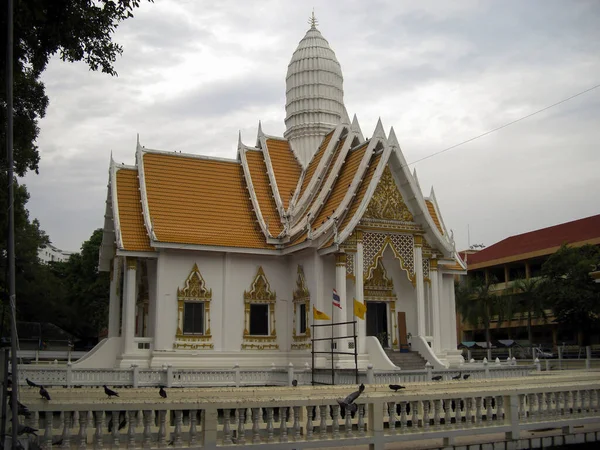
Best place to visit in Pakxan

Pakxan (also spelled Paksan) is the capital of Bolikhamxay Province and one of the most historically important river cities in central Laos. Located at the meeting point of the Mekong River and the Nam San River, Pakxan has served as a vital center of trade, transportation, agriculture, and cultural exchange for centuries.
The history of Pakxan is deeply connected to the Mekong River, which has supported human settlement in the region for thousands of years. Ancient communities established villages along the riverbanks due to fertile agricultural land, abundant fishing opportunities, and easy transportation routes. During the era of the Lao kingdoms, the region became an important stop for merchants traveling between northern and southern Laos.
The arrival of French colonial administration in the late nineteenth century transformed Pakxan into a significant administrative and commercial center. Roads, government offices, and trade networks expanded throughout the region, helping the city grow into one of the most important urban centers in central Laos.
Today, Pakxan is known for its peaceful riverside atmosphere, historic temples, national parks, waterfalls, traditional markets, and scenic landscapes. The city serves as a gateway to some of the most beautiful natural attractions in Laos while preserving its rich cultural and historical heritage.
The following attractions represent the best places to visit in Pakxan.
1. Mekong River Waterfront – The Historic Heart of Pakxan

History
For centuries, the Mekong River has been the foundation of life in Pakxan.
Ancient traders used the river as a transportation corridor connecting communities throughout Southeast Asia. Farmers depended on seasonal flooding to enrich agricultural lands, while fishermen relied on the river’s resources for survival.
During the French colonial period, the Mekong remained the primary transportation route for goods and people traveling through central Laos.
Today, the river continues to shape the city’s identity and economy.
Visitor Experience
Visitors can enjoy:
- Riverside walks
- Scenic photography
- Sunset views
- Local fishing activities
- Relaxing riverfront atmosphere
The waterfront is one of the most beautiful locations in Pakxan.
2. Wat Phabat – The Sacred Temple of the Province

History
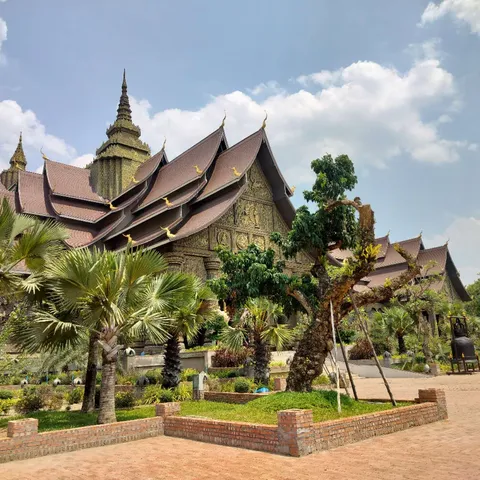
Wat Phabat is one of the most important religious sites in Bolikhamxay Province.
The temple has served as a center of Buddhist worship, education, and community life for generations. Monks and pilgrims have visited the site for centuries to participate in ceremonies and spiritual practices.
Its architecture reflects traditional Lao craftsmanship and Buddhist heritage.
Visitor Experience
Visitors can explore:
- Sacred Buddha statues
- Traditional architecture
- Religious artwork
- Historic temple grounds
- Peaceful surroundings
The temple remains a symbol of faith and spirituality in Pakxan.
3. Phou Khao Khouay National Protected Area – The Wilderness of Central Laos

History
Established in 1993, Phou Khao Khouay National Protected Area was created to preserve one of Laos’ most valuable ecosystems.
For centuries, local communities depended on these forests for food, medicine, and natural resources. The area contains mountains, rivers, waterfalls, and forests that support diverse wildlife populations.
Today, the protected area plays a crucial role in environmental conservation.
Visitor Experience
Visitors can discover:
- Tropical forests
- Wildlife habitats
- Nature trails
- Scenic viewpoints
- Eco-tourism activities
The park is one of the premier natural attractions near Pakxan.
4. Tad Leuk Waterfall – The Hidden Natural Wonder

History
Tad Leuk Waterfall was formed over thousands of years as mountain streams carved through the region’s rocky terrain.
The waterfall has long been known to local communities who visited the area for fishing, relaxation, and cultural activities.
Its natural beauty has made it one of the most popular destinations within Phou Khao Khouay National Protected Area.
Visitor Experience
Visitors can enjoy:
- Cascading waterfalls
- Forest scenery
- Picnic areas
- Swimming spots
- Photography opportunities
The waterfall offers a refreshing escape into nature.
5. Nam San River – The Historic Tributary

History
The Nam San River joins the Mekong at Pakxan and has supported human settlement for centuries.
Communities along its banks relied on the river for agriculture, transportation, and fishing. The fertile lands surrounding the river contributed to the growth of villages and farming communities.
Its waters remain essential to local livelihoods today.
Visitor Experience
Visitors can admire:
- River landscapes
- Traditional villages
- Fishing communities
- Scenic photography
- Peaceful natural settings
The river adds to the beauty of Pakxan’s surroundings.
6. Bolikhamxay Provincial Museum – Preserving the Past
History
The museum was established to preserve the history and cultural heritage of Bolikhamxay Province.
Its collections include traditional artifacts, historical documents, archaeological discoveries, and exhibits representing the province’s ethnic diversity.
The museum helps visitors understand the development of the region throughout history.
Visitor Experience
Visitors can learn about:
- Local history
- Cultural traditions
- Archaeological finds
- Ethnic communities
- Historical events
The museum provides valuable educational insight.
7. Pakxan Central Market – The Commercial Heart of the City

History
Markets have played a central role in the social and economic life of Pakxan for generations.
Farmers, artisans, and traders gather daily to exchange goods and maintain community relationships. The market reflects the agricultural traditions and cultural diversity of central Laos.
Visitor Experience
Visitors can browse:
- Fresh produce
- Traditional foods
- Handcrafted products
- Textiles
- Everyday goods
The market offers an authentic glimpse into local life.
8. Traditional Villages of Bolikhamxay – Preserving Cultural Heritage

History
The countryside surrounding Pakxan is home to several ethnic communities that have preserved traditional lifestyles for centuries.
These villages maintain unique customs, architecture, handicrafts, and agricultural practices that continue to define local culture.
Visitor Experience
Visitors can experience:
- Traditional houses
- Cultural traditions
- Local crafts
- Farming activities
- Community life
The villages provide insight into rural Laos.
9. Mountain Viewpoints of Bolikhamxay – Spectacular Panoramas

History
The mountains surrounding Pakxan have influenced settlement patterns and transportation routes throughout history.
These elevated landscapes provided natural protection and served as important landmarks for travelers crossing central Laos.
Visitor Experience
Visitors can enjoy:
- Mountain scenery
- Sunrise views
- Sunset photography
- Hiking opportunities
- Panoramic landscapes
The viewpoints reveal the natural beauty of Bolikhamxay Province.
10. Mekong Sunset Point – The City’s Most Beautiful Evening View
History
For centuries, residents gathered along the Mekong River at sunset after completing daily farming, fishing, and trading activities.
The tradition continues today as locals and visitors enjoy the changing colors reflected across the river.
The sunset has become one of the most cherished experiences in Pakxan.
Visitor Experience
Visitors can witness:
- Golden river reflections
- Beautiful sunsets
- Riverside scenery
- Photography opportunities
- Relaxing atmosphere
The sunset viewpoint provides a perfect conclusion to a day in Pakxan.
Related artical : Best place to visit in Kaysone Phomvihane