
Now Reading: Best place to visit in Kaysone Phomvihane
-
01
Best place to visit in Kaysone Phomvihane
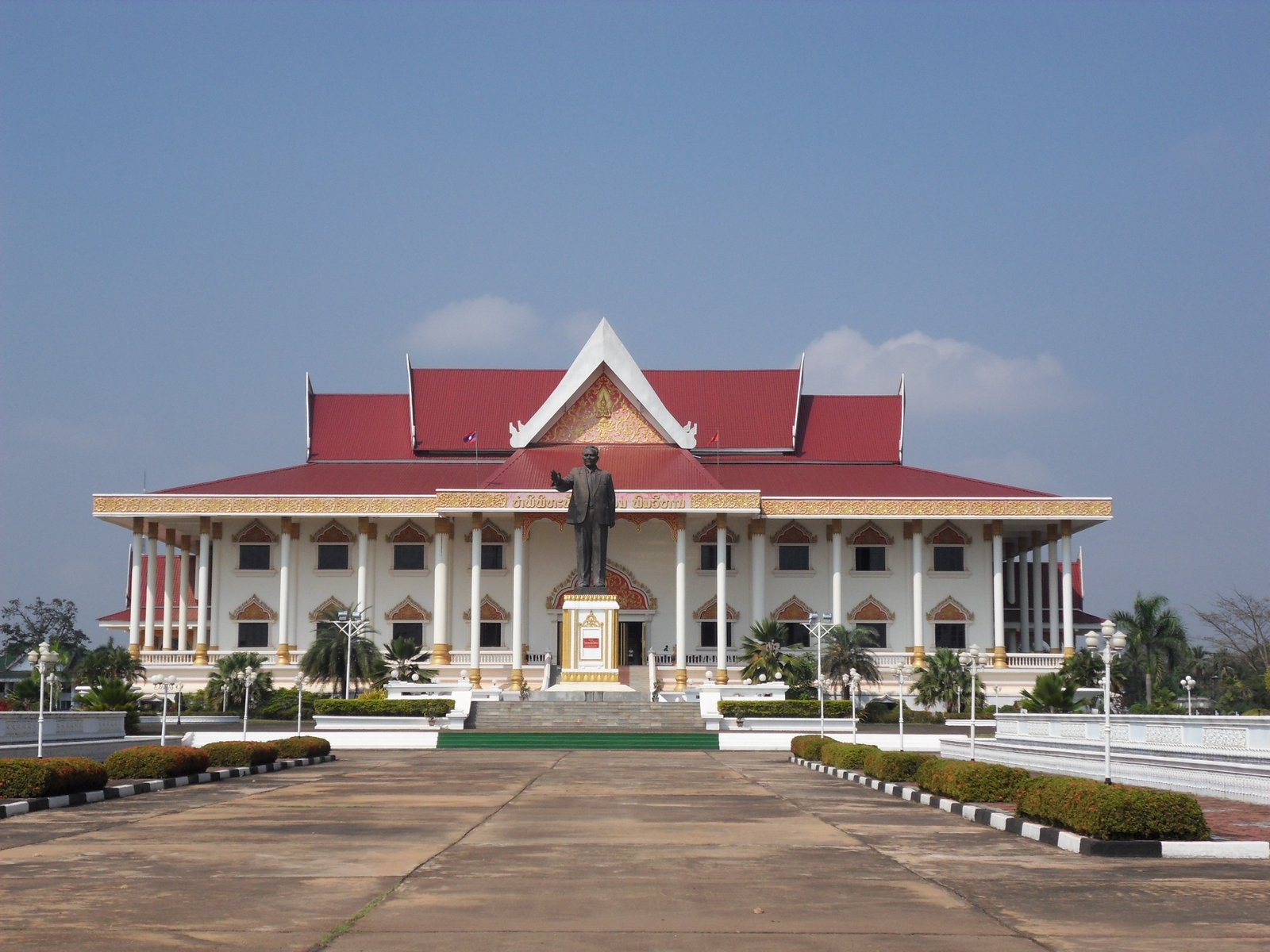
Best place to visit in Kaysone Phomvihane

Kaysone Phomvihane is the capital of Savannakhet Province and the second-largest urban center in the country. Formerly known as Savannakhet City, it was renamed in honor of Kaysone Phomvihane, one of the most influential figures in modern Lao history and the founding leader of the Lao People’s Democratic Republic.
Situated along the banks of the mighty Mekong River opposite Mukdahan in Thailand, the city has served as an important center of trade, religion, administration, and cultural exchange for centuries. Its strategic location made it a crossroads for merchants traveling between Laos, Thailand, Vietnam, and Cambodia.
The city’s history reflects the story of Laos itself. Ancient settlements, Buddhist traditions, French colonial influence, wartime experiences, and modern economic development have all shaped Kaysone Phomvihane into one of the country’s most fascinating destinations.
Today, visitors discover a city filled with historic temples, colonial architecture, museums, markets, riverside promenades, and cultural landmarks that tell the story of southern Laos.
The following attractions represent the best places to visit in Kaysone Phomvihane.
1. That Ing Hang Stupa – The Sacred Symbol of Southern Laos

History
That Ing Hang is one of the oldest and most revered Buddhist monuments in Laos.
According to local tradition, the stupa was originally constructed more than two thousand years ago and is believed to contain sacred relics associated with the Buddha.
Throughout history, kings, monks, and pilgrims traveled from across the Mekong region to pay their respects at this sacred site.
The monument survived periods of conflict and continues to serve as one of the most important religious destinations in southern Laos.
Visitor Experience
Visitors can admire:
- Sacred Buddhist architecture
- Religious ceremonies
- Historic temple grounds
- Cultural traditions
- Spiritual atmosphere
The stupa remains the most important landmark in the city.
2. Kaysone Phomvihane Museum – Exploring Modern Lao History

History
The museum was established to honor the life and achievements of Kaysone Phomvihane, who played a central role in Laos’ independence movement and later became the country’s first leader after the establishment of the Lao People’s Democratic Republic in 1975.
The museum preserves photographs, personal belongings, historical documents, and exhibits related to Laos’ revolutionary history.
It offers valuable insight into the political transformation of modern Laos.
Visitor Experience
Visitors can learn about:
- Modern Lao history
- Revolutionary movements
- National independence
- Political development
- Historical artifacts
The museum is one of the city’s most significant educational attractions.
3. Saint Teresa Catholic Church – A Colonial-Era Masterpiece

History
Built during the French colonial period, Saint Teresa Church stands as one of the most recognizable architectural landmarks in the city.
French missionaries introduced Christianity to the region, and the church became an important religious center for the local Catholic community.
Its elegant design reflects European influences rarely seen elsewhere in Laos.
Visitor Experience
Visitors can explore:
- Colonial architecture
- Historic interiors
- Religious heritage
- Cultural history
- Photography opportunities
The church provides a fascinating contrast to the city’s Buddhist landmarks.
4. Savannakhet Old Quarter – The Colonial Heritage District

History
During the late nineteenth and early twentieth centuries, Savannakhet became one of the most important administrative centers of French Indochina.
The French introduced wide boulevards, elegant villas, government offices, and commercial buildings that transformed the city’s appearance.
Many of these structures remain standing today and form one of the finest collections of colonial architecture in Laos.
Visitor Experience
Visitors can discover:
- Historic streets
- Colonial-era buildings
- Traditional Lao houses
- Cultural landmarks
- Scenic walking routes
The district offers a journey into the colonial past of Laos.
5. Mekong River Promenade – The Scenic Heart of the City

History
The Mekong River has been central to the city’s development for centuries.
Merchants transported goods along its waters, fishermen depended on its resources, and communities settled along its fertile banks.
The river transformed Savannakhet into an important commercial hub linking neighboring countries.
Visitor Experience
Visitors can enjoy:
- Sunset views
- Riverside walks
- Local restaurants
- Photography opportunities
- Relaxing atmosphere
The promenade remains one of the city’s most popular gathering places.
6. Wat Xayaphoum – The Historic Temple of the Province

History
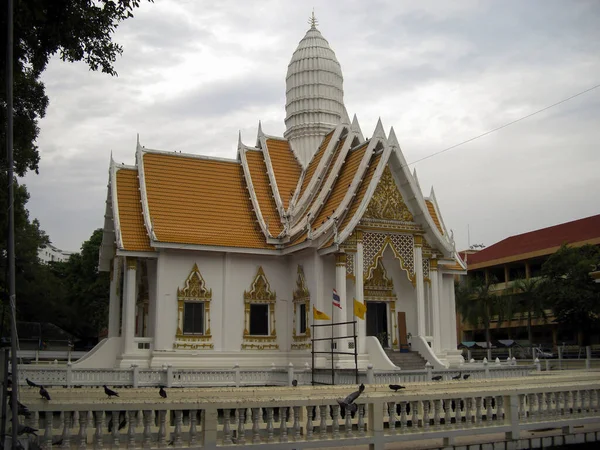
Wat Xayaphoum is one of the oldest Buddhist temples in the region.
For generations, it has served as a center of worship, education, and community life while preserving important religious traditions.
The temple’s architecture reflects centuries of spiritual heritage.
Visitor Experience
Visitors can admire:
- Sacred Buddha statues
- Traditional architecture
- Religious artwork
- Historic buildings
- Peaceful courtyards
The temple is an important symbol of local faith.
7. Dinosaur Museum – Discovering Prehistoric Laos

History
Savannakhet Province gained international attention after important dinosaur fossils were discovered in the region.
These findings revealed that giant dinosaurs once roamed the landscapes of what is now Laos millions of years ago.
The museum was created to preserve and showcase these remarkable discoveries.
Visitor Experience
Visitors can learn about:
- Dinosaur fossils
- Ancient ecosystems
- Geological history
- Scientific discoveries
- Educational exhibits
The museum is one of the most unique attractions in Laos.
8. Talat Yen Market – The Commercial Center of the City

History
For decades, Talat Yen has served as the city’s primary marketplace.
Farmers, artisans, traders, and merchants from across the province gather here to exchange goods and maintain economic ties.
The market reflects the cultural diversity and commercial traditions of southern Laos.
Visitor Experience
Visitors can browse:
- Fresh produce
- Local handicrafts
- Traditional clothing
- Regional foods
- Everyday products
The market provides a glimpse into daily life.
9. Friendship Bridge II – Connecting Nations

History
Completed in 2006, the Second Thai-Lao Friendship Bridge strengthened economic cooperation between Laos and Thailand.
The bridge became a vital component of regional transportation networks and significantly boosted trade and tourism.
Today it symbolizes the growing connectivity of Southeast Asia.
Visitor Experience
Visitors can admire:
- Modern engineering
- Mekong River views
- Scenic landscapes
- International connections
- Photography opportunities
The bridge represents the city’s modern development.
10. Dong Natad Protected Area – Nature Near the City

History
Dong Natad was established to preserve forests and wildlife habitats near the city.
The area has long provided natural resources for local communities while supporting diverse ecosystems.
Conservation efforts continue to protect its environmental value.
Visitor Experience
Visitors can experience:
- Forest trails
- Wildlife observation
- Birdwatching
- Nature photography
- Outdoor recreation
The reserve offers a peaceful escape from urban life.
Related artical : Best place to visit in Champasak