
Now Reading: Best place to visit in Champasak
-
01
Best place to visit in Champasak
Best place to visit in Champasak

Champasak is one of the most historically important and culturally rich destinations in southern Laos. Located along the banks of the Mekong River, the town was once the capital of the powerful Kingdom of Champasak and remains a center of history, spirituality, and traditional Lao culture.
For centuries, Champasak served as a major political, religious, and commercial hub in the Mekong region. Influenced by the Khmer Empire, Lao kingdoms, and later French colonial administration, the town developed a unique cultural identity that can still be seen in its temples, colonial buildings, and traditional communities.
Today, Champasak attracts visitors from around the world who come to explore ancient temples, UNESCO World Heritage sites, riverside scenery, and some of the most remarkable historical landmarks in Laos.
The following attractions represent the best places to visit in Champasak.
1. Wat Phou – The Ancient Khmer Masterpiece

History
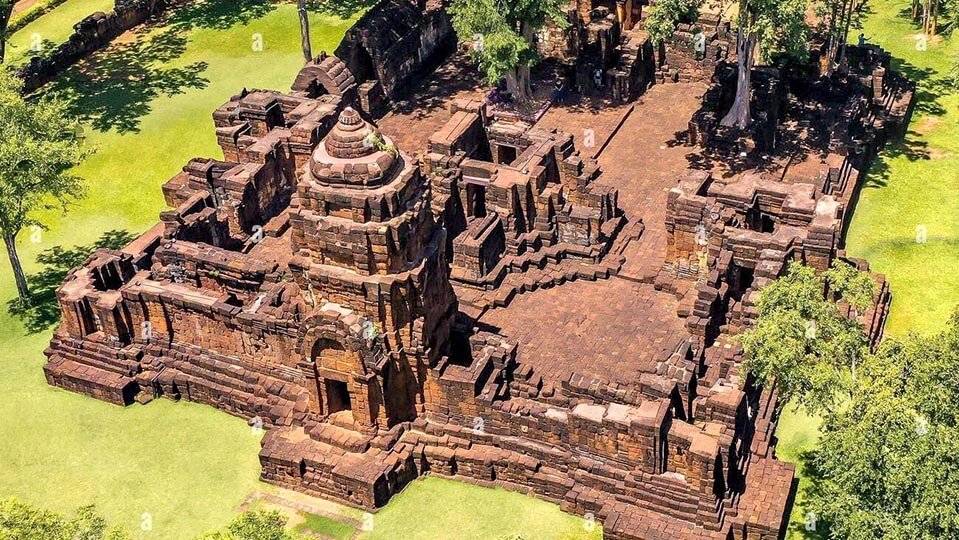
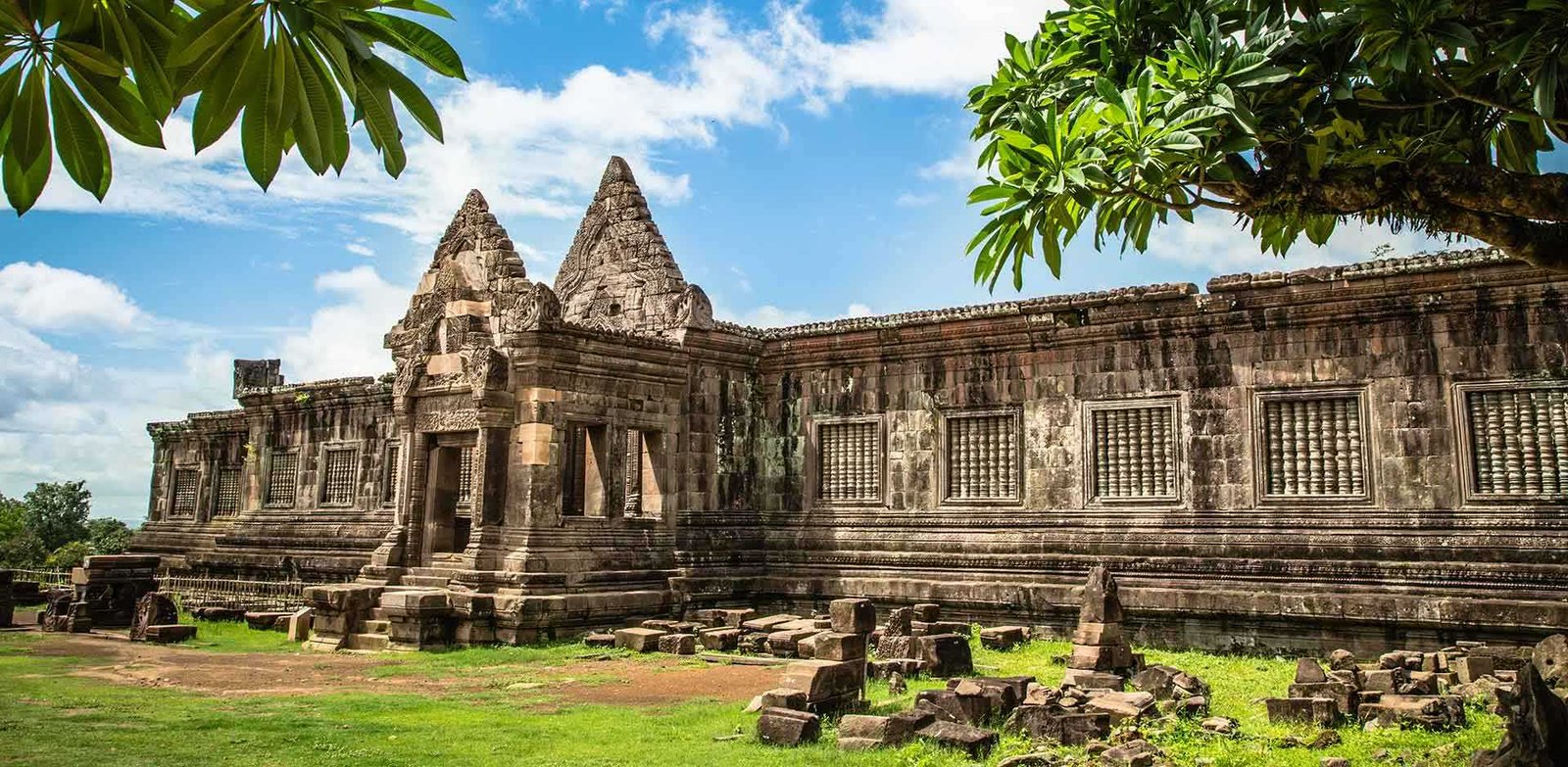
Wat Phou is the most famous attraction in Champasak and one of the oldest temple complexes in Southeast Asia.
The site originated as a Hindu religious center during the Khmer Empire between the 5th and 13th centuries. Dedicated to Lord Shiva, the temple was strategically built at the base of Phou Kao Mountain, which was considered sacred.
Over time, Wat Phou became a Buddhist pilgrimage site and remained an important religious center for centuries.
In 2001, the temple complex was recognized as a UNESCO World Heritage Site due to its outstanding historical and cultural significance.
Visitor Experience
Visitors can explore:
- Ancient Khmer architecture
- Historic stone temples
- Sacred shrines
- Archaeological ruins
- Panoramic mountain views
Wat Phou remains one of the most important historical sites in Laos.
2. Phou Kao Mountain – The Sacred Mountain

History
Phou Kao Mountain has been regarded as sacred for over a thousand years.
Its distinctive peak resembles a lingam, a symbol associated with Hindu worship. This natural formation played a major role in the selection of the Wat Phou temple site.
Ancient pilgrims viewed the mountain as a divine presence connected to the spiritual world.
Visitor Experience
Visitors can admire:
- Mountain scenery
- Historical significance
- Sacred landscapes
- Photography opportunities
- Cultural heritage
The mountain forms a dramatic backdrop to Wat Phou.
3. Champasak Old Town – The Former Royal Capital

History
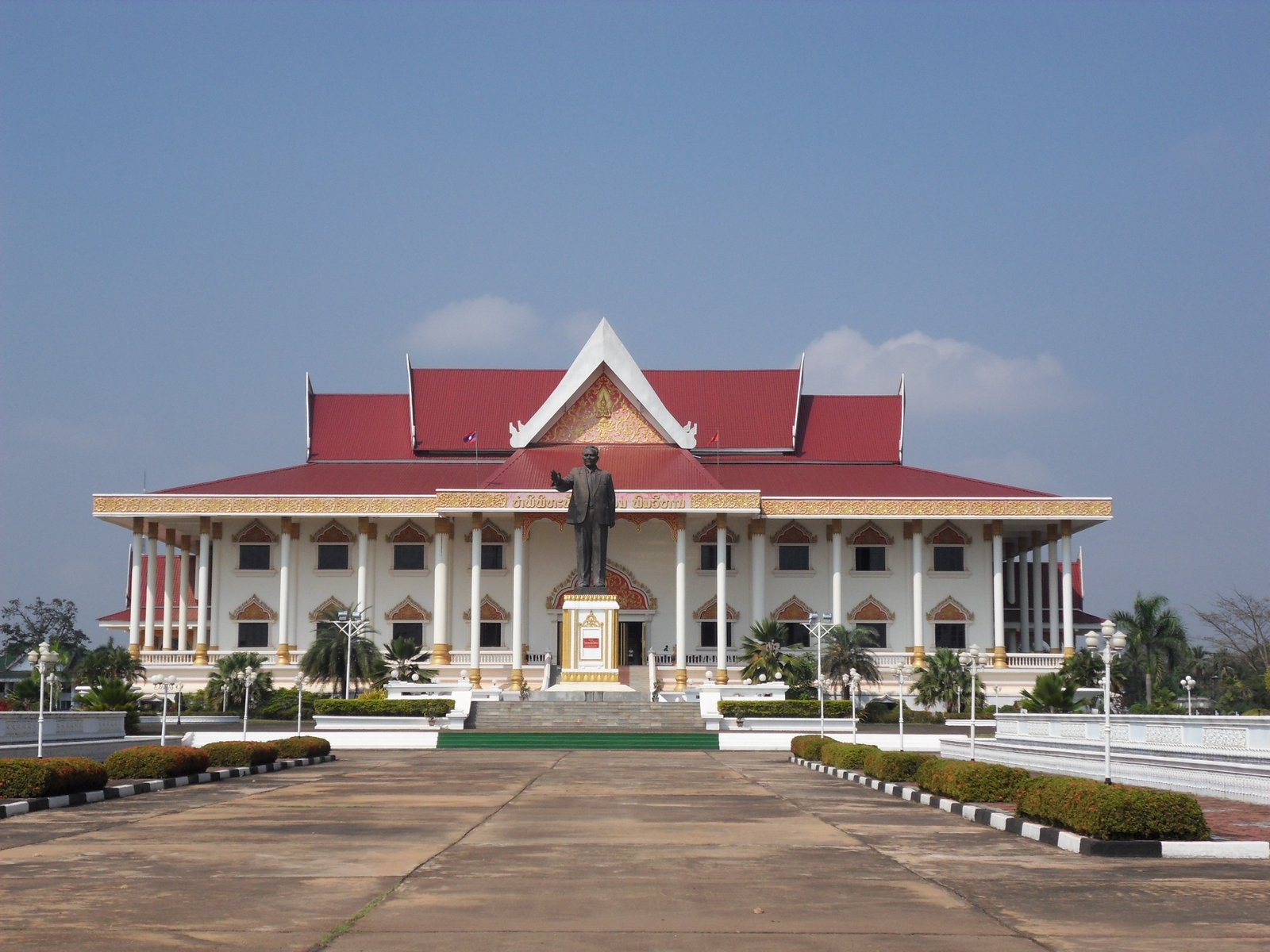
Champasak served as the capital of the Kingdom of Champasak from the early 18th century until the late 19th century.
The town became a center of political authority, trade, and religion throughout southern Laos.
Many historic buildings from the royal and colonial periods survive today, preserving the character of the old capital.
Visitor Experience
Visitors can explore:
- Historic streets
- Colonial architecture
- Traditional Lao houses
- Cultural landmarks
- Riverside scenery
Walking through the town feels like stepping back into Laos’ royal past.
4. Mekong River – The Lifeline of Champasak
History
For centuries, the Mekong River served as the primary transportation route connecting Champasak with neighboring kingdoms and trading centers.
The river supported agriculture, fishing, commerce, and cultural exchange throughout the region.
Its importance helped establish Champasak as one of the most influential settlements in southern Laos.
Visitor Experience
Visitors can enjoy:
- Riverside walks
- Boat excursions
- Sunset photography
- Scenic landscapes
- Traditional river life
The Mekong remains central to the identity of Champasak.
5. Don Daeng Island – The Peaceful Mekong Escape

History
Don Daeng is a large island located in the Mekong River opposite Champasak Town.
For generations, local communities have relied on farming and fishing while preserving traditional lifestyles largely untouched by modernization.
The island offers visitors a glimpse into rural Lao life.
Visitor Experience
Visitors can enjoy:
- Traditional villages
- Cycling routes
- River scenery
- Agricultural landscapes
- Cultural encounters
The island provides a peaceful retreat from urban life.
6. Vat Phou Museum – Preserving Ancient Heritage

History
The museum was established to preserve and display artifacts discovered throughout the Wat Phou archaeological complex.
Its collections provide insight into the history of the Khmer Empire and the development of Champasak as a religious center.
Visitor Experience
Visitors can learn about:
- Ancient Khmer culture
- Archaeological discoveries
- Religious history
- Historic artifacts
- Temple architecture
The museum complements a visit to Wat Phou.
7. French Colonial Buildings – Echoes of a Colonial Era

History
During the French colonial period, Champasak became part of French Indochina.
Administrative buildings, residences, and public structures were constructed, introducing European architectural influences to the town.
Many of these buildings remain standing today.
Visitor Experience
Visitors can admire:
- Colonial architecture
- Historic residences
- Cultural heritage
- Architectural details
- Photography opportunities
These buildings add another layer to the town’s historical character.
8. Traditional Buddhist Temples of Champasak

History
Buddhism has played a central role in Champasak for centuries.
Temples served as centers of worship, education, and community life while preserving spiritual traditions through periods of political change.
Today, these temples continue to support religious and cultural activities.
Visitor Experience
Visitors can explore:
- Sacred temples
- Buddha statues
- Religious artwork
- Monastic traditions
- Peaceful surroundings
The temples reflect the spiritual identity of the region.
9. Rice Fields and Countryside of Champasak

History
Agriculture has been the foundation of life in Champasak for generations.
The fertile lands surrounding the Mekong River supported farming communities and contributed to the prosperity of the kingdom.
Traditional agricultural practices continue today.
Visitor Experience
Visitors can enjoy:
- Green rice paddies
- Rural landscapes
- Village life
- Scenic cycling routes
- Photography opportunities
The countryside reveals the natural beauty of southern Laos.
10. Champasak Cultural Festival Grounds – Celebrating Local Traditions

History
Festivals have been an important part of life in Champasak for centuries.
Religious celebrations, harvest festivals, and cultural events help preserve local traditions while strengthening community ties.
Many celebrations are connected to Wat Phou and the region’s spiritual heritage.
Visitor Experience
Visitors can experience:
- Traditional performances
- Cultural ceremonies
- Local crafts
- Religious celebrations
- Community gatherings
The festivals provide a vibrant expression of Champasak’s cultural identity.
Related artical : Best place to visit in Muang Sing