
Now Reading: Best place to visit in Riga
-
01
Best place to visit in Riga
Best place to visit in Riga

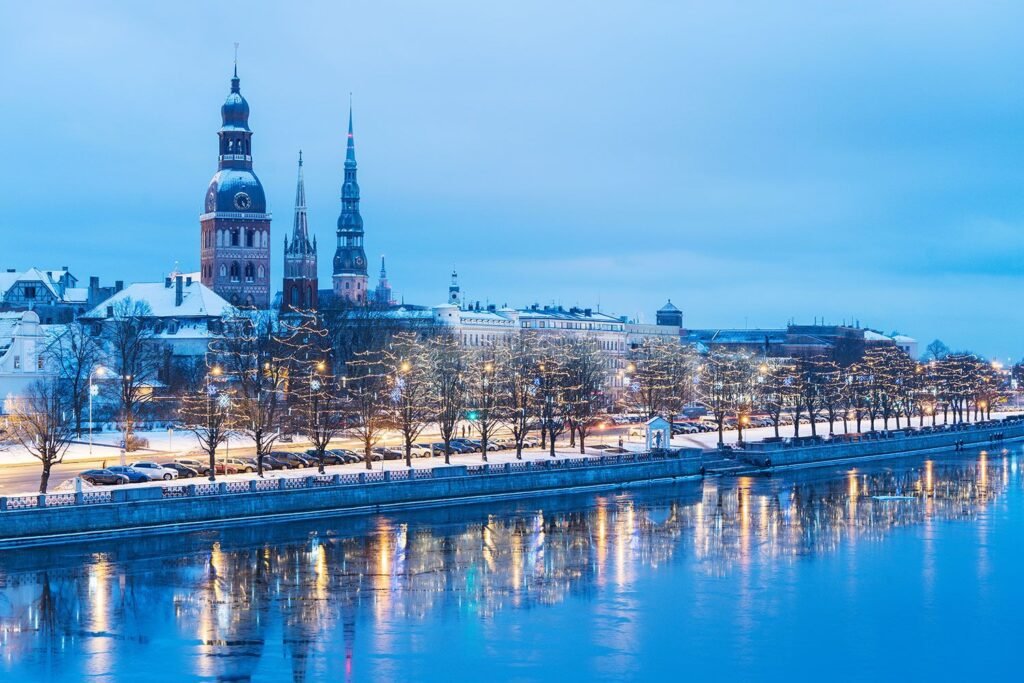
Riga, the capital and largest city of Latvia, is one of Northern Europe’s most beautiful and historically significant destinations. Situated on the banks of the Daugava River near the Baltic Sea, Riga has served as a major center of trade, culture, and politics for more than 800 years.
Founded in 1201 by German bishop Albert of Buxhoeveden, Riga rapidly developed into an important member of the Hanseatic League, a powerful medieval trading network that connected cities throughout Northern Europe. Over the centuries, the city came under German, Swedish, Polish, Russian, and Soviet influence, each leaving its mark on Riga’s architecture and cultural identity.
Today, Riga is celebrated for its UNESCO-listed Old Town, magnificent Art Nouveau architecture, medieval landmarks, museums, parks, and vibrant cultural scene. The city attracts millions of visitors annually who come to explore its rich history, beautiful streets, and unique Baltic charm.
The following attractions represent the best places to visit in Riga.
1. Riga Old Town – The Historic Heart of Latvia

History
Riga Old Town, known locally as Vecrīga, forms the historical center of the city and has been recognized as a UNESCO World Heritage Site.
The district developed during the Middle Ages as merchants, craftsmen, and traders established businesses within fortified city walls. Over time, churches, guild houses, public squares, and residential buildings transformed Riga into one of the most prosperous cities in Northern Europe.
Many of the streets still follow their medieval layout, preserving the atmosphere of centuries past.
Visitor Experience
Visitors can explore:
- Cobblestone streets
- Historic buildings
- Medieval squares
- Traditional cafes
- Architectural landmarks
- Cultural attractions
The Old Town remains the most visited area in Riga.
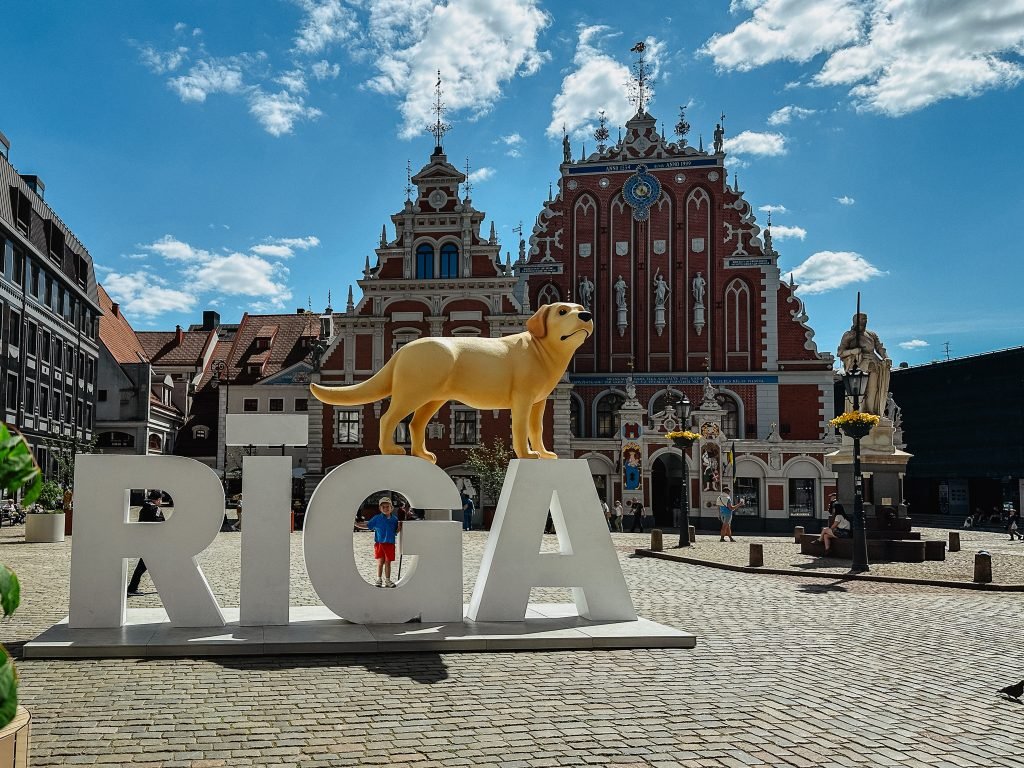
2. House of the Black Heads – The Symbol of Riga

History
Originally built during the 14th century, the House of the Black Heads served as a meeting place for unmarried merchants involved in international trade.
The building became one of Riga’s most important commercial and social institutions.
Destroyed during World War II, the structure was meticulously reconstructed after Latvia regained independence, restoring one of the city’s greatest architectural treasures.
Visitor Experience
Visitors can admire:
- Gothic architecture
- Historic interiors
- Decorative facades
- Cultural exhibitions
- Historical artifacts
The building is among Riga’s most recognizable landmarks.
3. Riga Cathedral – The Spiritual Center of the City

History
Founded in 1211, Riga Cathedral is the largest medieval church in the Baltic States.
The cathedral witnessed centuries of political, religious, and cultural change while serving as an important center of Christian worship.
Its architecture combines Romanesque, Gothic, Baroque, and Art Nouveau influences accumulated throughout its long history.
Visitor Experience
Visitors can explore:
- Historic church interiors
- Ancient cloisters
- Religious artwork
- Concert performances
- Architectural details
The cathedral remains one of Latvia’s most important religious landmarks.
4. St. Peter’s Church – The Best View in Riga

History
Originally constructed during the 13th century, St. Peter’s Church became one of the tallest structures in medieval Riga.
Its tower served as a navigation landmark for merchants arriving via the Daugava River.
Over the centuries, fires, wars, and reconstructions shaped the church’s appearance.
Visitor Experience
Visitors can enjoy:
- Panoramic city views
- Historic architecture
- Observation platform
- Photography opportunities
- Cultural exhibitions
The tower offers the best panoramic view of Riga.
5. Freedom Monument – The National Symbol of Latvia

History
Completed in 1935, the Freedom Monument commemorates Latvia’s struggle for independence.
The monument survived occupations and political changes, becoming a powerful symbol of national identity and resilience.
Today, it remains one of the country’s most important landmarks.
Visitor Experience
Visitors can see:
- Monumental sculptures
- Ceremonial guard changes
- Historical symbolism
- Cultural significance
- Photography opportunities
The monument represents Latvia’s national spirit.
6. Riga Art Nouveau District – The Architectural Masterpiece

History
During the late nineteenth and early twentieth centuries, Riga experienced rapid economic growth.
This prosperity led to the construction of hundreds of Art Nouveau buildings, making Riga home to one of the world’s largest collections of this architectural style.
The district became a showcase of artistic creativity and urban development.
Visitor Experience
Visitors can admire:
- Ornate facades
- Sculptural decorations
- Historic apartments
- Architectural museums
- Walking tours
The district is considered one of Europe’s finest Art Nouveau treasures.
7. Central Market – The Culinary Heart of Riga

History
Opened in 1930, Riga Central Market was built using converted German Zeppelin hangars.
The market quickly became one of Europe’s largest and most important food markets.
For generations, it has served as a center of commerce and community life.
Visitor Experience
Visitors can browse:
- Fresh produce
- Traditional Latvian foods
- Seafood
- Local products
- Handcrafted goods
The market offers an authentic taste of Latvia.
8. Bastejkalns Park – The Green Oasis of the City

History
Bastejkalns Park was created after the demolition of Riga’s old defensive fortifications.
The area was transformed into a public park that became one of the city’s most beloved recreational spaces.
Its canals, bridges, and gardens contribute to Riga’s charm.
Visitor Experience
Visitors can enjoy:
- Walking paths
- Canal cruises
- Gardens
- Historic monuments
- Relaxing scenery
The park provides a peaceful escape in the city center.
9. Latvian National Museum of Art – The Cultural Treasure House

History
Established in the early twentieth century, the museum preserves Latvia’s artistic heritage and cultural achievements.
Its collections document the evolution of Latvian art from the eighteenth century to the present day.
The building itself is considered an architectural masterpiece.
Visitor Experience
Visitors can explore:
- Fine art collections
- Historical exhibitions
- Contemporary works
- Cultural programs
- Architectural beauty
The museum offers deep insight into Latvian culture.
10. Three Brothers – The Oldest Houses in Riga

History
The Three Brothers are the oldest surviving residential buildings in Riga.
Constructed between the 15th and 17th centuries, they showcase the evolution of domestic architecture through different historical periods.
The buildings survived wars, fires, and urban development to become important symbols of Riga’s heritage.
Visitor Experience
Visitors can discover:
- Medieval architecture
- Historic interiors
- Cultural exhibitions
- Architectural history
- Photography opportunities
The Three Brothers provide a fascinating glimpse into everyday life in historical Riga.
Related artical : Best place to visit in Laos