
Now Reading: Best place to visit in Daugavpils
-
01
Best place to visit in Daugavpils
Best place to visit in Daugavpils

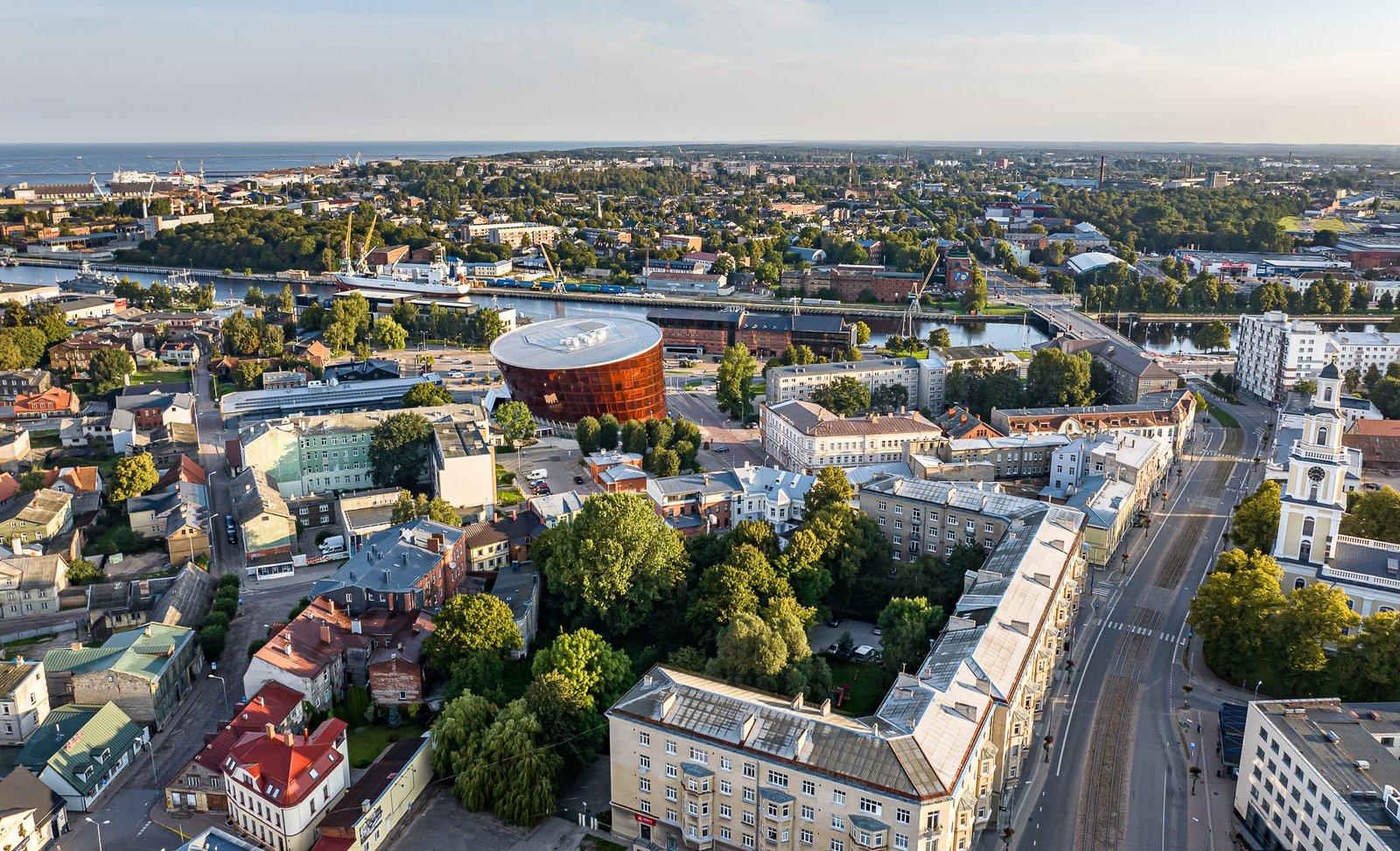
Daugavpils is the second-largest city in Latvia and one of the country’s most historically significant destinations. Located in the southeastern region of Latgale along the banks of the Daugava River, Daugavpils has served as a strategic military, cultural, and commercial center for centuries.
The city’s history reflects the complex story of Eastern Europe itself. Throughout the centuries, Daugavpils has been influenced by Polish, Russian, German, Lithuanian, and Latvian cultures, creating a unique multicultural identity that remains visible today. Its impressive fortifications, historic churches, museums, art centers, and scenic parks tell the story of a city that stood at the crossroads of empires and civilizations.
Today, Daugavpils attracts visitors with its remarkable architecture, rich cultural heritage, thriving arts scene, and beautiful natural landscapes. The city offers a fascinating blend of history, culture, and modern urban life, making it one of Latvia’s most rewarding travel destinations.
The following attractions represent the best places to visit in Daugavpils.
1. Daugavpils Fortress – The Largest Fortress in Northern Europe
History
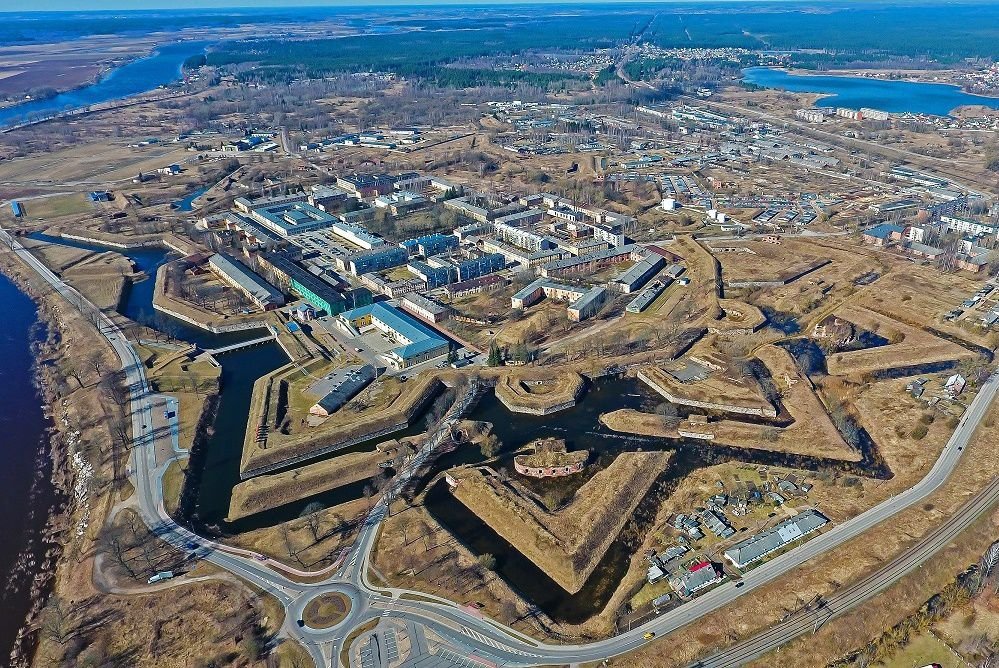
Daugavpils Fortress is the city’s most famous landmark and one of the best-preserved nineteenth-century military fortresses in Europe.
Construction began in 1810 under the Russian Empire during preparations for possible conflicts with Napoleon’s forces. The fortress was designed as a massive defensive complex featuring bastions, moats, gates, barracks, and administrative buildings.
Over the years, it served various military purposes under different governments and survived both World Wars. Today, it stands as one of Latvia’s most important historical monuments.
Visitor Experience
Visitors can explore:
- Historic fortress walls
- Military architecture
- Bastions and gates
- Museums
- Art centers
- Walking routes
The fortress offers an extraordinary journey into European military history.
2. Mark Rothko Art Centre – Celebrating a World-Renowned Artist

History
Daugavpils is the birthplace of the internationally celebrated abstract expressionist painter Mark Rothko.
To honor his legacy, the Mark Rothko Art Centre was established within the historic fortress complex. It remains the only institution in Eastern Europe dedicated entirely to the artist.
The center attracts art enthusiasts from around the world and has become one of Latvia’s most important cultural institutions.
Visitor Experience
Visitors can enjoy:
- Original Rothko artworks
- Contemporary exhibitions
- Interactive displays
- Art workshops
- Cultural events
The center combines history, creativity, and international artistic excellence.
3. Daugavpils City Centre – The Historic Urban Core

History
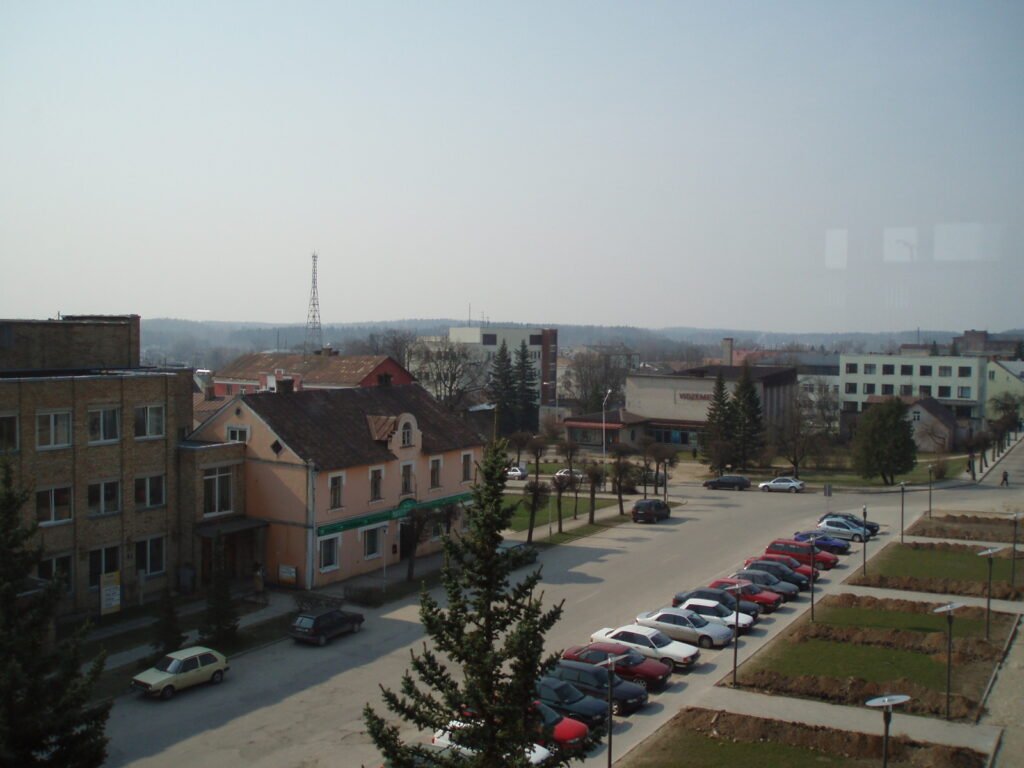
The city center developed during the nineteenth century as Daugavpils expanded into a major administrative and commercial center.
Its streets feature a blend of classical, Art Nouveau, and historic architectural styles that reflect different periods of development.
Many buildings survived wars and political changes, preserving the city’s historical character.
Visitor Experience
Visitors can explore:
- Historic architecture
- Public squares
- Shopping districts
- Cafes and restaurants
- Cultural landmarks
The city center offers a glimpse into daily life in modern Latvia.
4. Daugavpils Cathedral of Saints Boris and Gleb – The Largest Orthodox Church in Latvia

History
Completed in the early twentieth century, the cathedral became a major religious center for the Orthodox Christian community.
Its magnificent domes, elaborate decorations, and impressive scale make it one of Latvia’s most significant religious buildings.
The cathedral reflects the strong cultural influence of Eastern Christianity in the Latgale region.
Visitor Experience
Visitors can admire:
- Golden domes
- Religious artwork
- Historic architecture
- Sacred interiors
- Spiritual atmosphere
The cathedral is among the most beautiful churches in Latvia.
5. Church Hill – A Symbol of Religious Harmony

History
Church Hill is a unique district where several major religious denominations established places of worship within close proximity.
The area includes Orthodox, Catholic, Lutheran, and Old Believer churches, demonstrating the multicultural and multi-religious character of Daugavpils.
For centuries, different communities lived together and contributed to the city’s diverse identity.
Visitor Experience
Visitors can discover:
- Historic churches
- Religious architecture
- Cultural heritage
- Photography opportunities
- Historical landmarks
The district highlights the city’s rich cultural diversity.
6. Dubrovin Park – The Green Heart of the City

History
Named after Pavel Dubrovin, a respected city mayor, the park was established to provide recreational space for residents.
Over the decades, it became one of the most beloved public parks in Daugavpils.
Its landscaped gardens and monuments reflect the city’s commitment to preserving green spaces.
Visitor Experience
Visitors can enjoy:
- Walking paths
- Flower gardens
- Historic monuments
- Relaxing scenery
- Seasonal events
The park offers a peaceful escape from urban life.
7. Daugava River Promenade – Following Latvia’s Historic River

History
The Daugava River has been central to the development of Daugavpils for centuries.
Ancient traders, merchants, and travelers used the river as an important transportation route linking the Baltic region with inland Europe.
The river contributed significantly to the city’s economic growth and strategic importance.
Visitor Experience
Visitors can enjoy:
- River views
- Walking routes
- Photography opportunities
- Scenic landscapes
- Sunset views
The promenade remains one of the city’s most attractive recreational areas.
8. Latgale Zoo – A Family-Friendly Attraction

History
Founded to promote wildlife education and conservation, Latgale Zoo has become one of the most popular attractions for families visiting Daugavpils.
The zoo focuses on environmental awareness while caring for a diverse collection of animals.
Visitor Experience
Visitors can see:
- Exotic animals
- Reptiles
- Amphibians
- Educational exhibits
- Interactive displays
The zoo offers enjoyable experiences for visitors of all ages.
9. Daugavpils Local History and Art Museum – Preserving Regional Heritage

History
The museum preserves the history, culture, and traditions of Daugavpils and the wider Latgale region.
Its collections include archaeological artifacts, historical documents, artworks, and exhibits related to local life throughout different periods.
The institution plays an important role in preserving regional identity.
Visitor Experience
Visitors can learn about:
- Local history
- Cultural traditions
- Archaeological discoveries
- Fine art collections
- Historical events
The museum offers valuable insight into the region’s past.
10. Stropi Recreation Area – Nature and Leisure by the Water

History
Stropi developed as a recreational destination during the twentieth century as city residents sought outdoor leisure opportunities near natural landscapes.
The area grew into one of Daugavpils’ most popular locations for relaxation and recreation.
Today, it serves as a major recreational hub throughout the year.
Visitor Experience
Visitors can enjoy:
- Lake views
- Swimming areas
- Walking trails
- Cycling routes
- Water activities
- Family recreation
The area combines natural beauty with outdoor adventure.
Related artical : Best place to visit in Riga