
Now Reading: Best place to visit in Liepāja
-
01
Best place to visit in Liepāja
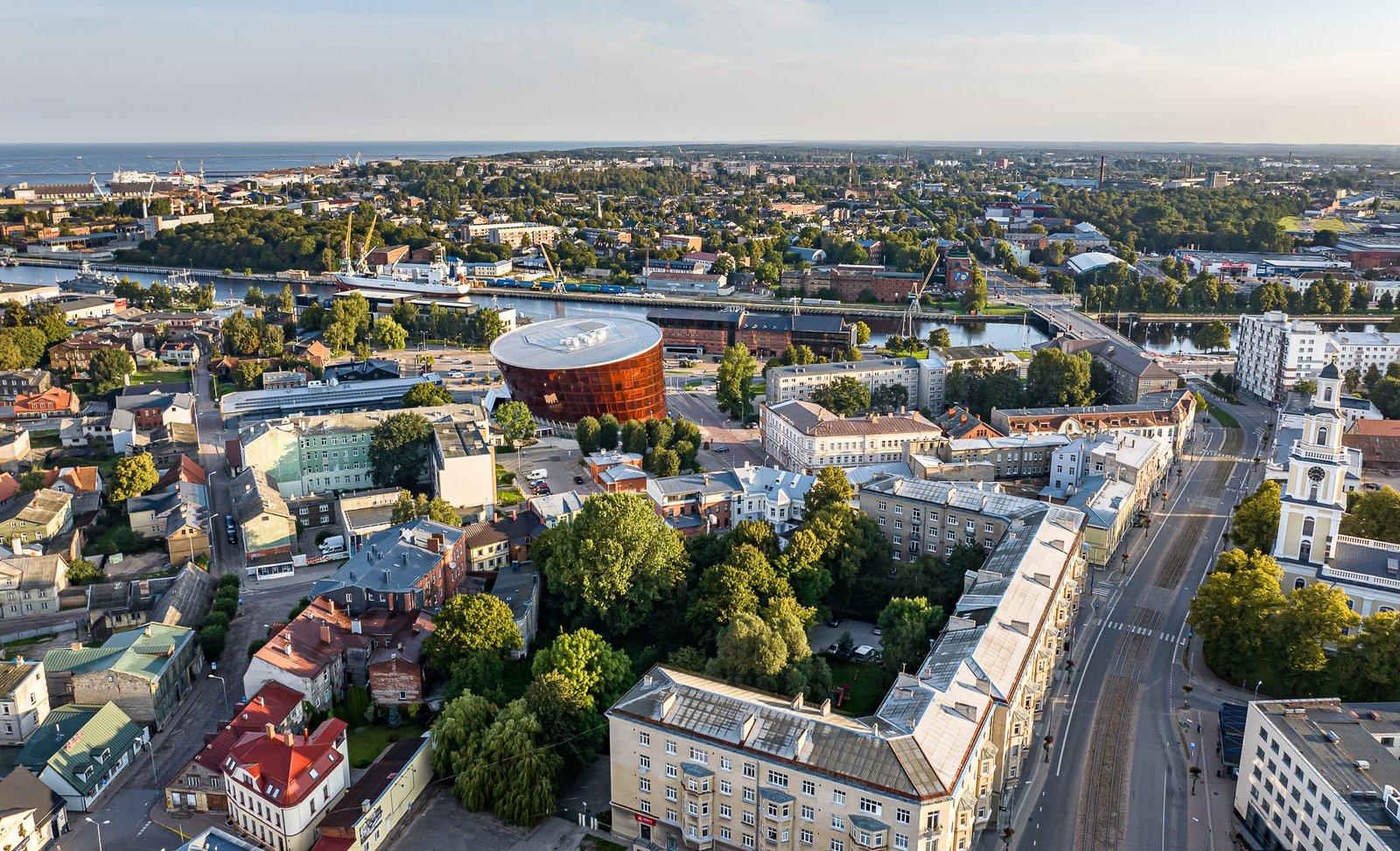
Best place to visit in Liepāja

Liepāja is one of Latvia’s most beautiful coastal cities and an important cultural, historical, and economic center on the Baltic Sea. Located on the country’s western coast, Liepāja is often called the “City Where the Wind is Born” because of its seaside location and strong coastal breezes.
Founded during the Middle Ages, Liepāja developed into a major trading port and later became one of the most important naval centers in the Baltic region. Throughout its history, the city has been influenced by German merchants, Russian imperial authorities, Soviet military forces, and modern Latvian culture, creating a fascinating blend of architectural styles and traditions.
Today, Liepāja is renowned for its sandy beaches, historic churches, military heritage, vibrant music scene, beautiful parks, and unique cultural attractions. The city offers visitors a perfect combination of history, nature, architecture, and seaside relaxation.
The following attractions represent the best places to visit in Liepāja.
1. Liepāja Beach – The Golden Coast of the Baltic Sea

History
Liepāja Beach has been one of the city’s most treasured natural attractions for centuries.
The Baltic coastline helped transform Liepāja into an important port and trading center during medieval times. As the city developed, the beach became a popular destination for recreation and tourism.
Today, the beach is considered one of the finest stretches of sand in Northern Europe.
Visitor Experience
Visitors can enjoy:
- Golden sandy beaches
- Baltic Sea views
- Swimming areas
- Sunset photography
- Coastal walks
- Relaxing atmosphere
The beach remains one of Latvia’s premier seaside destinations.
2. Karosta – The Secret Military City

History
Karosta was established during the late nineteenth century as a strategic naval base for the Russian Empire.
The district later served Soviet military operations and remained closed to civilians for many decades. During this period, Karosta developed into a self-contained military city with housing, churches, schools, and defensive structures.
Today, Karosta stands as one of Europe’s most unusual historical districts.
Visitor Experience
Visitors can explore:
- Military fortifications
- Historic naval buildings
- Soviet-era landmarks
- Guided tours
- Historical exhibitions
Karosta provides a fascinating journey through military history.
3. Karosta Prison – The Most Unique Attraction in Latvia

History
Karosta Prison was originally built as a military detention facility and later became one of the most notorious prisons in the region.
The prison housed soldiers and military personnel accused of various offenses throughout different political eras.
Today, it operates as a museum that preserves the stories and experiences of former inmates.
Visitor Experience
Visitors can experience:
- Historic prison cells
- Interactive exhibitions
- Guided historical tours
- Military history displays
- Unique cultural events
The prison is one of Latvia’s most unusual historical attractions.
4. St. Nicholas Naval Cathedral – The Jewel of Karosta

History
Constructed in the early twentieth century, the cathedral served the spiritual needs of Russian naval personnel stationed in Karosta.
Its magnificent architecture and elaborate interior decoration made it one of the most impressive Orthodox churches in the Baltic region.
Despite political changes and periods of neglect, the cathedral survived and remains a symbol of Karosta’s heritage.
Visitor Experience
Visitors can admire:
- Golden domes
- Religious artwork
- Historic architecture
- Sacred interiors
- Photography opportunities
The cathedral is one of the city’s most impressive landmarks.
5. Rose Square – The Cultural Heart of the City

History
Rose Square occupies the location of the city’s former marketplace.
As Liepāja expanded, the square evolved into a central public space that hosted cultural events, celebrations, and social gatherings.
Its beautiful rose gardens gave the square its modern identity.
Visitor Experience
Visitors can enjoy:
- Landscaped gardens
- Historic surroundings
- Public events
- Relaxing walks
- Photography opportunities
The square serves as one of the city’s main gathering places.
6. Liepāja Holy Trinity Cathedral – Home of a World-Famous Organ

History
Completed during the eighteenth century, the cathedral became one of the most important religious buildings in western Latvia.
The church gained international recognition for housing one of the world’s largest mechanical organs.
Its history reflects the city’s strong religious and cultural traditions.
Visitor Experience
Visitors can discover:
- Historic church interiors
- Famous pipe organ
- Observation tower
- Religious artwork
- Architectural details
The cathedral is among Liepāja’s most treasured landmarks.
7. Seaside Park – The Green Lung of the City
History
Established during the nineteenth century, Seaside Park was designed to enhance the beauty of the coastal city and provide recreational space for residents.
Over time, it became one of Latvia’s largest and most beloved urban parks.
Visitor Experience
Visitors can enjoy:
- Walking trails
- Historic monuments
- Flower gardens
- Coastal scenery
- Cycling routes
The park offers a perfect combination of nature and recreation.
8. Liepāja Concert Hall Great Amber – The Modern Symbol of the City

History
Opened in 2015, Great Amber quickly became one of Latvia’s most important cultural venues.
Its striking amber-colored design reflects the region’s connection to Baltic amber and modern architectural innovation.
The building symbolizes Liepāja’s contemporary cultural identity.
Visitor Experience
Visitors can experience:
- Concert performances
- Architectural tours
- Cultural exhibitions
- Music events
- Modern design
The venue serves as the center of Liepāja’s artistic life.
9. Northern Forts – The Ruins by the Sea

History
The Northern Forts were constructed during the late nineteenth century as part of the Russian Empire’s coastal defense system.
However, military strategy evolved rapidly, and parts of the fortifications were intentionally destroyed.
Today, the ruins create one of Latvia’s most dramatic coastal landscapes.
Visitor Experience
Visitors can explore:
- Historic fortifications
- Coastal cliffs
- Military ruins
- Photography locations
- Baltic Sea views
The forts combine history and natural beauty.
10. Museum of Liepāja – Discovering the City’s Heritage

History
The museum preserves the history, culture, and traditions of Liepāja and the surrounding Kurzeme region.
Its collections include archaeological discoveries, historical documents, artworks, and exhibitions covering various periods of the city’s development.
The museum plays an important role in preserving local identity.
Visitor Experience
Visitors can learn about:
- Regional history
- Cultural traditions
- Maritime heritage
- Archaeological finds
- Historical artifacts
The museum provides valuable insight into the story of Liepāja.
Related artical : Best place to visit in Daugavpils