
Now Reading: Best place to visit in Jēkabpils
-
01
Best place to visit in Jēkabpils
Best place to visit in Jēkabpils

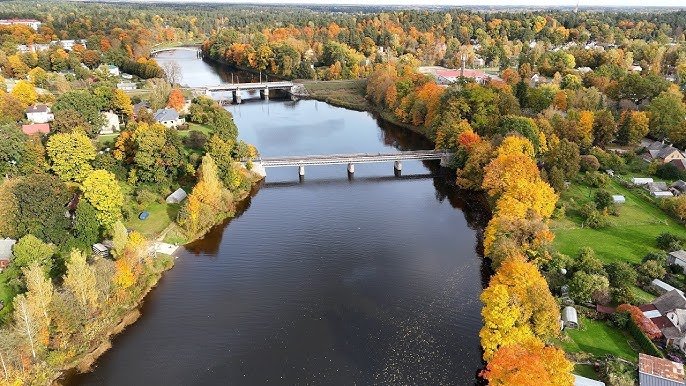
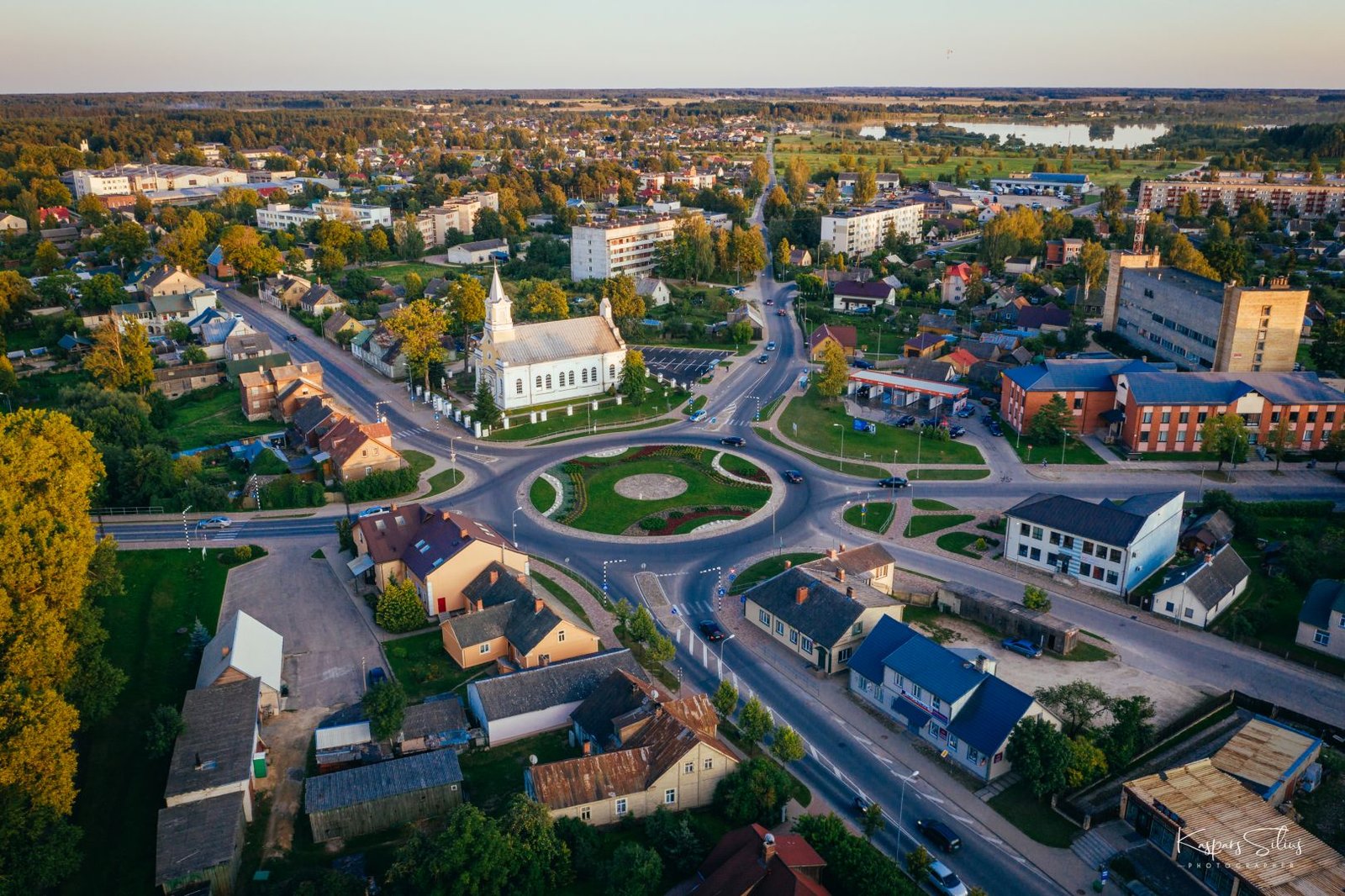
Jēkabpils is one of Latvia’s oldest cities and an important cultural and historical center located along the banks of the mighty Daugava River. Situated in southeastern Latvia, Jēkabpils has served as a crossroads of trade, religion, and transportation for centuries.
The city’s origins can be traced back to the seventeenth century when settlements developed on both sides of the Daugava River. Over time, these communities grew into an important commercial hub connecting various regions of Latvia and neighboring countries. The city’s strategic location contributed to its economic growth and cultural diversity.
Throughout its history, Jēkabpils experienced the influence of Polish, Swedish, Russian, German, and Latvian cultures. These influences remain visible in its architecture, religious monuments, museums, and local traditions. Today, Jēkabpils offers visitors a fascinating combination of historical landmarks, cultural attractions, scenic river landscapes, and natural beauty.
The following attractions represent the best places to visit in Jēkabpils.
1. Krustpils Castle – The Historic Fortress of the Daugava

History
Krustpils Castle is the most famous historical landmark in Jēkabpils and one of the oldest castles in Latvia.
Originally built during the thirteenth century by the Archbishop of Riga, the castle later became the residence of noble families who controlled the surrounding lands. Over the centuries, the fortress witnessed wars, political changes, and social transformations that shaped the region’s history.
Despite numerous renovations and reconstructions, the castle preserves many historical features that reflect its medieval origins.
Visitor Experience
Visitors can explore:
- Historic castle halls
- Museum exhibitions
- Medieval architecture
- Archaeological collections
- Historic courtyards
- Educational displays
The castle provides a remarkable journey through Latvia’s past.
2. Jēkabpils History Museum – Preserving Regional Heritage

History
Located within Krustpils Castle, the museum preserves the cultural, historical, and social heritage of Jēkabpils and the surrounding Selonia region.
Its collections include artifacts from prehistoric settlements, medieval history, local traditions, and modern developments.
The museum plays a vital role in protecting the identity and memory of the region.
Visitor Experience
Visitors can discover:
- Historical artifacts
- Cultural exhibitions
- Local traditions
- Archaeological discoveries
- Educational programs
The museum offers valuable insight into regional history.
3. Daugava River Promenade – The Lifeline of the City

History
The Daugava River has been central to the development of Jēkabpils for centuries.
Ancient merchants, travelers, and settlers relied on the river for transportation, trade, fishing, and communication. The river connected communities across Latvia and contributed significantly to the city’s economic prosperity.
Today, it remains one of Jēkabpils’ most cherished natural features.
Visitor Experience
Visitors can enjoy:
- Riverside walks
- Scenic viewpoints
- Photography opportunities
- Sunset views
- Cycling routes
- Relaxing atmosphere
The promenade offers beautiful views throughout the year.
4. Old Town of Jēkabpils – Discovering the City’s Origins

History
The historic center preserves traces of the city’s development from a trading settlement into an important regional center.
Many buildings reflect architectural influences from different periods, showcasing the diverse cultural history of Jēkabpils.
The district remains an important symbol of local identity.
Visitor Experience
Visitors can explore:
- Historic streets
- Traditional architecture
- Cultural landmarks
- Local cafes
- Heritage buildings
The Old Town offers a charming glimpse into the past.
5. Holy Spirit Orthodox Monastery – A Spiritual Treasure

History
The monastery has served as an important religious center for Orthodox Christians for generations.
Its history reflects the spiritual traditions and multicultural character of the region. Throughout various political periods, the monastery remained a place of worship, education, and community support.
Today, it continues to attract pilgrims and visitors alike.
Visitor Experience
Visitors can admire:
- Religious architecture
- Sacred artwork
- Historic buildings
- Peaceful surroundings
- Spiritual atmosphere
The monastery remains one of the city’s most important religious sites.
6. Struve Geodetic Arc Point – A UNESCO Scientific Landmark

History
The Struve Geodetic Arc was a groundbreaking scientific project carried out during the nineteenth century to measure the size and shape of the Earth.
Several points along the arc were established across Europe, and one of them is located near Jēkabpils.
The project became a UNESCO World Heritage Site because of its significance in the history of science.
Visitor Experience
Visitors can learn about:
- Scientific history
- Geographical discoveries
- UNESCO heritage
- Surveying techniques
- Educational exhibits
The site represents an important achievement in human knowledge.
7. Seli Manor Park – A Historic Landscape

History
Manor estates played an important role in Latvian society for centuries.
The surrounding parks were carefully designed to reflect European landscaping traditions while enhancing the natural beauty of the region.
Many of these estates became cultural and agricultural centers.
Visitor Experience
Visitors can enjoy:
- Historic landscapes
- Walking paths
- Garden scenery
- Architectural heritage
- Nature photography
The park offers a peaceful escape into history.
8. Radzu Reservoir – Nature and Recreation

History
The reservoir became an important recreational area as the city expanded and invested in public leisure facilities.
Its waters support outdoor activities while contributing to the region’s environmental diversity.
Today, it is a favorite destination for both residents and visitors.
Visitor Experience
Visitors can enjoy:
- Swimming
- Fishing
- Boating
- Walking trails
- Nature observation
- Family recreation
The reservoir is ideal for outdoor relaxation.
9. Jēkabpils Open-Air Stage – Celebrating Culture and Community

History
The open-air stage was established to host concerts, festivals, and cultural celebrations.
Over the years, it became an important gathering place where residents celebrate local traditions and artistic achievements.
The venue remains a vibrant part of community life.
Visitor Experience
Visitors can attend:
- Music festivals
- Cultural performances
- Public celebrations
- Seasonal events
- Community gatherings
The stage showcases the city’s cultural vitality.
10. Daugava River Islands – Hidden Natural Gems
History
The islands formed naturally through centuries of river activity and have long supported wildlife habitats and local ecosystems.
Historically, some islands were used for agriculture, fishing, and seasonal activities by nearby communities.
Today, they contribute to the scenic beauty of the Daugava River.
Visitor Experience
Visitors can enjoy:
- Nature walks
- Birdwatching
- River scenery
- Photography opportunities
- Peaceful landscapes
The islands provide a unique perspective on the natural environment of Jēkabpils.
Related artical : Best place to visit in Valmiera