
Now Reading: Best place to visit in Ogre
-
01
Best place to visit in Ogre
Best place to visit in Ogre

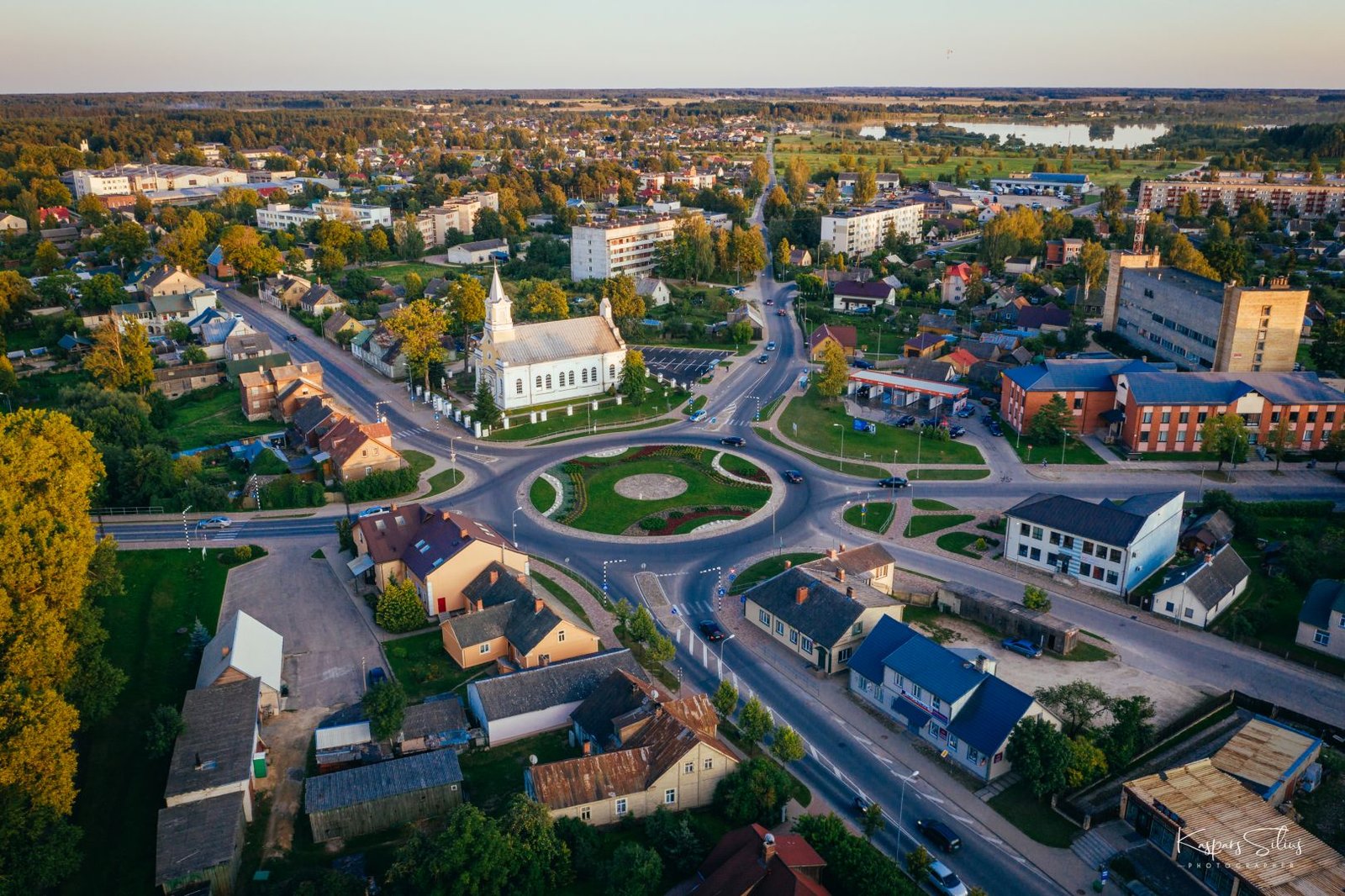
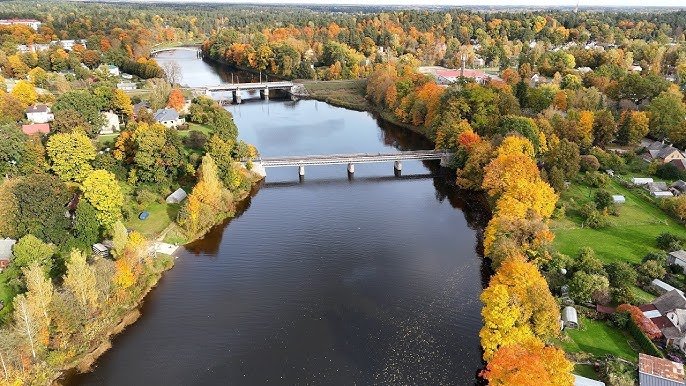
Ogre is one of Latvia’s most attractive and rapidly developing cities, located approximately 35 kilometers southeast of Riga. Nestled at the confluence of the Daugava and Ogre Rivers, the city is renowned for its beautiful natural landscapes, cultural attractions, recreational opportunities, and rich historical heritage.
The origins of Ogre date back several centuries when small settlements developed along the riverbanks. The arrival of the railway in the nineteenth century transformed the area into a popular summer resort for residents of Riga and other parts of Latvia. Its clean air, pine forests, scenic rivers, and peaceful environment attracted visitors seeking relaxation and recreation.
Throughout the twentieth century, Ogre evolved into an important regional center while preserving its close connection with nature. Today, it is known for its modern urban development, beautiful parks, museums, cultural venues, and outdoor activities. The city offers a unique combination of history, culture, and natural beauty that appeals to visitors throughout the year.
The following attractions represent the best places to visit in Ogre.
1. Ogre Central Promenade – The Modern Heart of the City

History
The central promenade was developed as part of Ogre’s urban revitalization efforts aimed at improving public spaces and enhancing the quality of life for residents and visitors.
Over the years, the area evolved into a vibrant gathering place featuring modern landscaping, public art, recreational facilities, and community spaces.
Today, it serves as one of the city’s most recognizable landmarks.
Visitor Experience
Visitors can enjoy:
- Scenic walking paths
- Modern architecture
- Public art installations
- Relaxing atmosphere
- Family-friendly spaces
- Evening illumination
The promenade reflects the city’s contemporary character and charm.
2. Ogre History and Art Museum – Discovering the City’s Heritage

History
The museum preserves the history and cultural development of Ogre and its surrounding region.
Its collections include archaeological artifacts, historical photographs, artworks, documents, and exhibits that illustrate the transformation of Ogre from a small settlement into a modern city.
The institution plays an important role in preserving local identity and heritage.
Visitor Experience
Visitors can discover:
- Historical exhibitions
- Local artwork
- Cultural heritage displays
- Educational programs
- Archaeological collections
The museum offers valuable insight into the story of Ogre.
3. Ogre Blue Hills Nature Park – The Green Jewel of the Region

History
The Blue Hills area has long been valued for its scenic beauty and ecological importance.
The forests, hills, and natural landscapes provided opportunities for recreation and conservation, leading to the establishment of a protected nature park.
Today, the park is one of the most popular outdoor destinations near Ogre.
Visitor Experience
Visitors can enjoy:
- Hiking trails
- Cycling routes
- Observation towers
- Wildlife observation
- Forest landscapes
- Nature photography
The park offers year-round outdoor adventures.
4. Ogre River Promenade – Following the City’s Lifeline

History
The Ogre River has influenced settlement patterns and economic activities in the region for centuries.
Communities developed along its banks due to access to water, transportation, and fertile land. The river continues to play a central role in the city’s identity.
Modern development has transformed the riverfront into an attractive recreational area.
Visitor Experience
Visitors can enjoy:
- Riverside walks
- Scenic viewpoints
- Photography opportunities
- Peaceful landscapes
- Cycling paths
The promenade showcases the natural beauty of the city.
5. St. Meinard’s Roman Catholic Church – A Spiritual Landmark

History
Named after Saint Meinard, one of the first Christian missionaries in Latvia, the church serves as an important center of worship and community life.
Its construction reflected the growth of the local Catholic community and the city’s expanding cultural diversity.
The church remains an important religious and architectural landmark.
Visitor Experience
Visitors can admire:
- Elegant architecture
- Religious artwork
- Peaceful interiors
- Cultural heritage
- Spiritual atmosphere
The church provides a tranquil retreat within the city.
6. Daugava River Waterfront – Latvia’s Historic Waterway

History
The Daugava River has been one of Latvia’s most important waterways for thousands of years.
Trade, transportation, and cultural exchange flourished along its banks, contributing significantly to the development of nearby communities, including Ogre.
Today, the river remains a defining feature of the local landscape.
Visitor Experience
Visitors can enjoy:
- River views
- Nature observation
- Scenic walks
- Photography opportunities
- Sunset landscapes
The waterfront offers some of the city’s most beautiful scenery.
7. Ogre Cultural Centre – The Artistic Heart of the City

History
The cultural center was established to support artistic activities, community engagement, and cultural development.
It quickly became a major venue for concerts, exhibitions, performances, and educational programs.
Today, it plays a central role in the cultural life of Ogre.
Visitor Experience
Visitors can attend:
- Concerts
- Art exhibitions
- Theater performances
- Cultural festivals
- Community events
The center showcases the city’s vibrant creative scene.
8. Brīvības Street – The Historic Main Avenue
History
Brīvības Street developed alongside the city’s growth during the railway era.
It became the main commercial and social corridor, lined with shops, businesses, and public buildings.
The avenue reflects different architectural styles and periods of urban development.
Visitor Experience
Visitors can explore:
- Historic buildings
- Local businesses
- Cafes and restaurants
- Public spaces
- Urban photography
The street offers insight into everyday life in Ogre.
9. Ogre Reservoir Recreation Area – Relaxation by the Water

History
The reservoir became an important recreational destination as demand for outdoor leisure facilities increased.
The area supports environmental conservation while providing opportunities for sports and relaxation.
It remains a favorite destination among locals.
Visitor Experience
Visitors can enjoy:
- Swimming
- Fishing
- Boating
- Walking trails
- Family recreation
- Nature observation
The reservoir combines outdoor adventure with natural beauty.
10. Blue Hills Observation Tower – The Best Panorama in the Region

History
The observation tower was built to allow visitors to appreciate the beauty of the surrounding forests, rivers, and countryside.
Its location within the Blue Hills Nature Park provides one of the best vantage points in the region.
The tower has become a popular attraction for nature enthusiasts and photographers.
Visitor Experience
Visitors can enjoy:
- Panoramic landscapes
- Forest views
- Photography opportunities
- Nature observation
- Scenic sunsets
The tower provides unforgettable views of the Ogre region.
Related artical : Best place to visit in Jēkabpils