Now Reading: Best place to visit in Tukums
-
01
Best place to visit in Tukums
Best place to visit in Tukums

Tukums is one of Latvia’s oldest and most picturesque towns, located in the historic Kurzeme region approximately 65 kilometers west of Riga. Surrounded by rolling hills, forests, lakes, and beautiful countryside, Tukums has long served as an important cultural, commercial, and agricultural center. The town’s rich history dates back to medieval times when it developed as a settlement along important trade routes connecting inland Latvia with the Baltic coast.
Throughout the centuries, Tukums was influenced by German merchants, Livonian rulers, Swedish administrators, Russian governors, and independent Latvia. These historical periods left behind impressive churches, manor houses, museums, parks, and architectural landmarks that continue to define the character of the town today.
Modern Tukums is known for its charming old town, rose gardens, historical attractions, cultural institutions, and proximity to some of Latvia’s most beautiful natural landscapes. Visitors can experience a perfect combination of history, architecture, culture, and nature while exploring this welcoming Latvian destination.
The following attractions represent the best places to visit in Tukums.
1. Tukums Old Town

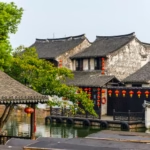
The historic center of Tukums forms the heart of the city and preserves centuries of architectural and cultural heritage. The origins of the Old Town date back to the medieval period when traders, craftsmen, and merchants established businesses along important regional routes. Over time, the settlement expanded into a thriving market town that became an important center of commerce in western Latvia.
Walking through the Old Town today allows visitors to experience narrow streets, historic squares, traditional buildings, and charming public spaces that reflect different periods of the town’s development. Many structures showcase architectural styles ranging from medieval influences to nineteenth-century urban design. The atmosphere remains peaceful and authentic, making the district one of the most attractive areas in Tukums. Visitors can spend hours exploring local cafes, shops, cultural landmarks, and beautifully preserved streets while learning about the city’s rich past.
2. Holy Trinity Lutheran Church

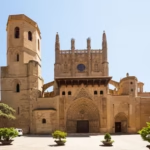
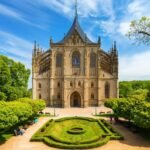
Holy Trinity Lutheran Church stands among the most important historical and religious landmarks in Tukums. Originally established centuries ago, the church has served as a spiritual center for local communities through periods of prosperity, conflict, and social change. Its architecture reflects the religious traditions and craftsmanship of generations who contributed to its construction and preservation.
The church played a significant role in community life, hosting religious ceremonies, cultural gatherings, and educational activities throughout its history. Today, visitors are attracted by its elegant design, historical significance, and peaceful atmosphere. Inside, beautiful details, religious artwork, and historic furnishings provide insight into Latvia’s Lutheran heritage. The church remains a powerful symbol of faith and continuity within the city.
3. Tukums Museum

The Tukums Museum serves as one of the region’s most important cultural institutions, preserving the history, traditions, and artistic heritage of the area. Established to protect local heritage, the museum contains extensive collections covering archaeology, ethnography, art, and regional history.
Visitors can explore exhibitions that document the evolution of Tukums from a medieval settlement to a modern Latvian town. Historical photographs, traditional clothing, household artifacts, documents, and artworks provide a comprehensive overview of local life across different centuries. The museum also hosts educational programs and temporary exhibitions that continue to enrich cultural understanding. For travelers interested in history and heritage, the museum offers a fascinating introduction to the story of Tukums.
4. Durbe Manor

Durbe Manor is one of the most beautiful historical estates in the Tukums region. Surrounded by scenic parkland and overlooking the surrounding landscape, the manor reflects the elegance and sophistication of Latvia’s aristocratic past.
The estate was developed by noble families who played important roles in regional political, economic, and cultural life. Over time, the manor became a center of social gatherings, agricultural management, and artistic activity. Today, the restored building houses museum exhibitions and cultural events that allow visitors to explore its fascinating history. The elegant architecture, landscaped gardens, and peaceful setting make Durbe Manor one of the most rewarding attractions in Tukums.
5. Rose Square

Rose Square is one of the most recognizable landmarks in Tukums and reflects the city’s reputation as the “City of Roses.” For many years, local authorities and residents have cultivated beautiful rose gardens that enhance the appearance of public spaces throughout the town.
The square serves as a central gathering place where cultural events, seasonal celebrations, and community activities are held. During the blooming season, thousands of roses create a colorful and fragrant display that attracts visitors from across Latvia. The combination of flowers, landscaping, public art, and surrounding historic buildings creates a picturesque environment that perfectly captures the charm of Tukums.
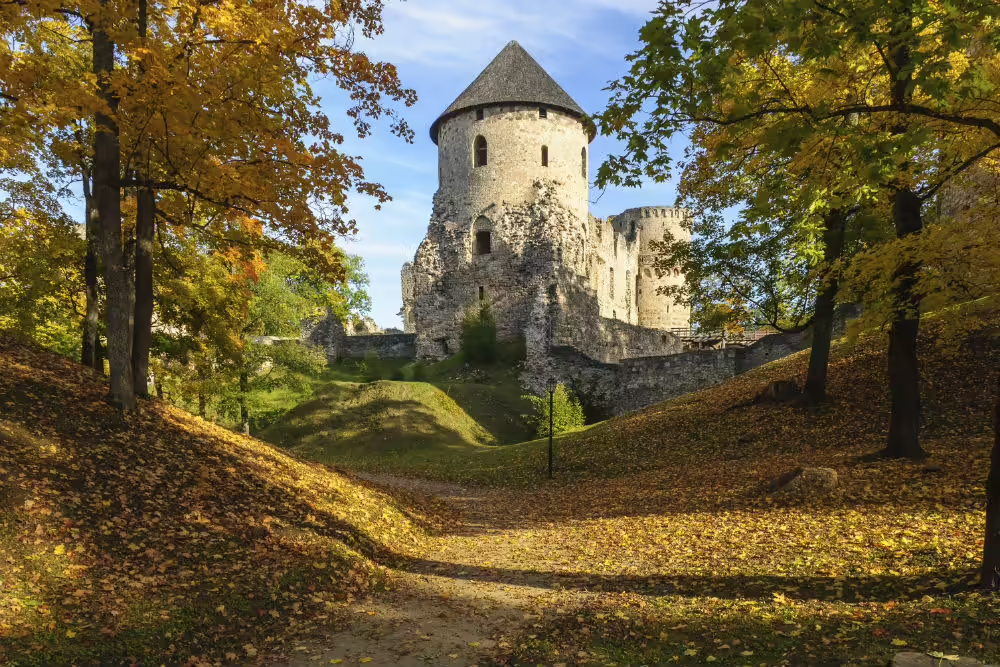
6. The Castle Tower

The Castle Tower represents one of the few surviving reminders of medieval fortifications that once protected the town. Built during a period when defensive structures were essential for security, the tower played an important role in safeguarding residents and trade routes.
Throughout the centuries, the tower witnessed numerous historical events, including conflicts, political transitions, and urban expansion. Today, it serves as a valuable historical monument that allows visitors to connect with the medieval origins of Tukums. The structure offers insight into architectural techniques and defensive strategies used during earlier periods of Latvian history.
7. Melnezers Lake

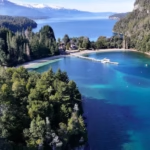
Melnezers Lake is one of the most popular natural attractions near Tukums. Surrounded by forests and peaceful landscapes, the lake has long served as a recreational destination for local residents and visitors.
The clear waters and natural beauty of the area create an ideal environment for relaxation and outdoor activities. Throughout history, nearby communities relied on local water resources for daily life, while modern visitors appreciate the lake for swimming, walking, photography, and nature observation. The tranquil atmosphere makes Melnezers an excellent destination for anyone seeking a break from urban life.
8. Cinevilla Studio

Cinevilla is one of Latvia’s most unique tourist attractions and a fascinating destination for film enthusiasts. Created as a large-scale outdoor movie studio, the complex was designed to recreate historical urban environments used in film productions.
The site gained national recognition through its role in major historical movies and television projects. Visitors can explore realistic streets, buildings, military equipment, and film sets that provide insight into the filmmaking process. Cinevilla combines entertainment, education, and history, making it one of the most distinctive attractions in the Tukums region.
9. Abava Valley

The Abava Valley is one of Latvia’s most beautiful natural landscapes and lies within easy reach of Tukums. Often referred to as the “Switzerland of Latvia,” the valley features rolling hills, forests, rivers, meadows, and picturesque villages.
For centuries, the valley supported agriculture, transportation, and rural communities. Its natural beauty inspired artists, writers, and travelers who celebrated the unique scenery of the region. Today, visitors can explore hiking trails, viewpoints, cultural landmarks, and protected nature areas that showcase the best of Latvia’s countryside.
10. Jaunmoku Palace

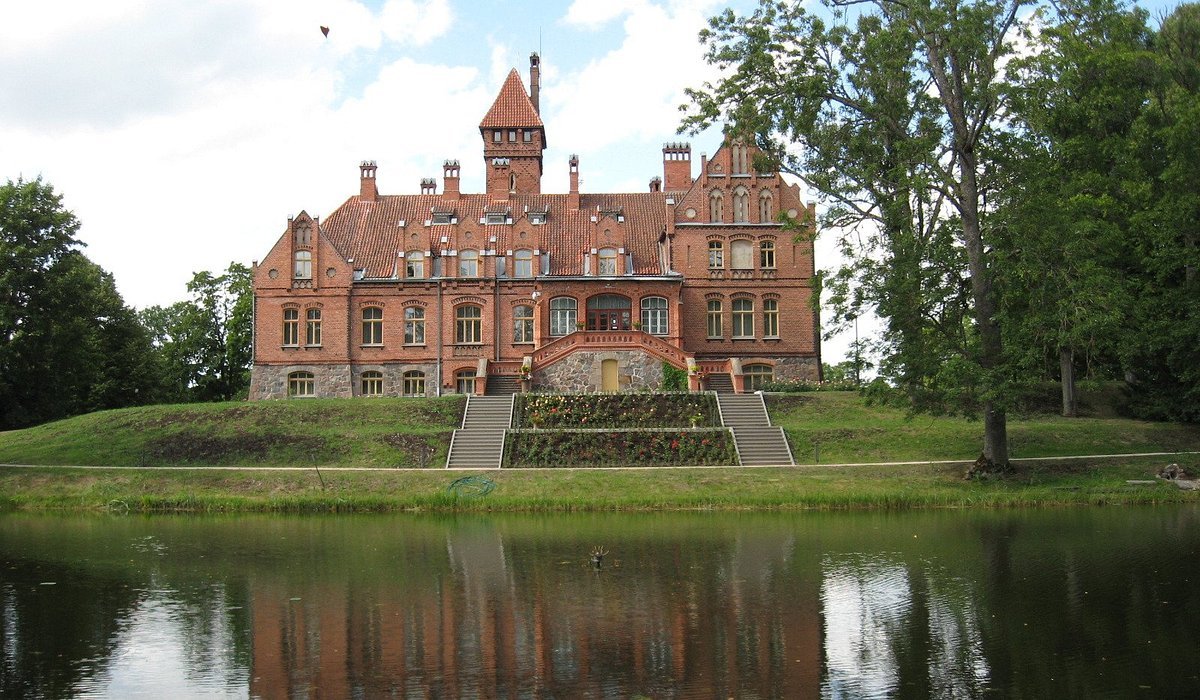
Jaunmoku Palace is one of Latvia’s most impressive architectural treasures. Built at the beginning of the twentieth century, the palace combines Neo-Gothic and Art Nouveau influences to create a truly remarkable landmark.
Originally constructed as a hunting residence for a prominent official, the palace quickly became known for its elegant design and beautiful surroundings. Today, the complex functions as a museum, hotel, and cultural center where visitors can learn about local history, forestry traditions, and architectural heritage. Surrounded by forests, lakes, and landscaped grounds, Jaunmoku Palace provides an unforgettable experience that perfectly complements a visit to Tukums.
Related artical : Best place to visit in Ogre