
Now Reading: Best place to visit in Valmiera
-
01
Best place to visit in Valmiera
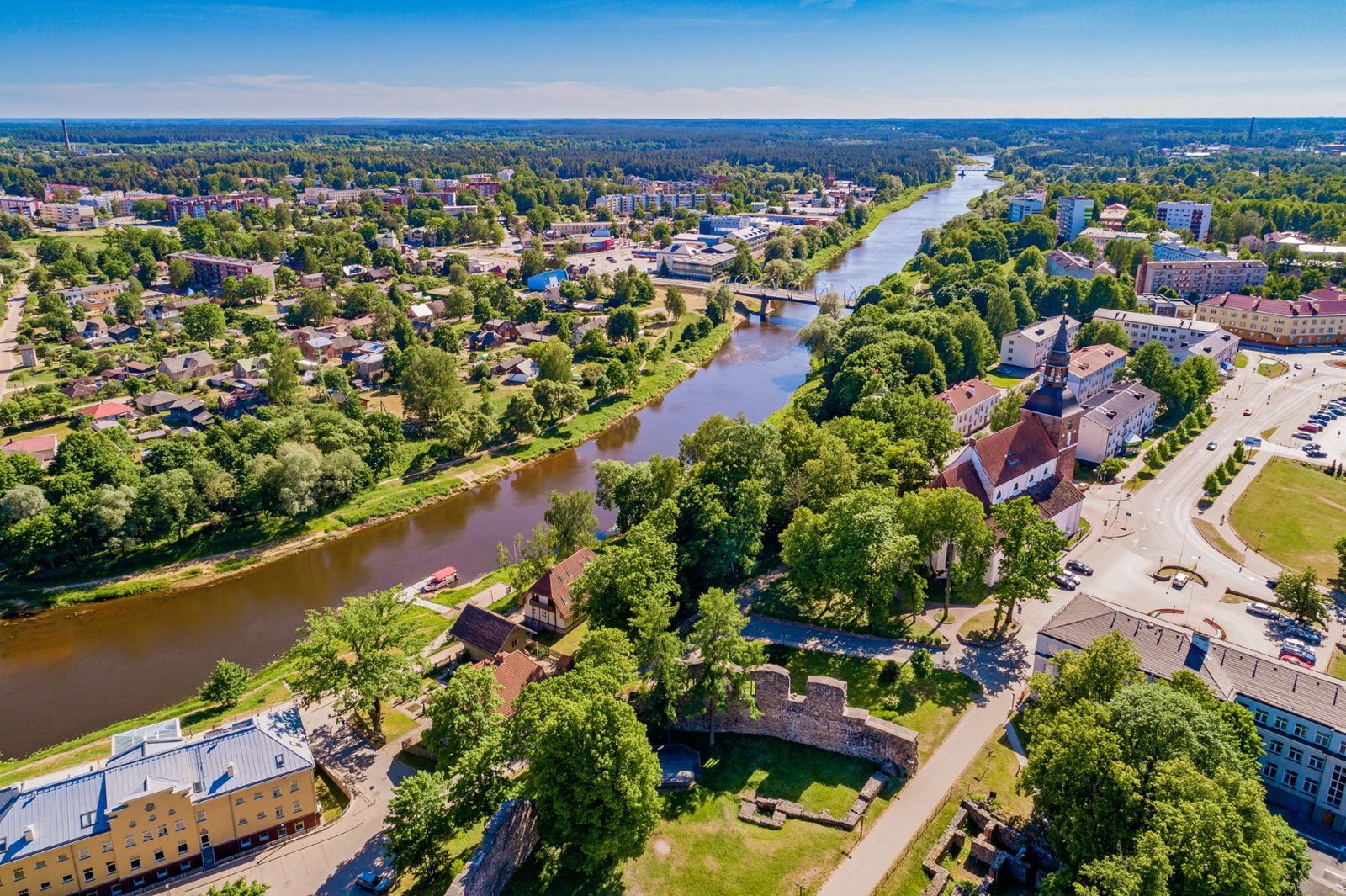
Best place to visit in Valmiera

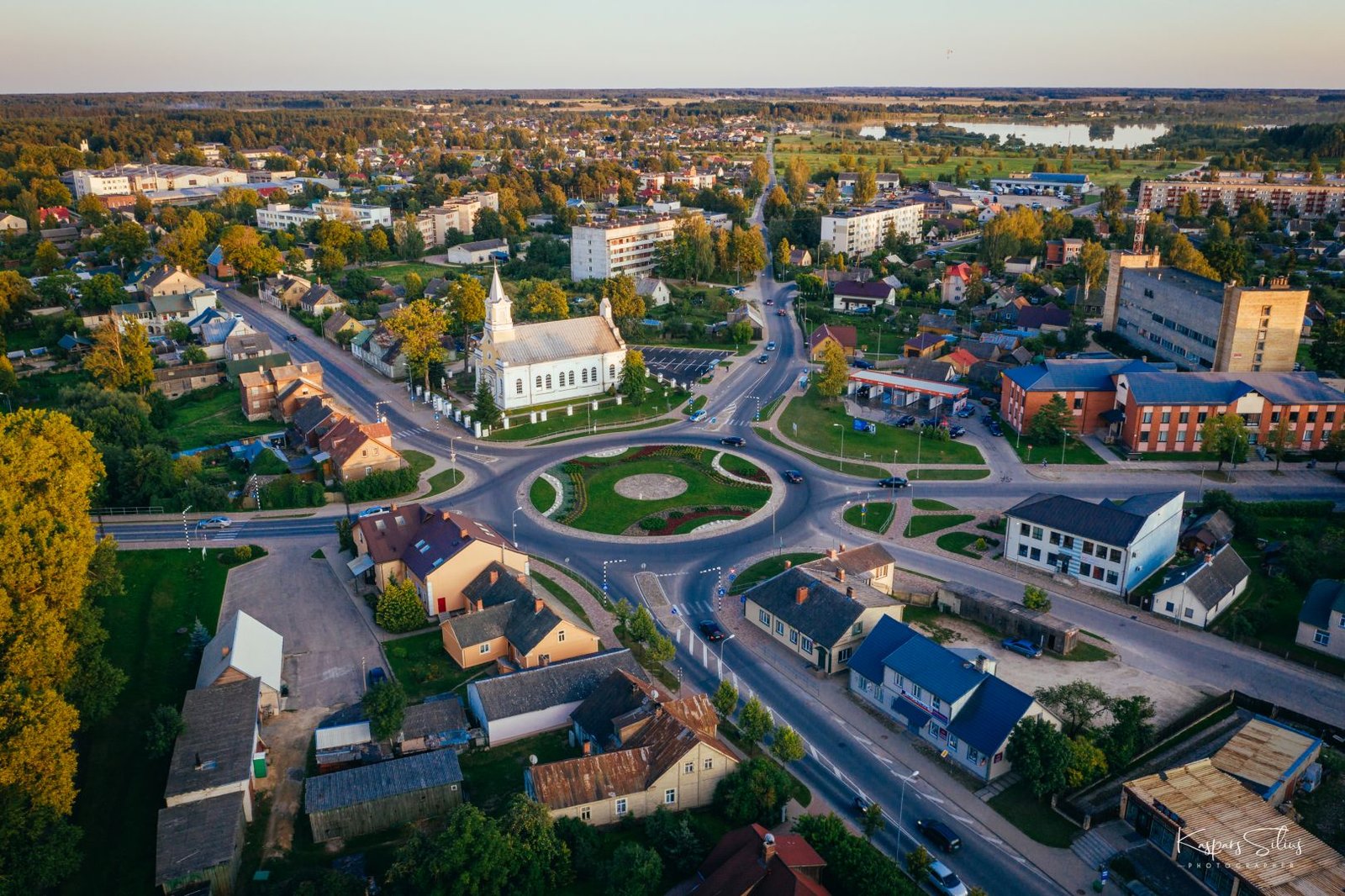
Valmiera is one of the oldest and most historically significant cities in Latvia. Situated along the picturesque Gauja River in the Vidzeme region, Valmiera has been an important center of trade, culture, education, and regional development for more than 700 years.
The city’s origins date back to the thirteenth century when the Livonian Order established a castle near an important trade route connecting the Baltic coast with inland Europe. Throughout the centuries, Valmiera experienced periods of prosperity, conflict, reconstruction, and modernization, becoming one of Latvia’s most vibrant regional cities.
Today, Valmiera is known for its rich historical heritage, beautiful river landscapes, cultural institutions, sports facilities, and proximity to the stunning natural scenery of Gauja National Park. Visitors discover a city where medieval history blends seamlessly with modern Latvian culture and innovation.
The following attractions represent the best places to visit in Valmiera.
1. Valmiera Castle Ruins – The Birthplace of the City

History
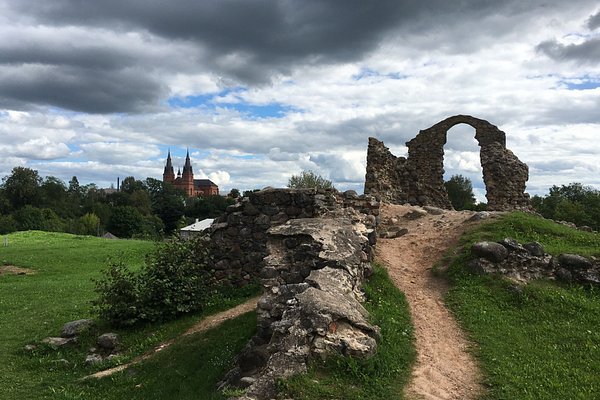
Valmiera Castle was built by the Livonian Order during the thirteenth century and became one of the most important fortifications in medieval Livonia.
The castle served as a military, administrative, and political center for centuries. It witnessed numerous battles, political changes, and periods of prosperity before suffering damage during wars and eventually falling into ruin.
Today, the surviving remains provide valuable insight into the city’s medieval origins.
Visitor Experience
Visitors can explore:
- Historic castle ruins
- Medieval architecture
- Archaeological remains
- Scenic viewpoints
- Educational exhibits
The ruins offer a fascinating glimpse into Valmiera’s earliest history.
2. St. Simon’s Church – The Spiritual Landmark of Valmiera

History
St. Simon’s Church is one of the oldest churches in Latvia, with origins dating back to the thirteenth century.
Throughout its long history, the church has served as a religious, cultural, and social center for the people of Valmiera. The building survived wars, fires, and political transformations while preserving its historical significance.
The church remains an important symbol of the city’s heritage.
Visitor Experience
Visitors can admire:
- Gothic architecture
- Historic interiors
- Religious artwork
- Church tower views
- Cultural heritage
The church is among the most important landmarks in Valmiera.
3. Gauja River Promenade – The Natural Heart of the City

History
The Gauja River has shaped the development of Valmiera for centuries.
The river provided transportation routes, fishing opportunities, and natural protection for early settlements. It also played an important role in regional trade and economic growth.
Today, the Gauja remains one of the city’s most cherished natural features.
Visitor Experience
Visitors can enjoy:
- Riverside walks
- Scenic viewpoints
- Cycling routes
- Nature photography
- Relaxing landscapes
The promenade offers some of the most beautiful scenery in Valmiera.
4. Valmiera Museum – Preserving the City’s Story

History
The museum was established to preserve and present the rich history of Valmiera and the surrounding Vidzeme region.
Its collections include archaeological artifacts, medieval discoveries, historical documents, traditional crafts, and cultural exhibits.
The museum plays an essential role in protecting regional heritage.
Visitor Experience
Visitors can learn about:
- Local history
- Archaeological discoveries
- Traditional culture
- Historical events
- Regional development
The museum provides a comprehensive introduction to Valmiera’s past.
5. Bridge Over the Gauja River – Connecting History and Modernity

History
Bridges have always been vital to Valmiera’s development because of its strategic location along important trade routes.
Modern bridges continue this tradition by connecting communities and supporting economic growth throughout the region.
The river crossings have become recognizable elements of the city’s landscape.
Visitor Experience
Visitors can enjoy:
- Panoramic river views
- Photography opportunities
- Scenic walks
- Urban landscapes
- Sunset views
The bridge offers excellent perspectives of the city and river valley.
6. Janis Dalins Stadium – Latvia’s Sporting Heritage

History
Named after Jānis Daliņš, one of Latvia’s greatest athletes, the stadium reflects Valmiera’s strong sporting traditions.
The city has long been associated with athletic excellence and has produced many successful Latvian sports figures.
The facility serves as an important center for competitions and training.
Visitor Experience
Visitors can discover:
- Modern sports facilities
- Athletic events
- Sporting heritage
- Recreational activities
- Community programs
The stadium highlights Valmiera’s active lifestyle.
7. Valmiermuiža Brewery – A Taste of Local Tradition

History
The brewery continues a long tradition of beverage production in the region.
Inspired by historical brewing methods and local ingredients, Valmiermuiža has become one of Latvia’s most respected craft beverage producers.
Its success reflects the growing appreciation for traditional craftsmanship.
Visitor Experience
Visitors can enjoy:
- Brewery tours
- Historical exhibits
- Local culinary experiences
- Traditional craftsmanship
- Cultural events
The brewery offers insight into regional traditions and entrepreneurship.
8. Valmiera Open-Air Stage – The Cultural Gathering Place

History
The open-air stage was developed to support cultural life and public celebrations within the city.
For decades, it has hosted concerts, festivals, theatrical performances, and community gatherings.
The venue remains a vital part of Valmiera’s cultural identity.
Visitor Experience
Visitors can attend:
- Music festivals
- Cultural performances
- Community celebrations
- Outdoor events
- Seasonal activities
The venue showcases the city’s vibrant cultural scene.
9. Sajutu Park – Adventure and Nature Combined
History
Sajūtu Park was created to encourage outdoor recreation and environmental appreciation.
The park combines natural landscapes with modern adventure activities, attracting both locals and tourists.
Its development reflects the city’s commitment to sustainable tourism and healthy lifestyles.
Visitor Experience
Visitors can enjoy:
- Rope courses
- Nature trails
- Adventure activities
- Family recreation
- Forest scenery
The park is ideal for outdoor enthusiasts.
10. Gauja National Park Surroundings – Gateway to Latvia’s Natural Beauty

History
Established in 1973, Gauja National Park became Latvia’s first and largest national park.
The area protects ancient forests, sandstone cliffs, caves, rivers, and wildlife habitats that have shaped regional life for thousands of years.
Valmiera serves as an important gateway to this remarkable natural landscape.
Visitor Experience
Visitors can explore:
- Forest trails
- Sandstone cliffs
- River valleys
- Wildlife habitats
- Scenic viewpoints
The surrounding nature offers unforgettable outdoor adventures.
Related artical : Best place to visit in Rēzekne