
Now Reading: Best place to visit in Rēzekne
-
01
Best place to visit in Rēzekne
Best place to visit in Rēzekne

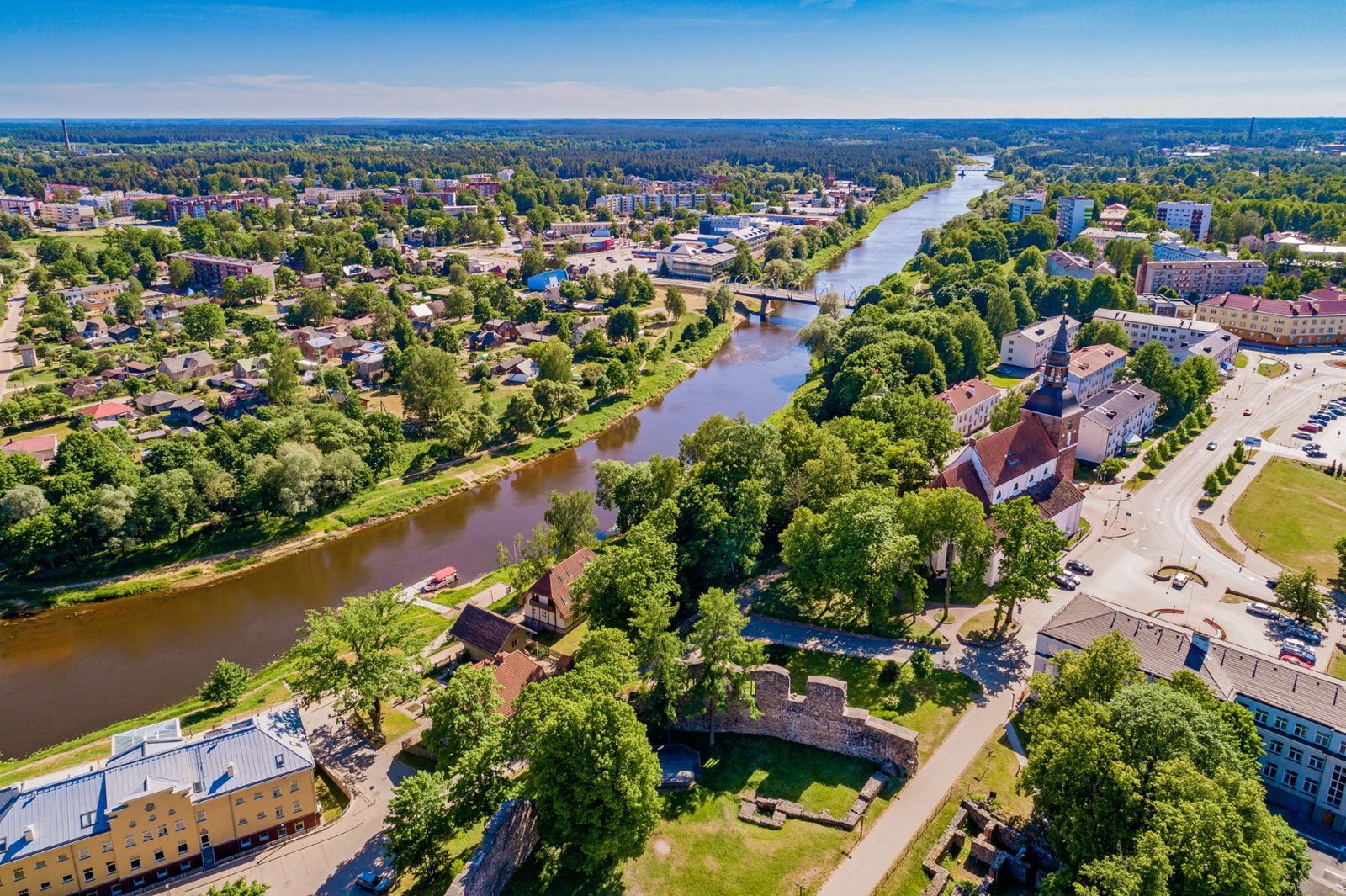
Rēzekne is one of the oldest cities in Latvia and the cultural heart of the Latgale region. Located in eastern Latvia among rolling hills, lakes, and forests, Rēzekne has served as an important crossroads of trade, religion, and culture for more than seven centuries.
The city’s history dates back to the medieval period when it developed around a castle built by the Livonian Order. Throughout the centuries, Rēzekne came under the influence of Polish, Lithuanian, Russian, German, and Latvian rulers, each contributing to the city’s unique cultural identity. This rich heritage is reflected in its architecture, religious landmarks, museums, and traditions.
Today, Rēzekne is known as the cultural capital of Latgale. Visitors are attracted by its historical sites, modern cultural centers, beautiful churches, scenic lakes, and vibrant arts scene. The city successfully combines ancient history with contemporary creativity, making it one of Latvia’s most fascinating destinations.
The following attractions represent the best places to visit in Rēzekne.
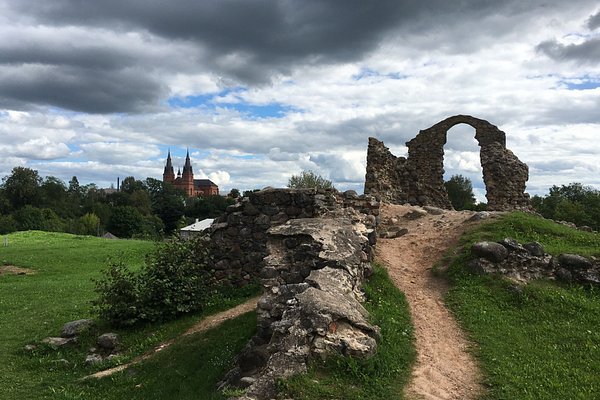
1. Rēzekne Castle Ruins – The Birthplace of the City

History
The origins of Rēzekne are closely linked to the construction of a medieval castle by the Livonian Order during the thirteenth century.
The fortress served as a military stronghold and administrative center, protecting important trade routes through the Latgale region. Over time, wars and political conflicts damaged the castle, leaving only ruins behind.
Despite its destruction, the site remains one of the most important historical landmarks in eastern Latvia.
Visitor Experience
Visitors can explore:
- Medieval ruins
- Historic foundations
- Scenic viewpoints
- Archaeological remains
- Photography opportunities
The castle ruins provide a fascinating glimpse into the city’s medieval past.
2. Latgale Embassy GORS – The Modern Cultural Landmark

History
Opened in 2013, GORS became the largest and most important cultural center in eastern Latvia.
The building was created to promote music, art, theater, and cultural events while strengthening the cultural identity of the Latgale region.
Its modern design quickly transformed it into one of Latvia’s most impressive contemporary landmarks.
Visitor Experience
Visitors can enjoy:
- Concert performances
- Theater productions
- Art exhibitions
- Cultural festivals
- Architectural tours
GORS represents the modern cultural spirit of Rēzekne.
3. Heart of Jesus Cathedral – The Spiritual Center of Latgale

History
The cathedral is one of the most important Catholic churches in Latvia and reflects the strong Catholic traditions of the Latgale region.
Built in the early twentieth century, the church became a center of worship, education, and community life.
Its elegant architecture and spiritual significance make it one of the city’s most treasured landmarks.
Visitor Experience
Visitors can admire:
- Religious artwork
- Historic architecture
- Sacred interiors
- Cultural heritage
- Spiritual atmosphere
The cathedral remains a symbol of faith and tradition.
4. Monument United for Latvia – Symbol of National Unity
History
The monument was erected to commemorate Latvia’s independence and national unity.
Throughout periods of occupation and political change, it remained an important symbol of Latvian identity and resilience.
Today, it is one of the city’s most recognizable landmarks.
Visitor Experience
Visitors can see:
- Historic sculptures
- National symbolism
- Cultural significance
- Public ceremonies
- Photography opportunities
The monument reflects the patriotic spirit of Latvia.
5. Rēzekne Green Synagogue – Preserving Jewish Heritage

History
Built during the nineteenth century, the Green Synagogue is the oldest surviving wooden synagogue in Latvia.
The building preserves the memory of the once-thriving Jewish community that contributed significantly to the development of Rēzekne.
Today, it functions as a cultural and educational center.
Visitor Experience
Visitors can explore:
- Historic wooden architecture
- Jewish heritage exhibitions
- Cultural displays
- Educational programs
- Historical artifacts
The synagogue offers valuable insight into local history.
6. Rēzekne Promenade – The Scenic Urban Retreat

History
The promenade was developed to enhance public spaces and improve the connection between the city and its natural surroundings.
Modern landscaping and recreational facilities transformed the area into a favorite gathering place for residents and visitors.
Today, it serves as a vibrant social and recreational hub.
Visitor Experience
Visitors can enjoy:
- Walking paths
- Water features
- Public art
- Scenic views
- Relaxing atmosphere
The promenade showcases the modern side of Rēzekne.
7. Latgale Cultural and History Museum – Discovering Regional Heritage

History
The museum was established to preserve the history, culture, and traditions of the Latgale region.
Its collections include archaeological artifacts, folk art, ceramics, traditional clothing, and historical documents.
The museum plays a crucial role in preserving regional identity.
Visitor Experience
Visitors can learn about:
- Local history
- Traditional crafts
- Archaeological discoveries
- Cultural traditions
- Historical events
The museum provides a comprehensive overview of Latgale.
8. Lake Kovšu – Nature Within the City

History
Lake Kovšu has long been an important natural feature of the city.
The lake contributed to local recreation, fishing, and environmental diversity while enhancing the beauty of the surrounding urban landscape.
Recent development projects improved public access and recreational opportunities.
Visitor Experience
Visitors can enjoy:
- Lakeside walks
- Water activities
- Scenic photography
- Relaxation areas
- Nature observation
The lake offers a peaceful escape in the heart of the city.
9. Festival Park – The Center of Community Celebrations

History
Festival Park was developed as a venue for cultural events, concerts, and public celebrations.
The park hosts numerous festivals that celebrate the traditions, music, and culture of Latgale.
It has become an important gathering place for the community.
Visitor Experience
Visitors can enjoy:
- Outdoor concerts
- Cultural festivals
- Family activities
- Public events
- Scenic landscapes
The park reflects the city’s vibrant cultural life.
10. Ančupāni Memorial – Remembering History
History
The Ančupāni Memorial commemorates victims of World War II and serves as an important place of remembrance.
The site preserves the memory of tragic events that affected the region and honors those who lost their lives.
It remains a significant historical and educational landmark.
Visitor Experience
Visitors can reflect upon:
- Historical memorials
- Educational exhibits
- Cultural remembrance
- Peaceful surroundings
- Historical significance
The memorial offers an important perspective on Latvia’s twentieth-century history.
Related artical : Best place to visit in Ventspils