
Now Reading: Best place to visit in Byblos
-
01
Best place to visit in Byblos
Best place to visit in Byblos

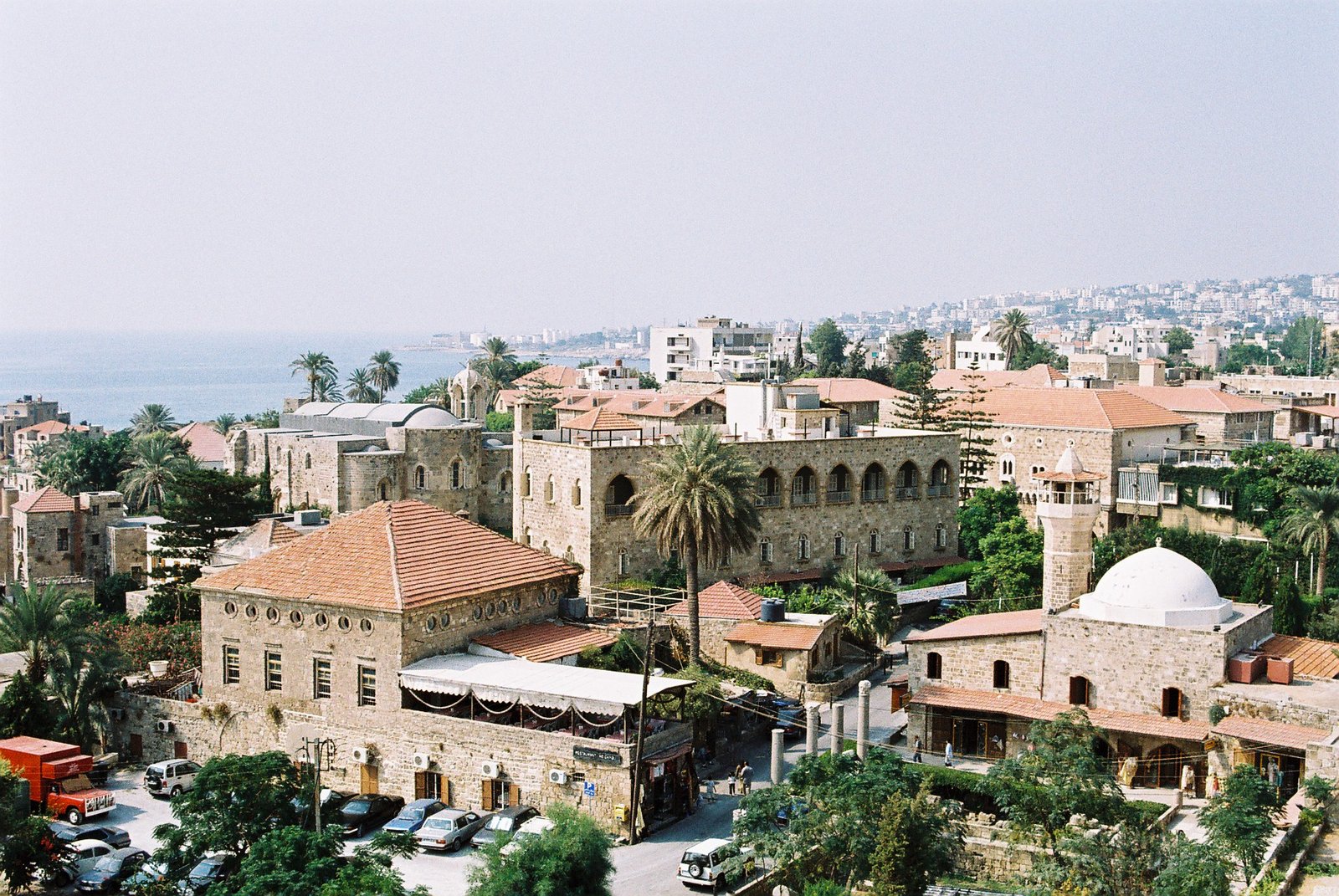
Byblos, known locally as Jbeil, is one of the oldest continuously inhabited cities in the world and one of Lebanon’s most treasured historical destinations. Situated on the Mediterranean coast approximately 40 kilometers north of Beirut, Byblos has been inhabited for over 7,000 years and stands as a remarkable testament to human civilization.
Recognized as a UNESCO World Heritage Site, Byblos played a central role in the development of the ancient Phoenician civilization and became one of the most important trading ports of the Mediterranean world. The city served as a gateway for commerce, culture, religion, and innovation, influencing civilizations across Europe, Asia, and Africa.
Throughout its long history, Byblos was shaped by Phoenicians, Egyptians, Assyrians, Persians, Greeks, Romans, Byzantines, Arabs, Crusaders, Mamluks, and Ottomans. Each civilization left behind architectural monuments, archaeological treasures, and cultural traditions that continue to fascinate visitors today.
Modern Byblos successfully combines ancient heritage with contemporary charm. Visitors can wander through medieval streets, explore archaeological sites, admire ancient temples, enjoy waterfront restaurants, and experience one of the most beautiful coastal cities in the Middle East.
The following attractions represent the best places to visit in Byblos.
1. Byblos Archaeological Site

The Byblos Archaeological Site is one of the most important historical locations in the world and forms the heart of the city’s UNESCO designation. Covering a vast area overlooking the Mediterranean Sea, the site preserves evidence of continuous human settlement stretching back thousands of years.
Visitors can explore layers of civilization that include Phoenician temples, royal tombs, Roman roads, Crusader structures, and remnants of ancient fortifications. Walking through the archaeological park provides a rare opportunity to witness the evolution of urban life across multiple historical periods.
The site offers breathtaking views of the coastline while revealing the extraordinary significance of Byblos in world history.
History
Archaeological evidence indicates that Byblos was inhabited as early as 5000 BCE. During the Phoenician era, it became a major trading center and maintained close commercial ties with ancient Egypt. The city played a crucial role in the development and spread of the Phoenician alphabet, which later influenced many modern writing systems.
2. Byblos Castle

The Byblos Castle is one of the city’s most recognizable landmarks and an outstanding example of Crusader military architecture. Built using limestone and materials taken from earlier Roman structures, the castle dominates the archaeological site and offers spectacular panoramic views.
Visitors can climb its towers, explore defensive walls, and admire the strategic location that once protected one of the Mediterranean’s most important ports.
History
The castle was constructed during the twelfth century by Crusaders who occupied the region during the medieval period. Throughout its history, the fortress witnessed battles, political changes, and cultural exchanges between East and West.
Today, it serves as one of Lebanon’s most important historical monuments.
3. Byblos Old Souk

The Old Souk of Byblos is one of the most charming and atmospheric areas in Lebanon. Its narrow stone streets are lined with traditional shops, artisan workshops, cafes, galleries, and restaurants that preserve the character of a historic Mediterranean trading town.
Visitors can browse handmade crafts, jewelry, antiques, textiles, and local products while enjoying the unique ambiance created by centuries-old architecture.
The souk is particularly beautiful during the evening when its stone pathways are illuminated by warm lights.
History
The market district evolved over centuries as merchants and craftsmen established businesses near the harbor. It continues to serve as an important center of commerce and cultural activity.
4. Byblos Harbor

The picturesque harbor of Byblos is one of the oldest ports in the world and remains one of the city’s most beautiful attractions.
Colorful fishing boats float in calm waters surrounded by ancient stone buildings and waterfront restaurants. The harbor offers visitors a peaceful setting to enjoy Mediterranean scenery while reflecting on the city’s maritime heritage.
The area is particularly popular for photography and sunset viewing.
History
For thousands of years, ships departed from Byblos carrying timber, papyrus, luxury goods, and cultural influences across the Mediterranean. The harbor played a central role in establishing Phoenician trade networks that connected distant civilizations.
5. Temple of Baalat Gebal

The Temple of Baalat Gebal is one of the most important Phoenician religious sites in existence. Dedicated to the city’s patron goddess, the temple provides valuable insight into ancient spiritual beliefs and ceremonial practices.
Visitors can explore the remains of sacred structures while learning about the religious traditions that shaped Phoenician society.
History
The temple dates back to the third millennium BCE and maintained its importance for centuries. Egyptian influences discovered at the site demonstrate the close relationship between Byblos and ancient Egypt.
6. Roman Colonnades

The Roman Colonnades represent the period when Byblos flourished under Roman rule. These elegant architectural remains illustrate the city’s integration into the Roman Empire and the prosperity that accompanied it.
Visitors can walk among ancient columns and streets while imagining life during one of the most influential periods in Mediterranean history.
History
The structures were constructed during the Roman era when Byblos served as an important administrative and commercial center. The remains continue to highlight the sophistication of Roman urban planning.
7. Saint John-Marc Church

Saint John-Marc Church is one of the most beautiful religious monuments in Byblos and a masterpiece of medieval architecture.
Its stone walls, elegant arches, and peaceful atmosphere make it a popular destination for visitors interested in history, religion, and architecture.
History
Built during the Crusader period in the twelfth century, the church has survived earthquakes, wars, and political changes while remaining an important symbol of Christian heritage in Lebanon.
8. Byblos Fossil Museum

The Byblos Fossil Museum houses one of the finest collections of marine fossils in the Middle East.
Visitors can view exceptionally preserved specimens that reveal the region’s prehistoric past and geological evolution.
History
The museum was established to preserve fossils discovered in Lebanon’s mountains, many of which date back millions of years and provide valuable scientific information.
9. Phoenician Royal Tombs

The Royal Tombs of Byblos represent one of the most significant archaeological discoveries in Lebanon.
Carved deep into bedrock, these burial chambers belonged to Phoenician rulers and contained valuable artifacts that revealed important details about ancient society.
History
The tombs date back several thousand years and provided archaeologists with inscriptions, treasures, and evidence of international trade connections between Phoenicia and neighboring civilizations.
10. Byblos Waterfront

The modern waterfront of Byblos offers visitors a beautiful blend of history and contemporary leisure. Restaurants, cafes, walking paths, and observation points provide stunning views of the Mediterranean Sea.
The waterfront is particularly lively during evenings when visitors gather to enjoy local cuisine and admire the sunset over the ancient harbor.
History
For centuries, the coastline served as the city’s connection to the wider Mediterranean world. Today, it continues to play an important role in Byblos’ cultural and tourism economy.
Related artical : Best place to visit in Tyre