
Now Reading: Best place to visit in Miziara
-
01
Best place to visit in Miziara
Best place to visit in Miziara

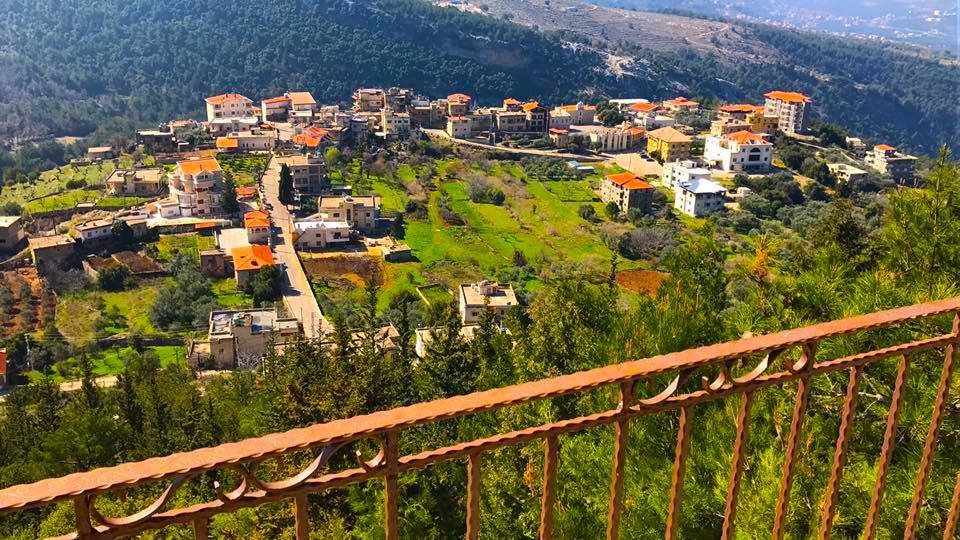
Miziara is one of northern Lebanon’s most elegant and picturesque mountain communities, located in the Zgharta District. Surrounded by rolling hills, pine forests, olive groves, and breathtaking mountain scenery, Miziara is renowned for its beautiful architecture, luxurious villas, rich cultural heritage, and peaceful atmosphere. Situated at an elevation that offers cool summers and spectacular views, the town has become one of the most attractive destinations in northern Lebanon.
Miziara is particularly famous for its impressive collection of grand residences and mansions, many inspired by European architectural styles. The town’s unique appearance distinguishes it from many other Lebanese villages and reflects the prosperity of families who invested in the area over generations. Beyond its architectural beauty, Miziara also possesses a rich history rooted in agriculture, religion, and traditional mountain life.
Throughout its history, the region has been influenced by Phoenician, Roman, Byzantine, Arab, Ottoman, and modern Lebanese civilizations. Today, visitors can explore scenic landscapes, historic churches, cultural landmarks, and traditional neighborhoods while enjoying one of Lebanon’s most charming mountain environments.
The following attractions represent the best places to visit in Miziara.
History of Miziara
The history of Miziara dates back many centuries, although the exact origins of the settlement remain uncertain. Like many mountain communities in northern Lebanon, the village developed around agricultural activities and religious institutions that supported local families.
During medieval times, the region became part of the broader cultural and religious landscape of Mount Lebanon. Communities established churches, cultivated olive groves, and developed trade relationships with neighboring villages. The fertile land and favorable climate allowed agriculture to flourish, particularly the cultivation of olives, fruits, and other crops.
Under Ottoman rule, Miziara continued to grow steadily as a prosperous rural community. The nineteenth and twentieth centuries brought significant economic development as emigrants from the region achieved success abroad and invested in their hometown. This period saw the construction of many of the luxurious villas and elegant residences that characterize Miziara today.
In modern times, the village has become known throughout Lebanon for its architectural beauty, cultural heritage, and high quality of life. Despite modernization, Miziara continues to preserve its traditional identity while welcoming visitors seeking history, culture, and natural beauty.
1. Miziara Grand Villas

One of Miziara’s most distinctive attractions is its collection of magnificent villas and mansions. These impressive residences feature architectural styles inspired by Italian, French, and Mediterranean influences, making the town unique among Lebanese mountain communities.
Visitors can admire elegant facades, beautifully landscaped gardens, decorative stonework, and remarkable craftsmanship while walking through the town.
Historical Significance
Many of these villas were built during the twentieth century by successful expatriates who returned to invest in their hometown. The architecture reflects the international influences and prosperity that shaped Miziara’s modern identity.
2. Saint George Church
Saint George Church stands as one of the most important religious landmarks in the village. The church features beautiful architecture, spiritual significance, and a peaceful atmosphere that attracts visitors throughout the year.
Its location and design make it an important symbol of Miziara’s cultural and religious heritage.
Historical Significance
The church has served generations of local residents and continues to play a central role in community life and religious celebrations.
3. Miziara Old Village Center

The old village center preserves much of Miziara’s traditional character. Stone houses, narrow lanes, local shops, and public spaces create a welcoming environment where visitors can experience authentic Lebanese mountain culture.
Walking through the village offers insight into daily life and historical traditions that have shaped the community.
Historical Significance
The village center developed gradually over centuries as families established homes, churches, and businesses that supported local society.
4. Miziara Scenic Viewpoints

The elevated location of Miziara provides breathtaking panoramic views of valleys, forests, mountains, and neighboring villages.
These viewpoints are particularly popular at sunrise and sunset when the changing light enhances the beauty of the surrounding landscape.
Historical Significance
Historically, elevated observation points allowed residents to monitor agricultural lands and travel routes throughout the region.
5. Olive Groves of Miziara
The countryside surrounding Miziara is covered with beautiful olive groves that have supported local communities for generations.
Visitors can explore peaceful rural landscapes while learning about traditional farming methods and olive oil production.
Historical Significance
Olive cultivation has been one of the most important economic activities in the region since ancient times and remains a vital part of local culture.
6. Miziara Pine Forests

The forests surrounding Miziara provide excellent opportunities for hiking, nature walks, and outdoor recreation.
Visitors can enjoy fresh mountain air, peaceful scenery, and diverse wildlife while exploring these natural environments.
Historical Significance
The forests have contributed to the region’s ecological diversity and helped establish Miziara as a popular summer destination.
7. Traditional Stone Houses

Alongside its grand villas, Miziara also contains many traditional stone houses that reflect the architectural heritage of northern Lebanon.
These structures showcase local craftsmanship and provide valuable insight into historical construction techniques.
Historical Significance
Many houses date back to the Ottoman period and illustrate the evolution of residential architecture in the region.
8. Zgharta Region Excursions

Miziara serves as an excellent base for exploring the wider Zgharta region, which contains numerous historic villages, monasteries, and natural attractions.
Visitors can enjoy day trips while discovering the cultural richness of northern Lebanon.
Historical Significance
The villages of the Zgharta region share centuries of interconnected history, trade, and cultural traditions.
9. Local Cultural Festivals

Throughout the year, Miziara hosts cultural and religious celebrations that showcase local traditions, music, cuisine, and community spirit.
Visitors attending these events gain a deeper understanding of the region’s vibrant cultural identity.
Historical Significance
Many celebrations preserve customs that have been passed down through generations and remain central to community life.
10. Mountain Hiking Trails
The mountains surrounding Miziara offer excellent opportunities for hiking and exploration. Trails pass through forests, valleys, agricultural terraces, and scenic viewpoints.
Visitors can experience the natural beauty of northern Lebanon while enjoying outdoor adventure.
Historical Significance
Many routes originated as pathways used by farmers, shepherds, and travelers moving between villages throughout the mountains.
Related artical : Best place to visit in Deir El Qamar