
Now Reading: Best place to visit in Deir El Qamar
-
01
Best place to visit in Deir El Qamar
Best place to visit in Deir El Qamar
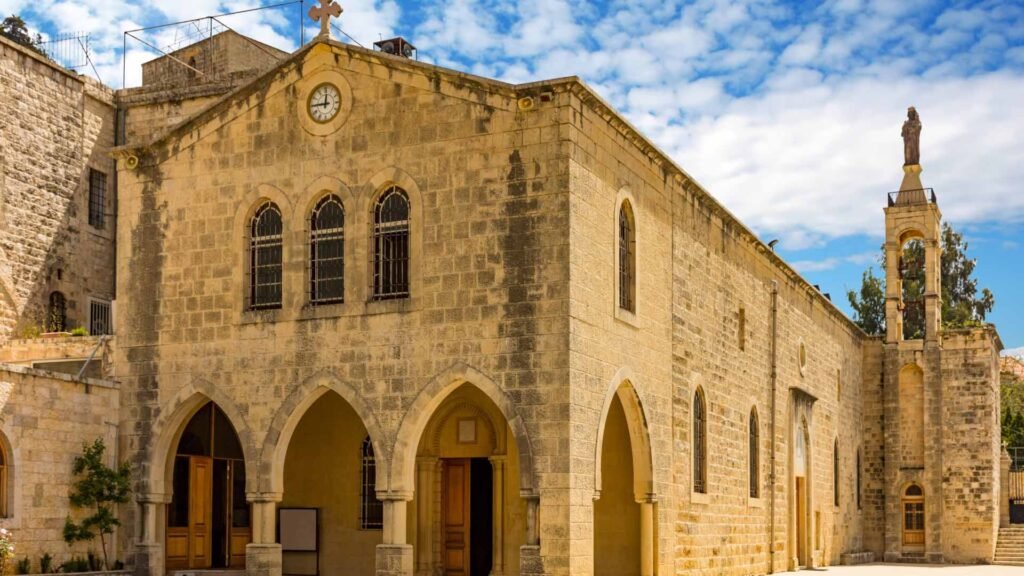
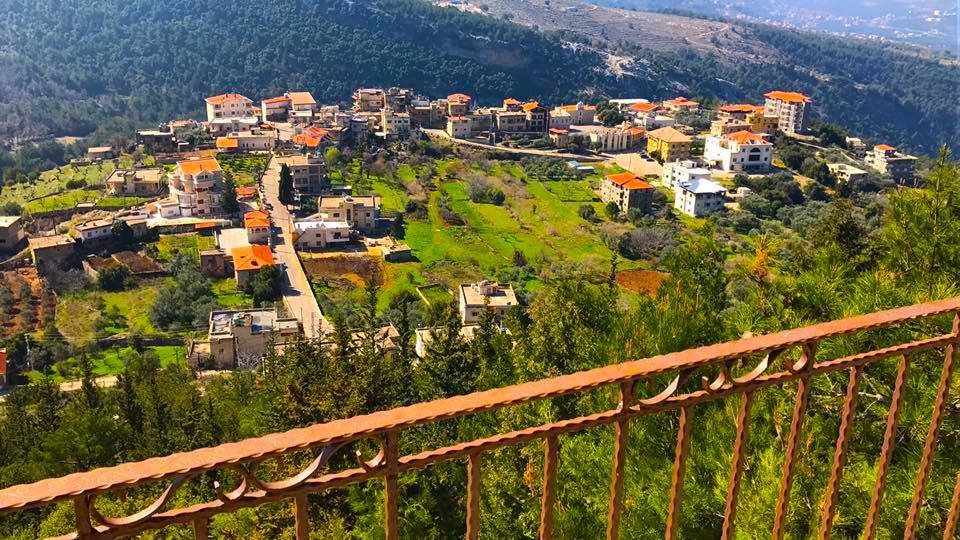
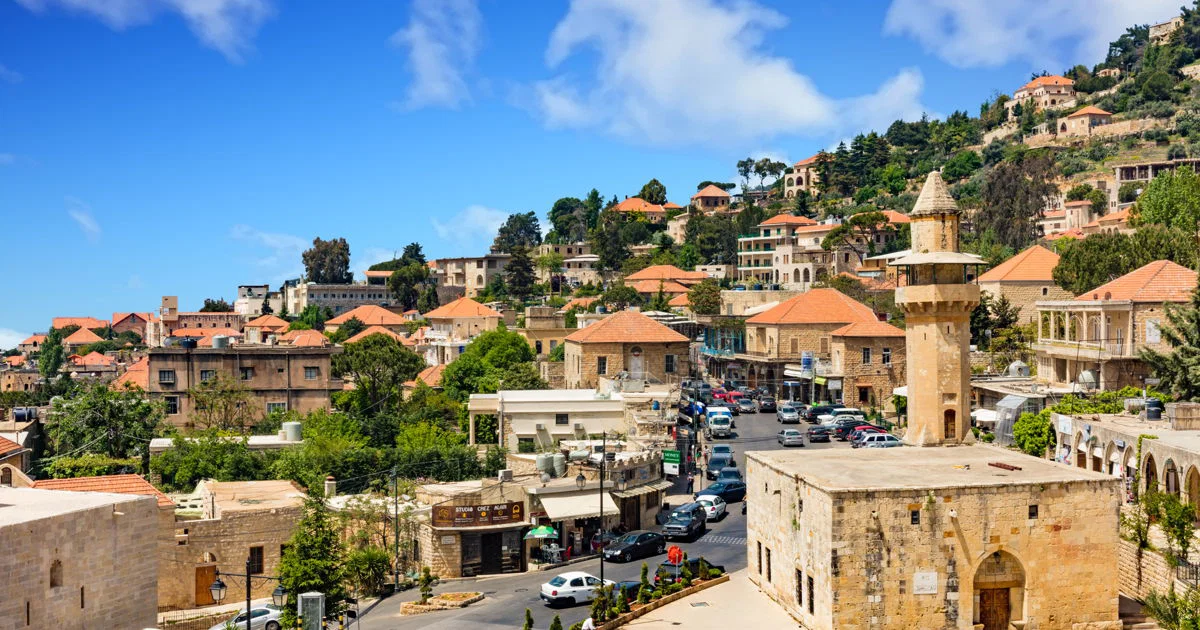
Deir El Qamar is one of Lebanon’s most beautiful and historically significant towns, nestled in the heart of the Chouf Mountains. Known for its well-preserved stone architecture, grand palaces, historic churches, cobbled streets, and rich cultural heritage, Deir El Qamar was once the political and administrative capital of Mount Lebanon. The town’s name, meaning “Monastery of the Moon,” reflects its ancient origins and deep connection to the region’s history.
Surrounded by rolling hills, forests, and fertile valleys, Deir El Qamar has been a center of political power, culture, and commerce for centuries. During the sixteenth, seventeenth, and eighteenth centuries, it flourished under the rule of powerful Lebanese emirs and became one of the most influential settlements in the country. Today, the town remains a living museum where visitors can experience Lebanon’s architectural, religious, and cultural heritage in a remarkably preserved setting.
Recognized as one of Lebanon’s most important historical destinations, Deir El Qamar offers travelers a unique journey through centuries of history while providing access to some of the most spectacular landscapes in Mount Lebanon.
History of Deir El Qamar
The history of Deir El Qamar stretches back to the medieval period, although archaeological evidence suggests human activity in the surrounding region long before the town’s establishment. Its strategic location in the Chouf Mountains made it an ideal center for governance, trade, and defense.
The town rose to prominence during the sixteenth century under the leadership of the influential Ma’an dynasty, particularly during the reign of Emir Fakhr al-Din II, one of the most celebrated figures in Lebanese history. Under his rule, Deir El Qamar became the capital of Mount Lebanon and developed into a thriving political and economic center.
During the seventeenth and eighteenth centuries, the town continued to prosper under successive rulers, including the Shihab dynasty. Magnificent palaces, public buildings, religious institutions, and commercial districts were constructed, many of which still stand today. The town became known for its architectural beauty, cultural sophistication, and religious coexistence among various communities.
In the nineteenth century, Deir El Qamar experienced periods of political conflict but retained its importance as a cultural and historical center. Today, it remains one of the best-preserved heritage towns in Lebanon and attracts visitors from around the world who wish to explore its remarkable past.
1. Deir El Qamar Main Square

The Main Square is the heart of Deir El Qamar and one of the most picturesque public spaces in Lebanon. Surrounded by historic buildings, stone arcades, cafés, and cultural landmarks, the square offers visitors an authentic glimpse into the town’s rich heritage.
Walking through the square feels like stepping back in time. The beautifully preserved architecture and vibrant atmosphere make it one of the most photographed locations in the country.
Historical Significance
For centuries, the square served as the political, social, and commercial center of Mount Lebanon. Important public gatherings, celebrations, and administrative activities took place here, making it a focal point of regional life.
2. Fakhreddine Mosque

The Fakhreddine Mosque is one of the oldest and most important mosques in Mount Lebanon. Its elegant architecture, distinctive minaret, and historical significance make it a major attraction.
Visitors can admire the beautiful stonework and learn about the role of the mosque in the town’s multicultural history.
Historical Significance
The mosque was commissioned by Emir Fakhr al-Din II in the late sixteenth century and remains an enduring symbol of his leadership and vision for the region.
3. Marie Baz Museum

The Marie Baz Museum showcases traditional Lebanese life through collections of historical artifacts, costumes, household items, and cultural exhibits.
Visitors gain valuable insight into the customs, traditions, and daily life of Mount Lebanon’s communities throughout different historical periods.
Historical Significance
The museum preserves important aspects of Lebanese cultural heritage and helps document the social history of the region.
4. Moussa Castle

Moussa Castle is one of Lebanon’s most unique attractions. Built by a single individual over several decades, the castle combines traditional architecture with exhibits depicting Lebanese history and rural life.
Visitors can explore towers, halls, exhibits, and panoramic viewpoints while learning about the extraordinary story behind its construction.
Historical Significance
The castle represents the realization of a lifelong dream and has become an important cultural landmark in the Chouf region.
5. Beiteddine Palace

Located just a short distance from Deir El Qamar, Beiteddine Palace is one of the most magnificent architectural masterpieces in Lebanon.
The palace features grand courtyards, elegant halls, decorative fountains, gardens, and museums that showcase centuries of history and artistic achievement.
Historical Significance
Built in the early nineteenth century by Emir Bashir II, the palace served as the political center of Mount Lebanon and remains one of the country’s most important historical monuments.
6. Saydet El Talle Church

This beautiful church stands as one of the town’s most important religious landmarks. Its architecture, interior decorations, and spiritual significance attract visitors throughout the year.
The church offers peaceful surroundings and impressive views of the surrounding mountains.
Historical Significance
The church has served local communities for centuries and reflects the deep religious traditions of Mount Lebanon.
7. Deir El Qamar Heritage Streets

The narrow streets of Deir El Qamar are lined with beautifully preserved stone houses, historic mansions, archways, and courtyards.
Visitors can spend hours exploring these charming streets while discovering hidden architectural treasures and learning about the town’s rich past.
Historical Significance
Many structures date back several centuries and represent some of the finest examples of traditional Lebanese architecture.
8. Chouf Mountains Viewpoints

The surrounding Chouf Mountains offer breathtaking viewpoints overlooking valleys, forests, villages, and distant coastal areas.
Visitors can enjoy some of the most spectacular landscapes in Lebanon while exploring the natural beauty of the region.
Historical Significance
These mountains have shaped the history, culture, and identity of Mount Lebanon for centuries.
9. Deir El Qamar Cultural Center

The Cultural Center hosts exhibitions, educational programs, artistic performances, and community events that celebrate Lebanese heritage and culture.
Visitors can learn more about the town’s history and ongoing efforts to preserve its unique identity.
Historical Significance
The center contributes to cultural preservation and promotes awareness of Lebanon’s rich historical legacy.
10. Chouf Cedar Region

The cedar forests of the Chouf region are among Lebanon’s most important natural treasures. Visitors can hike through ancient woodlands, observe wildlife, and experience the beauty of Lebanon’s national symbol.
The forests offer exceptional opportunities for eco-tourism and outdoor adventure.
Historical Significance
For thousands of years, Lebanon’s cedar trees have been prized by civilizations throughout the Mediterranean and have become a symbol of the nation’s resilience and heritage.
Related artical :Best place to visit in Bikfaya