Now Reading: Best place to visit in Aley
-
01
Best place to visit in Aley
Best place to visit in Aley

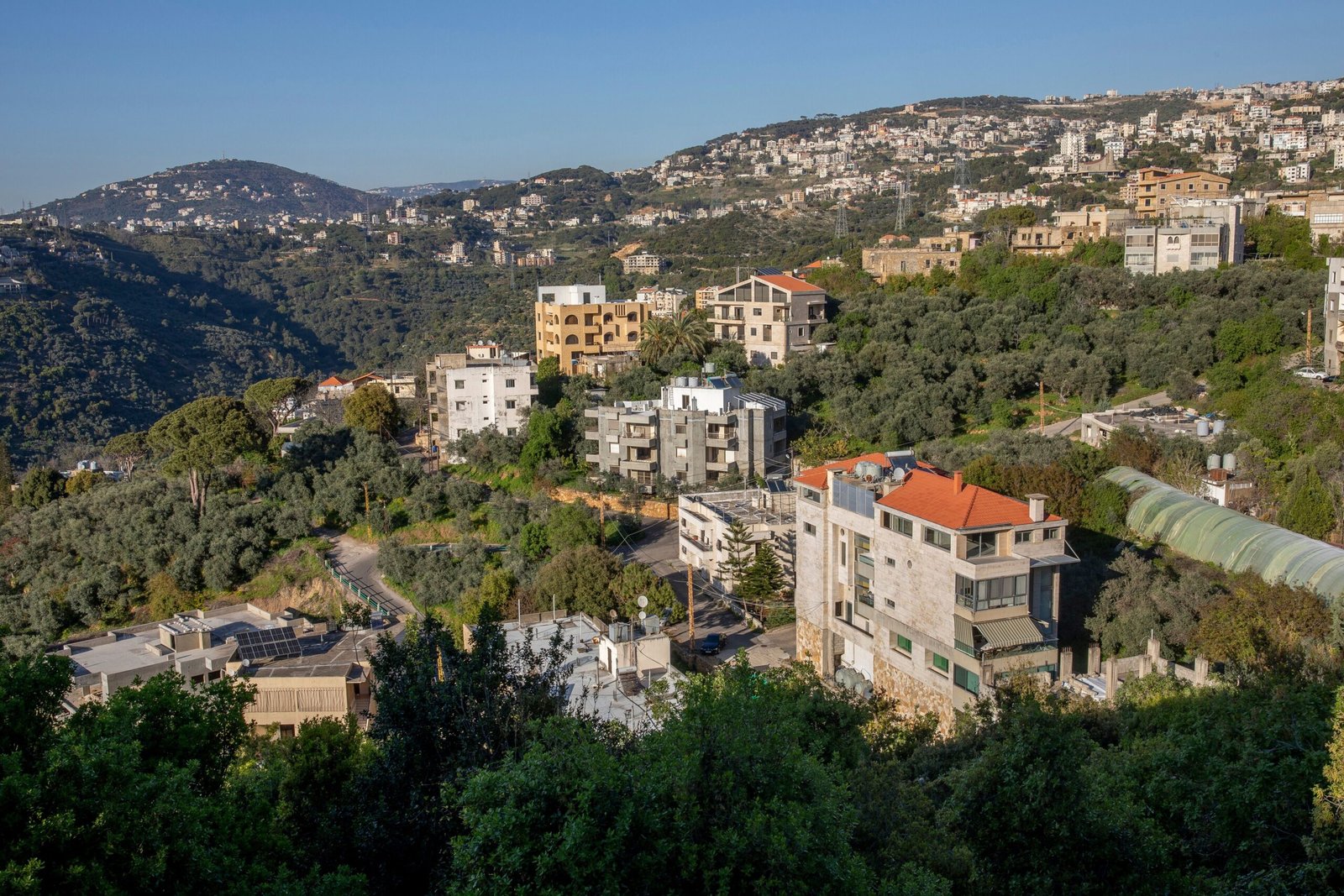
Aley is one of Lebanon’s most beautiful mountain destinations, located in the heart of the Mount Lebanon Governorate. Perched at an elevation of approximately 800 to 1,000 meters above sea level, Aley enjoys a pleasant climate, stunning mountain scenery, and breathtaking views of the Mediterranean coastline. Because of its cool summers and refreshing atmosphere, the city has long been known as the “Bride of Summer Resorts” in Lebanon.
Throughout its history, Aley has served as an important retreat for travelers, merchants, and residents seeking refuge from the summer heat of coastal cities. The arrival of the railway during the late nineteenth century transformed the town into one of Lebanon’s premier mountain resorts, attracting visitors from across the Middle East.
Today, Aley is known for its scenic landscapes, vibrant cultural life, elegant architecture, shopping streets, and proximity to some of Lebanon’s most beautiful natural and historical attractions. Visitors can enjoy mountain views, traditional Lebanese hospitality, cultural landmarks, and outdoor activities while exploring one of the country’s most beloved destinations.
The following attractions represent the best places to visit in Aley.
1. Aley Souk

The Aley Souk is the vibrant heart of the city and one of the most popular destinations for visitors. Lined with cafés, restaurants, boutiques, local shops, and traditional businesses, the souk offers a lively atmosphere that reflects the cultural character of the town.
Visitors can stroll through the bustling streets, enjoy Lebanese cuisine, shop for local products, and experience the hospitality that has made Aley famous throughout the region.
History
The souk developed alongside Aley’s growth as a mountain resort during the Ottoman period. As tourism increased, the commercial district expanded and became a central gathering place for residents and travelers alike.
2. Aley Railway Station

The historic railway station stands as one of the most important reminders of Aley’s role in Lebanon’s transportation history. Although trains no longer operate regularly, the station remains a fascinating landmark that reflects the city’s past importance.
Visitors interested in history can explore the area and learn about the railway network that once connected Beirut with the mountains and inland regions.
History
Constructed during the late nineteenth century, the railway helped transform Aley into a major summer resort destination. The train journey from Beirut became famous for its spectacular mountain views and engineering achievements.
3. Aley Viewpoints

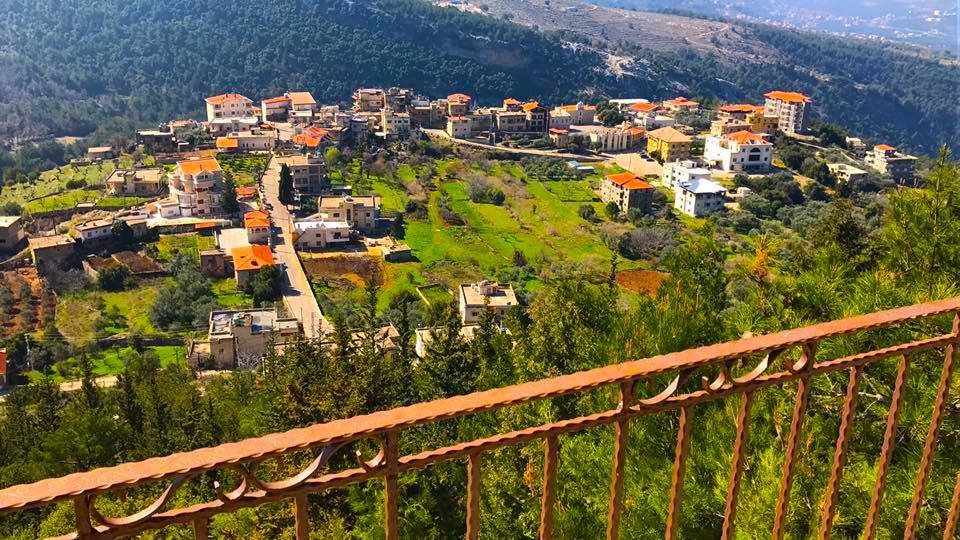
Aley is famous for its numerous panoramic viewpoints that offer breathtaking vistas of mountains, valleys, forests, and the Mediterranean coastline.
Visitors can enjoy spectacular sunrise and sunset views while taking in some of the most beautiful scenery in Lebanon. These observation points are particularly popular among photographers and nature enthusiasts.
History
The city’s elevated location has attracted visitors for centuries, and many viewpoints became gathering places where travelers admired the beauty of Mount Lebanon.
4. Bhamdoun

Located near Aley, Bhamdoun is one of Lebanon’s most famous mountain resorts. Known for its pleasant climate, elegant villas, and beautiful landscapes, the town has long been a favorite destination for summer visitors.
The area offers excellent opportunities for sightseeing, dining, and experiencing the charm of traditional mountain communities.
History
Bhamdoun flourished during the late nineteenth and early twentieth centuries as wealthy families built summer residences in the region, contributing to its reputation as a prestigious resort destination.
5. Souk El Gharb

Souk El Gharb is a picturesque mountain village near Aley that combines natural beauty with historical significance. The village offers stunning views of Beirut, the Mediterranean Sea, and surrounding mountain landscapes.
Visitors can explore traditional architecture, peaceful streets, and cultural landmarks while enjoying the area’s tranquil atmosphere.
History
The village became famous during the nineteenth century as a health resort and later played an important role during various periods of Lebanese history.
6. Aley Pine Forests

The pine forests surrounding Aley provide a refreshing escape into nature and offer excellent opportunities for hiking, picnicking, and outdoor recreation.
Visitors can enjoy scenic trails, fresh mountain air, and diverse wildlife while exploring some of the region’s most beautiful natural environments.
History
The forests have long served as an important ecological resource and contributed to Aley’s reputation as a healthy mountain retreat.
7. Deir El Qamar

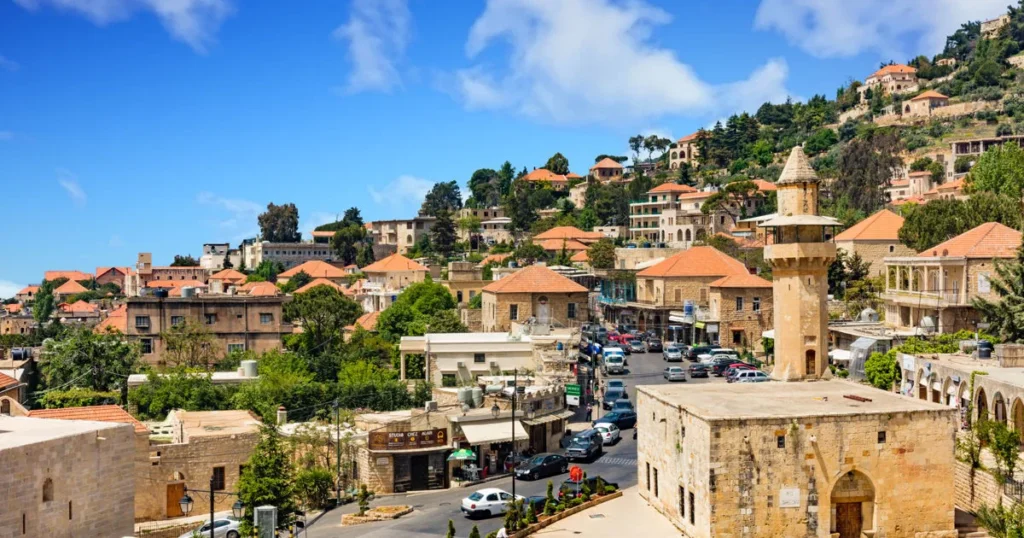
A short journey from Aley leads to Deir El Qamar, one of Lebanon’s most important historical towns. The beautifully preserved town features traditional architecture, stone houses, historic churches, and charming public squares.
Visitors can immerse themselves in Lebanese history while exploring one of the country’s finest heritage destinations.
History
Deir El Qamar served as the capital of Mount Lebanon during the sixteenth and seventeenth centuries and became a center of political and cultural life.
8. Beiteddine Palace

Beiteddine Palace is one of Lebanon’s greatest architectural masterpieces and an essential attraction near Aley.
The palace features magnificent courtyards, decorative halls, fountains, gardens, and museums that showcase the grandeur of Lebanese architecture and history.
History
Constructed during the early nineteenth century by Emir Bashir II, the palace became the political center of Mount Lebanon and remains one of the country’s most important cultural landmarks.
9. Aley Cultural Center

The cultural center hosts exhibitions, performances, educational programs, and community events that celebrate Lebanese heritage and contemporary creativity.
Visitors can experience local traditions, art, and cultural activities while gaining insight into the vibrant identity of the region.
History
The center was established to promote cultural engagement and preserve the artistic traditions that contribute to Aley’s unique character.
10. Mount Lebanon Scenic Drives

The roads surrounding Aley offer some of the most spectacular scenic drives in Lebanon. Winding through mountains, forests, valleys, and traditional villages, these routes provide unforgettable views and countless opportunities for exploration.
Visitors can discover hidden viewpoints, charming communities, and natural wonders while experiencing the beauty of Mount Lebanon.
History
For centuries, these mountain routes connected coastal cities with inland regions and played an important role in trade, travel, and cultural exchange.
Related atical : Best place to visit in Batroun