
Now Reading: Best place to visit in Zawiya
-
01
Best place to visit in Zawiya
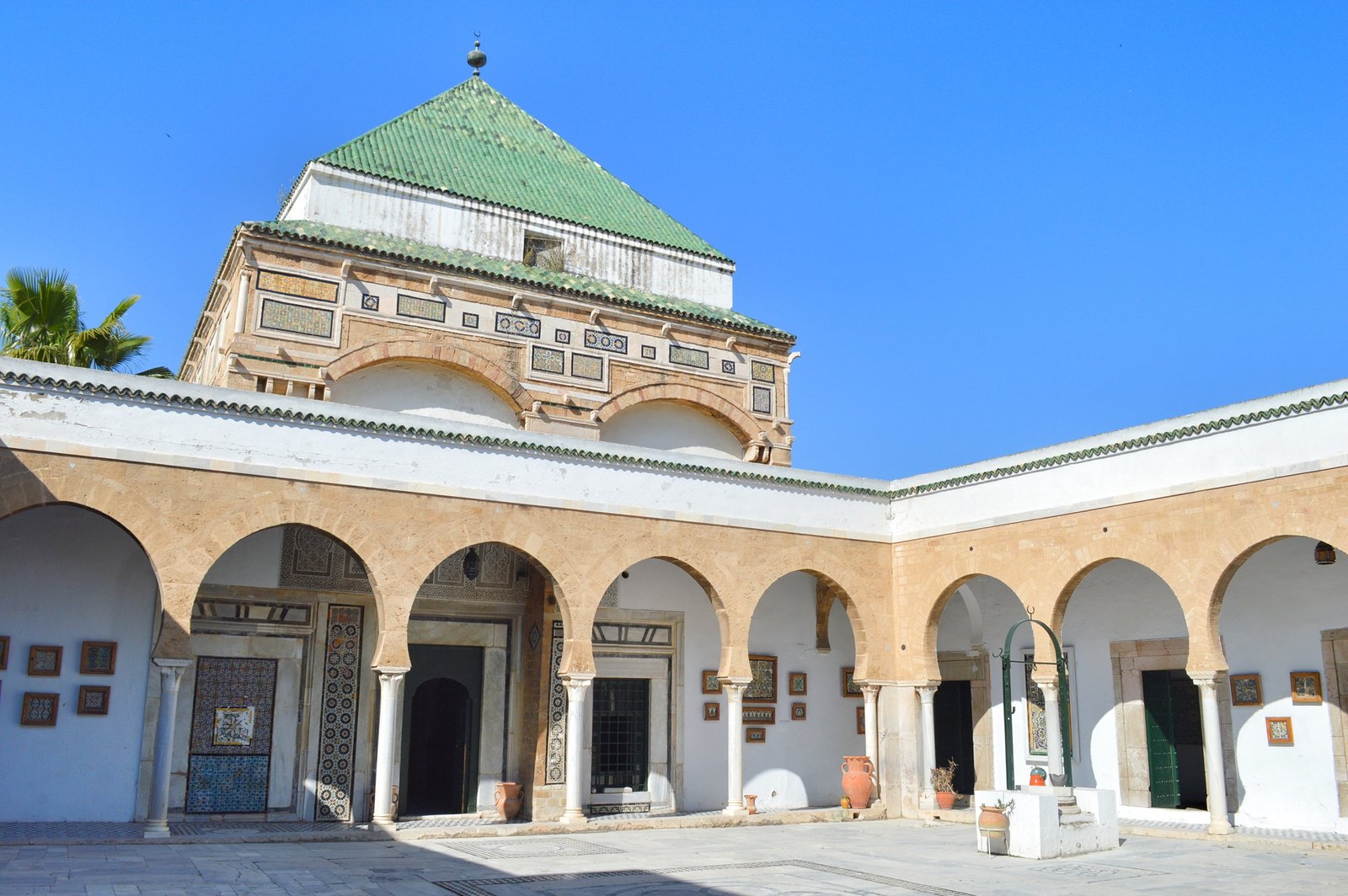
Best place to visit in Zawiya

Introduction
Zawiya, also known as Az Zawiya, is one of Libya’s most important coastal cities, located approximately 45 kilometers west of Tripoli along the Mediterranean Sea. The city serves as a major industrial, commercial, and transportation center while maintaining a rich historical and cultural heritage that dates back centuries. Its strategic location on Libya’s northwestern coast has made it an important hub for trade, agriculture, education, and industry throughout its history.
Zawiya is widely recognized for its role in Libya’s petroleum industry, agricultural production, and economic development. However, beyond its industrial significance, the city possesses a fascinating history shaped by Islamic scholarship, Ottoman influence, Mediterranean trade, and local cultural traditions. The combination of modern infrastructure and historical landmarks gives Zawiya a distinctive character that reflects both Libya’s past and future.
Today, Zawiya remains one of the country’s most influential urban centers and continues to contribute significantly to Libya’s economy and cultural life.
History of Zawiya
The history of Zawiya stretches back many centuries and is closely linked to the development of settlements along Libya’s Mediterranean coastline. The city’s name derives from the Arabic word “zawiya,” referring to a religious school or Islamic educational center, highlighting the area’s long association with religious learning and scholarship.
During the medieval period, Zawiya became known for its Islamic institutions, scholars, and cultural influence. Its location along important trade routes facilitated commercial activity and cultural exchange between North Africa, the Mediterranean world, and the Middle East.
Under Ottoman rule, the city expanded as a regional center of administration, agriculture, and trade. Olive cultivation, grain production, and coastal commerce contributed significantly to local prosperity. During the twentieth century, Zawiya experienced rapid modernization as Libya developed its oil industry and invested in infrastructure projects.
The city later became home to one of Libya’s most important oil refineries, transforming it into a key industrial center. Despite political and economic challenges, Zawiya has continued to play a vital role in national development and remains a symbol of resilience and progress.
1. Zawiya Refinery

The Heart of Libya’s Energy Sector
Zawiya Refinery is one of the largest and most strategically important petroleum facilities in Libya. Established to process crude oil from various fields across the country, the refinery plays a central role in supporting domestic energy needs and export activities.
The facility has contributed significantly to economic development by creating employment opportunities and supporting related industries. Its importance extends beyond Zawiya, influencing the broader Libyan economy and energy infrastructure.
Visitors interested in industrial development can appreciate the role that the refinery has played in transforming the city into a major economic hub.
The refinery remains one of Libya’s most important industrial landmarks.
2. Mediterranean Coastline of Zawiya

Natural Beauty Along the Sea
The Mediterranean coastline surrounding Zawiya provides residents and visitors with beautiful beaches, scenic views, and opportunities for recreation. For centuries, the sea has been central to local livelihoods, supporting fishing, transportation, and trade.
The coastal environment offers a refreshing contrast to the city’s industrial districts. Families often gather along the shore to enjoy the sea breeze, while fishermen continue traditions that have been practiced for generations.
Visitors can relax by the water, explore coastal landscapes, and experience the maritime culture that has shaped Zawiya’s history.
The coastline remains one of the city’s most attractive natural features.
3. Old Zawiya District

Preserving Historical Identity
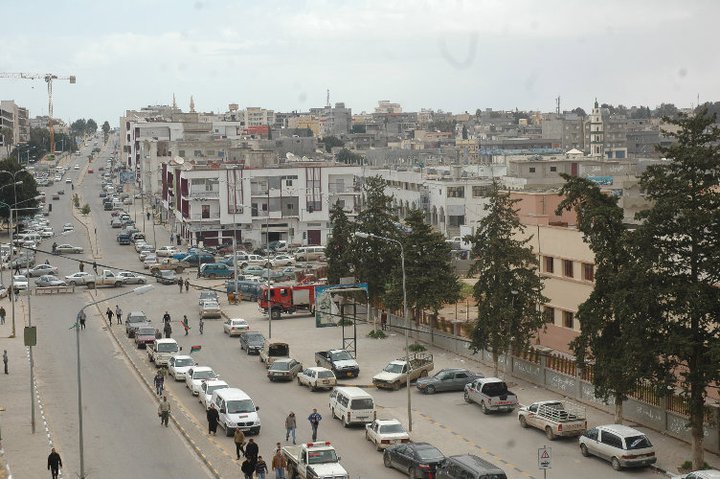
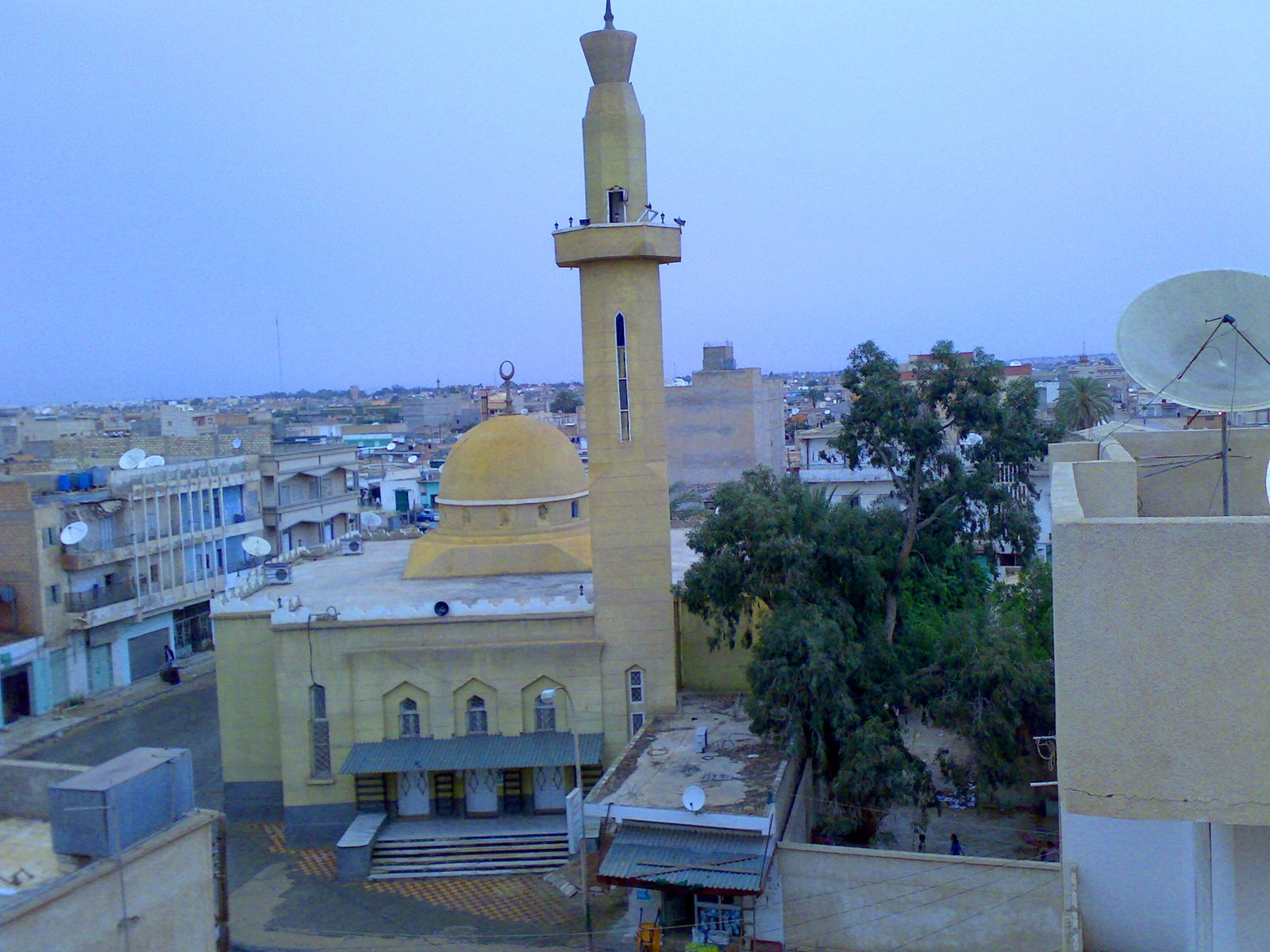
The historic neighborhoods of Zawiya provide valuable insight into the city’s cultural heritage and architectural traditions. Narrow streets, traditional homes, mosques, and local markets reflect centuries of community life and social development.
The district preserves elements of Ottoman and Arab architectural influence while showcasing local craftsmanship and building techniques. Many residents continue to maintain cultural practices that have been passed down through generations.
Visitors exploring the area gain a deeper understanding of the city’s evolution and historical significance.
The old district remains an important symbol of local identity and heritage.
4. Zawiya University

A Center of Learning and Innovation
University of Zawiya is one of the country’s leading institutions of higher education. The university offers programs in medicine, engineering, science, agriculture, business, and the humanities.
Students from across Libya attend the university, contributing to the city’s intellectual and cultural life. Research initiatives and academic programs help prepare future professionals while supporting national development.
The institution reflects Zawiya’s commitment to education and progress.
Its presence has significantly influenced the city’s growth and modernization.
5. Traditional Markets of Zawiya

The Center of Daily Life
The traditional markets of Zawiya remain vibrant centers of commerce and community interaction. Vendors sell fresh produce, spices, textiles, household goods, and locally produced items that reflect the region’s agricultural and commercial traditions.
Markets have played an important role in the city’s economy for centuries and continue to serve as gathering places where residents exchange information and maintain social connections.
Visitors can experience authentic Libyan culture while exploring the bustling atmosphere of these historic commercial districts.
The markets remain essential to everyday life in Zawiya.
6. Agricultural Plains of Zawiya

Fertile Lands and Farming Traditions
The region surrounding Zawiya contains fertile agricultural lands that have supported farming for centuries. Olive trees, grain crops, vegetables, and fruit orchards contribute to local food production and economic activity.
Agriculture played a major role in the city’s development long before the rise of the petroleum industry. Traditional farming practices continue alongside modern agricultural methods, preserving a strong connection to the land.
Visitors can explore rural landscapes that showcase a different side of Libya’s economy and cultural heritage.
Agriculture remains an important component of the region’s identity.
7. Historic Mosques and Religious Heritage
A Legacy of Islamic Scholarship
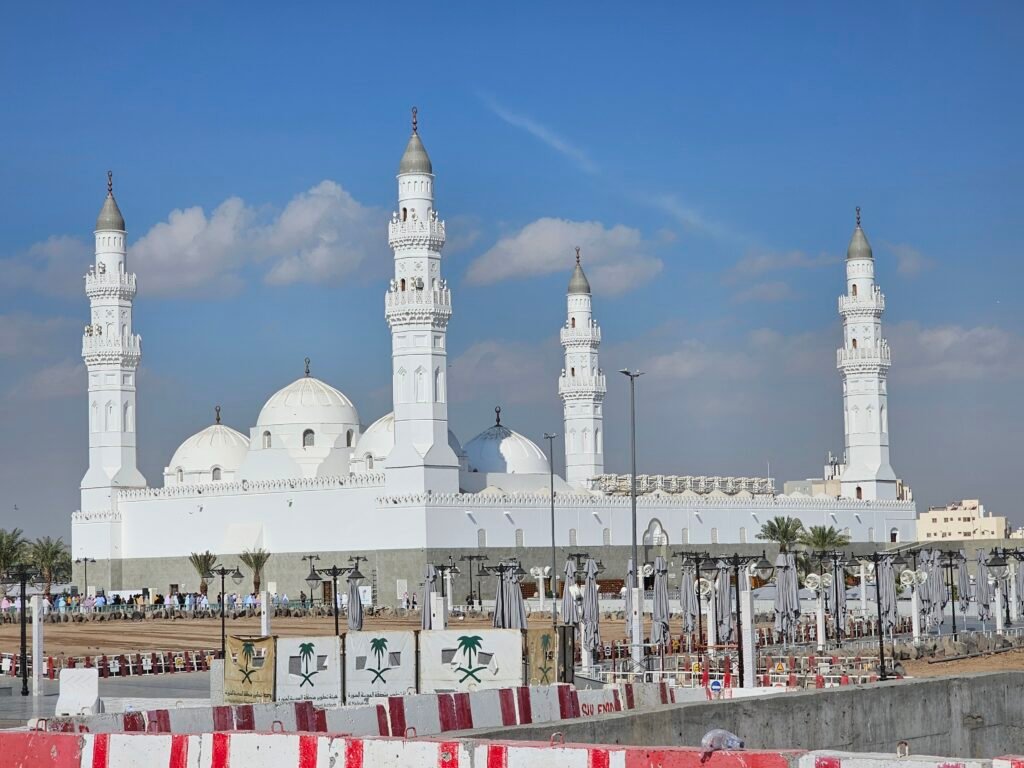
Zawiya has long been associated with Islamic education and religious scholarship. Historic mosques throughout the city reflect centuries of spiritual and intellectual development.
These institutions served as centers of worship, learning, and community life. Scholars and students traveled to the region to study religious sciences and contribute to cultural exchange.
Visitors interested in Islamic history can explore these important landmarks while learning about the city’s role in religious education.
The mosques remain among Zawiya’s most treasured cultural assets.
8. Fishing Communities and Maritime Culture

Centuries of Coastal Tradition
Fishing has been an important economic activity in Zawiya for generations. Local fishermen continue to harvest seafood from the Mediterranean using techniques that have been refined over centuries.
The fishing industry contributes to food production while preserving maritime traditions that are deeply rooted in local culture. Coastal communities maintain strong connections to the sea and celebrate customs associated with maritime life.
Visitors can observe fishing activities and gain insight into one of the city’s oldest professions.
The fishing heritage remains an important aspect of Zawiya’s identity.
9. Public Parks and Community Spaces

Enhancing Urban Life
Modern Zawiya includes public parks, recreational areas, and community spaces designed to improve quality of life for residents. These areas provide opportunities for relaxation, exercise, and social interaction.
Families often gather in parks to enjoy outdoor activities, cultural events, and community celebrations. Green spaces contribute to the city’s livability while supporting environmental sustainability.
Visitors can experience the welcoming atmosphere of local neighborhoods through these public areas.
The development of community spaces reflects the city’s ongoing modernization.
10. Modern Zawiya and Future Development
Balancing Industry, Heritage, and Growth
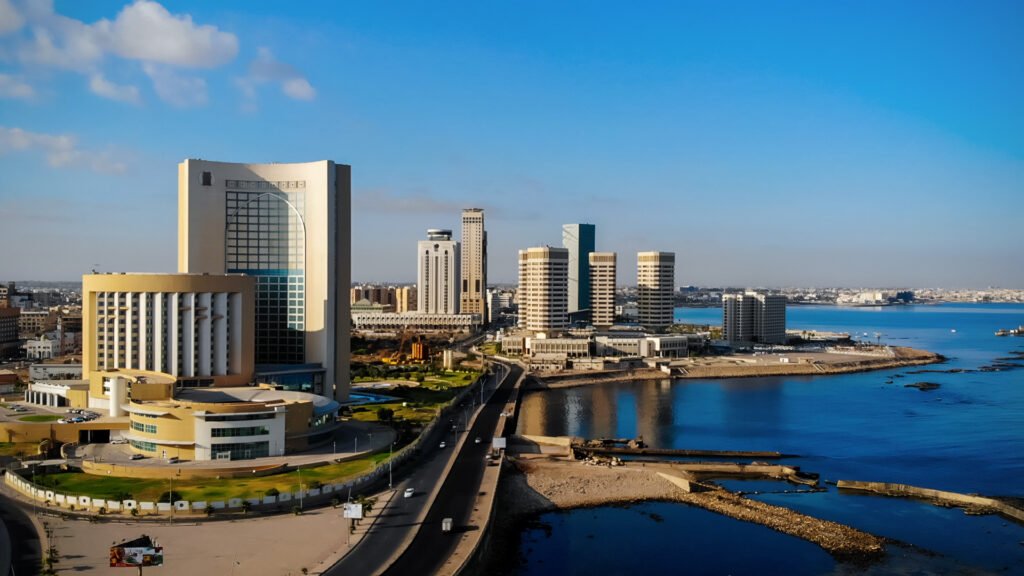
Modern Zawiya continues to expand through investments in infrastructure, education, healthcare, transportation, and industry. New development projects aim to strengthen the economy while improving public services and living standards.
The city’s strategic location near Tripoli and its role in the energy sector position it as an important driver of national growth. At the same time, efforts are being made to preserve cultural heritage and historical landmarks.
Zawiya’s future reflects a balance between modernization and tradition, ensuring that development remains connected to the city’s rich history.
Its continued growth demonstrates the resilience and ambition of its people.
Related artical : Best place to visit in Bayda