
Now Reading: Best place to visit in Ajdabiya
-
01
Best place to visit in Ajdabiya
Best place to visit in Ajdabiya

Introduction
Ajdabiya is one of the most strategically important cities in eastern Libya and has served as a vital crossroads connecting the Mediterranean coast with the vast interior regions of North Africa for centuries. Located approximately 150 kilometers south of Benghazi, Ajdabiya occupies a unique position where major trade routes, transportation corridors, and cultural influences converge. Throughout history, the city has been a center of commerce, travel, agriculture, and regional administration.
Surrounded by desert landscapes, fertile agricultural zones, and important transportation networks, Ajdabiya represents the meeting point between Libya’s coastal regions and the Sahara. The city’s location has made it an important gateway for merchants, travelers, and nomadic communities moving between eastern Libya, the interior desert, and neighboring countries.
Today, Ajdabiya continues to play a crucial role in Libya’s economy and infrastructure while preserving a rich historical legacy that reflects centuries of cultural exchange and development.
History of Ajdabiya
The history of Ajdabiya stretches back to ancient times when the region served as an important stop along caravan routes connecting North Africa with sub-Saharan Africa. Due to its strategic location, various civilizations recognized the area’s value as a center for trade and transportation.
During the Roman and Byzantine periods, settlements in the region supported commerce and agricultural production. Archaeological evidence suggests that the area was integrated into broader Mediterranean trade networks that connected Cyrenaica with other parts of the Roman Empire.
Following the Arab conquest of North Africa in the seventh century, Ajdabiya became an important Islamic settlement and a key station along pilgrimage and trade routes. Medieval geographers frequently mentioned the city due to its strategic position and economic significance.
During the Ottoman era, Ajdabiya continued to serve as a regional center for trade and administration. In modern times, the city gained additional importance through the development of transportation infrastructure, agriculture, and Libya’s petroleum industry.
Today, Ajdabiya remains one of eastern Libya’s most significant cities and an essential link between coastal and desert regions.
1. Historic Ajdabiya Old Mosque

A Symbol of Islamic Heritage
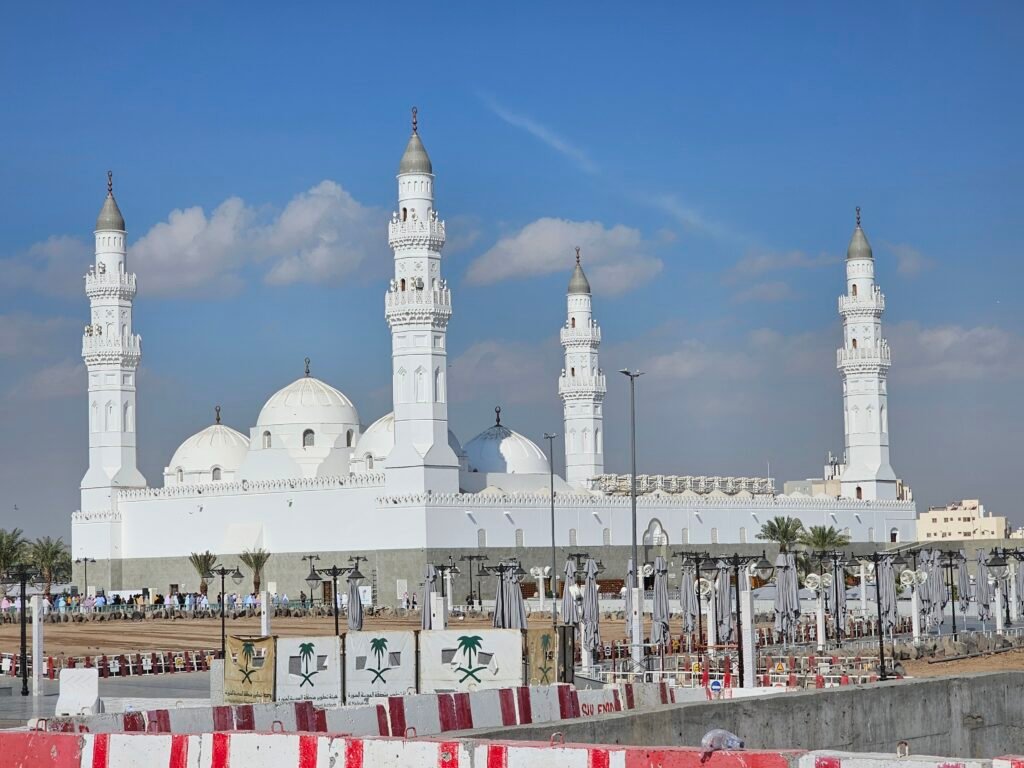
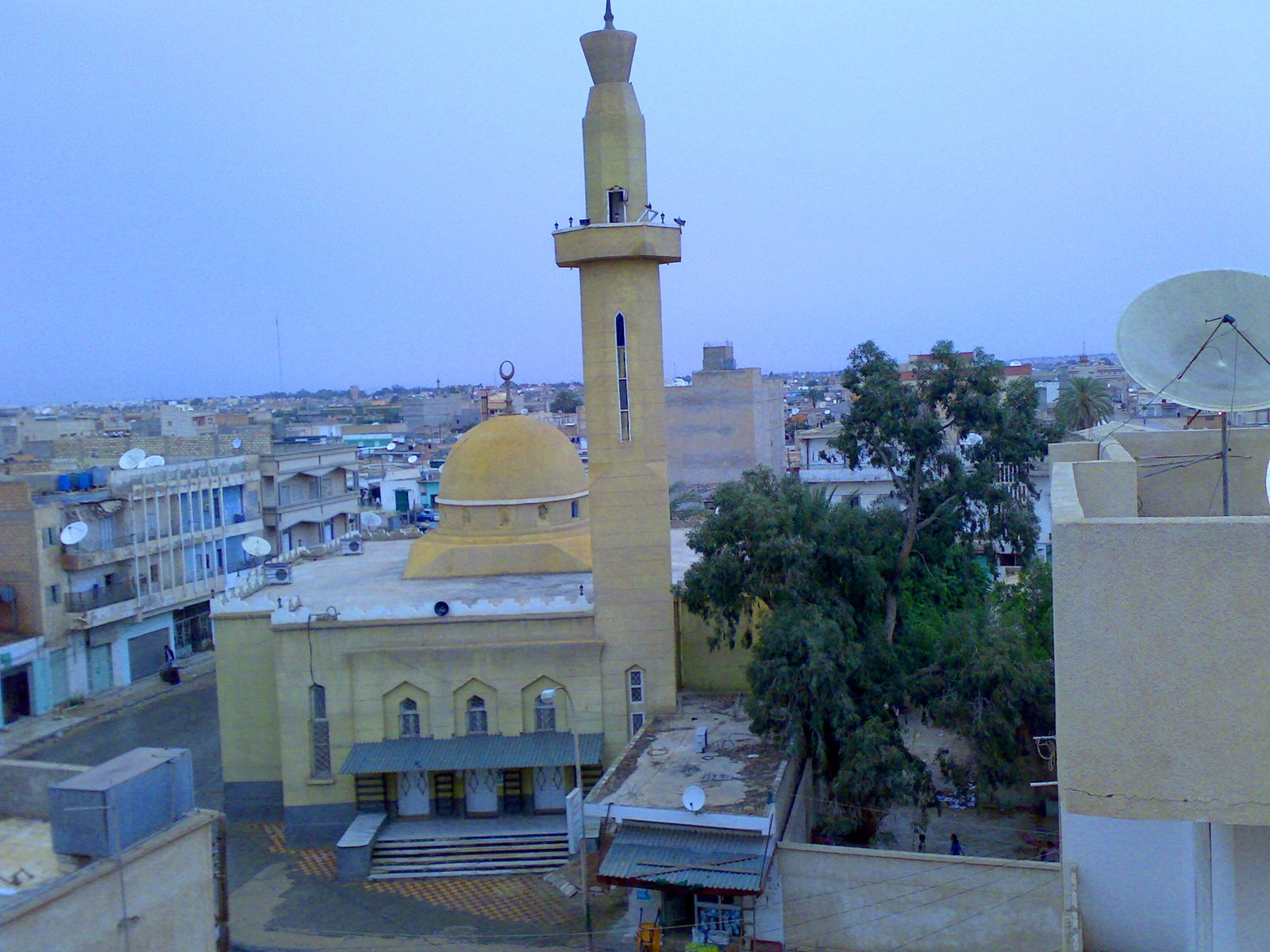
The Historic Ajdabiya Old Mosque is among the city’s most important historical landmarks. Originally constructed during the early Islamic period, the mosque reflects centuries of religious and architectural development.
The structure demonstrates the influence of Islamic architecture in North Africa and serves as evidence of Ajdabiya’s importance as a regional center of faith and learning. Over the centuries, the mosque has been restored and preserved as a symbol of the city’s cultural heritage.
Visitors interested in religious history and architecture often regard the mosque as one of Ajdabiya’s most significant attractions.
The landmark continues to represent the city’s deep spiritual traditions.
2. Desert Trade Routes

Gateway to the Sahara
For centuries, Ajdabiya served as an important hub along caravan routes connecting the Mediterranean coast with the Sahara Desert and sub-Saharan Africa.
Merchants transported gold, salt, textiles, livestock, and other goods across vast distances, making the city a center of commercial exchange. These trade routes facilitated not only economic activity but also cultural interaction and the spread of knowledge.
Visitors can learn about the history of trans-Saharan commerce and the role Ajdabiya played in connecting diverse regions and civilizations.
The legacy of these trade networks remains an important part of the city’s identity.
3. Ajdabiya Oasis Region

Life in the Desert
The oasis areas surrounding Ajdabiya have supported human settlement for centuries by providing water and fertile land in an otherwise arid environment.
Palm groves, agricultural fields, and water sources made the region an attractive destination for travelers and settlers. These natural resources contributed to the development of farming communities and supported trade activities.
Visitors can explore the unique relationship between desert environments and human adaptation.
The oasis landscapes remain among the region’s most valuable natural assets.
4. Ajdabiya Market District

Center of Trade and Community Life
The market district of Ajdabiya has long served as a focal point for economic activity and social interaction.
Local vendors sell agricultural products, textiles, spices, livestock, and household goods while maintaining traditions that date back generations. The market reflects the city’s historical role as a crossroads for travelers and merchants.
Visitors can experience authentic Libyan commerce while observing daily life in one of eastern Libya’s most important regional centers.
The market remains a vibrant symbol of the city’s entrepreneurial spirit.
5. Agricultural Plains of Ajdabiya
Cultivating the Desert
Despite its proximity to desert regions, Ajdabiya benefits from agricultural zones that support farming activities and food production.
Farmers cultivate vegetables, grains, fruits, and date palms using irrigation systems and traditional agricultural knowledge. These activities contribute significantly to local livelihoods and regional food security.
Visitors can observe how communities have adapted to challenging environmental conditions while maintaining productive agricultural practices.
The agricultural landscape highlights the resilience and ingenuity of local residents.
6. Petroleum Industry Connections

Supporting National Development
Ajdabiya occupies a strategic position near several important oil-producing regions of Libya. Transportation networks passing through the city support the movement of petroleum products and industrial resources throughout the country.
The energy sector has contributed significantly to economic growth and infrastructure development in the region. Employment opportunities related to petroleum production have influenced the city’s modern development.
Visitors interested in economic geography can appreciate the city’s role in supporting Libya’s energy industry.
The petroleum sector remains a major component of regional prosperity.
7. Nomadic Heritage and Bedouin Culture

Preserving Desert Traditions
The region surrounding Ajdabiya has long been associated with Bedouin communities whose traditions continue to influence local culture.
Hospitality, poetry, storytelling, camel herding, and tribal customs remain important aspects of social life. These traditions reflect centuries of adaptation to desert environments and contribute to the region’s unique cultural identity.
Visitors interested in cultural heritage can learn about the customs and values that have shaped life in eastern Libya.
The preservation of Bedouin traditions remains an important source of pride.
8. Transportation Crossroads of Libya
Connecting Coastal and Inland Regions
Ajdabiya’s location makes it one of Libya’s most important transportation hubs. Major roads connect the city with Benghazi, Kufra, Tripoli, and southern Libya, facilitating trade and travel across the country.
This strategic position has contributed to economic development and population growth while reinforcing the city’s historical role as a crossroads of commerce.
Visitors can observe how transportation infrastructure continues to shape modern life and regional connectivity.
The city remains essential to Libya’s national transportation network.
9. Desert Landscapes and Natural Beauty

Exploring the Edge of the Sahara
The landscapes surrounding Ajdabiya offer visitors a chance to experience the beauty of the Libyan desert. Rolling sand plains, open horizons, rocky terrain, and dramatic sunsets create unforgettable scenery.
The desert environment has influenced local culture, architecture, and economic activities for generations. Nature enthusiasts often appreciate the tranquility and vastness of the surrounding wilderness.
Visitors can explore unique geological formations and gain a deeper appreciation for North Africa’s desert ecosystems.
The natural beauty of the region remains one of its defining characteristics.
10. Modern Ajdabiya

Progress and Opportunity
Modern Ajdabiya continues to grow through investments in infrastructure, education, healthcare, transportation, and commerce. Development projects aim to improve quality of life while supporting economic diversification and regional growth.
The city’s strategic location ensures its continued importance within Libya’s transportation and commercial networks. New opportunities in agriculture, trade, and public services are helping shape a positive future for residents.
Despite modernization, Ajdabiya remains deeply connected to its historical roots and cultural traditions.
Its development reflects the resilience and ambition of the people who call the city home.
Related artical : Best place to visit in Zawiya