
Now Reading: Best place to visit in Tobruk
-
01
Best place to visit in Tobruk
Best place to visit in Tobruk
Introduction
Tobruk is one of Libya’s most historically important coastal cities, located on the eastern Mediterranean coast near the border with Egypt. Known for its natural deep-water harbor, strategic location, and significant role in military history, Tobruk has served as a center of trade, maritime activity, and regional administration for centuries. The city occupies a unique position where North Africa, the Mediterranean, and the Middle East intersect, making it an important gateway between Libya and neighboring countries.
Surrounded by rugged coastal landscapes, desert plains, and the waters of the Mediterranean Sea, Tobruk combines natural beauty with a rich historical legacy. The city is particularly famous for its role during the North African Campaign, when it became one of the most strategically contested locations in North Africa.
Today, Tobruk remains an important commercial port, transportation hub, and cultural center that reflects the resilience and determination of its people.
History of Tobruk
The history of Tobruk dates back to ancient times when the area was known as Antipyrgos. Greek settlers established communities along the Cyrenaican coast, recognizing the value of the natural harbor and strategic coastal location.
During the Roman Empire, Tobruk functioned as a small but important port supporting trade and communication across the Mediterranean. The city later became part of the Byzantine Empire before being incorporated into the Islamic world following the Arab conquests of the seventh century.
Under Ottoman rule, Tobruk remained a modest coastal settlement, primarily serving local trade and fishing activities. However, its strategic importance increased dramatically during the twentieth century due to its harbor and location along key transportation routes.
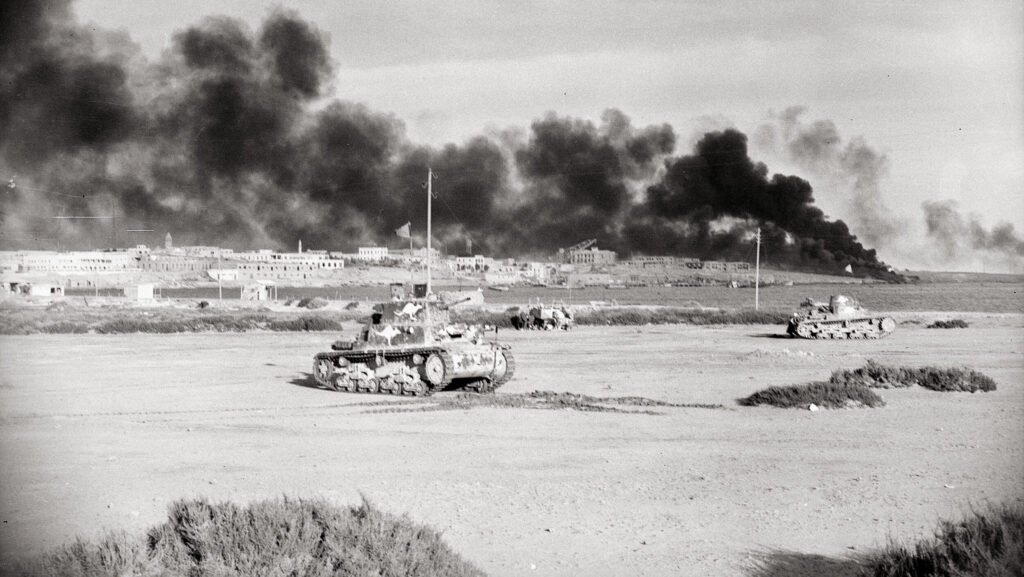
The city gained worldwide recognition during World War II when it became the focus of intense military campaigns between Allied and Axis forces. The famous Siege of Tobruk transformed the city into one of the most significant battlefields of the war in North Africa.
Today, Tobruk continues to preserve its historical legacy while contributing to Libya’s economic and maritime development.
1. Tobruk Harbor

The Natural Harbor That Shaped a City
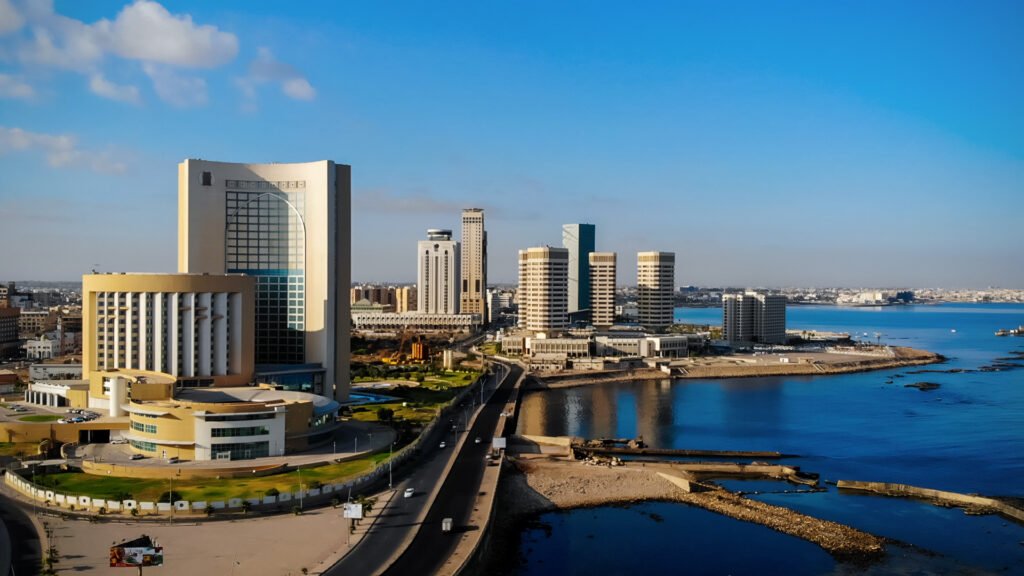
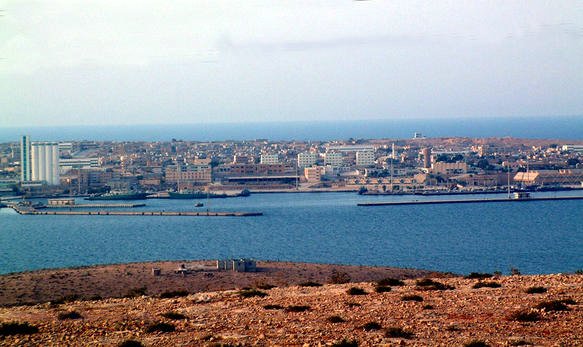
Tobruk Harbor is one of the finest natural harbors on the Mediterranean coast of North Africa. Protected by surrounding landforms, the harbor has provided safe anchorage for ships for centuries.
Its strategic location made it an important center for trade, fishing, transportation, and military operations throughout history. During World War II, control of the harbor was considered crucial for supplying military forces operating in North Africa.
Today, the port continues to support commercial activities and remains a key component of the regional economy.
Visitors can enjoy scenic waterfront views while learning about the harbor’s historical significance.
2. Tobruk War Cemetery

Honoring the Fallen of World War II
The Tobruk War Cemetery is one of the most important World War II memorial sites in North Africa.
The cemetery contains the graves of thousands of soldiers who lost their lives during the North African Campaign. Maintained with great care, the site serves as a place of remembrance and reflection for visitors from around the world.
Rows of white headstones and memorial monuments commemorate those who fought in one of the war’s most challenging theaters.
The cemetery remains a powerful reminder of the sacrifices made during the conflict.
3. Siege of Tobruk Historical Sites

One of World War II’s Most Famous Defenses
The Siege of Tobruk remains one of the most significant events in the city’s history.
Between 1941 and 1942, Allied forces successfully defended Tobruk against repeated attacks by Axis troops. The prolonged defense became a symbol of determination and military resilience, attracting international attention.
Numerous locations around the city preserve traces of wartime fortifications, defensive positions, and military infrastructure.
Visitors interested in military history often explore these sites to better understand the strategic importance of Tobruk during the war.
4. King Idris Mosque

A Center of Faith and Community
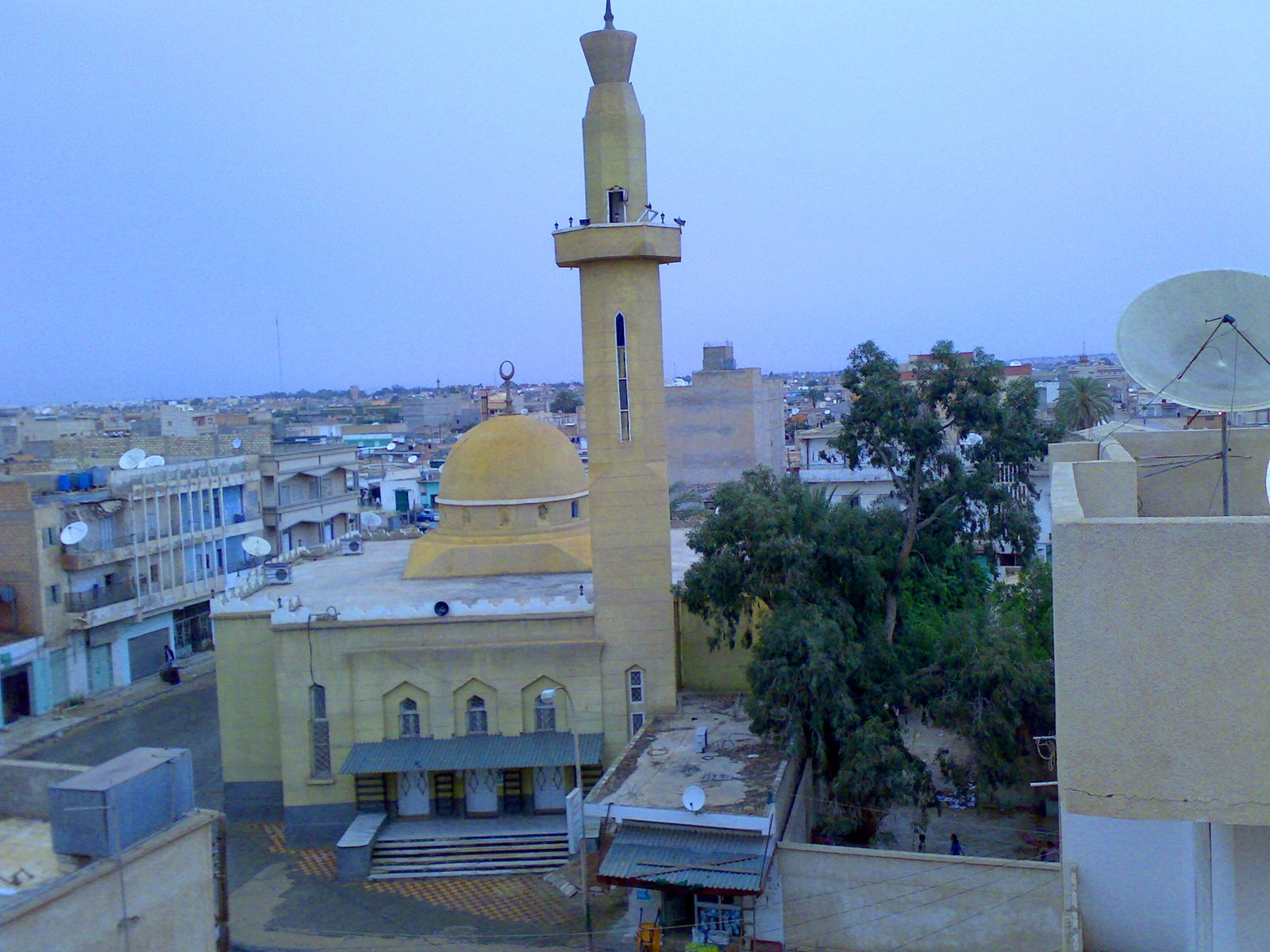
King Idris Mosque is among the city’s most notable religious landmarks.
The mosque serves as both a place of worship and a gathering point for the local community. Its architecture reflects Islamic design traditions while highlighting the cultural identity of eastern Libya.
Visitors appreciate the mosque’s spiritual significance and architectural beauty.
The site continues to play an important role in daily life throughout the city.
5. Mediterranean Beaches of Tobruk

Coastal Beauty Along the Mediterranean
The coastline surrounding Tobruk features beautiful beaches, rocky coves, and clear Mediterranean waters.
For generations, local communities have relied on the sea for fishing, transportation, and recreation. The beaches provide opportunities for relaxation while offering spectacular views of the Mediterranean horizon.
Visitors often enjoy swimming, photography, and coastal exploration in these scenic environments.
The shoreline remains one of Tobruk’s most attractive natural features.
6. Ancient Greek and Roman Heritage
Traces of Ancient Civilizations
The region surrounding Tobruk contains archaeological remains associated with ancient Greek and Roman settlements.
Artifacts, ruins, and historical discoveries reveal the city’s connections to the broader civilization of Cyrenaica, which flourished along Libya’s eastern coast for centuries.
Visitors interested in archaeology can learn about the cultures that shaped the region long before the modern city emerged.
These historical remains contribute to Tobruk’s rich cultural heritage.
7. Tobruk Fish Market
Maritime Traditions Continue
The Tobruk Fish Market reflects the city’s long-standing relationship with the Mediterranean Sea.
Fresh seafood brought in daily by local fishermen supports both the economy and culinary traditions of the region. The market offers visitors a glimpse into one of Tobruk’s oldest industries.
Fishing remains an important source of livelihood for many families.
The market continues to connect the city’s past with its present.
8. Desert Landscapes Near Tobruk

Where the Sahara Meets the Sea
Beyond the coastline, visitors encounter the vast desert landscapes that characterize much of eastern Libya.
Rolling plains, rocky plateaus, and open horizons create dramatic scenery that contrasts with the Mediterranean waterfront. These landscapes have influenced local culture, trade routes, and settlement patterns for centuries.
Visitors can explore the unique environment where desert and sea coexist.
The region’s natural diversity contributes greatly to Tobruk’s appeal.
9. Tobruk University

Building the Future Through Education
University of Tobruk serves as an important educational institution for eastern Libya.
The university offers programs in science, engineering, medicine, humanities, and business while supporting research and community development initiatives.
Students from across the region attend the institution, contributing to the city’s intellectual and cultural growth.
Education continues to play a key role in shaping Tobruk’s future.
10. Modern Tobruk

A City of Resilience and Opportunity
Modern Tobruk continues to evolve through investments in infrastructure, transportation, healthcare, education, and commerce.
The city’s strategic location near Egypt and its role as a major port contribute to economic growth and regional connectivity. New development projects aim to improve quality of life while strengthening the local economy.
At the same time, Tobruk remains committed to preserving its historical landmarks and cultural heritage.
Its continued development reflects the resilience and determination that have characterized the city throughout its history.
Related artical : Best place to visit in Ajdabiya