
Now Reading: Best place to visit inSabha
-
01
Best place to visit inSabha
Best place to visit inSabha

Introduction
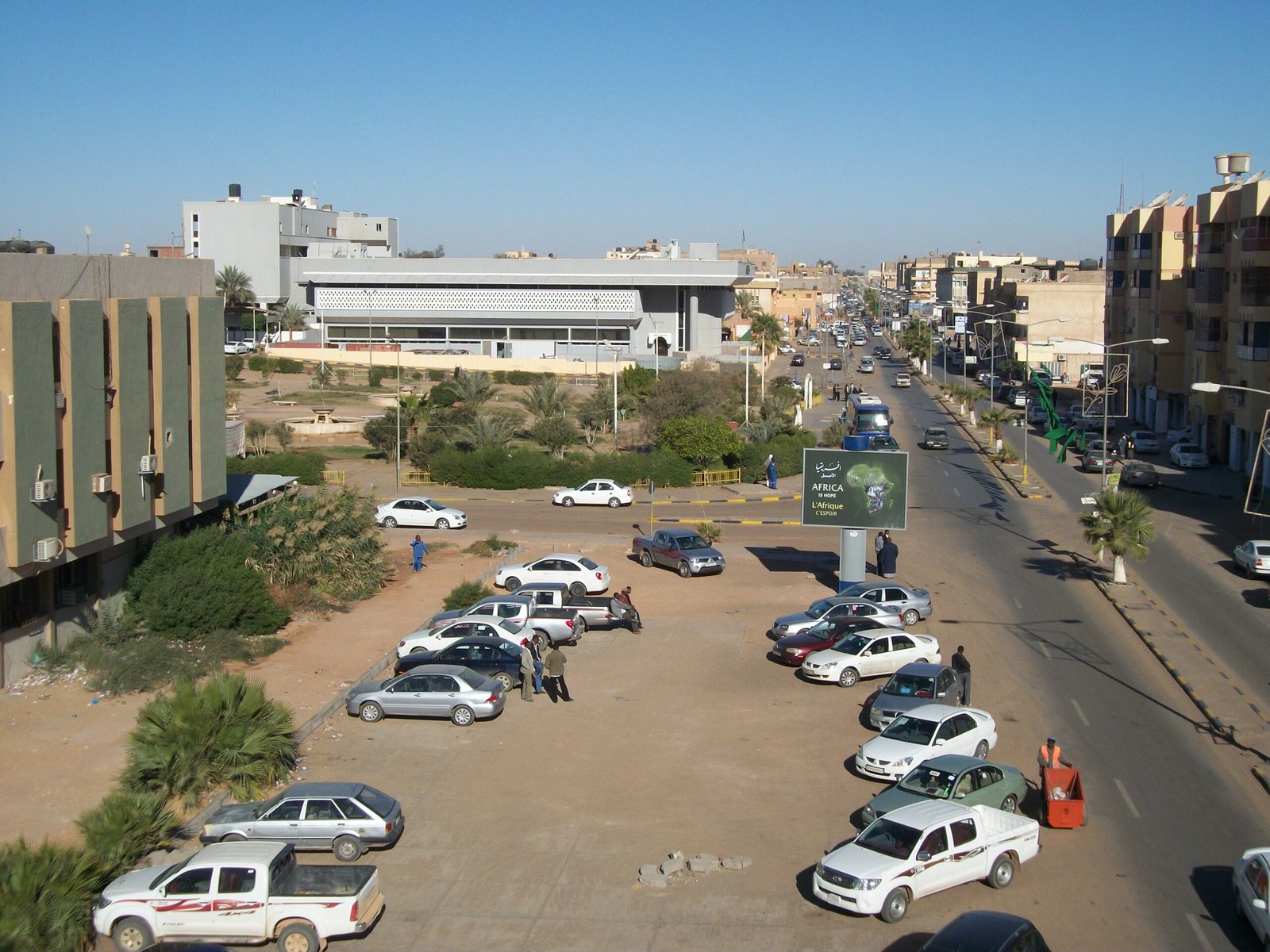
Sabha is the largest city in southern Libya and the principal urban center of the historic Fezzan region. Located deep within the Sahara Desert, Sabha serves as an important crossroads connecting North Africa with the Sahel and sub-Saharan Africa. For centuries, the city has played a vital role in trade, transportation, cultural exchange, and desert commerce, earning its reputation as the gateway to Libya’s vast southern landscapes.
Unlike Libya’s Mediterranean coastal cities, Sabha is surrounded by endless desert plains, sand dunes, rocky plateaus, and oasis settlements. Its unique location has made it a center of caravan trade, agriculture, education, and regional administration. The city is also known for its rich cultural diversity, with Arab, Tuareg, and Tebu communities contributing to its distinctive heritage.
Today, Sabha remains one of Libya’s most important inland cities, serving as a hub for commerce, transportation, and desert exploration while preserving traditions that have shaped life in the Sahara for generations.
History of Sabha
The history of Sabha is deeply connected to the ancient region of Fezzan, which has been inhabited for thousands of years. Long before modern borders existed, the area served as an important stop along trans-Saharan trade routes linking the Mediterranean world with Central and West Africa.
Caravans carrying gold, salt, textiles, ivory, dates, and other valuable goods passed through the region, making Fezzan an important center of commerce and cultural interaction. Various civilizations, including the Garamantes, Romans, Arabs, and Ottoman Empire, influenced the development of settlements throughout the region.
During the Islamic period, Sabha and surrounding oasis communities became important centers of trade and religious learning. The city expanded significantly during the twentieth century as Libya invested in infrastructure, education, transportation, and public services.
Today, Sabha continues to serve as the political, economic, and cultural heart of southern Libya while maintaining strong connections to its desert heritage.
1. Sabha Old Town

Preserving the Spirit of the Sahara
The historic districts of Sabha provide visitors with insight into traditional desert life and architecture.
Built to withstand the harsh Saharan climate, many structures feature thick walls, narrow streets, and shaded courtyards designed to reduce heat. These architectural techniques reflect centuries of adaptation to desert conditions.
Walking through the old neighborhoods reveals traditional homes, local markets, and community spaces that preserve the cultural identity of the region.
The old town remains an important symbol of Sabha’s historical roots.
2. Fezzan Desert Landscapes

Exploring the Heart of the Sahara
The Fezzan region surrounding Sabha contains some of the most spectacular desert landscapes in North Africa.
Vast sand dunes, rocky plateaus, dry valleys, and open horizons create an environment of extraordinary beauty and scale. For centuries, travelers crossing the Sahara relied on routes passing through the region.
Visitors can experience breathtaking desert sunsets, unique geological formations, and the immense tranquility of the Sahara.
The desert remains one of Sabha’s greatest natural attractions.
3. Sabha Market
The Commercial Center of Southern Libya
The Sabha Market serves as one of the largest commercial centers in southern Libya.
Merchants sell dates, spices, textiles, livestock, handicrafts, and imported goods while continuing traditions that date back to the era of caravan trade. The market attracts traders and customers from across the Fezzan region.
Visitors can observe the vibrant atmosphere and gain insight into the economic life of the Sahara.
The market remains an important center of commerce and community interaction.
4. Waw an Namus

One of Libya’s Most Extraordinary Natural Wonders
Located within the broader region accessible from Sabha, Waw an Namus is one of the most remarkable geological features in the Sahara.
This massive volcanic crater contains lakes, vegetation, and unique ecosystems surrounded by black volcanic terrain. The contrast between water, greenery, and desert creates a breathtaking landscape unlike anywhere else in North Africa.
Scientists and travelers alike consider Waw an Namus one of Libya’s most fascinating natural attractions.
Its isolation adds to the sense of mystery and adventure.
5. Tuareg Cultural Heritage

Guardians of Desert Traditions
The Tuareg People have played an important role in the history and culture of the Sabha region.
Known for their nomadic traditions, desert navigation skills, and distinctive blue clothing, the Tuareg developed a rich cultural heritage shaped by life in the Sahara.
Music, poetry, craftsmanship, and storytelling remain important aspects of Tuareg identity.
Visitors interested in cultural exploration can learn about traditions that have endured for centuries across the desert.
6. Tebu Heritage and Community Life

A Unique Cultural Legacy
The Tebu People are another important cultural group in southern Libya.
For generations, Tebu communities have inhabited remote desert regions, developing knowledge of survival, trade, and travel across challenging environments.
Their customs, languages, and traditions contribute significantly to the cultural diversity of Sabha and the wider Fezzan region.
The preservation of Tebu heritage remains an important aspect of local identity.
7. Oasis Agriculture

Life Sustained by Water
Despite the harsh desert environment, oasis agriculture has supported communities around Sabha for centuries.
Date palms, fruits, vegetables, and grains are cultivated using groundwater and traditional irrigation systems. These agricultural practices demonstrate remarkable ingenuity and adaptation to desert conditions.
Visitors can explore oasis settlements and learn how water resources have shaped life in the Sahara.
The agricultural landscape provides a striking contrast to the surrounding desert.
8. Sabha University

Advancing Education in the Sahara
Sebha University is one of Libya’s most important educational institutions outside the coastal regions.
The university offers programs in science, medicine, engineering, agriculture, and humanities, attracting students from across southern Libya.
Research initiatives contribute to regional development while preparing future professionals and community leaders.
Education continues to play a vital role in shaping the city’s future.
9. Ancient Garamantian Heritage

Legacy of a Lost Desert Civilization
The ancient Garamantes once controlled much of the Fezzan region and established sophisticated settlements in the Sahara.
Archaeological discoveries reveal advanced irrigation systems, trade networks, and urban development that flourished long before the modern era.
The Garamantes played a crucial role in connecting Mediterranean societies with sub-Saharan Africa through trade and cultural exchange.
Their legacy remains one of the most fascinating chapters in Libyan history.
10. Modern Sabha
Growth in the Heart of the Desert
Modern Sabha continues to develop through investments in transportation, healthcare, education, and public services.
The city serves as the administrative and commercial capital of southern Libya while supporting regional trade and infrastructure projects. New developments aim to improve living standards and strengthen economic opportunities.
At the same time, Sabha remains deeply connected to its cultural traditions and desert heritage.
Its continued growth demonstrates the resilience and adaptability of communities living in one of the world’s most challenging environments.
Related artical : Best place to visit in Tobruk